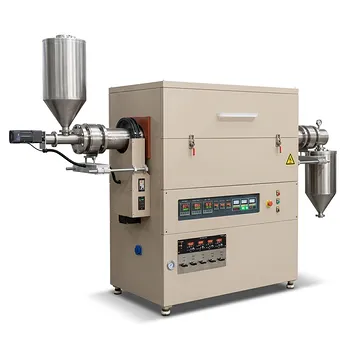
What process advantages does a laboratory-scale rotary kiln offer? Boost Powder Calcination Efficiency & Phase Purity.
Updated 3 months ago
The primary advantage of a laboratory-scale rotary kiln lies in its ability to provide superior heat and mass transfer efficiency through dynamic tumbling. Unlike a static box furnace where material is stacked and remains stationary, a rotary kiln continuously rotates the furnace body to ensure every particle is uniformly exposed to the heat source and reaction atmosphere. This eliminates temperature gradients and ensures a level of phase purity and chemical uniformity that static methods cannot achieve.
Core Takeaway: By transitioning from static stacking to a dynamic tumbling environment, the rotary kiln ensures that powder materials receive uniform thermal exposure and optimal gas-material contact, resulting in significantly higher product consistency and reaction completeness.
The Mechanism of Dynamic Heat Transfer
Surface Renewal Through Continuous Tumbling
The rotation of the kiln body causes powder materials to tumble, which constantly renews the surface exposure of the particles. In a static box furnace, the material at the core of a stack is insulated by the outer layers, leading to thermal lag. A rotary kiln solves this by ensuring that no single particle remains buried, allowing for immediate and direct heat absorption.
Elimination of Internal Temperature Gradients
In static heating, the lack of movement often results in uneven heating within the material bed, which can cause localized overheating or "dead zones." The dynamic heating method of a rotary kiln effectively distributes thermal energy throughout the entire volume of the powder. This results in a homogeneous temperature profile that is critical for precise calcination.
Enhancing Chemical and Atmospheric Interactions
Optimized Mass Transfer and Gas Diffusion
A rotary kiln offers superior contact between the material and the thermal atmosphere, which is vital for processes like oxidation or reduction. Because the powder is in a state of constant motion, process gases can penetrate the entire batch more efficiently than in a static box furnace. This high gas exchange efficiency accelerates reaction kinetics and ensures that chemical modifications are thorough.
Achieving Superior Phase Purity
Because every particle undergoes the same thermal history, the resulting material exhibits significantly improved phase purity and chemical uniformity. This makes the rotary kiln the preferred tool for powder modification experiments where precise control over the reaction progress is required. It minimizes the risk of incomplete reactions or the formation of unwanted secondary phases.
Understanding the Trade-offs
Mechanical Complexity and Material Handling
While rotary kilns offer superior uniformity, they involve more complex mechanical components than static box furnaces, which can increase maintenance requirements. Additionally, extremely fine or lightweight powders may be prone to "dusting" or being carried away by the gas flow during the tumbling process.
Risks of Material Attrition or Sticking
The tumbling action, while beneficial for heating, can cause mechanical attrition in fragile granules, potentially changing the particle size distribution. Furthermore, materials that become sticky or "tacky" at high temperatures may adhere to the kiln walls, which can impede the tumbling motion and require specialized liners or scrapers to manage.
Making the Right Choice for Your Goal
To maximize the effectiveness of your heat treatment process, consider how the rotary kiln aligns with your specific research or production requirements:
- If your primary focus is phase purity and uniformity: The rotary kiln is the definitive choice because it ensures every particle is treated identically, eliminating the inconsistencies of static stacking.
- If your primary focus is gas-solid reaction efficiency: Utilize the rotary kiln to leverage its superior gas exchange capabilities, which will significantly reduce reaction times compared to static methods.
- If your primary focus is processing large, consistent batches: The rotary kiln is ideal as it eliminates batch-to-batch variations by providing a continuous and predictable thermal environment.
The transition to a laboratory-scale rotary kiln represents a fundamental shift toward precision and repeatability in the thermal processing of advanced powder materials.
Summary Table:
| Feature | Rotary Kiln (Dynamic) | Box Furnace (Static) |
|---|---|---|
| Heat Transfer | High (Continuous Tumbling) | Low (Thermal Lag in Core) |
| Gas-Solid Contact | Excellent (Surface Renewal) | Restricted (Surface Only) |
| Phase Purity | Superior (Uniform Exposure) | Variable (Thermal Gradients) |
| Best For | Powder Calcination/Reaction | Bulk/Stacked Material Treatment |
Elevate Your Powder Research with THERMUNITS
Are you struggling with thermal gradients or incomplete reactions in your powder processing? THERMUNITS is a leading manufacturer of high-temperature laboratory equipment specifically designed for material science and industrial R&D. We offer a comprehensive range of thermal processing solutions, including Electric Rotary Kilns, Muffle, Vacuum, and Atmosphere Furnaces, as well as CVD/PECVD systems and Vacuum Induction Melting (VIM) furnaces.
Our rotary kiln technology ensures your materials achieve the highest level of phase purity and chemical uniformity. Let us help you select the precise equipment needed to accelerate your innovation.
Contact us today to optimize your laboratory heat treatment!
References
- Jianqing Li, Fei Du. Engineering Detrimental Functional Groups in Conductive Additives Toward High‐Performance All‐Solid‐State Batteries. DOI: 10.1002/chem.202400074
Mentioned Products
- Three Zone Rotary Tube Furnace for High Temperature Powder Processing and Material Research
- 900°C Max Rotary Tube Furnace with 8 Inch 310S Alloy Tube and Optional Multi Zone Heating for Industrial Material Calcination
- Dual Zone Rotary Tube Furnace for Uniform Powder Calcination 1000C 2 Inch Quartz Tube
- Electric Rotary Kiln Continuous Working Small Rotary Furnace Heating Pyrolysis Plant
- Mini Rotary Tubular Furnaces for Precision Powder Heat Treatment and Thermogravimetric Analysis
People Also Ask
- How does a rotary tube furnace improve the processing of granular materials? Enhance Uniformity and Reaction Kinetics
- Why use a rotary tube furnace for FACS carbonization? Ensure uniform morphology and prevent sphere agglomeration.
- In what ways do rotary tube furnaces enhance chemical and specialty mineral processing? Drive Precision and Uniformity.
- Why is the precise optimization of residence time essential in the catalyst calcination process? Maximize Your Yields.
- What parameters must operators control to maintain product quality in a rotary furnace? Master Your Heat Treatment.

Tech Team · ThermUnits
Last updated on Jun 02, 2026
Related Products
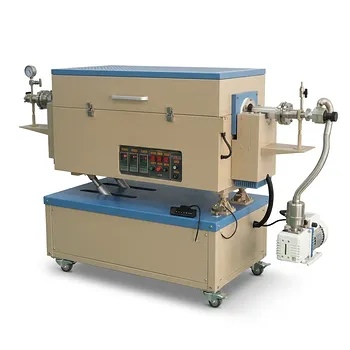
Three Zone Rotary Tube Furnace for High Temperature Powder Processing and Material Research
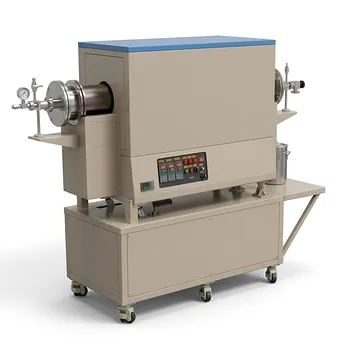
900°C Max Rotary Tube Furnace with 8 Inch 310S Alloy Tube and Optional Multi Zone Heating for Industrial Material Calcination
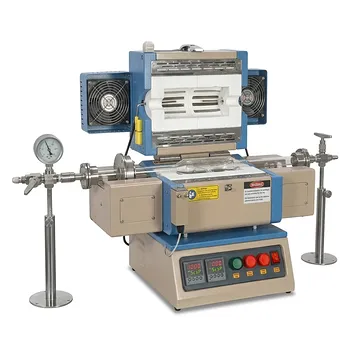
Dual Zone Rotary Tube Furnace for Uniform Powder Calcination 1000C 2 Inch Quartz Tube
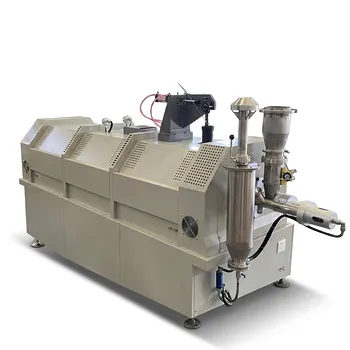
Electric Rotary Kiln Continuous Working Small Rotary Furnace Heating Pyrolysis Plant
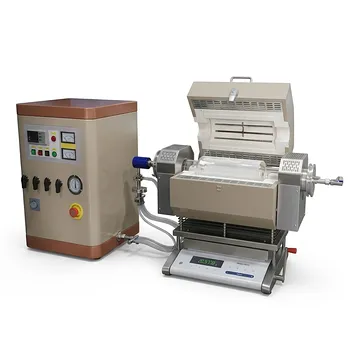
Mini Rotary Tubular Furnaces for Precision Powder Heat Treatment and Thermogravimetric Analysis
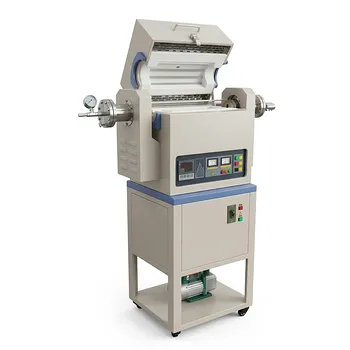
High Temperature Rotary Tilt Tubular Furnaces for Advanced Powder Sintering and Material Processing
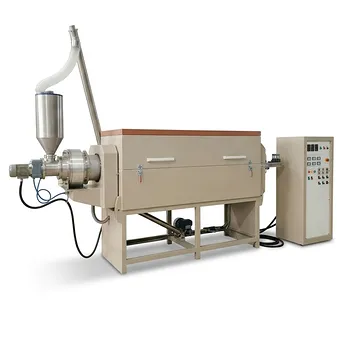
Continuous Feeding Rotary Tube Furnace for Industrial Powder Heat Treatment and Material Research
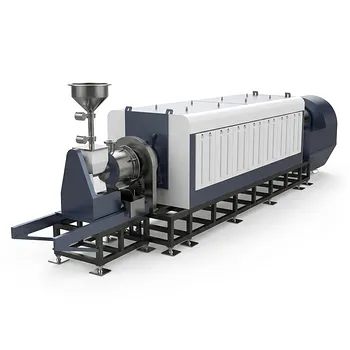
Electric Rotary Kiln Small Rotary Furnace Biomass Pyrolysis Plant
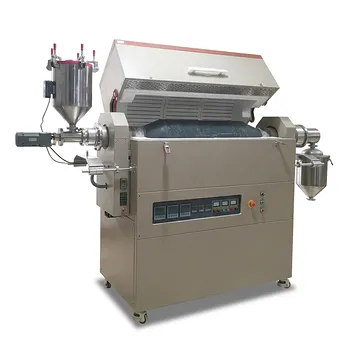
High Temperature Tilting Rotary Tubular Furnace for Continuous Powder Thermal Processing and Controlled Atmosphere Sintering
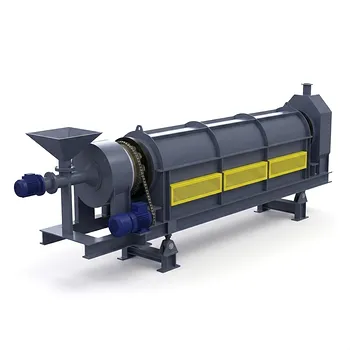
Electric Rotary Kiln Small Rotary Furnace for Activated Carbon Regeneration
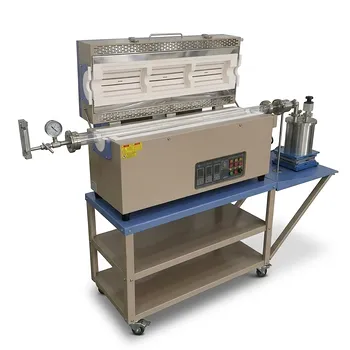
5 Inch Two Zone Rotary Tube Furnace 1100C for Powder CVD and Material Synthesis
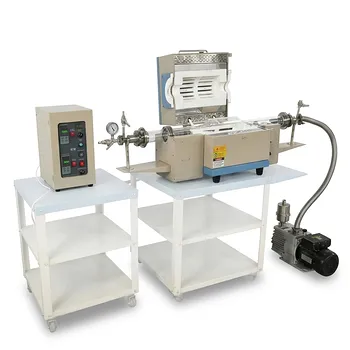
Two Zone Rotary Tube Furnace for Powder CVD Coating and Core Shell Material Synthesis 1100C
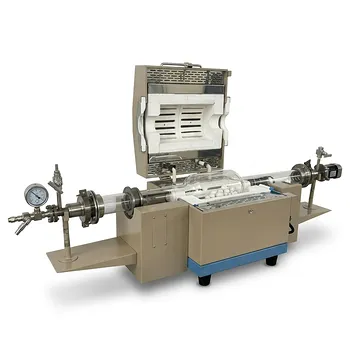
High Temperature Rotary Tube Furnace with Integrated Ball Milling and Gas Flow Function for Powder Nitriding
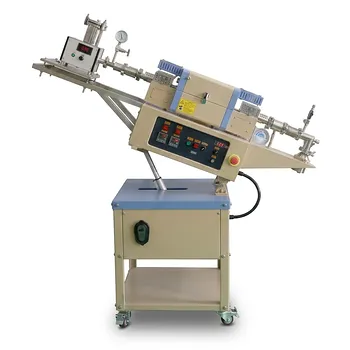
1100°C Dual Zone Rotary Tube Furnace with Automatic Feeding and Collection System for Continuous Powder Processing
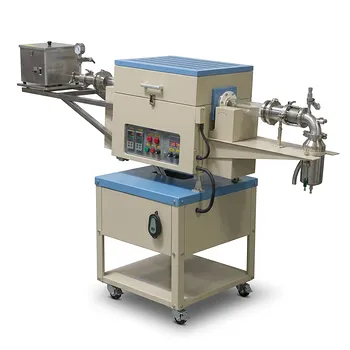
Two Zone Rotary CVD Furnace with Automatic Feeding and Receiving System for Powder Processing
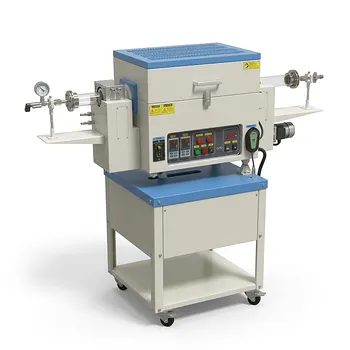
4 Inch Two Zone Rotary CVD Tube Furnace for High Temperature Battery Material Synthesis and Advanced Material Calcination
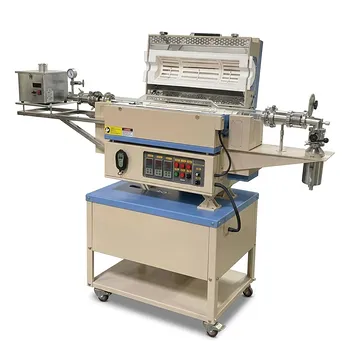
5 Inch Rotary Tube Furnace with Automatic Feeding and Receiving System 1200C Three Zone CVD Powder Processing
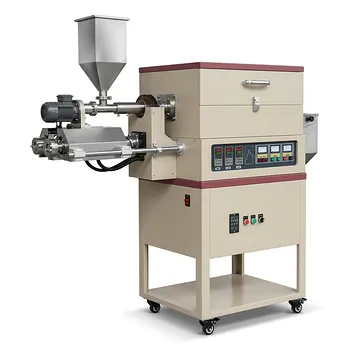
Laboratory Tilting Rotary Tubular Furnaces for Material Science and Industrial Heat Treatment
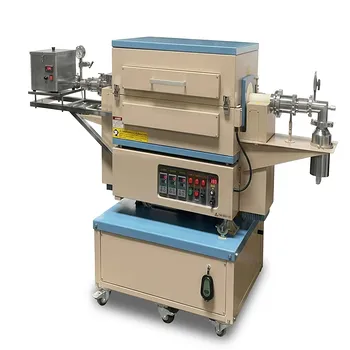
1500C 3-Zone Rotary Tube Furnace 60mm with Automatic Powder Feeding and Receiving System for Continuous Material Synthesis