What role does a high-temperature ceramic boat play in phosphidation? Essential for High-Purity Material Synthesis
Updated 3 months ago
In the phosphidation process, a high-temperature ceramic boat acts as a chemically inert, thermally stable spatial organizer that isolates the phosphorus source from the precursor while facilitating vapor transport. It serves as a resilient platform that resists erosion from volatile phosphorus vapors and ensures the unidirectional delivery of reactive gases, such as phosphine (PH3), to the precursor surface for uniform chemical transformation.
The central takeaway is that the ceramic boat is a critical engineering component that maintains chemical purity and enables controlled gas-phase reactions. By providing a non-reactive environment at extreme temperatures, it prevents side reactions and protects the structural integrity of the furnace.
Ensuring Chemical Purity and Stability
Resistance to Corrosive Phosphorus Erosion
During phosphidation, phosphorus sources like sodium hypophosphite volatilize into highly reactive vapors. High-purity ceramic boats exhibit exceptional chemical inertness, allowing them to withstand these corrosive gases without degrading or introducing metallic impurities into the reaction.
Thermal Stability at High Temperatures
Phosphidation and related thermal treatments often occur at temperatures ranging from 350°C to over 1500°C. Ceramic boats are designed with high thermal shock resistance, ensuring they maintain structural integrity during rapid heating and cooling cycles without cracking or warping.
Prevention of Unwanted Side Reactions
Because the ceramic material is non-reactive with both the phosphorus source and the precursor (such as metal-organic frameworks or nickel foam), it ensures the authenticity of the electrochemical active sites. This prevents the formation of secondary phases that could compromise the catalyst's performance.
Facilitating Controlled Vapor Transport
Strategic Spatial Arrangement
The boat allows for the precise positioning of materials within the furnace's "constant temperature zone." Typically, the phosphorus source is placed upstream and the precursor downstream, utilizing the carrier gas to achieve directional transport of phosphorus vapor.
Optimization of Gas Flow Dynamics
The physical geometry of the ceramic boat helps control the movement of the carrier gas over the phosphorus source. This promotes the stable generation of phosphine gas, which is essential for achieving a uniform and complete phosphidation of the precursor material.
Protection of the Furnace Infrastructure
By acting as a containment vessel, the boat prevents molten reactants or corrosive residues from coming into direct contact with the quartz furnace tube. This shielding effect extends the lifespan of expensive laboratory equipment and prevents cross-contamination between different experimental runs.
Understanding the Trade-offs
While ceramic boats are essential, they are not without limitations. Thermal shock remains a primary risk; heating or cooling the boat too quickly can lead to mechanical failure, even in high-performance ceramics.
Furthermore, the porosity of certain ceramic materials can lead to the absorption of trace chemicals over time. This makes thorough cleaning or dedicated use for specific reactions necessary to avoid "memory effects" where residues from a previous experiment contaminate a new batch.
How to Apply This to Your Project
When selecting or utilizing a ceramic boat for your phosphidation workflow, consider your specific material requirements and thermal profiles.
- If your primary focus is High-Purity Synthesis: Opt for high-purity alumina boats (99%+) to ensure no trace metals or silicates leach into your catalyst during high-temperature activation.
- If your primary focus is Process Scalability: Select a boat with a wide, shallow profile to maximize the surface area of the phosphorus source, ensuring a high concentration of reactive vapor throughout the furnace tube.
- If your primary focus is Equipment Longevity: Implement strict ramp-up and ramp-down temperature protocols (typically <5°C/min) to minimize thermal stress on the ceramic structure.
By treating the ceramic boat as a precise reactive vessel rather than a simple container, you ensure the reproducibility and integrity of your synthesized materials.
Summary Table:
| Key Role | Critical Feature | Benefit to Process |
|---|---|---|
| Chemical Barrier | Inertness to P-vapors | Prevents contamination and protects sample purity. |
| Transport Facilitator | Spatial Directionality | Ensures uniform delivery of PH3 gas to precursors. |
| Thermal Protector | High Shock Resistance | Maintains structural integrity during rapid heat cycles. |
| Hardware Shield | Containment Vessel | Protects quartz furnace tubes from corrosive residues. |
Optimize Your Synthesis with THERMUNITS Precision Solutions
Ensure the integrity and reproducibility of your material research with THERMUNITS, a leading global manufacturer of high-performance thermal processing equipment. We specialize in providing the advanced tools required for sophisticated material science and industrial R&D.
From high-purity ceramic components to complete furnace systems, our product range includes:
- Advanced Furnaces: Muffle, Vacuum, Atmosphere, Tube, Rotary, and Hot Press furnaces.
- Specialized Systems: CVD/PECVD systems, Dental Furnaces, and Vacuum Induction Melting (VIM) furnaces.
- Industrial Solutions: Electric rotary kilns and high-durability Thermal Elements.
Whether you are scaling up catalyst production or performing delicate vapor deposition, our equipment offers the precision and durability your lab needs. Contact our technical experts today to find the perfect thermal solution for your project!
References
- Jianguo Zhong, Yuxin Wang. Nickel Foam-Supported FeP Encapsulated in N, P Co-Doped Carbon Matrix for Efficient Electrocatalytic Hydrogen Evolution. DOI: 10.3390/inorganics12110291
Mentioned Products
- High Temperature Horizontal Electrical Assisted Sintering Furnace with 3KW Programmable Power Source for Advanced Ceramic Materials
- 1750C Compact Muffle Furnace 1.7L Ultra High Temperature Laboratory Sintering System for Advanced Ceramics and Material Science Research
- 1800C Bench Top Muffle Furnace 18 Liters with Kanthal Super 1900 Heating Elements for High Purity Ceramic Sintering and Material Research
- High Temperature Muffle Furnace with Alloy Chamber for Debinding and Sintering Applications
- High Temperature Vertical Crucible Furnace with 22L Heating Chamber and 1200C Maximum Temperature
People Also Ask
- How does the temperature control precision of a high-temperature sintering furnace affect Na1+xLa1-xZr2O6-δ ceramics?
- How does a high-temperature sintering furnace environment enhance NdFeB magnets? Achieve 98%+ density with precision.
- Why is a high-temperature sintering furnace required for the preparation of Li(Nb,Ta)O3 precursors? Essential Insights
- How does a high-temperature sintering furnace contribute to the interfacial strengthening of SS316L and zirconia?
- What role does a sintering furnace play with silver paste? Essential Thermal Management for Power Device Packaging

Tech Team · ThermUnits
Last updated on Jun 03, 2026
Related Products
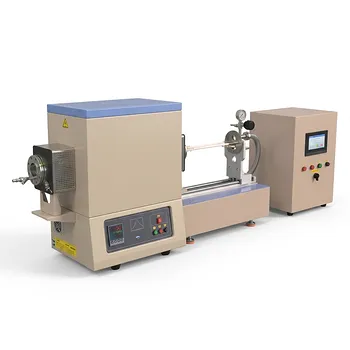
High Temperature Horizontal Electrical Assisted Sintering Furnace with 3KW Programmable Power Source for Advanced Ceramic Materials
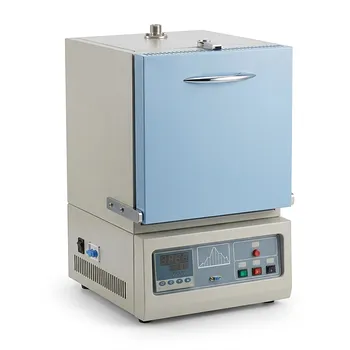
1750C Compact Muffle Furnace 1.7L Ultra High Temperature Laboratory Sintering System for Advanced Ceramics and Material Science Research
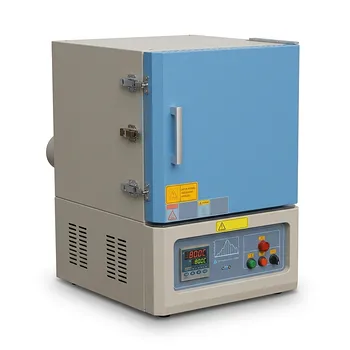
1800C Bench Top Muffle Furnace 18 Liters with Kanthal Super 1900 Heating Elements for High Purity Ceramic Sintering and Material Research
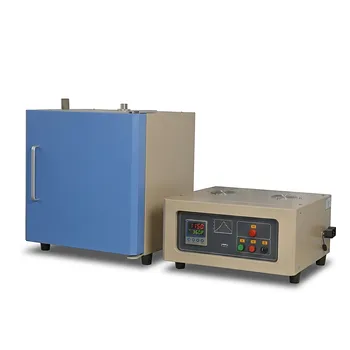
High Temperature Muffle Furnace with Alloy Chamber for Debinding and Sintering Applications
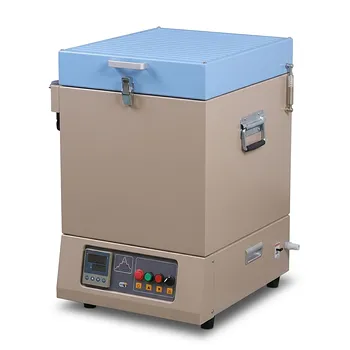
High Temperature Vertical Crucible Furnace with 22L Heating Chamber and 1200C Maximum Temperature
