How does sintering furnace accuracy affect copper-graphene composites? Master Microstructure & Performance
Updated 6 months ago
The precision of a high-temperature sintering furnace is the defining factor in the microstructural integrity and mechanical performance of copper-graphene composites. This accuracy dictates the delicate balance between promoting sufficient atomic diffusion for densification and preventing catastrophic structural failures like matrix melting or graphene delamination. In a narrow thermal window—often as tight as 25°C—the furnace must maintain stability to ensure the graphene reinforcement remains effectively bonded to the copper matrix.
Core Takeaway: Temperature control accuracy ensures the composite achieves maximum density through optimized atomic diffusion while preventing the over-sintering effects that cause graphene displacement and matrix degradation.
Balancing Atomic Diffusion and Structural Stability
Optimizing the Sintering Window
For copper-graphene composites, the transition from 1025°C to 1050°C represents a critical threshold where sintering quality significantly improves. Within this narrow range, copper atoms gain enough thermal energy to diffuse across particle boundaries, eliminating internal voids.
Preventing Matrix Liquefaction
Because these temperatures approach the melting point of copper (1085°C), any overshoot in temperature control can lead to localized melting. This liquefaction disrupts the solid-state sintering process and can cause the composite to lose its intended shape or internal consistency.
Maintaining Graphene Attachment
High-precision control is essential to prevent graphene delamination. Excessive heat weakens the interfacial bonding between the carbon layers and the metal, causing the reinforcement to peel away or migrate, which nullifies the composite's enhanced mechanical properties.
Managing Grain Growth and Distribution
Controlling Grain Boundary Evolution
Stable isothermal environments facilitate uniform microstructure evolution by managing how copper grains grow. Precise temperature maintenance ensures that grains develop predictably, preventing the "abnormal grain growth" that occurs when temperatures fluctuate too high.
Utilizing the Pinning Effect
At optimal temperatures, graphene particles act as anchors at the grain boundaries, a phenomenon known as the Zener effect. Accurate temperature control keeps the copper matrix in a state where these particles can effectively "pin" the boundaries, preventing the grains from coarsening and maintaining a fine-grained, high-strength structure.
Ensuring Uniform Reinforcement Distribution
If the furnace temperature is inconsistent or too high, reinforcements tend to agglomerate or cluster. Maintaining a precise, stable temperature ensures that the graphene remains evenly dispersed throughout the matrix, which is vital for consistent electrical and thermal conductivity.
Atmospheric Integrity and Oxidation Prevention
Protecting the Copper Matrix
Copper is highly susceptible to oxidation at elevated temperatures, which can ruin the interface between the metal and the graphene. High-temperature furnaces must synchronize precise thermal control with a stable vacuum or Argon-protected atmosphere to prevent oxygen from degrading the material.
Managing Thermal Stress
The accuracy of heating and cooling rates (such as 4°C/min) is critical for preventing micro-cracks. Gradual, precise temperature shifts allow the copper and graphene—which have different thermal expansion coefficients—to adjust without creating internal stresses that lead to structural failure.
Understanding the Trade-offs of Thermal Precision
The Risk of Under-Sintering
Setting a furnace to a lower, "safer" temperature to avoid melting often results in residual porosity. If the temperature remains too low (e.g., significantly below 1025°C), the atoms lack the diffusion energy required to close gaps between particles, leading to a brittle and less conductive material.
The Consequences of Over-Sintering
Conversely, exceeding the target temperature even slightly can lead to a reduction in grain boundaries. While this might seem beneficial for some properties, in composites, it often leads to the rejection of the reinforcement phase from the matrix, causing the graphene to "float" or cluster, which fundamentally weakens the material.
How to Apply This to Your Sintering Process
High-temperature sintering requires a tailored approach based on whether your priority is absolute density or the preservation of the reinforcement's structural orientation.
- If your primary focus is Maximum Densification: Aim for the upper limit of the stable range (1050°C) but ensure your furnace has a verified deviation of less than ±2°C to avoid melting.
- If your primary focus is Fine Grain Retention: Utilize a slightly lower temperature (1025°C) and focus on extended holding times to allow for diffusion without triggering grain coarsening.
- If your primary focus is Preventing Oxidation: Prioritize a furnace with integrated atmosphere control (Argon or Vacuum) that can maintain its set point while gas flow is active.
The mastery of the thermal environment is the only path to transforming a simple powder mixture into a high-performance copper-graphene composite.
Summary Table:
| Parameter | High Accuracy Impact | Low Accuracy Risk |
|---|---|---|
| Densification | Optimized atomic diffusion; max density | Residual porosity & brittle structure |
| Microstructure | Fine grain retention via Zener pinning | Abnormal grain growth/coarsening |
| Reinforcement | Uniform graphene distribution | Graphene delamination & clustering |
| Matrix Integrity | Prevents melting; stable bonding | Localized liquefaction & degradation |
Achieve Thermal Precision with THERMUNITS
Unlock the full potential of your material science research with THERMUNITS. As a leading manufacturer of high-temperature laboratory equipment, we provide the extreme thermal precision necessary for advanced copper-graphene composite sintering.
Our comprehensive range of thermal processing solutions—including Vacuum, Atmosphere, Tube, Rotary, and Hot Press furnaces, as well as CVD/PECVD systems and Vacuum Induction Melting (VIM)—is designed to help industrial R&D teams achieve maximum densification without structural compromise.
Why choose THERMUNITS?
- Precision Control: Maintain narrow thermal windows to prevent matrix melting.
- Atmospheric Integrity: Protect your composites from oxidation with advanced vacuum and argon systems.
- Expert Engineering: Specialized equipment for dental, material science, and industrial heat treatment.
Ready to elevate your lab's efficiency and material performance?
Contact our technical experts today to find the perfect furnace for your application.
References
- Changjie Huang, Jinhua Sun. Binder assisted graphene derivatives as lubricants in copper: Improved tribological performance for industrial application. DOI: 10.1016/j.isci.2024.109429
Mentioned Products
- High Temperature Horizontal Electrical Assisted Sintering Furnace with 3KW Programmable Power Source for Advanced Ceramic Materials
- High Temperature 1000C Vacuum Furnace with 8 Inch ID Chamber for Material Sintering and Research Annealing
- High Temperature 1700C Vertical Tube Furnace for Powder Spherification and Material Sintering
- High Temperature Muffle Furnace with Alloy Chamber for Debinding and Sintering Applications
- Ultra High Temperature Bench Top Muffle Furnace 1750C Sintering System with Kanthal Super Heating Elements and Precision Digital Control
People Also Ask
- How does the temperature control precision of a high-temperature sintering furnace affect Na1+xLa1-xZr2O6-δ ceramics?
- How does a high-temperature sintering furnace environment enhance NdFeB magnets? Achieve 98%+ density with precision.
- Why is a high-temperature sintering furnace required for the preparation of Li(Nb,Ta)O3 precursors? Essential Insights
- How does a high-temperature sintering furnace contribute to the interfacial strengthening of SS316L and zirconia?
- What role does a sintering furnace play with silver paste? Essential Thermal Management for Power Device Packaging

Tech Team · ThermUnits
Last updated on Apr 14, 2026
Related Products
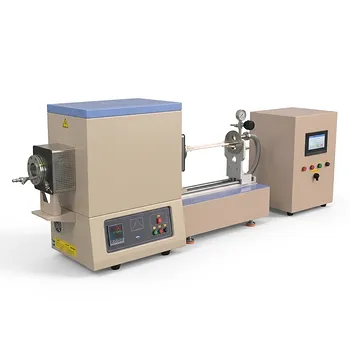
High Temperature Horizontal Electrical Assisted Sintering Furnace with 3KW Programmable Power Source for Advanced Ceramic Materials
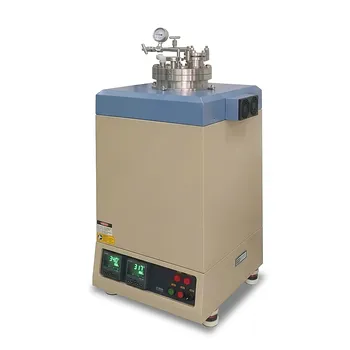
High Temperature 1000C Vacuum Furnace with 8 Inch ID Chamber for Material Sintering and Research Annealing
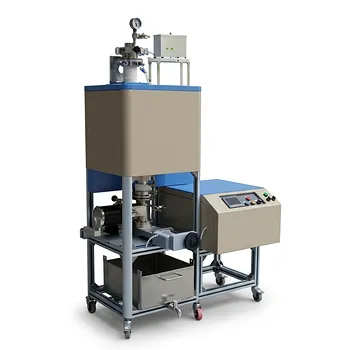
High Temperature 1700C Vertical Tube Furnace for Powder Spherification and Material Sintering
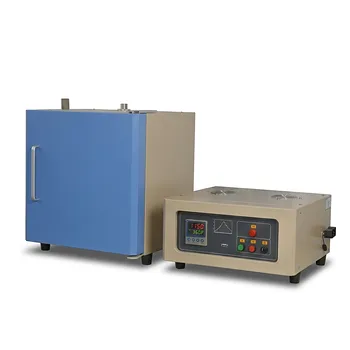
High Temperature Muffle Furnace with Alloy Chamber for Debinding and Sintering Applications
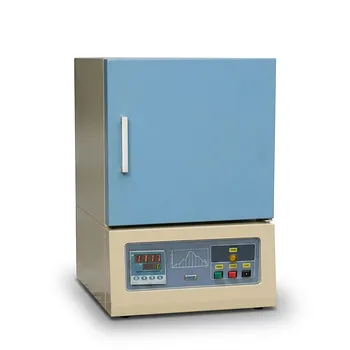
Ultra High Temperature Bench Top Muffle Furnace 1750C Sintering System with Kanthal Super Heating Elements and Precision Digital Control
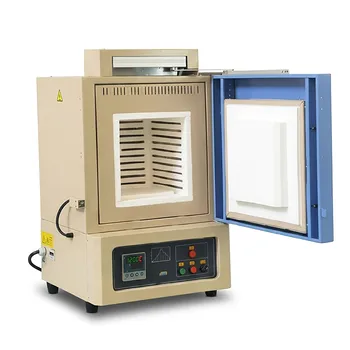
1200C High Temperature Muffle Furnace with Motorized Door and Automated PC Control for Industrial Sintering and Material Processing 27 Liter
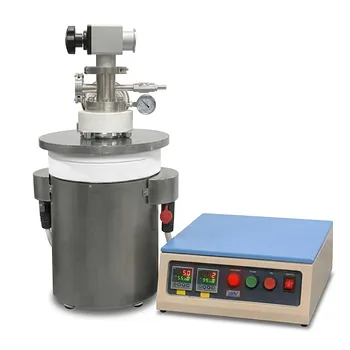
1100C High Temperature Vacuum Crucible Furnace with Quartz Chamber for Thermal Processing and Sintering
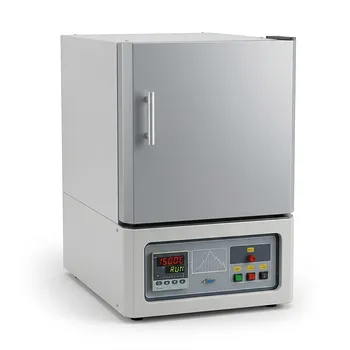
High Temperature 1500C Benchtop Muffle Furnace 3.6L Alumina Fiber Chamber Programmable Controller Sintering Annealing Carbonization Thermal Processing System
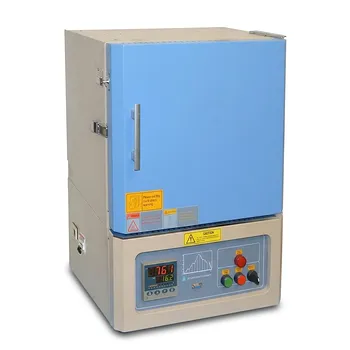
High Temperature 1700C Bench Top Muffle Furnace with Alumina Fiber Insulation and 3.6L Chamber Capacity for Precision Sintering and Heat Treatment
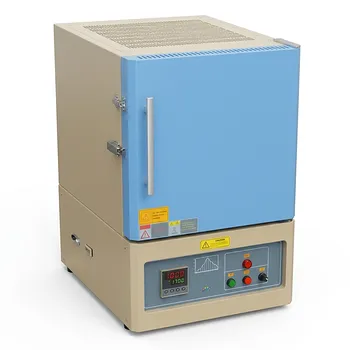
Large Bench Top 1700C High Temperature Muffle Furnace with 19L Chamber for Advanced Material Sintering and Annealing
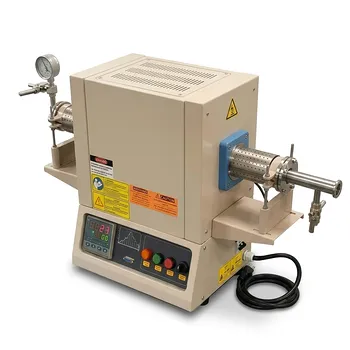
Compact High Temperature 1600C Tube Furnace with 50mm Alumina Tube and Vacuum Flanges for Material Sintering
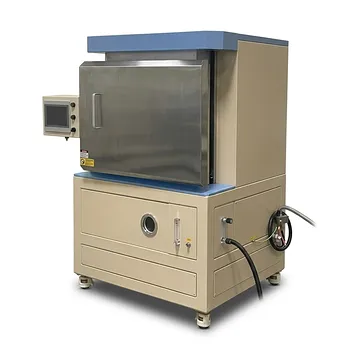
1650C High Temperature Atmosphere Controlled Box Furnace with 65L Chamber for Advanced Material Sintering and Industrial Heat Treatment
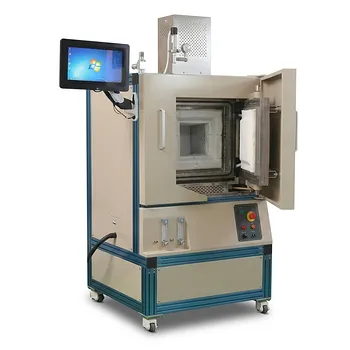
High Temperature Oxygen and Inert Atmosphere Controlled Furnace 8 Liter 1700C Sintering System for Advanced Materials RD
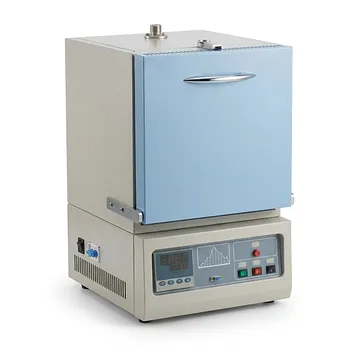
1750C Compact Muffle Furnace 1.7L Ultra High Temperature Laboratory Sintering System for Advanced Ceramics and Material Science Research
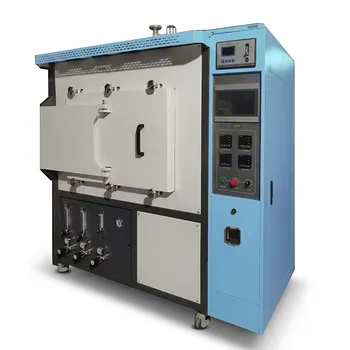
Roller Table Atmosphere Furnace 1500C High Temperature Battery Material Sintering System 112L Capacity
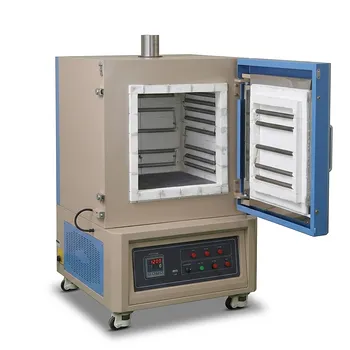
1200C High Temperature 125L Muffle Furnace 5 Side Heating for Large Batch Sintering with Optional Alloy Debinding Chamber
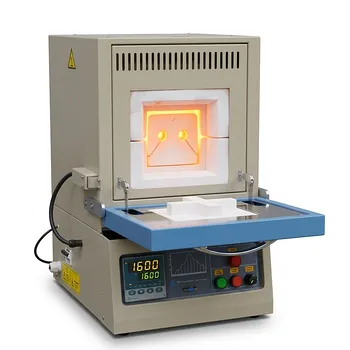
High Temperature Compact Muffle Furnace 1700 C with 30 Segment Programmable Controller and 1.7L Cubic Chamber
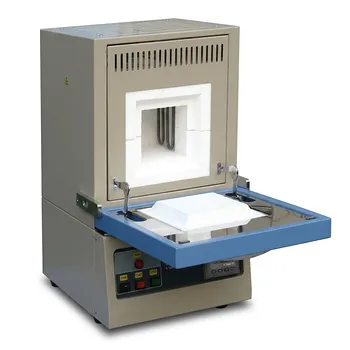
High Temperature 1800C Compact Muffle Furnace with Kanthal Super 1900 Heating Elements and 1.7L Alumina Chamber
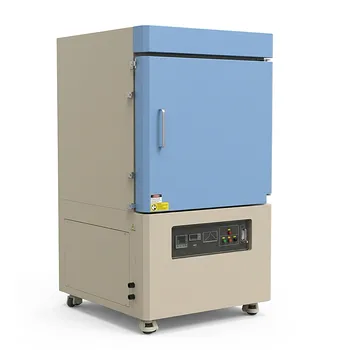
Industrial Large Box Furnace 1700C 216L High Temp Muffle Sintering System