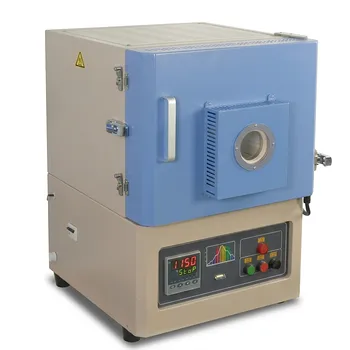
What role does a High-Temperature Muffle Furnace play in NiMoO4 synthesis? Achieve Precise Thermal Precursor Conversion
Updated 5 months ago
The High-Temperature Muffle Furnace is the essential instrument for the thermal conversion of precursor gels into reactive metal oxides. In the synthesis of $Ni_2Mo_3N$ via the modified Pechini sol-gel method, the furnace performs an overnight calcination at 450 °C to decompose organic components and volatilize impurities. This process successfully transforms metal salts into a green powder-form $NiMoO_4$ oxide, which possesses the specific reaction activity required for subsequent nitridation.
The muffle furnace provides a stable, controlled thermal field that facilitates the transition from an amorphous organic-metal gel to a crystalline $NiMoO_4$ precursor. By ensuring the complete removal of the carbonaceous matrix, the furnace establishes the necessary chemical purity and structural foundation for the final synthesis of nickel molybdenum nitride.
The Role of Thermal Decomposition and Organic Removal
Eliminating the Carbonaceous Matrix
In the Pechini sol-gel process, metal ions are trapped within a polymer resin or gel formed by organic agents. The muffle furnace provides the sustained thermal energy required to break these organic bonds, allowing the volatilization of carbon, hydrogen, and oxygen components.
Converting Metal Salts to Active Oxides
As the organic matrix is removed, the furnace facilitates the chemical reaction between nickel and molybdenum species. Under the stable 450 °C environment, these species react to form $NiMoO_4$ oxide, a critical intermediate phase that dictates the properties of the final nitride.
Achieving Structural Precision through Thermal Control
The Importance of Isothermal Stability
A muffle furnace maintains a highly uniform temperature distribution, which is vital for preventing "hot spots" during calcination. This isothermal stability ensures that the entire batch of precursor reaches the target phase simultaneously, resulting in a homogeneous green powder.
Facilitating Specific Reaction Activity
The precise temperature of 450 °C is high enough to drive crystallization but low enough to maintain specific reaction activity. This controlled energy input ensures the $NiMoO_4$ particles have the correct surface characteristics and crystal structure to be effectively converted into $Ni_2Mo_3N$ during later stages of processing.
Understanding the Trade-offs and Pitfalls
The Risk of Particle Sintering
While high temperatures are necessary for oxide formation, excessive heat can lead to sintering, where particles fuse together. This reduces the specific surface area and can hinder the efficiency of the subsequent nitridation process, potentially leading to lower catalytic performance.
Incomplete Decomposition at Low Temperatures
If the furnace fails to maintain the required temperature or duration, residual organic components may remain in the precursor. These impurities can act as site blockers or cause unwanted carbon contamination in the final $Ni_2Mo_3N$ crystal lattice, compromising the material's purity.
How to Optimize the Calcination Phase
To ensure the highest quality $NiMoO_4$ precursor for your synthesis, consider these recommendations based on your specific project goals:
- If your primary focus is Phase Purity: Ensure the furnace is calibrated for an overnight soak at 450 °C to allow complete volatilization of all organic precursors.
- If your primary focus is High Surface Area: Monitor and control the heating rate strictly (e.g., using a ramp of 5-10 °C/min) to prevent rapid gas evolution from damaging the pore structure.
- If your primary focus is Scalability: Utilize a furnace with high thermal mass and precise isothermal control to ensure batch-to-batch consistency in the green $NiMoO_4$ powder.
Through precise thermal management, the muffle furnace bridges the gap between liquid chemistry and solid-state materials science.
Summary Table:
| Process Phase | Furnace Function | Scientific Outcome |
|---|---|---|
| Organic Removal | Thermal decomposition of Pechini gel | Elimination of carbonaceous matrix/impurities |
| Oxide Formation | Stable 450°C isothermal environment | Conversion of metal salts into green NiMoO4 powder |
| Phase Control | High thermal mass stability | Homogeneous crystalline structure & phase purity |
| Surface Engineering | Controlled heating rate (5-10°C/min) | Prevention of sintering; high specific reaction activity |
Elevate Your Material Research with THERMUNITS
Precision is non-negotiable when synthesizing advanced catalysts like $Ni_2Mo_3N$. THERMUNITS is a leading manufacturer of high-temperature laboratory equipment designed specifically for material science and industrial R&D. We offer a comprehensive suite of thermal processing solutions to ensure your precursors achieve the exact chemical purity and structural foundation required.
Our product range includes:
- Precision Furnaces: Muffle, Vacuum, Atmosphere, Tube, Rotary, and Hot Press furnaces.
- Advanced Systems: CVD/PECVD systems, Dental Furnaces, and Electric Rotary Kilns.
- Specialized Equipment: Vacuum Induction Melting (VIM) furnaces, Thermal Elements, and custom heat treatment solutions.
Whether you need isothermal stability for calcination or controlled atmospheres for nitridation, THERMUNITS provides the reliability your lab demands. Contact us today to discuss your specific heat treatment requirements and let us help you optimize your synthesis process!
References
- Sophie Hund, Martin Lerch. Ni<sub>2</sub>Mo<sub>3</sub>N: crystal structure, thermal properties, and catalytic activity for ammonia decomposition. DOI: 10.1515/znb-2023-0071
Mentioned Products
- 1200C High Temperature Muffle Furnace with Motorized Door and Automated PC Control for Industrial Sintering and Material Processing 27 Liter
- High Temperature 1700C Bench Top Muffle Furnace with Alumina Fiber Insulation and 3.6L Chamber Capacity for Precision Sintering and Heat Treatment
- High Temperature 1500C Benchtop Muffle Furnace 3.6L Alumina Fiber Chamber Programmable Controller Sintering Annealing Carbonization Thermal Processing System
- 1200°C High Temperature Muffle Furnace 19L Chamber with 50 Segment Programmable Controller
- Large Bench Top 1700C High Temperature Muffle Furnace with 19L Chamber for Advanced Material Sintering and Annealing
People Also Ask
- What is the role of a High-Temperature Muffle Furnace in the synthesis of bulk graphitic carbon nitride (CN)? Expert Guide
- What safety features are standard in high-temperature muffle furnaces? Essential Guide to Laboratory Equipment Safety
- What is the purpose of preheating charcoal in a high-temperature muffle furnace? Ensure Accuracy in Zinc Reduction.
- What is the role of a high-temperature muffle furnace or tube furnace in the preparation of Na2WO4/SiO2 catalysts?
- What role does a high-temperature muffle furnace play in ash content analysis? Ensure Purity & Adsorption Efficiency

Tech Team · ThermUnits
Last updated on Apr 14, 2026
Related Products
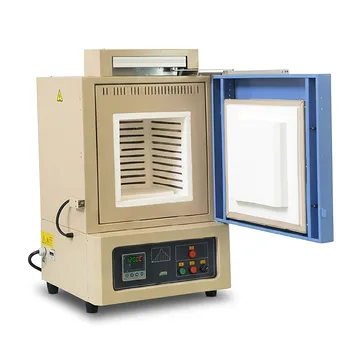
1200C High Temperature Muffle Furnace with Motorized Door and Automated PC Control for Industrial Sintering and Material Processing 27 Liter
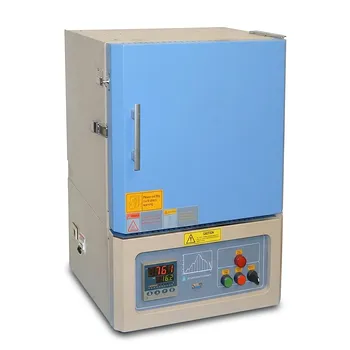
High Temperature 1700C Bench Top Muffle Furnace with Alumina Fiber Insulation and 3.6L Chamber Capacity for Precision Sintering and Heat Treatment
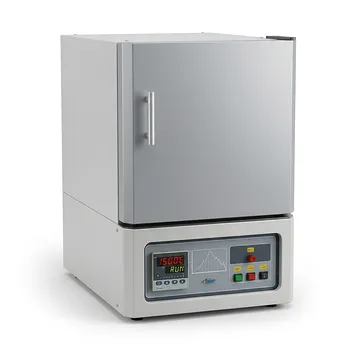
High Temperature 1500C Benchtop Muffle Furnace 3.6L Alumina Fiber Chamber Programmable Controller Sintering Annealing Carbonization Thermal Processing System
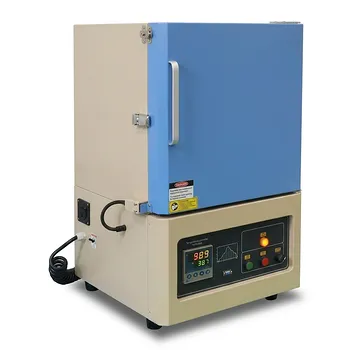
1200°C High Temperature Muffle Furnace 19L Chamber with 50 Segment Programmable Controller
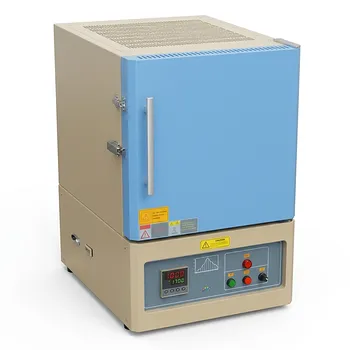
Large Bench Top 1700C High Temperature Muffle Furnace with 19L Chamber for Advanced Material Sintering and Annealing
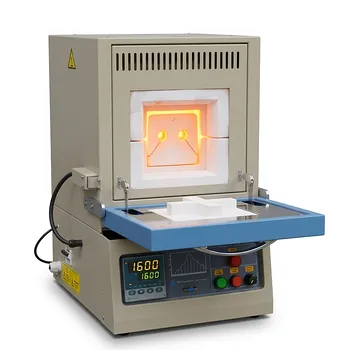
High Temperature Compact Muffle Furnace 1700 C with 30 Segment Programmable Controller and 1.7L Cubic Chamber
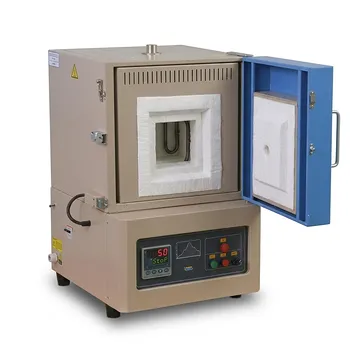
1800°C Bench Top Ultra High Temperature Muffle Furnace with Sapphire Observation Window and Top Feeding Port for Materials Research and Thermal Processing
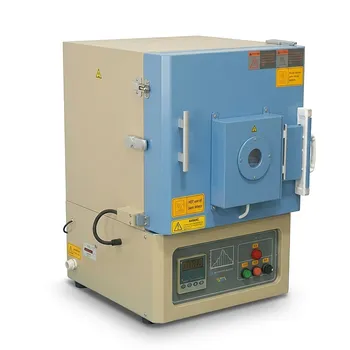
High Temperature Benchtop Muffle Furnace 1500C with 3.6L Chamber and Quartz Observation Window
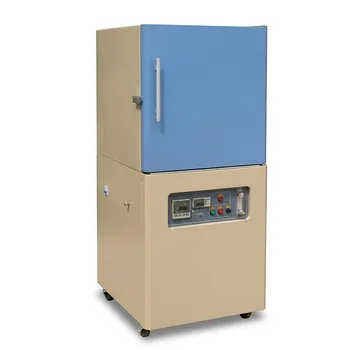
High Temperature Muffle Furnace with Dual Controllers and 36L Large Chamber 1700C Max
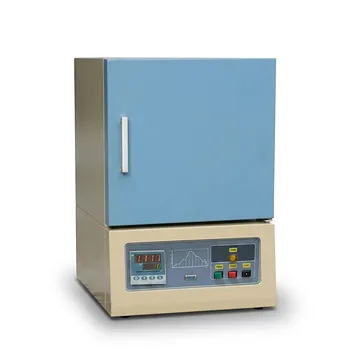
Ultra High Temperature Bench Top Muffle Furnace 1750C Sintering System with Kanthal Super Heating Elements and Precision Digital Control
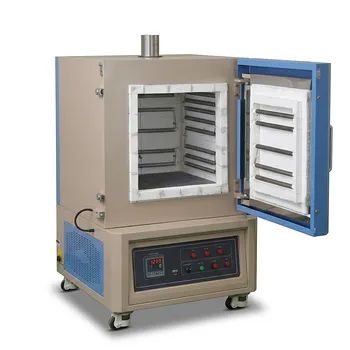
1200C High Temperature 125L Muffle Furnace 5 Side Heating for Large Batch Sintering with Optional Alloy Debinding Chamber
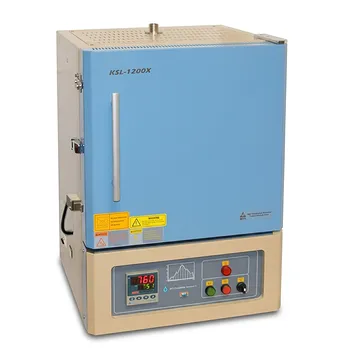
High Temperature 1200C Muffle Furnace 27L Volume 12x12x12 Chamber with Programmable PID Controller for Laboratory Material Science
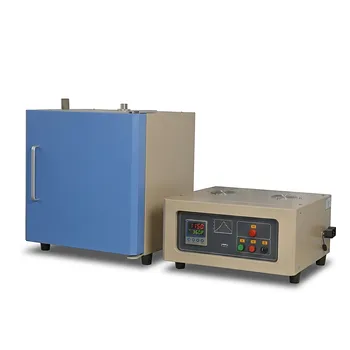
High Temperature Muffle Furnace with Alloy Chamber for Debinding and Sintering Applications
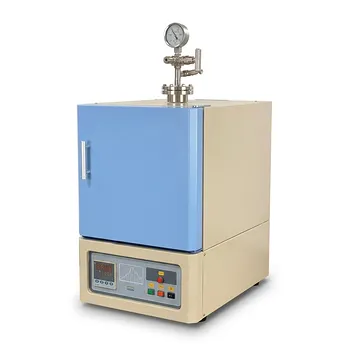
Hybrid High Temperature Muffle and Tube Furnace with 1500C Capability and Vacuum Flange Assembly
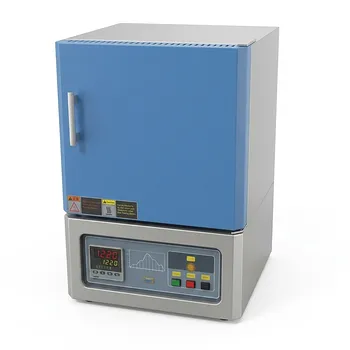
High Temperature Benchtop Muffle Furnace 1700C 10L Chamber Alumina Fiber Insulation MoSi2 Heating Elements
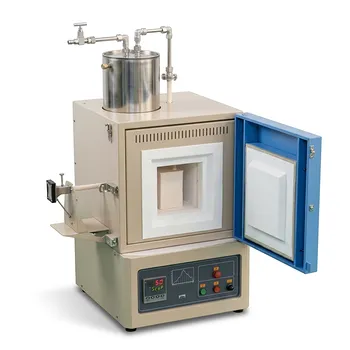
High Temperature Bench Top Muffle Furnace 1700C with Integrated Evaporating Particle Collection and 8x8x8 Alumina Fiber Chamber
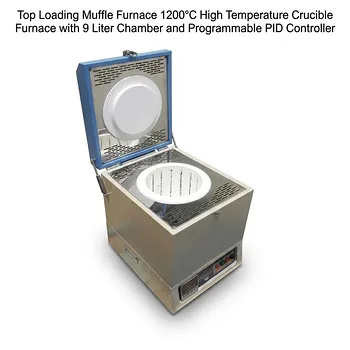
Top Loading Muffle Furnace 1200°C High Temperature Crucible Furnace with 9 Liter Chamber and Programmable PID Controller
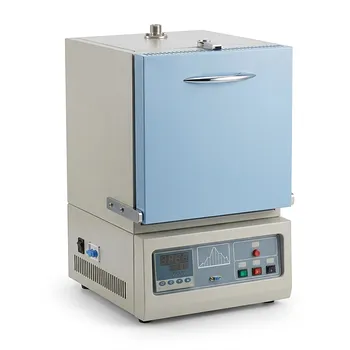
1750C Compact Muffle Furnace 1.7L Ultra High Temperature Laboratory Sintering System for Advanced Ceramics and Material Science Research
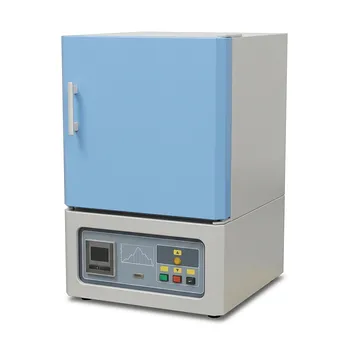
1800C Bench Top Muffle Furnace with Kanthal Super 1900 Heating Elements and 3.6L Alumina Fiber Chamber