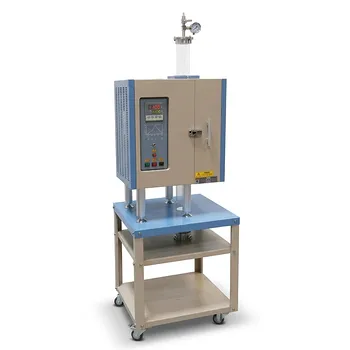
What role does a horizontal tube furnace play in the one-step oxidative pyrolysis of seaweed-based porous carbon?
Updated 3 months ago
The horizontal tube furnace acts as the primary reactor for the one-step oxidative pyrolysis of seaweed-based porous carbon. It provides the strictly controlled thermal environment and inert atmosphere necessary to transform raw biomass into a structured carbon framework without allowing the material to combust.
Core Takeaway: A horizontal tube furnace is essential for regulating the delicate balance between thermal decomposition and structural formation, ensuring that seaweed precursors achieve the desired carbonization depth, graphitization, and pore distribution in a zero-oxygen environment.
The Foundation of Controlled Thermochemical Conversion
Maintaining the Inert Environment
The furnace’s airtight design and sealed flanges allow for the continuous introduction of high-purity nitrogen or argon. This displaces oxygen, creating an anaerobic environment that prevents the seaweed biomass from burning (combustion) and instead forces it to undergo pyrolysis.
Regulating Heating Rates and Temperature
Precise temperature control systems allow researchers to set specific heating rates, such as 10 °C/min, and maintain steady temperatures typically ranging from 350 °C to 1000 °C. This stability is vital for ensuring that the thermochemical conversion of organic matter is consistent throughout the entire sample.
Driving Structural and Chemical Evolution
Facilitating Carbonization and Graphitization
By providing a stable high-temperature environment, the furnace drives the carbonization of seaweed-residue precursors into a graphitized carbon framework. This process is critical for developing the material's electrical conductivity and overall structural integrity, turning soft biomass into a robust carbon matrix.
Managing Volatile Discharge and Pore Development
As the temperature rises, the furnace facilitates the breaking of molecular chains and the discharge of volatile components. This controlled release, occurring under stable thermal conditions, is what dictates the final pore distribution and surface area of the resulting porous carbon.
Enabling Catalytic Transformations
In "one-step" processes involving catalysts like iron salts, the furnace provides the heat necessary to convert these additives into metallic iron or iron carbide nanocrystals. These nanocrystals embed within the carbon framework, significantly enhancing the material’s electrocatalytic activity.
Understanding the Trade-offs and Limitations
Thermal Gradients and Sample Volume
Horizontal tube furnaces can sometimes experience thermal gradients, where the temperature at the center of the tube differs slightly from the ends. This requires careful sample placement and limited batch sizes to ensure the seaweed-based carbon is processed uniformly.
Atmosphere Integrity Challenges
The success of the pyrolysis depends entirely on the integrity of the seals and the purity of the inert gas. Any minor leak introducing oxygen can lead to partial combustion, which destroys the delicate pore structure and reduces the final carbon yield.
How to Apply This to Your Project
When utilizing a horizontal tube furnace for seaweed-based carbon production, your settings should align with your specific material requirements.
- If your primary focus is high surface area: Use a slower heating rate and a moderate temperature (500–700 °C) to allow for gradual volatile release and the development of a fine pore structure.
- If your primary focus is electrical conductivity: Prioritize higher temperatures (800–1000 °C) to maximize the degree of graphitization and the conversion of catalytic precursors into conductive nanocrystals.
- If your primary focus is structural stability: Ensure a long "soak time" or sintering duration at a constant temperature to allow the carbon framework to fully reorganize into a stable matrix.
By masterfully controlling the furnace's thermal and atmospheric variables, you can precisely engineer the electrochemical and physical properties of seaweed-derived carbon.
Summary Table:
| Function | Key Process | Desired Outcome |
|---|---|---|
| Atmosphere Control | Inert gas (N2/Ar) flow | Prevents combustion; enables anaerobic pyrolysis |
| Thermal Regulation | Precise heating rates | Consistent thermochemical conversion of biomass |
| Carbonization | High-temp soak (up to 1000°C) | Formation of a robust, conductive carbon matrix |
| Pore Development | Controlled volatile discharge | Optimized surface area and specific pore distribution |
| Catalytic Support | Metal precursor reduction | Enhanced electrocatalytic activity via nanocrystals |
Optimize Your Carbon Synthesis with THERMUNITS Precision
Achieving the perfect pore structure and graphitization in seaweed-based materials requires world-class thermal control. THERMUNITS is a leading manufacturer of high-temperature laboratory equipment specifically designed for material science and industrial R&D. We offer a comprehensive range of solutions to meet your most demanding pyrolysis and heat treatment needs.
Our product lineup includes high-performance Tube Furnaces, Vacuum and Atmosphere Furnaces, Muffle Furnaces, and specialized CVD/PECVD systems. For larger-scale or specialized processes, we provide Rotary Kilns, Hot Press Furnaces, and Vacuum Induction Melting (VIM) systems, ensuring your research transitions seamlessly from lab to pilot scale.
Ready to enhance your lab's efficiency and material quality? Contact our technical experts today to find the ideal thermal solution for your project!
References
- Huijuan Ying, Ning Ai. Turn Waste Golden Tide into Treasure: Bio-Adsorbent Synthesis for CO2 Capture with K2FeO4 as Catalytic Oxidative Activator. DOI: 10.3390/molecules29061345
Mentioned Products
- Multi Position Tube Furnace 1100C for Laboratory Material Research and Advanced Industrial Thermal Processing
- Vertical Openable Tube Furnace 0-1700c High Temperature Laboratory System for CVD and Vacuum Heat Treatment
- High Temperature Vertical Tube Furnace for Small Solid Oxide Fuel Cell Testing with Four Channel Gas Control
- Vertical Hybrid High Temperature Furnace 1500C Alumina Tube SOFC Fuel Cell Testing Laboratory Heat Treatment Research Equipment
- High Temperature 1700C Vertical Tube Furnace for Powder Spherification and Material Sintering
People Also Ask
- Why use a tube furnace for oxygen annealing LaCrO3/LaMnO3? Optimize Phase Transition & Magnetic Performance.
- What key role does a laboratory high-temperature tube furnace play in the production of carbon nanofibers? Guide
- How is a laboratory high-temperature tube furnace utilized to research the products of aluminothermic reduction? Advanced Metallurgical Solutions
- What is the role of a laboratory tube furnace in the carbonization process of porous carbon foam (PCF)? Master 3D Synthesis
- What role does a laboratory tube furnace play in the pyrolysis and carbonization of biomass? Optimize Thermal Research.

Tech Team · ThermUnits
Last updated on Jun 02, 2026
Related Products
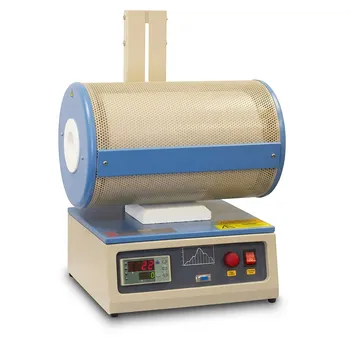
Multi Position Tube Furnace 1100C for Laboratory Material Research and Advanced Industrial Thermal Processing
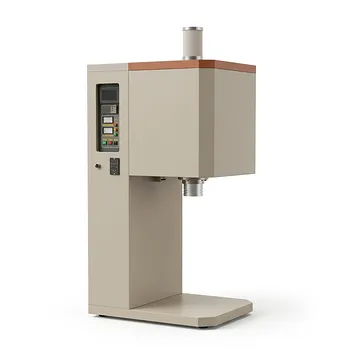
Vertical Openable Tube Furnace 0-1700c High Temperature Laboratory System for CVD and Vacuum Heat Treatment
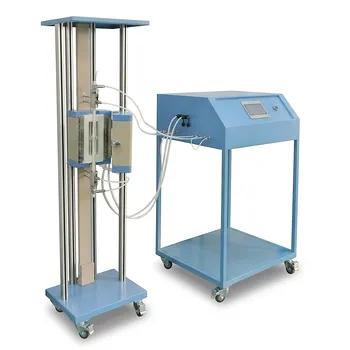
High Temperature Vertical Tube Furnace for Small Solid Oxide Fuel Cell Testing with Four Channel Gas Control
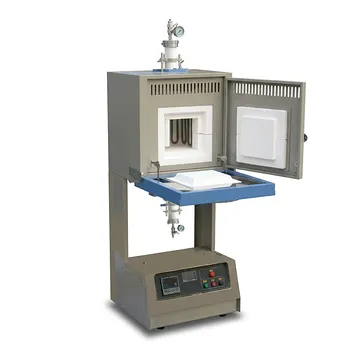
Vertical Hybrid High Temperature Furnace 1500C Alumina Tube SOFC Fuel Cell Testing Laboratory Heat Treatment Research Equipment

High Temperature 1700C Vertical Tube Furnace for Powder Spherification and Material Sintering
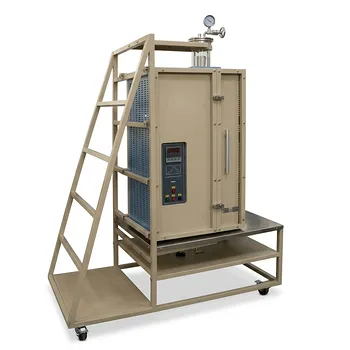
Split Vertical Tube Furnace with 1200C Quartz Tube and Stainless Steel Vacuum Flanges for Rapid Thermal Processing
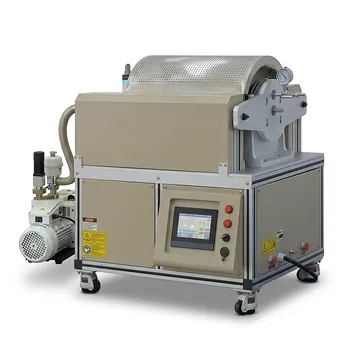
Automated 1200 C Tube Furnace for AI Material Research with 6 Inch OD and Sliding Flange
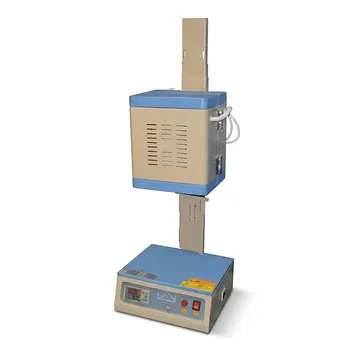
High Temperature Vertical Split Tube Furnace with PID Temperature Controller for 1 and 2 Inch Processing Tubes
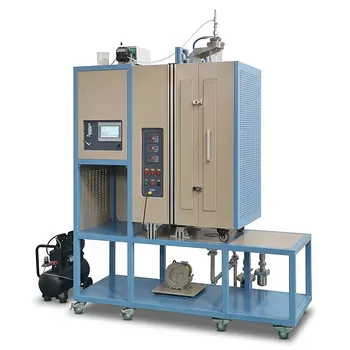
1500C Three Zone Vertical Pyrolysis Furnace for Nanoparticle Synthesis and Advanced Oxide Coating
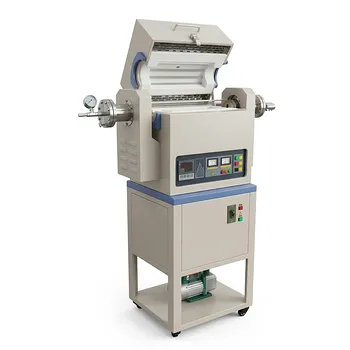
High Temperature Rotary Tilt Tubular Furnaces for Advanced Powder Sintering and Material Processing

Compact Vertical Split Quartz Tube Furnace with Stainless Steel Vacuum Flanges for Rapid Thermal Quenching and Controlled Atmosphere Material Processing

Compact High Temperature 1600C Tube Furnace with 50mm Alumina Tube and Vacuum Flanges for Material Sintering
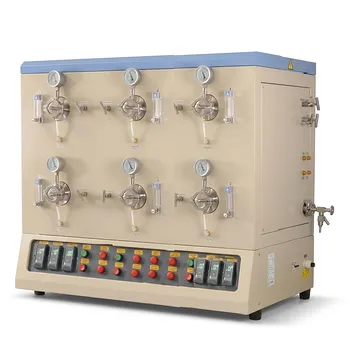
1200C High Throughput Multi Channel Tube Furnace with 50mm Quartz Tubes for Annealing and Material Phase Diagram Research
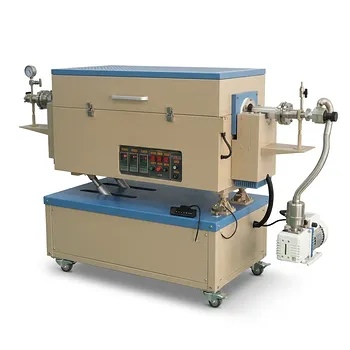
Three Zone Rotary Tube Furnace for High Temperature Powder Processing and Material Research

Vertical 1700C Vacuum and Atmosphere Tube Furnace with 80mm Alumina Tube
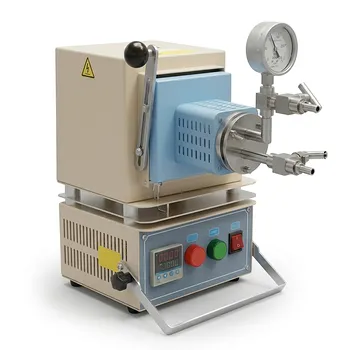
Compact Hybrid Muffle and Tube Furnace for 1000C Controlled Atmosphere Laboratory Material Sintering
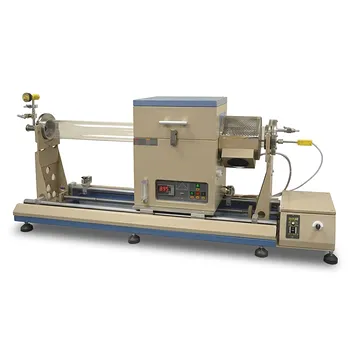
900 ºC Max Sliding RTP Tube Furnace with Rapid IR Heating and 4 Inch OD Quartz Tube
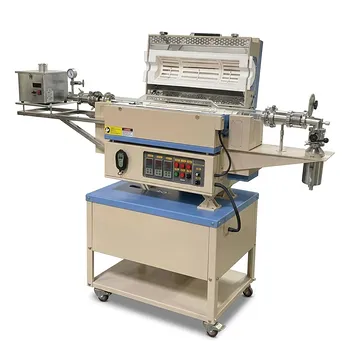
5 Inch Rotary Tube Furnace with Automatic Feeding and Receiving System 1200C Three Zone CVD Powder Processing
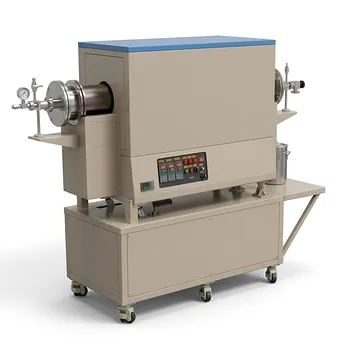
900°C Max Rotary Tube Furnace with 8 Inch 310S Alloy Tube and Optional Multi Zone Heating for Industrial Material Calcination