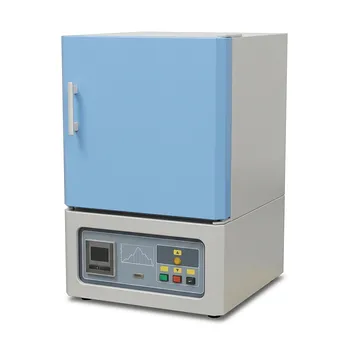
What role does a laboratory muffle furnace play in KOH activation? Optimize Carbon Porosity and Adsorption Performance
Updated 3 months ago
A precision thermal environment is the primary role of a laboratory high-temperature muffle furnace in the KOH activation of epoxy resin-derived carbon. It provides the stable 800 °C atmosphere required to trigger a chemical etching reaction between the potassium hydroxide (KOH) and the carbon skeleton. This process is essential for transforming a solid carbon matrix into a highly porous material with specific adsorption capabilities.
The muffle furnace acts as the reactor vessel that facilitates the chemical etching of the carbon skeleton by KOH. By maintaining precise temperature control, it dictates the final pore size distribution and the overall effectiveness of the resulting activated carbon.
Facilitating the Chemical Etching Reaction
Maintaining the 800°C Activation Threshold
The muffle furnace provides a stable 800 °C thermal environment that is necessary for the KOH activation process. At this temperature, the KOH reacts chemically with the carbonized epoxy resin, effectively "stripping" atoms from the carbon matrix. This constant heat ensures that the reaction remains uniform throughout the material.
Promoting KOH-Carbon Interaction
The furnace enables the chemical etching reaction between the activator and the carbon skeleton. This interaction is not merely heating; it is a controlled degradation that carves out the internal structure of the carbon. Without the sustained high temperature of the muffle furnace, the KOH would remain inactive, and no porosity would develop.
Orchestrating Pore Development and Morphology
Formation of Microporous and Mesoporous Architectures
The thermal energy provided by the furnace facilitates the creation of microporous and mesoporous structures. These tiny voids are what give activated carbon its high surface area. The furnace allows the carbonized epoxy resin to transition from a dense solid to a complex, porous network.
Influence of Temperature Precision on Adsorption
The temperature control precision of the furnace is a critical factor in determining the final product's quality. Even minor fluctuations can shift the pore size distribution, directly impacting the material’s adsorption performance. Precise control ensures that the resulting carbon meets specific technical requirements for filtering or storage.
Providing a Controlled Atmospheric Environment
Oxygen Limitation and Pyrolysis
Muffle furnaces are designed to provide a controlled oxygen-limited environment. This is vital for the pyrolysis of the epoxy resin, ensuring the material carbonizes rather than simply burning away. By restricting oxygen, the furnace allows volatile components to escape while preserving the solid carbon matrix.
Driving Complete Carbonization
The furnace ensures the thermal decomposition of the synthetic resin into fixed carbon. This establishes the amorphous carbon structure required for the activation step. High-temperature treatment eliminates organic residues and increases the thermal stability of the final activated carbon.
Understanding the Trade-offs
The Risk of Over-Etching
If the furnace temperature exceeds the target or the dwell time is too long, over-etching can occur. This leads to the collapse of the pore walls, reducing the specific surface area and weakening the structural integrity of the carbon.
Energy Consumption vs. Material Quality
Achieving 800 °C requires significant energy and specialized equipment capable of handling corrosive chemical environments. While higher temperatures can increase porosity, they also accelerate the wear on the furnace's heating elements and refractory lining due to KOH vapors.
How to Apply This to Your Project
Recommendations for Material Synthesis
- If your primary focus is maximum surface area: Ensure the muffle furnace is calibrated to maintain a strict 800 °C with minimal deviation to optimize the KOH etching rate.
- If your primary focus is pore size specificity: Use a furnace with programmable heating rates to control the initial pyrolysis of the epoxy resin before reaching the activation temperature.
- If your primary focus is structural integrity: Monitor the duration of the high-temperature phase closely to prevent the widening of micropores into less effective macropores.
The high-temperature muffle furnace is the indispensable tool that transforms inert epoxy-derived carbon into a high-performance functional material through precise thermochemical control.
Summary Table:
| Process Stage | Furnace Role | Impact on Carbon |
|---|---|---|
| Carbonization | Oxygen-limited environment | Prevents combustion; ensures solid carbon matrix |
| KOH Activation | Maintaining stable 800 °C | Triggers chemical etching; creates internal pores |
| Pore Engineering | Precise temperature control | Dictates microporous and mesoporous architecture |
| Quality Control | Controlled dwell time | Prevents over-etching and pore wall collapse |
| Thermal Stability | High-temp heat treatment | Eliminates organic residues; increases durability |
Elevate Your Material Research with THERMUNITS Precision Furnaces
Are you looking to achieve superior results in KOH activation or advanced material synthesis? THERMUNITS is a leading manufacturer of high-temperature laboratory equipment designed specifically for material science and industrial R&D.
Our comprehensive range of thermal processing solutions—including Muffle, Vacuum, Atmosphere, Tube, Rotary, and Hot Press furnaces, as well as CVD/PECVD systems—provides the precision temperature control and atmosphere stability required for complex chemical etching and pyrolysis processes. Whether you are working on activated carbon, advanced ceramics, or vacuum induction melting (VIM), our durable equipment is built to handle the most demanding laboratory environments.
Ready to optimize your heat treatment workflow? Contact us today to discuss your specific requirements!
References
- Wenfeng Zhu, Jiaoxia Zhang. Activated Carbon Based on Recycled Epoxy Boards and Their Adsorption toward Methyl Orange. DOI: 10.3390/polym16121648
Mentioned Products
- High Temperature 1500C Benchtop Muffle Furnace 3.6L Alumina Fiber Chamber Programmable Controller Sintering Annealing Carbonization Thermal Processing System
- High Temperature 1700C Bench Top Muffle Furnace with Alumina Fiber Insulation and 3.6L Chamber Capacity for Precision Sintering and Heat Treatment
- 1200C High Temperature Muffle Furnace with Motorized Door and Automated PC Control for Industrial Sintering and Material Processing 27 Liter
- 1200°C High Temperature Muffle Furnace 19L Chamber with 50 Segment Programmable Controller
- High Temperature Muffle Furnace with Dual Controllers and 36L Large Chamber 1700C Max
People Also Ask
- Why is annealing in a high-temperature muffle furnace necessary for SiO2/Si substrate pretreatment before monolayer WS2 synthesis?
- What is the purpose of using muffle or tube furnaces in glass synthesis? Achieve Precise Melt-Quenching & Homogeneity
- What is the role of a high-temperature muffle furnace in the synthesis of graphitic carbon nitride (g-C3N4)? - Guide
- What is the necessity of 950 °C muffle furnace for aluminate spinel supports? Achieve Phase Purity & Lattice Integration
- What is the function of a high-temp muffle furnace in Ni-V oxide synthesis? Optimize your material's performance.

Tech Team · ThermUnits
Last updated on Jun 03, 2026
Related Products
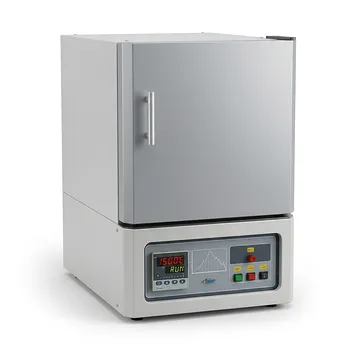
High Temperature 1500C Benchtop Muffle Furnace 3.6L Alumina Fiber Chamber Programmable Controller Sintering Annealing Carbonization Thermal Processing System
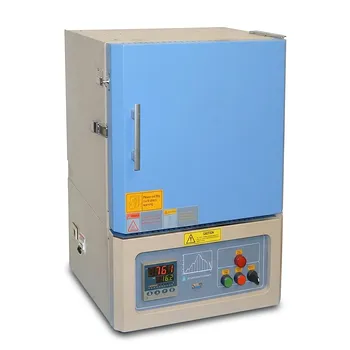
High Temperature 1700C Bench Top Muffle Furnace with Alumina Fiber Insulation and 3.6L Chamber Capacity for Precision Sintering and Heat Treatment
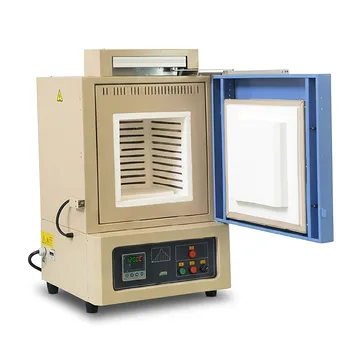
1200C High Temperature Muffle Furnace with Motorized Door and Automated PC Control for Industrial Sintering and Material Processing 27 Liter
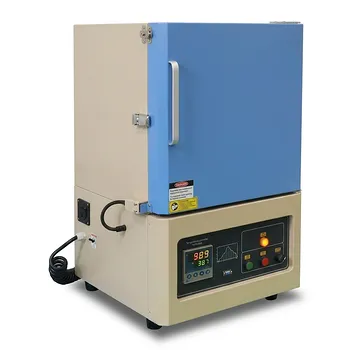
1200°C High Temperature Muffle Furnace 19L Chamber with 50 Segment Programmable Controller
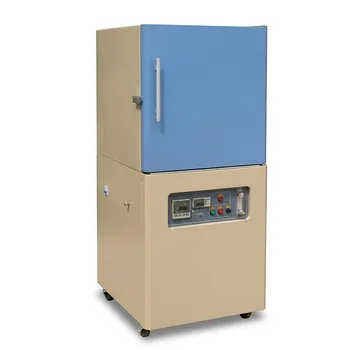
High Temperature Muffle Furnace with Dual Controllers and 36L Large Chamber 1700C Max
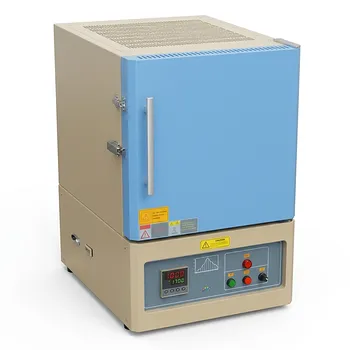
Large Bench Top 1700C High Temperature Muffle Furnace with 19L Chamber for Advanced Material Sintering and Annealing
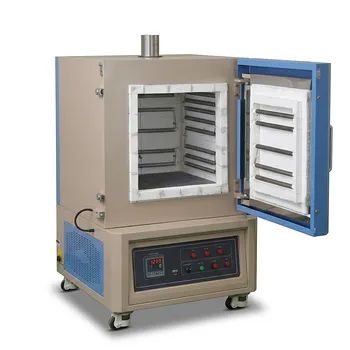
1200C High Temperature 125L Muffle Furnace 5 Side Heating for Large Batch Sintering with Optional Alloy Debinding Chamber
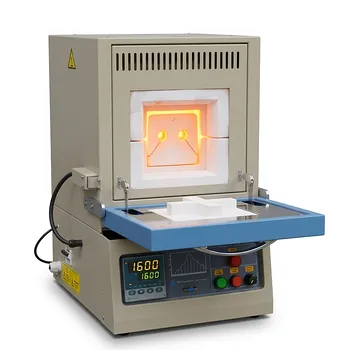
High Temperature Compact Muffle Furnace 1700 C with 30 Segment Programmable Controller and 1.7L Cubic Chamber
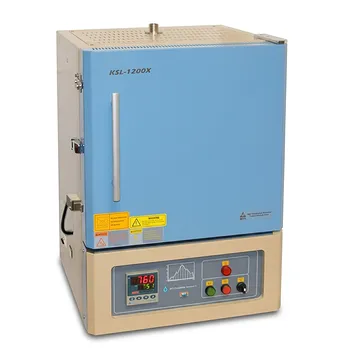
High Temperature 1200C Muffle Furnace 27L Volume 12x12x12 Chamber with Programmable PID Controller for Laboratory Material Science
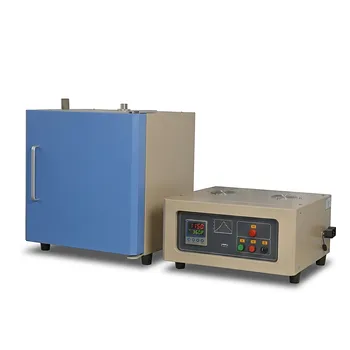
High Temperature Muffle Furnace with Alloy Chamber for Debinding and Sintering Applications
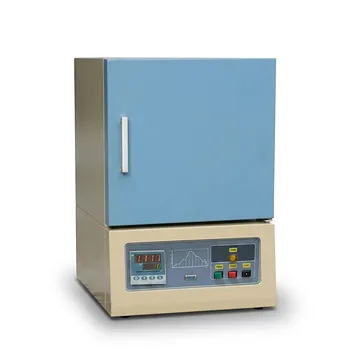
Ultra High Temperature Bench Top Muffle Furnace 1750C Sintering System with Kanthal Super Heating Elements and Precision Digital Control
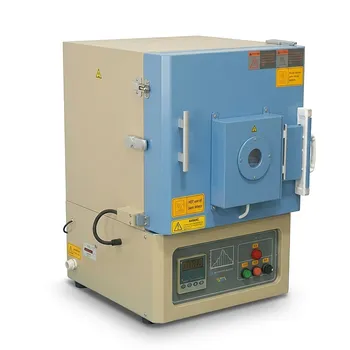
High Temperature Benchtop Muffle Furnace 1500C with 3.6L Chamber and Quartz Observation Window
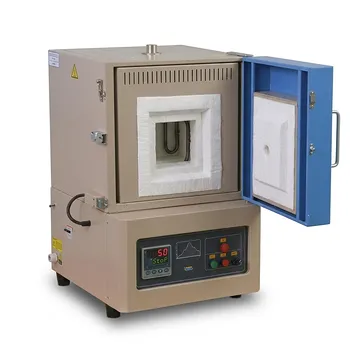
1800°C Bench Top Ultra High Temperature Muffle Furnace with Sapphire Observation Window and Top Feeding Port for Materials Research and Thermal Processing
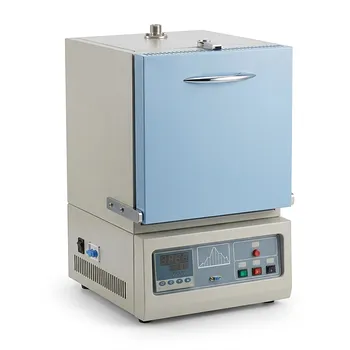
1750C Compact Muffle Furnace 1.7L Ultra High Temperature Laboratory Sintering System for Advanced Ceramics and Material Science Research
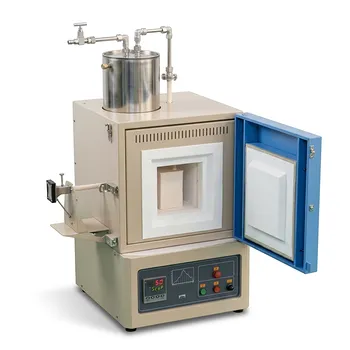
High Temperature Bench Top Muffle Furnace 1700C with Integrated Evaporating Particle Collection and 8x8x8 Alumina Fiber Chamber
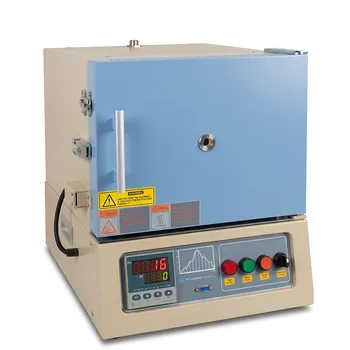
1200C Muffle Furnace 12x8x5 7.2L Heating Chamber with Quartz Observation Window and Vent Port
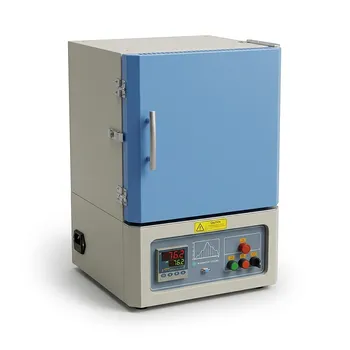
1750C Bench Top Muffle Furnace 3.6L High Grade Molybdenum Disilicide Heating Elements Laboratory Heat Treatment Equipment
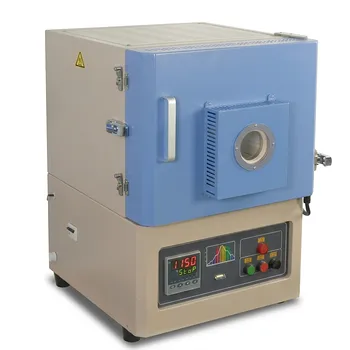
High Temperature Benchtop Muffle Furnace with Quartz Observation Window for Thermal Imaging and Material Analysis
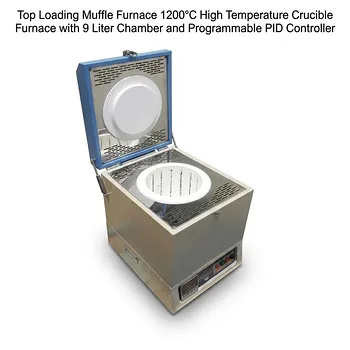
Top Loading Muffle Furnace 1200°C High Temperature Crucible Furnace with 9 Liter Chamber and Programmable PID Controller