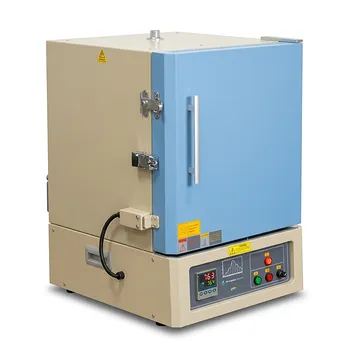
What role does a muffle furnace play in the ash analysis for biomass fuel? Master Fuel Quality and Efficiency.
Updated 3 months ago
The muffle furnace is the indispensable tool for quantifying the non-combustible mineral content in biomass fuels. It creates a controlled, high-temperature oxidative environment that incinerates all organic matter, leaving behind only the inorganic residue known as ash. This process allows producers and engineers to determine a fuel's ash content, which is a primary indicator of its combustion efficiency and potential for equipment damage.
A muffle furnace facilitates the complete mineralization of biomass by providing a stable, high-heat environment (typically 550°C to 1200°C) to remove organic components. This process is critical for predicting operational risks like slagging, fouling, and corrosion in industrial combustion systems.
The Mechanics of Complete Mineralization
Facilitating Total Organic Oxidation
The primary role of the muffle furnace is to provide the oxygen-rich, high-heat environment necessary to burn off carbon and hydrogen. By facilitating complete combustion, the furnace ensures that no organic carbon remains to skew the measurement of the inorganic minerals.
Precise Temperature Control
Consistency is vital because different minerals within biomass react differently at specific temperatures. Precise control—often set at 550°C or 575°C for standard biomass analysis—prevents the premature volatilization of certain inorganic elements or the unwanted sintering (fusing) of the ash particles.
Quantitative Residue Analysis
Once the organic matter is fully removed, the remaining material is weighed to calculate the ash content percentage. This figure is a cornerstone of proximate analysis, helping researchers evaluate the energy potential and impurity levels of the biomass sample.
Predicting Operational Risks and Fuel Behavior
Assessing Slagging and Fouling Tendency
High ash content often correlates with a higher risk of slagging (molten ash buildup) in boilers and gasifiers. The muffle furnace allows engineers to simulate the thermal conditions of a furnace to predict how these minerals will behave during large-scale energy production.
Determining Ash Fusion Temperatures
Beyond simple quantification, high-performance furnaces can reach temperatures up to 1275°C to conduct melting tests. By observing ash cone deformation, researchers identify the Initial Deformation Temperature (IDT) and Softening Temperature (ST), which are essential for preventing clinker formation in industrial kilns.
Preparation for Chemical Characterization
The furnace acts as a preparation stage for further laboratory testing, such as X-ray Fluorescence (XRF) spectroscopy. By producing a clean, carbon-free ash sample, the furnace enables the accurate detection of silicon, aluminum, and alkali metals that contribute to equipment corrosion.
Understanding the Trade-offs and Limitations
Volatilization of Alkali Metals
One significant challenge is that extremely high temperatures can cause the volatilization of alkali metals like potassium. If the furnace temperature is set too high during the initial ash determination, the resulting measurement may underestimate the total mineral content, leading to inaccurate fuel quality assessments.
Time and Throughput Constraints
Muffle furnace analysis is inherently time-consuming, often requiring holding times of one to four hours to ensure complete mineralization. While this provides high accuracy, it can create a bottleneck in high-volume industrial quality control settings where rapid results are needed.
Risk of Sample Sintering
If the heating rate is not carefully managed according to standards like ASTM D1857, the ash may sinter into a hard mass rather than remaining a loose powder. This transformation can interfere with subsequent chemical analysis and lead to a misunderstanding of how the ash will behave in a real-world burner.
How to Apply This to Your Project
Making the Right Choice for Your Goal
To maximize the utility of muffle furnace analysis, you should tailor the temperature and duration to your specific application.
- If your primary focus is standard quality reporting: Follow ASTM guidelines to heat samples at 550°C or 575°C to ensure all organic matter is removed without losing volatile minerals.
- If your primary focus is preventing boiler slagging: Utilize the furnace to determine Ash Fusion Temperatures up to 1200°C to identify when the ash will begin to melt and stick to equipment.
- If your primary focus is chemical fingerprinting: Ensure a carbon-free residue is achieved at a stable temperature before submitting the sample for XRF analysis to map out corrosive elements.
By mastering the controlled oxidation provided by the muffle furnace, you can transform a raw biomass sample into a data-rich profile of its industrial viability.
Summary Table:
| Process Phase | Function / Purpose | Key Parameter & Outcome |
|---|---|---|
| Organic Oxidation | Removes carbon and hydrogen via high-heat incineration | Achieves complete combustion for accurate mineral residue |
| Temperature Control | Maintains stable heat (550°C - 575°C) | Prevents mineral volatilization and unwanted sintering |
| Risk Assessment | Simulates thermal conditions up to 1275°C | Identifies Ash Fusion Temperatures (IDT/ST) to predict slagging |
| Sample Preparation | Produces carbon-free inorganic ash | Prepares samples for XRF spectroscopy and chemical fingerprinting |
Optimize Your Research with THERMUNITS High-Performance Furnaces
Precision is the backbone of material science. As a leading manufacturer of high-temperature laboratory equipment, THERMUNITS provides the advanced thermal solutions necessary for accurate ash analysis, material synthesis, and industrial R&D.
Our comprehensive range of equipment includes:
- Muffle, Vacuum, and Atmosphere Furnaces for diverse heat treatment needs.
- Tube, Rotary, and Hot Press Furnaces for specialized material processing.
- CVD/PECVD Systems and Vacuum Induction Melting (VIM) Furnaces for advanced thin-film and metallurgical research.
- Dental Furnaces, Electric Rotary Kilns, and high-quality Thermal Elements.
Whether you are assessing biomass fuel quality or developing next-generation materials, THERMUNITS delivers the reliability and temperature uniformity your project demands.
Ready to elevate your lab's capabilities? Contact us today for a tailored consultation and quote!
References
- Putri Ayu Nuramalia, Ade Andini. Biomass Fuel Quality Improvement Using Hydrogen Peroxide and Demineralized Water Pre-treatment and Torrefaction. DOI: 10.5109/7326936
Mentioned Products
- High Temperature Benchtop Muffle Furnace with Quartz Observation Window for Thermal Imaging and Material Analysis
- Five Side Heating Muffle Furnace High Purity Alumina Fiber 27L Chamber 1200C High Temperature Thermal Processing System for Sintering Annealing and Materials Research
- 1200C Five Side Heating Muffle Furnace with Sliding Door 125L Volume High Temperature Heat Treatment System for Large Scale Sintering and Annealing
- High Temperature 1200C Muffle Furnace 27L Volume 12x12x12 Chamber with Programmable PID Controller for Laboratory Material Science
- 1200C High Temperature 125L Muffle Furnace 5 Side Heating for Large Batch Sintering with Optional Alloy Debinding Chamber
People Also Ask
- What is the function of a muffle furnace in aluminoborosilicate glass prep? Stabilize Raw Materials for Superior Purity
- What is the function of a high-temperature muffle furnace in phosphorus-modified zeolite catalyst preparation?
- What is the function of a high-temp muffle furnace in Ni-V oxide synthesis? Optimize your material's performance.
- What role does a high-temperature muffle furnace play in evaluating the mineral composition of rock samples? LOI & XRF Guide
- What is the purpose of using muffle or tube furnaces in glass synthesis? Achieve Precise Melt-Quenching & Homogeneity

Tech Team · ThermUnits
Last updated on Jun 03, 2026
Related Products
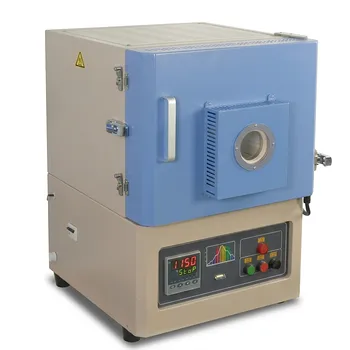
High Temperature Benchtop Muffle Furnace with Quartz Observation Window for Thermal Imaging and Material Analysis
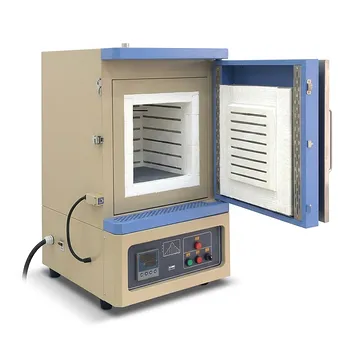
Five Side Heating Muffle Furnace High Purity Alumina Fiber 27L Chamber 1200C High Temperature Thermal Processing System for Sintering Annealing and Materials Research
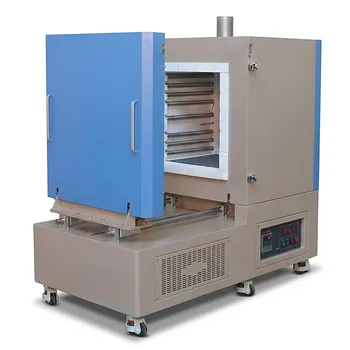
1200C Five Side Heating Muffle Furnace with Sliding Door 125L Volume High Temperature Heat Treatment System for Large Scale Sintering and Annealing
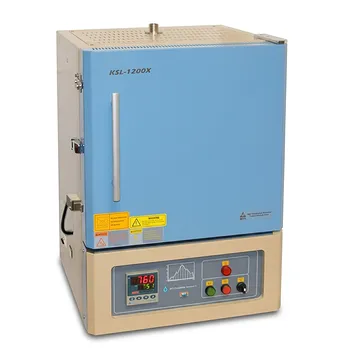
High Temperature 1200C Muffle Furnace 27L Volume 12x12x12 Chamber with Programmable PID Controller for Laboratory Material Science
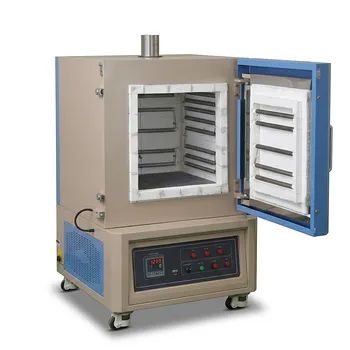
1200C High Temperature 125L Muffle Furnace 5 Side Heating for Large Batch Sintering with Optional Alloy Debinding Chamber
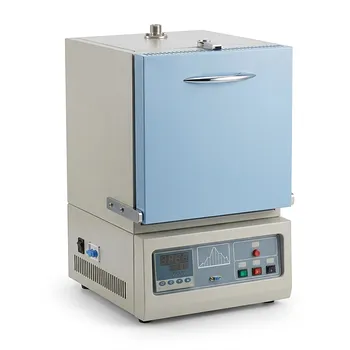
1750C Compact Muffle Furnace 1.7L Ultra High Temperature Laboratory Sintering System for Advanced Ceramics and Material Science Research
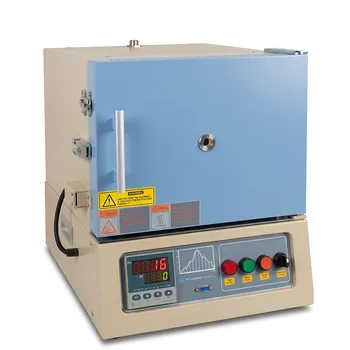
1200C Muffle Furnace 12x8x5 7.2L Heating Chamber with Quartz Observation Window and Vent Port
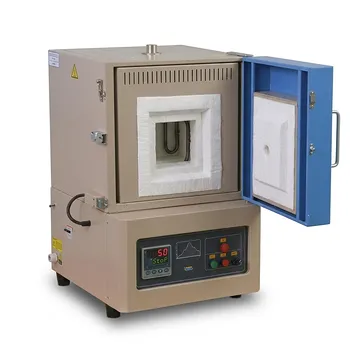
1800°C Bench Top Ultra High Temperature Muffle Furnace with Sapphire Observation Window and Top Feeding Port for Materials Research and Thermal Processing
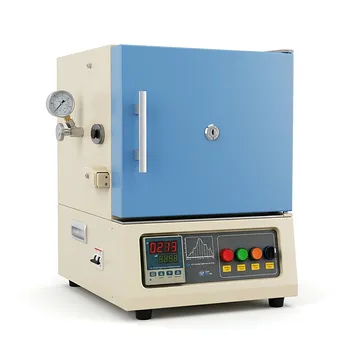
1200C Hybrid Muffle and Tube Furnace for Material Research with Dual Atmosphere Control Quartz Tubes
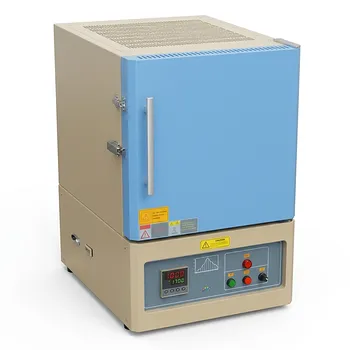
Large Bench Top 1700C High Temperature Muffle Furnace with 19L Chamber for Advanced Material Sintering and Annealing
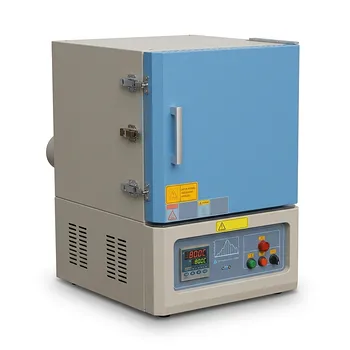
1800C Bench Top Muffle Furnace 18 Liters with Kanthal Super 1900 Heating Elements for High Purity Ceramic Sintering and Material Research
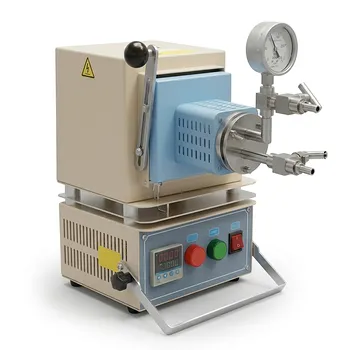
Compact Hybrid Muffle and Tube Furnace for 1000C Controlled Atmosphere Laboratory Material Sintering
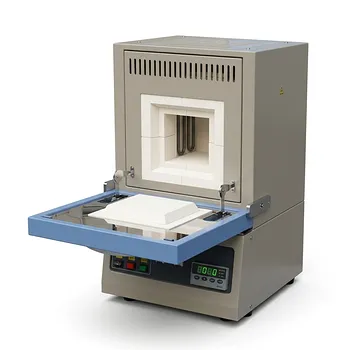
Five Sided Heating Muffle Furnace High Uniformity 1200C Lab Box Furnace 27L Alumina Fiber Chamber
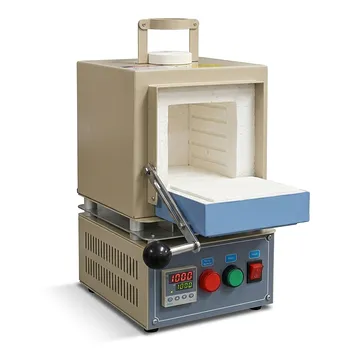
Compact 1000C Muffle Furnace with Programmable Controller and 2 Inch Top Port for Vacuum and Atmosphere Material Research
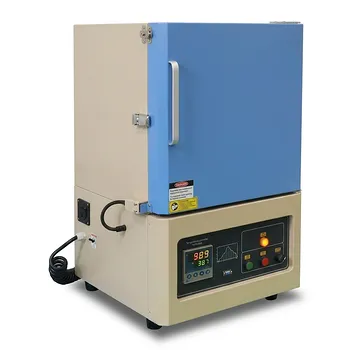
1200°C High Temperature Muffle Furnace 19L Chamber with 50 Segment Programmable Controller
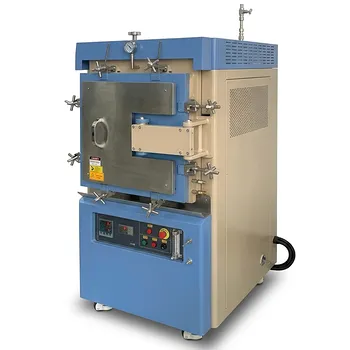
Atmosphere Controlled Muffle Furnace 1700C Maximum Temperature 80L High Capacity Vacuum Inert Gas Box Furnace
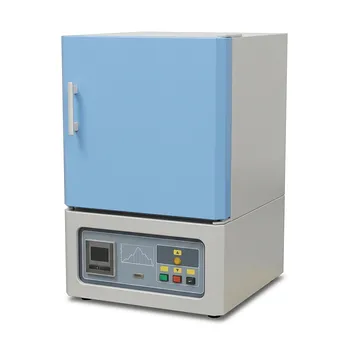
1800C Bench Top Muffle Furnace with Kanthal Super 1900 Heating Elements and 3.6L Alumina Fiber Chamber
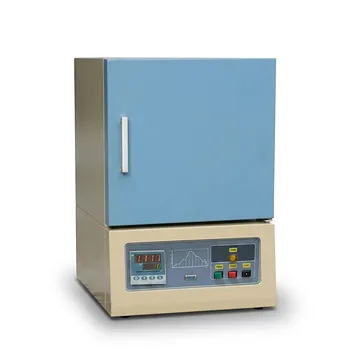
Ultra High Temperature Bench Top Muffle Furnace 1750C Sintering System with Kanthal Super Heating Elements and Precision Digital Control
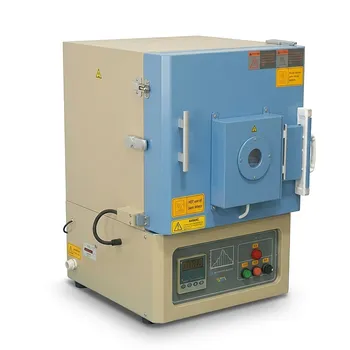
High Temperature Benchtop Muffle Furnace 1500C with 3.6L Chamber and Quartz Observation Window