What Role Does a Tube Furnace Play in PGC Pyrolysis? Ensure High Purity and Structural Integrity for Carbon Materials
Updated 3 months ago
In the production of Pre-Graphitized Carbon (PGC), a tube furnace serves as a high-precision reaction vessel that isolates the material from ambient air. By maintaining a continuous high-purity nitrogen ($N_2$) flow, the furnace prevents the oxidative combustion of carbon-based materials at elevated temperatures. This controlled environment ensures that the precursor undergoes pure thermochemical cracking rather than being reduced to ash, while also allowing for the precise management of internal gas pressures.
The tube furnace functions as both a chemical shield and a structural stabilizer, using an inert nitrogen atmosphere to prevent oxidation and ultra-low heating rates to prevent physical cracking. This dual role is essential for transforming organic precursors into high-purity, structurally sound pre-graphitized carbon.
Atmospheric Protection and Chemical Purity
Prevention of Oxidative Loss
The primary role of the nitrogen atmosphere is to exclude oxygen from the heating chamber during high-temperature cycles. Without this inert protective atmosphere, carbonaceous materials and newly formed carbon structures would undergo oxidative combustion, leading to significant yield loss or total destruction of the sample.
Ensuring Pure Thermochemical Cracking
By displacing air, the furnace ensures that the resulting products are derived solely from pure thermochemical cracking of the precursor. This is vital for researchers and engineers who need to analyze the specific generation mechanisms of tars and gases during the carbonization process.
Removal of Volatile Organic Compounds (VOCs)
The continuous flow of high-purity nitrogen acts as a carrier gas that purges volatile organic compounds generated during pyrolysis. This constant removal of byproducts prevents them from re-depositing on the carbon surface, which ensures the "clean" development of the carbon's internal pore structure.
Structural Integrity and Kinetic Control
Suppressing Internal Pore Pressure
During pyrolysis, organic precursors release gases that must escape the solid structure. The tube furnace’s precision control system allows for extremely low heating rates (e.g., 1°C per minute), which keeps the escape velocity of these gases manageable.
Preventing Sample Cracking
By controlling the heating kinetics, the furnace suppresses internal pore pressure accumulation. This is particularly critical for large-sized samples, as it prevents the mechanical stresses that would otherwise lead to internal fractures or external cracking of the PGC.
Facilitating Nitrogen Doping
Under specific high-temperature conditions within the nitrogen atmosphere, nitrogen atoms can be successfully integrated into the carbon framework. This process forms quaternary nitrogen (N-Q) functional groups, which are often desired for enhancing the electrochemical properties of the final carbon product.
Understanding the Trade-offs
Gas Flow Rate Balance
While a high nitrogen flow ensures oxygen exclusion and VOC removal, an excessive flow rate can lead to thermal gradients within the tube. If the gas is not pre-heated or the flow is too aggressive, it can cause uneven cooling of the sample, potentially leading to inconsistent carbonization.
Nitrogen Purity vs. Cost
Using high-purity nitrogen is essential, as even trace amounts of moisture or oxygen can catalyze unwanted side reactions at 900°C or higher. However, maintaining a constant purge throughout a long, slow-heating cycle (at 1°C/min) significantly increases the operational cost and gas consumption of the production process.
Inert Gas Limitations
While nitrogen is suitable for most PGC processes, it is not truly "noble" at extreme temperatures. In some specialized cases, nitrogen may react with certain precursors; in those niche applications, a stable Argon (Ar) environment may be required to maintain total chemical inertness, though at a higher price point.
How to Apply This to Your Project
Recommendations for Implementation
- If your primary focus is structural integrity of large monoliths: Prioritize a furnace with a high-precision PID controller capable of maintaining a stable 1°C/min ramp to prevent cracking.
- If your primary focus is high-purity chemical analysis: Ensure a continuous nitrogen flow of at least 10 ml/min to effectively purge all volatile byproducts and prevent re-deposition.
- If your primary focus is functionalization (N-doping): Target higher thermal fields (around 900°C) under nitrogen to encourage the integration of nitrogen atoms into the carbon lattice.
- If your primary focus is yield optimization: Conduct a thorough leak test on the tube furnace seals before heating to ensure a strictly oxygen-free environment and prevent oxidative mass loss.
By mastering the balance between atmosphere purity and heating kinetics, you can reliably produce high-quality Pre-Graphitized Carbon tailored to specific industrial or research requirements.
Summary Table:
| Feature | Role in PGC Pyrolysis | Key Benefit |
|---|---|---|
| Inert N2 Atmosphere | Displaces oxygen and prevents combustion | Ensures high yield and pure chemical cracking |
| Purge Flow | Carries away Volatile Organic Compounds (VOCs) | Prevents re-deposition; ensures clean pore structure |
| Kinetic Control | Maintains ultra-low heating rates (e.g., 1°C/min) | Prevents internal gas pressure and sample cracking |
| Thermal Precision | High-temperature stability (up to 900°C+) | Facilitates Nitrogen-doping (N-Q) for better properties |
| Atmosphere Sealing | Isolates sample from ambient moisture/air | Eliminates unwanted side reactions and catalysis |
Elevate Your Material Research with THERMUNITS
Are you looking to achieve precise control over your carbonization and graphitization processes? THERMUNITS is a leading manufacturer of high-temperature laboratory equipment specifically designed for material science and industrial R&D.
We provide a comprehensive range of thermal solutions tailored for PGC preparation and beyond, including:
- Tube & Atmosphere Furnaces: Optimized for high-purity gas environments.
- Vacuum & Muffle Furnaces: For diverse heat treatment needs.
- Advanced Systems: CVD/PECVD, Rotary Kilns, Vacuum Induction Melting (VIM), and Hot Press furnaces.
- Specialized Equipment: Dental Furnaces and high-quality Thermal Elements.
Our equipment ensures the exact heating kinetics and atmospheric purity required to produce superior Pre-Graphitized Carbon. Contact our technical experts today to discuss your project requirements and discover how our precision thermal solutions can drive your innovation forward.
References
- Yi Yang, Haihui Ruan. Evolution of Holes and Cracks in Pre-Carbonized Glassy Carbon. DOI: 10.3390/ma17215274
Mentioned Products
- Gas Pre-Heating Tube Furnace for High Temperature Pyrolysis Reactors and Material Science Research
- High Temperature Vertical Atmosphere Controlled Furnace with Automatic Bottom Loading and 1700°C Capacity for Advanced Material Research
- Compact Vertical Split Quartz Tube Furnace with Stainless Steel Vacuum Flanges for Rapid Thermal Quenching and Controlled Atmosphere Material Processing
- 5 Inch Three Zone Rotary Tube Furnace with Integrated Gas Delivery System and 1200C Capability for Advanced Material CVD Processing
- Vertical 1700C Vacuum and Atmosphere Tube Furnace with 80mm Alumina Tube
People Also Ask
- What is the function of a preheated high-temperature tube furnace in the rapid pyrolysis synthesis of carbon nitride films?
- What is the role of a high-temperature tube furnace in coal powder pyrolysis benchmarking? Achieve Precise Baselines.
- Why is high-precision temperature control essential in a pyrolysis furnace? Master Pd NPs/NO-C Catalyst Synthesis
- How does a high-temperature tube furnace facilitate the pyrolysis of PR-ZS hybrid aerogels into carbon aerogels?
- How is a laboratory tube heating furnace applied during the evaluation of denitration catalysts? Essential Guide

Tech Team · ThermUnits
Last updated on Jun 03, 2026
Related Products
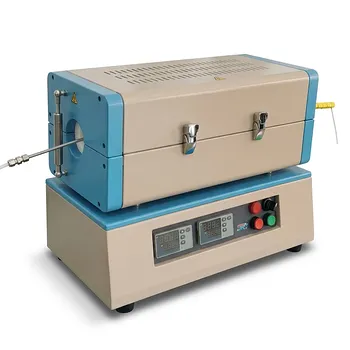
Gas Pre-Heating Tube Furnace for High Temperature Pyrolysis Reactors and Material Science Research
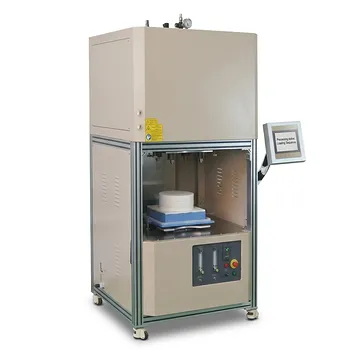
High Temperature Vertical Atmosphere Controlled Furnace with Automatic Bottom Loading and 1700°C Capacity for Advanced Material Research

Compact Vertical Split Quartz Tube Furnace with Stainless Steel Vacuum Flanges for Rapid Thermal Quenching and Controlled Atmosphere Material Processing
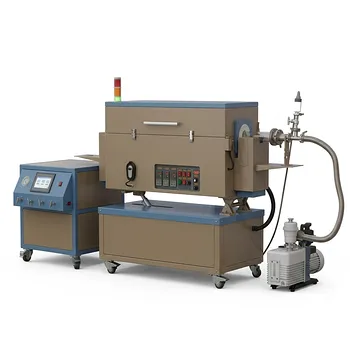
5 Inch Three Zone Rotary Tube Furnace with Integrated Gas Delivery System and 1200C Capability for Advanced Material CVD Processing

Vertical 1700C Vacuum and Atmosphere Tube Furnace with 80mm Alumina Tube
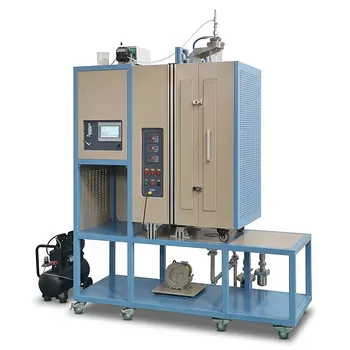
1500C Three Zone Vertical Pyrolysis Furnace for Nanoparticle Synthesis and Advanced Oxide Coating
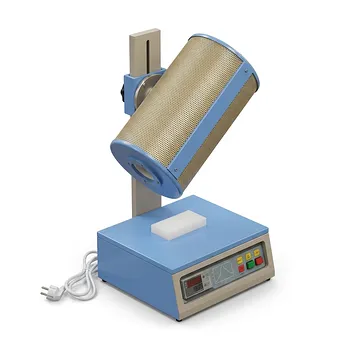
1100°C Vertical Laboratory Furnace for DIY Tubular Reactors with PID Temperature Controller
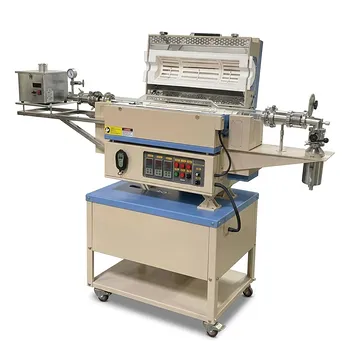
5 Inch Rotary Tube Furnace with Automatic Feeding and Receiving System 1200C Three Zone CVD Powder Processing

High Temperature 1700C Vertical Tube Furnace for Powder Spherification and Material Sintering
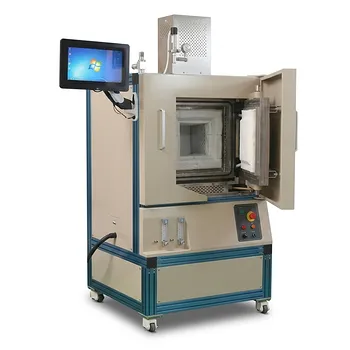
High Temperature Oxygen and Inert Atmosphere Controlled Furnace 8 Liter 1700C Sintering System for Advanced Materials RD
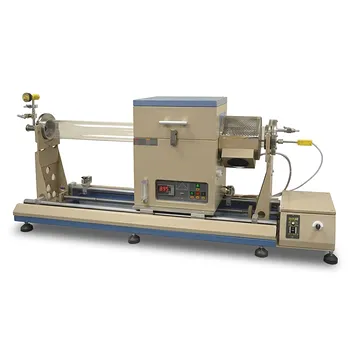
900 ºC Max Sliding RTP Tube Furnace with Rapid IR Heating and 4 Inch OD Quartz Tube
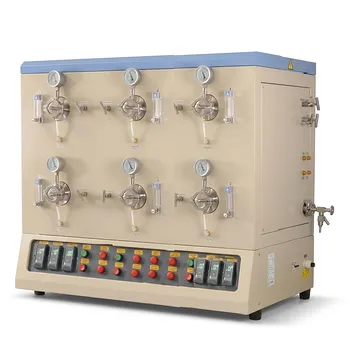
1200C High Throughput Multi Channel Tube Furnace with 50mm Quartz Tubes for Annealing and Material Phase Diagram Research
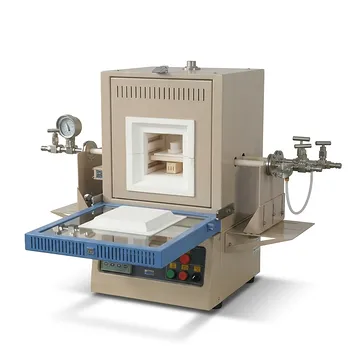
1700C Compact Hybrid Furnace with Dual Layer Box Sintering and Controlled Atmosphere Alumina Tubes

High Temperature 1700C Benchtop Tube Furnace with 5 Inch Heating Zone High Purity Alumina Tube and Vacuum Sealing Flanges

High Temperature Automated 5 Inch Tube Furnace for Autonomous Material Research and Advanced Laboratory R&D

Compact High Temperature 1600C Tube Furnace with 50mm Alumina Tube and Vacuum Flanges for Material Sintering
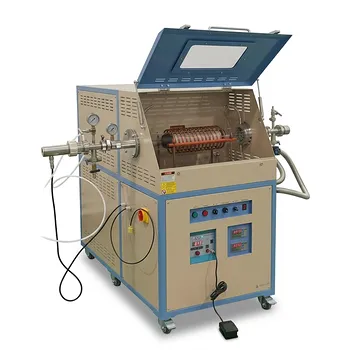
Ultra High Temperature 2300C Induction Heated Graphite Tube Furnace with Infrared Control
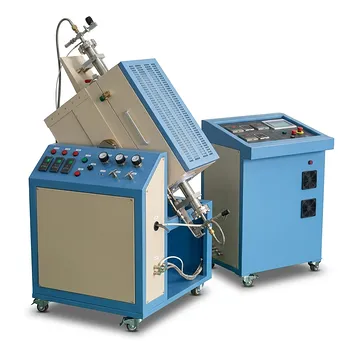
1100C High Pressure Rocking Tube Furnace with 2 Inch Super Alloy Processing Tube for Material Synthesis

High Temperature 1700C Tube Furnace with High Vacuum Turbomolecular Pump System and Multi Channel Mass Flow Controller Gas Mixer