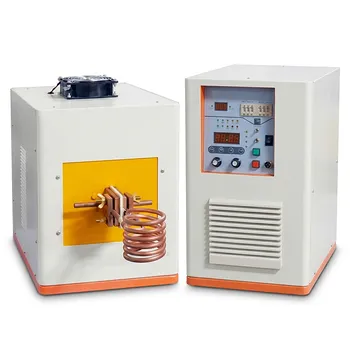
What roles do an induction furnace and a graphite crucible play in the slag pre-melting process? Optimize Slag Prep.
Updated 3 months ago
The induction furnace and graphite crucible function as a synergistic heating system where the furnace provides the electromagnetic energy and the crucible acts as the heat-generating vessel. In the slag pre-melting process, this combination ensures rapid, uniform melting and facilitates the chemical homogenization necessary to transform raw oxide powders into a consistent liquid phase.
Core Takeaway: The induction furnace generates a magnetic field that induces current within the graphite crucible, which serves as a "susceptor" to convert that energy into heat. This setup is essential for achieving the high temperatures and electromagnetic stirring required to eliminate physical interfaces and reach chemical equilibrium in the slag.
The Induction Furnace: The Engine of Thermal Energy
Electromagnetic Energy Conversion
The induction furnace generates an alternating magnetic field that penetrates the reaction zone. This field induces electrical currents within conductive materials, allowing for non-contact heating that is both rapid and highly controllable.
The Power of Electromagnetic Stirring
A critical secondary role of the induction furnace is the creation of electromagnetic forces within the melt. These forces promote thermal convection and physical stirring, which are vital for moving impurities and ensuring that different slag components, such as lime and silica, mix thoroughly.
Achieving Extreme Temperature Thresholds
Industrial induction furnaces are capable of maintaining stable environments exceeding 1500°C to 1800°C. This high-temperature capacity is necessary to melt complex oxide systems and ensure the slag reaches a fully liquid state for subsequent refining processes.
The Graphite Crucible: The Susceptor and Shield
Acting as a Primary Susceptor
In this process, the graphite crucible is not just a container; it is the primary induction heating body. Because graphite is electrically conductive, it couples with the magnetic field to generate internal heat, which it then transfers to the slag via conduction and radiation.
Superior Thermal Conductivity and Stability
Graphite possesses exceptional thermal conductivity and thermal shock stability. These properties allow the crucible to distribute heat evenly across its surface, preventing localized hot spots and ensuring the slag melts uniformly from the edges to the center.
Maintaining Chemical Integrity
The high melting point and chemical stability of graphite make it ideal for high-temperature molten environments. It provides a resistant interface that prevents the infiltration of impurities, ensuring the slag maintains its intended chemical composition for precise metallurgical studies.
Understanding the Trade-offs
The Risk of Carbon Contamination
While graphite is a superior susceptor, its presence introduces the risk of carbon pickup in certain slag systems. If the slag is highly reactive or if the process requires absolute carbon-free conditions, the interface between the graphite and the melt must be carefully managed.
Oxidation and Lifespan
Graphite crucibles are susceptible to oxidation when exposed to air at high temperatures. This can lead to structural degradation over time, requiring either a protective inert atmosphere or regular replacement of the crucible to maintain process consistency.
Material Compatibility
Certain slag compositions, particularly those with high oxygen potential, may react with the crucible walls. Users must balance the thermal efficiency of graphite against the potential for chemical erosion when processing aggressive slag chemistries.
How to Apply This to Your Slag Process
When configuring an induction melting system for slag pre-melting, your choice of parameters should align with your specific metallurgical requirements.
- If your primary focus is Chemical Homogeneity: Prioritize an induction furnace with strong electromagnetic stirring capabilities to ensure multi-component powders reach a uniform liquid state.
- If your primary focus is High-Purity Slag: Ensure the graphite crucible is of high-purity grade and consider melting in an inert gas environment to prevent oxidation and impurity infiltration.
- If your primary focus is Rapid Processing: Utilize the high thermal conductivity of graphite to achieve quick melt times, which minimizes the window for potential side reactions.
The integration of induction heating with a graphite susceptor remains the definitive method for preparing standardized, high-quality slag for modern refining and experimental applications.
Summary Table:
| Component | Primary Role | Key Features |
|---|---|---|
| Induction Furnace | Energy Engine | Generates magnetic fields, enables electromagnetic stirring, and reaches 1800°C. |
| Graphite Crucible | Susceptor & Vessel | Converts magnetic energy to heat, ensures uniform distribution, and resists thermal shock. |
Master High-Temperature Research with THERMUNITS
Is your research demanding absolute precision in slag pre-melting? THERMUNITS is a leading manufacturer of high-temperature laboratory equipment for material science and industrial R&D. We offer a comprehensive range of thermal processing solutions, including Vacuum Induction Melting Furnaces (VIM), Muffle, Vacuum, Atmosphere, Tube, and Hot Press furnaces, as well as CVD/PECVD systems and electric rotary kilns.
Our advanced induction systems provide the electromagnetic stirring and uniform heating necessary to reach chemical equilibrium and eliminate impurities. Contact us today to discuss how our customized thermal solutions can enhance your lab's efficiency and experimental accuracy.
References
- B. V. Rangavittal, Björn Glaser. Experimental Determination of Slag Emissivities for Enhanced Slag Control by Infrared‐Based Systems. DOI: 10.1002/srin.202400277
Mentioned Products
- Ultra High Temperature Induction Heated Vacuum Furnace with Molten Salt Electrolysis Capability and 3000 Degree Precision Control
- High Temperature Mini Induction Heating Furnace 1600C Laboratory Material Melting System
- Desktop Induction Melting Furnace with Automatic Rotary Casting Function up to 1700C for Advanced Metal Alloy Research
- High Throughput Induction Melting and Casting Furnace for Superalloy Research 1700C Atmosphere Controlled Multi Sample System
- Atmosphere Controlled Induction Melting Granulating Casting Furnace 1500C 5kg Capacity
People Also Ask
- What is the function of high-vacuum furnaces in (Mo2/3V1/3)n+1AlCn MAX phase synthesis? Ensure Purity & Diffusion.
- What is the typical operating temperature range for vacuum furnaces? Expert Guide to High-Precision Heat Treatment
- How do vacuum furnaces compare to atmosphere or salt-bath furnaces in terms of material properties? Gain Peak Purity
- What are the technical advantages of using a vacuum furnace over a traditional atmosphere furnace? Maximize Purity
- How do vacuum furnaces facilitate high purity in the electronics and semiconductor industry? Elevate Material Standards

Tech Team · ThermUnits
Last updated on Jun 03, 2026
Related Products
Ultra High Temperature Induction Heated Vacuum Furnace with Molten Salt Electrolysis Capability and 3000 Degree Precision Control
High Temperature Mini Induction Heating Furnace 1600C Laboratory Material Melting System
Desktop Induction Melting Furnace with Automatic Rotary Casting Function up to 1700C for Advanced Metal Alloy Research
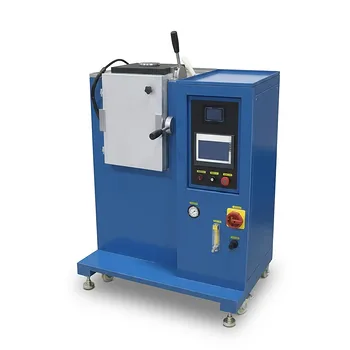
High Throughput Induction Melting and Casting Furnace for Superalloy Research 1700C Atmosphere Controlled Multi Sample System
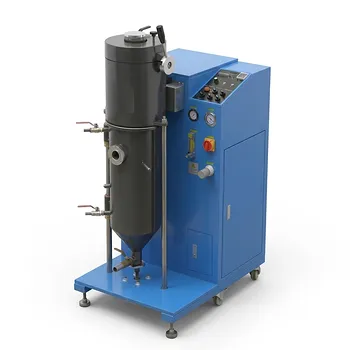
Atmosphere Controlled Induction Melting Granulating Casting Furnace 1500C 5kg Capacity
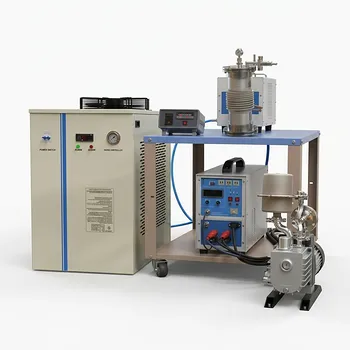
Induction Heating System with Temperature Control for High Temperature Vacuum Sintering and Melting

High Temperature 1700C Vertical Tube Furnace for Powder Spherification and Material Sintering
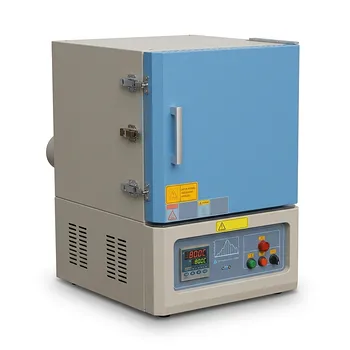
1800C Bench Top Muffle Furnace 18 Liters with Kanthal Super 1900 Heating Elements for High Purity Ceramic Sintering and Material Research
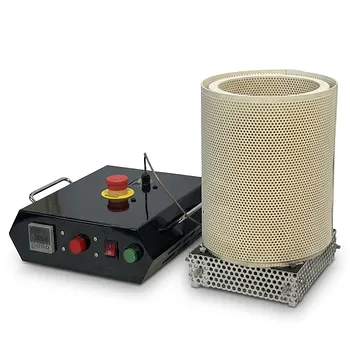
1250 C Compact Vertical Box Furnace for Glovebox Material Research Air Sensitive Samples
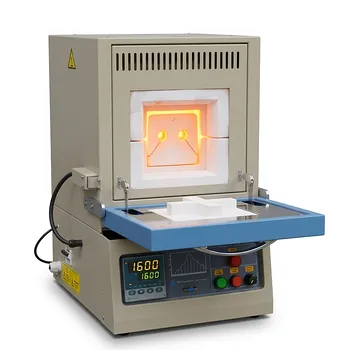
High Temperature Compact Muffle Furnace 1700 C with 30 Segment Programmable Controller and 1.7L Cubic Chamber
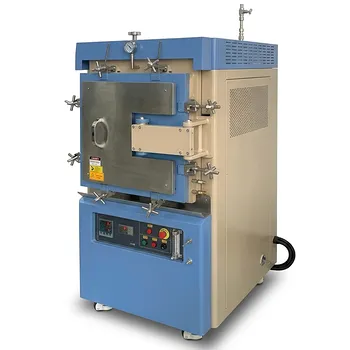
Atmosphere Controlled Muffle Furnace 1700C Maximum Temperature 80L High Capacity Vacuum Inert Gas Box Furnace
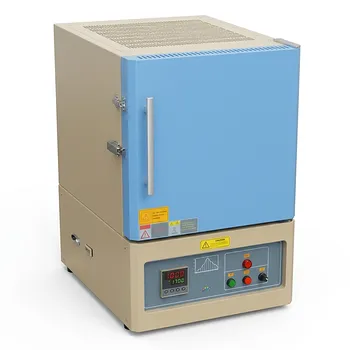
Large Bench Top 1700C High Temperature Muffle Furnace with 19L Chamber for Advanced Material Sintering and Annealing
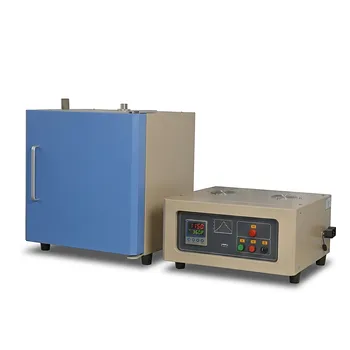
High Temperature Muffle Furnace with Alloy Chamber for Debinding and Sintering Applications
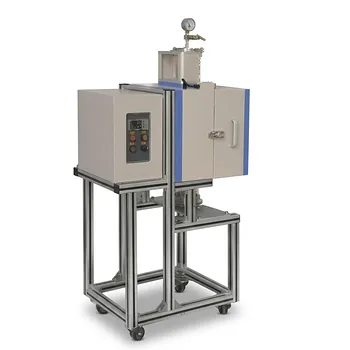
1200°C 5 Inch Vertical Quartz Tube Furnace with Stainless Steel Vacuum Flanges
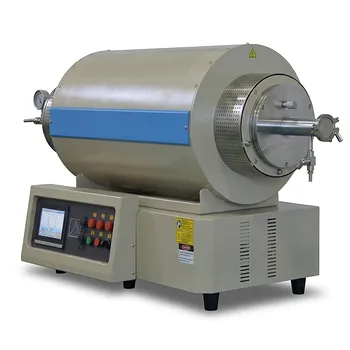
1200C Max Three Zone Tube Furnace 6 Inch OD Max with Tube and Flange
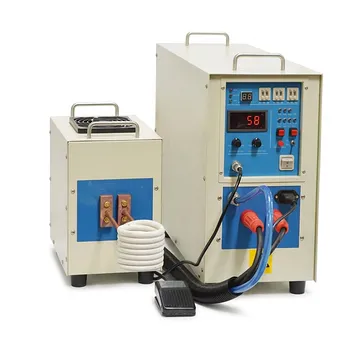
High Frequency Desktop Induction Heater 15 KVA Induction Heating System with Automatic Timer Control for Material Research and Metal Melting
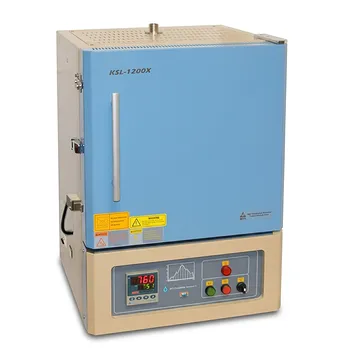
High Temperature 1200C Muffle Furnace 27L Volume 12x12x12 Chamber with Programmable PID Controller for Laboratory Material Science
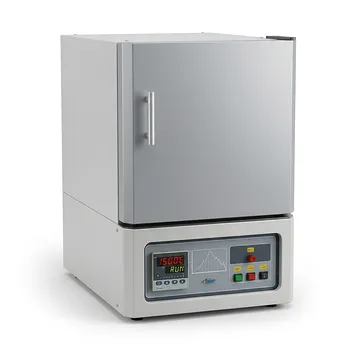
High Temperature 1500C Benchtop Muffle Furnace 3.6L Alumina Fiber Chamber Programmable Controller Sintering Annealing Carbonization Thermal Processing System
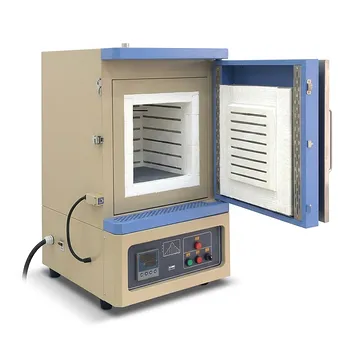
Five Side Heating Muffle Furnace High Purity Alumina Fiber 27L Chamber 1200C High Temperature Thermal Processing System for Sintering Annealing and Materials Research