What is the typical operating temperature range for vacuum furnaces? Expert Guide to High-Precision Heat Treatment
Updated 5 months ago
Vacuum furnaces typically operate within a range of 800°C to 3,000°C (1,500°F to 5,400°F). This broad spectrum allows for high-precision thermal processing while protecting materials from oxidation and atmospheric contamination. The specific temperature required is dictated by the vapor pressure of the materials involved and the unique metallurgical goals of the treatment.
While the standard operating window for vacuum furnaces is 800°C to 3,000°C, the ideal temperature is a balance between the material's thermal requirements and its stability under vacuum to prevent unintended evaporation.
Key Drivers of Temperature Selection
The Role of Material Vapor Pressure
In a vacuum environment, materials evaporate more easily than they do at atmospheric pressure. Engineers must select an operating temperature that achieves the desired thermal effect without reaching the vapor pressure point where the material begins to "boil off" or deplete.
Specific Thermal Treatment Goals
The temperature is fine-tuned based on the intended outcome, such as annealing, brazing, or sintering. For example, processing carbon matrices often requires temperatures around 1,500°C to effectively remove oxygen-containing functional groups and increase fixed carbon content.
Maintaining Material Purity
Operating at these extreme temperatures under vacuum prevents carbon burn-off and oxidation. This environment ensures the structural stability and electrical conductivity of the finished component remain uncompromised.
Comparative Thermal Capabilities
Vacuum Furnaces vs. Muffle Furnaces
Standard muffle furnaces generally peak at 1,200°C, though advanced units with specialized heating elements like molybdenum disilicide can reach 1,800°C. Vacuum furnaces are distinguished by their ability to far exceed these limits, reaching up to 3,000°C for specialized high-temperature applications.
Rotary and Atmosphere Furnaces
Rotary furnaces typically operate between 500°C and 1,500°C, utilizing refractory linings and mechanical agitation for gas-solid contact. While effective for bulk processing, they do not offer the extreme temperature ceiling or the ultra-clean environment found in high-vacuum systems.
Understanding the Trade-offs
Thermal Degradation and Evaporation
The primary risk of operating at the higher end of the vacuum furnace range is the loss of alloying elements. If the temperature is too high for the given vacuum level, certain elements may sublimate, changing the chemical composition and properties of the part.
Structural Integrity of the Equipment
Maintaining temperatures above 2,000°C requires specialized furnace construction and high-grade heating elements. The intense heat puts significant stress on the furnace shell and insulation, requiring advanced cooling systems and high-purity materials to prevent equipment failure.
Energy Consumption and Cooling Times
Higher operating temperatures significantly increase energy costs and require longer cooling cycles. This can impact the overall throughput and efficiency of the manufacturing process, making it vital to only use the minimum temperature necessary for the desired outcome.
Selecting the Right Temperature for Your Goal
How to Apply This to Your Project
Choosing the correct temperature requires balancing the physical properties of your material with the technical limits of the vacuum environment.
- If your primary focus is removing surface impurities from carbon: Aim for temperatures near 1,500°C to decompose carboxyl and hydroxyl groups while maintaining an inert or vacuum environment.
- If your primary focus is general heat treating of tool steels: Utilize the lower end of the range, typically between 800°C and 1,200°C, to achieve hardening without excessive grain growth.
- If your primary focus is high-temperature sintering of refractory metals: Operate in the upper tier of 2,000°C to 3,000°C, ensuring that the furnace's heating elements are rated for such extreme conditions.
By aligning your temperature settings with the specific vapor pressure limits of your materials, you ensure a process that is both thermally effective and chemically stable.
Summary Table:
| Furnace Type | Operating Range | Primary Advantage |
|---|---|---|
| Vacuum Furnace | 800°C - 3,000°C | Prevents oxidation; ideal for high-purity sintering and brazing. |
| Muffle Furnace | Up to 1,800°C | Standard heat treatment with specialized MoSi2 heating elements. |
| Rotary Furnace | 500°C - 1,500°C | Optimized for bulk processing and efficient gas-solid contact. |
| Atmosphere Furnace | Varies | Controlled environments for specific chemical reactions. |
Precision Thermal Solutions from THERMUNITS
THERMUNITS is a leading manufacturer of high-temperature laboratory equipment for material science and industrial R&D. We provide a comprehensive range of thermal processing solutions, including Vacuum, Muffle, Atmosphere, Tube, Rotary, and Hot Press furnaces, as well as CVD/PECVD systems, Dental Furnaces, and vacuum induction melting furnaces (VIM).
Why Partner with THERMUNITS?
- Superior Temperature Range: Our vacuum systems reach up to 3,000°C for specialized refractory metal processing.
- Material Protection: Expertly designed environments that prevent carbon burn-off and maintain chemical purity.
- Diverse Applications: From high-grade Thermal Elements to electric rotary kilns, we support every stage of your heat treatment workflow.
Achieve unmatched precision in your next project. Contact THERMUNITS today to find the ideal furnace for your research needs!
Mentioned Products
- Ultra High Temperature Induction Heated Vacuum Furnace with Molten Salt Electrolysis Capability and 3000 Degree Precision Control
- High Temperature 1000C Vacuum Furnace with 8 Inch ID Chamber for Material Sintering and Research Annealing
- 1200°C Bottom Loading Vacuum Furnace with Rapid Gas Cooling and 8.6 Inch Diameter Quartz Chamber
- High Pressure 600T Vacuum Induction Hot Press Furnace for Advanced Material Heat Treatment and Sintering
- High Temperature Vacuum Lamination Hot Press Furnace Machine for Semiconductor Wafer Bonding and Advanced Composite Thermal Processing
People Also Ask
- What roles do an induction furnace and a graphite crucible play in the slag pre-melting process? Optimize Slag Prep.
- What is the function of high-vacuum furnaces in (Mo2/3V1/3)n+1AlCn MAX phase synthesis? Ensure Purity & Diffusion.
- How do vacuum furnaces compare to atmosphere or salt-bath furnaces in terms of material properties? Gain Peak Purity
- What are the technical advantages of using a vacuum furnace over a traditional atmosphere furnace? Maximize Purity
- How do vacuum furnaces facilitate high purity in the electronics and semiconductor industry? Elevate Material Standards

Tech Team · ThermUnits
Last updated on Apr 14, 2026
Related Products
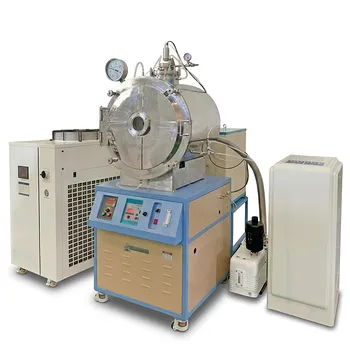
Ultra High Temperature Induction Heated Vacuum Furnace with Molten Salt Electrolysis Capability and 3000 Degree Precision Control
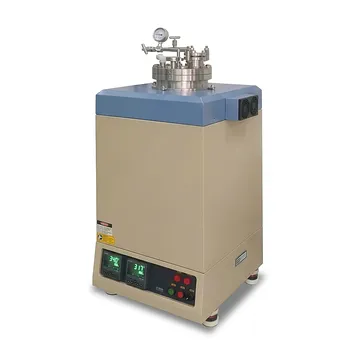
High Temperature 1000C Vacuum Furnace with 8 Inch ID Chamber for Material Sintering and Research Annealing
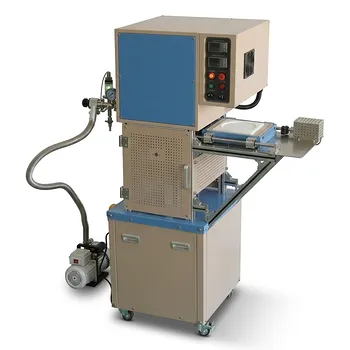
1200°C Bottom Loading Vacuum Furnace with Rapid Gas Cooling and 8.6 Inch Diameter Quartz Chamber
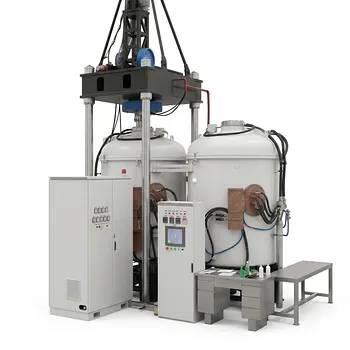
High Pressure 600T Vacuum Induction Hot Press Furnace for Advanced Material Heat Treatment and Sintering
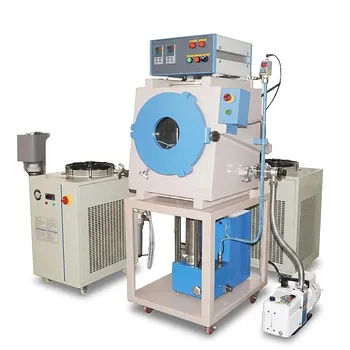
High Temperature Vacuum Lamination Hot Press Furnace Machine for Semiconductor Wafer Bonding and Advanced Composite Thermal Processing
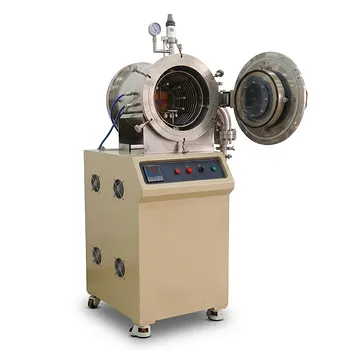
High Temperature Cold Wall High Vacuum Chamber Furnace 1400C for Advanced Material Processing
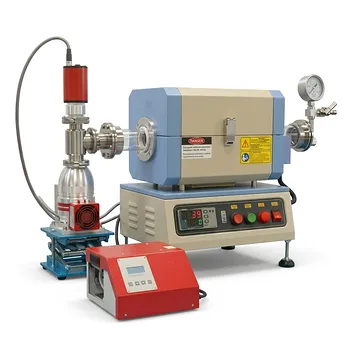
High Vacuum Compact Tube Furnace 1200C with Integrated Turbo Pump System and 8 Inch Heating Zone
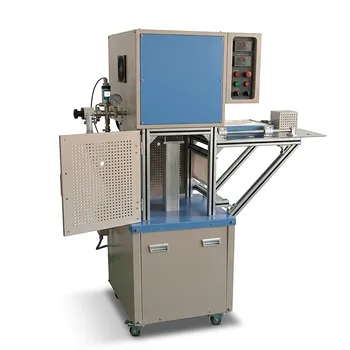
Bottom Loading Vacuum Furnace 1200C Rapid Cooling Atmosphere Control Quartz Chamber
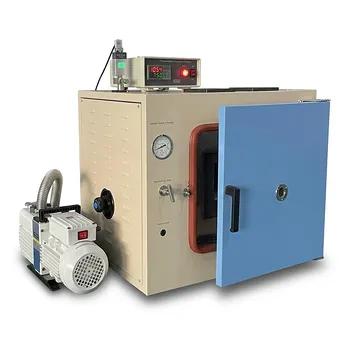
Compact High Vacuum Box Furnace 1050C Max 6.2L Ceramic Chamber Stainless Steel Shell Programmable Temperature Controller for Material Science Research
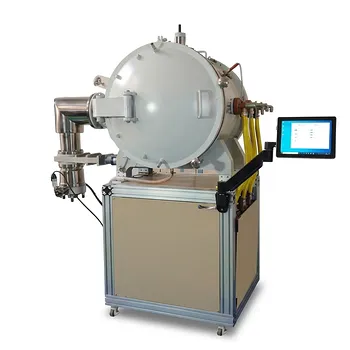
High Temperature Cold Wall Vacuum Furnace for Advanced Material Sintering and Annealing 1600C Heating Area 200x200x300mm
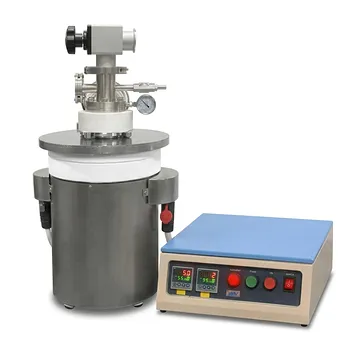
1100C High Temperature Vacuum Crucible Furnace with Quartz Chamber for Thermal Processing and Sintering
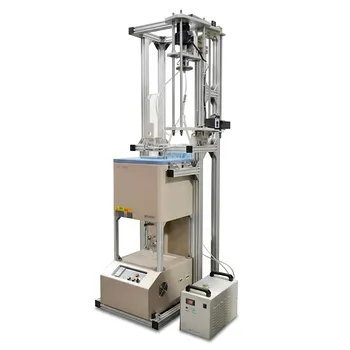
500C Vacuum Vertical Tube Furnace 84mm OD Sample Rotation Lifting System
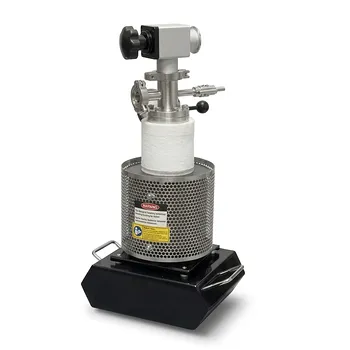
High Temperature 1100C Compact Top Loading Vertical Vacuum Tube Furnace for High Vacuum Noble Metal Melting and Material Research

1800C High Temperature Compact Vacuum Tube Furnace with 60mm OD Alumina Tube and Kanthal MoSi2 Heating Elements
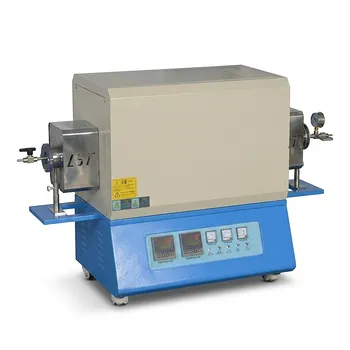
High Temperature Dual Zone Vacuum Tube Furnace for Material Research and CVD Processing
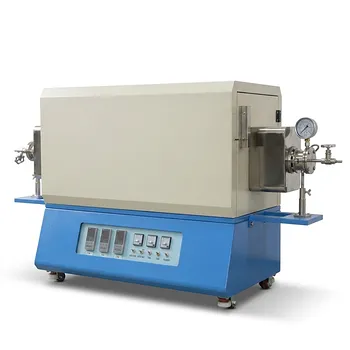
Three Temperature Zone High Temperature Vacuum Tube Furnace for CVD and Material Sintering
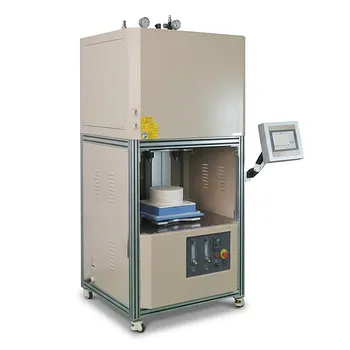
High Temperature Vertical Atmosphere Controlled Furnace 1700C Automatic Bottom Loading 13 Liter Vacuum Thermal System
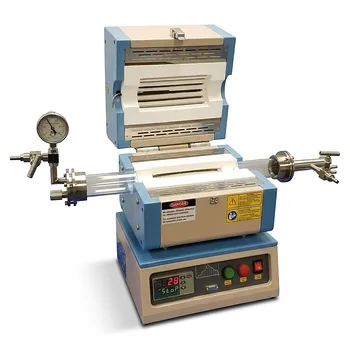
Compact Split Tube Furnace with Integrated Vacuum System and Precision Temperature Calibrator

Compact Vertical Split Quartz Tube Furnace with Stainless Steel Vacuum Flanges for Rapid Thermal Quenching and Controlled Atmosphere Material Processing
