What is the structural significance of the cold-wall design in a vacuum furnace? Enhance Safety & Performance
Updated 5 months ago
The structural significance of the cold-wall design lies in its ability to decouple the mechanical integrity of the furnace from the extreme temperatures of the internal process. By utilizing a double-walled, water-cooled stainless steel vessel, the design ensures that the outer pressure-bearing shell remains at near-ambient temperatures. This separation allows the furnace to operate at temperatures that would otherwise cause structural failure in the outer vessel's material.
The cold-wall design uses an active cooling jacket to protect the structural integrity of the furnace shell. This enables safer operations, significantly higher temperature capabilities, and more efficient cooling cycles by localizing heat within a thermally isolated hot zone.
The Architecture of Thermal Isolation
The Role of the Double-Walled Vessel
The primary structure consists of two layers of high-strength stainless steel separated by a cooling channel. Water circulates through this water-jacketed shell, constantly removing heat that radiates from the interior.
Protecting Structural Integrity
Unlike "hot-wall" designs where the pressure vessel itself is heated, the cold-wall design keeps the load-bearing metal cool. This prevents thermal fatigue and ensures the vessel maintains its rated strength even when internal temperatures exceed several thousand degrees.
Concentration of Heat in the Hot Zone
Inside the vessel, the hot zone is thermally isolated using specialized insulation or radiation shields. This ensures that the energy is focused entirely on the workpiece rather than being lost to the environment or the furnace structure.
Enhancing Operational Performance
Unlocking Extreme Temperature Thresholds
Because the outer vessel is not subjected to high heat, engineers can use materials in the hot zone—like graphite or molybdenum—that operate far beyond the melting point of the outer steel shell. This design is the standard for high-temperature vacuum processing.
Facilitating Rapid Cooling Cycles
The water-cooled jacket acts as a massive heat sink during the quenching phase. This allows the furnace to transition from peak temperatures to a safe handling state much faster than traditional designs, increasing operational throughput.
Improving Workplace Safety
The cold-wall design ensures that the exterior surfaces of the furnace are safe to touch during operation. This minimizes the risk of accidental burns and reduces the thermal load on the facility's HVAC systems.
Understanding the Trade-offs
Complexity of Water Management
The reliance on a water-jacketed shell introduces the need for a robust cooling water system. This requires constant monitoring for flow, temperature, and water quality to prevent mineral buildup or corrosion inside the jacket.
Risk of Internal Leaks
Because water is circulated directly around a vacuum environment, any structural breach in the inner wall could lead to a catastrophic water leak. This would not only ruin the process load but could cause explosive pressure increases as water turns to steam.
Higher Initial Capital Costs
The engineering required for a double-walled, pressure-resistant vessel is significantly more expensive than simpler designs. The cost of high-strength stainless steel and the precision welding required for the cooling channels represent a major upfront investment.
How to Apply This to Your Project
When evaluating whether a cold-wall vacuum furnace is appropriate for your specific application, consider your primary thermal goals.
- If your primary focus is high-temperature processing (>1200°C): The cold-wall design is essential to maintain structural safety and reach these thresholds efficiently.
- If your primary focus is rapid cycle times and throughput: This design provides the necessary heat-sinking capabilities to cool parts quickly and start the next batch.
- If your primary focus is minimizing facility heat load: The cold-wall configuration ensures that the majority of process heat stays within the furnace, protecting your environment.
Selecting a cold-wall design is a strategic decision that prioritizes long-term safety and high-performance capabilities over lower initial costs.
Summary Table:
| Feature | Structural Significance | Operational Benefit |
|---|---|---|
| Water-Jacketed Shell | Maintains outer shell at ambient temperatures | Prevents thermal fatigue & ensures workplace safety |
| Thermal Isolation | Localizes heat within a shielded hot zone | Concentrates energy on workpieces; high efficiency |
| Decoupled Integrity | Separates load-bearing from heat zones | Enables temperatures exceeding 2000°C safely |
| Active Cooling | Acts as a high-capacity heat sink | Facilitates rapid quenching & faster cycle times |
Elevate Your Material Research with THERMUNITS
Is your lab ready for next-generation thermal processing? As a leading manufacturer of high-temperature laboratory equipment, THERMUNITS specializes in delivering high-performance solutions for material science and industrial R&D.
Our extensive range includes Cold-Wall Vacuum Furnaces, Muffle, Atmosphere, Tube, and Rotary furnaces, as well as advanced CVD/PECVD systems and Vacuum Induction Melting (VIM) furnaces. We provide the precision and structural reliability needed for extreme high-temperature applications.
Why choose THERMUNITS?
- Expert Engineering: Optimized thermal isolation and cooling for maximum safety.
- Versatile Solutions: Equipment tailored for dental, industrial, and research sectors.
- Proven Reliability: Trusted by global R&D facilities for consistent results.
Contact our experts today to discuss your specific heat treatment requirements and discover how our advanced furnace technology can accelerate your project success!
Mentioned Products
- Ultra High Temperature Induction Heated Vacuum Furnace with Molten Salt Electrolysis Capability and 3000 Degree Precision Control
- High Temperature 1000C Vacuum Furnace with 8 Inch ID Chamber for Material Sintering and Research Annealing
- 1200°C Bottom Loading Vacuum Furnace with Rapid Gas Cooling and 8.6 Inch Diameter Quartz Chamber
- High Pressure 600T Vacuum Induction Hot Press Furnace for Advanced Material Heat Treatment and Sintering
- High Temperature Vacuum Lamination Hot Press Furnace Machine for Semiconductor Wafer Bonding and Advanced Composite Thermal Processing
People Also Ask
- What roles do an induction furnace and a graphite crucible play in the slag pre-melting process? Optimize Slag Prep.
- What is the function of high-vacuum furnaces in (Mo2/3V1/3)n+1AlCn MAX phase synthesis? Ensure Purity & Diffusion.
- What is the typical operating temperature range for vacuum furnaces? Expert Guide to High-Precision Heat Treatment
- How do vacuum furnaces compare to atmosphere or salt-bath furnaces in terms of material properties? Gain Peak Purity
- What are the technical advantages of using a vacuum furnace over a traditional atmosphere furnace? Maximize Purity

Tech Team · ThermUnits
Last updated on Apr 14, 2026
Related Products
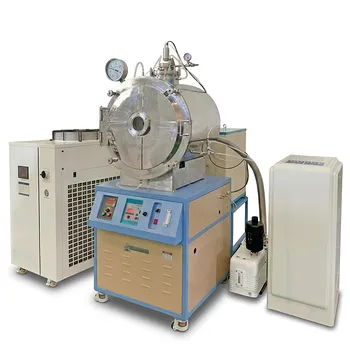
Ultra High Temperature Induction Heated Vacuum Furnace with Molten Salt Electrolysis Capability and 3000 Degree Precision Control
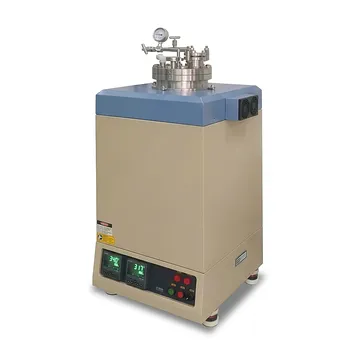
High Temperature 1000C Vacuum Furnace with 8 Inch ID Chamber for Material Sintering and Research Annealing
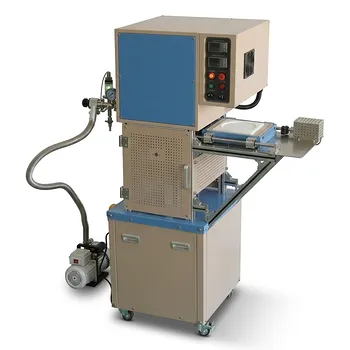
1200°C Bottom Loading Vacuum Furnace with Rapid Gas Cooling and 8.6 Inch Diameter Quartz Chamber
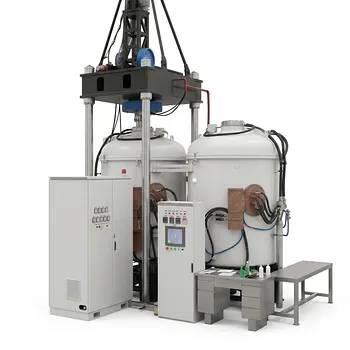
High Pressure 600T Vacuum Induction Hot Press Furnace for Advanced Material Heat Treatment and Sintering
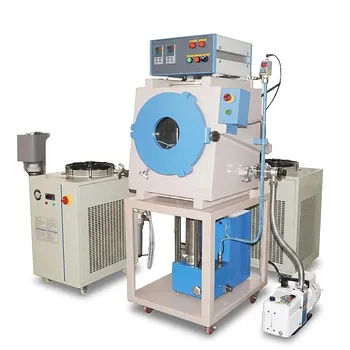
High Temperature Vacuum Lamination Hot Press Furnace Machine for Semiconductor Wafer Bonding and Advanced Composite Thermal Processing
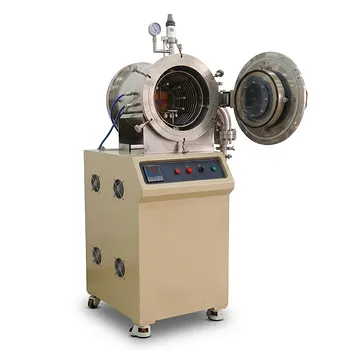
High Temperature Cold Wall High Vacuum Chamber Furnace 1400C for Advanced Material Processing
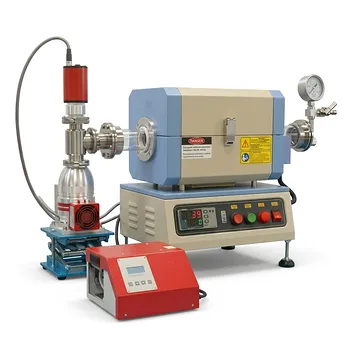
High Vacuum Compact Tube Furnace 1200C with Integrated Turbo Pump System and 8 Inch Heating Zone
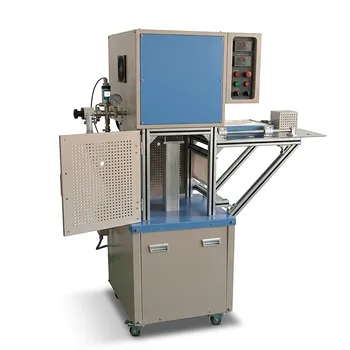
Bottom Loading Vacuum Furnace 1200C Rapid Cooling Atmosphere Control Quartz Chamber
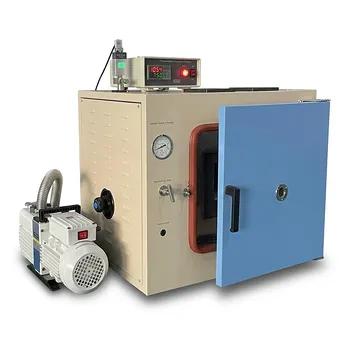
Compact High Vacuum Box Furnace 1050C Max 6.2L Ceramic Chamber Stainless Steel Shell Programmable Temperature Controller for Material Science Research
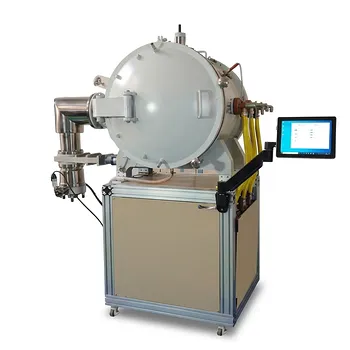
High Temperature Cold Wall Vacuum Furnace for Advanced Material Sintering and Annealing 1600C Heating Area 200x200x300mm
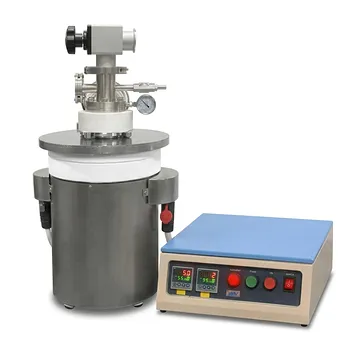
1100C High Temperature Vacuum Crucible Furnace with Quartz Chamber for Thermal Processing and Sintering
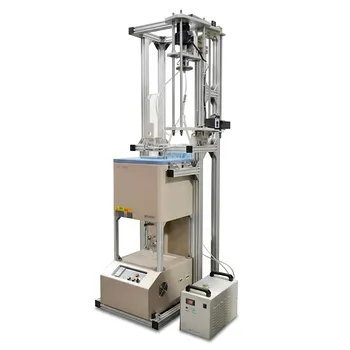
500C Vacuum Vertical Tube Furnace 84mm OD Sample Rotation Lifting System
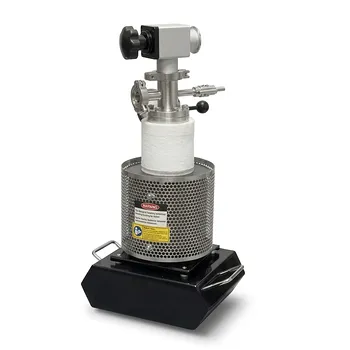
High Temperature 1100C Compact Top Loading Vertical Vacuum Tube Furnace for High Vacuum Noble Metal Melting and Material Research

1800C High Temperature Compact Vacuum Tube Furnace with 60mm OD Alumina Tube and Kanthal MoSi2 Heating Elements
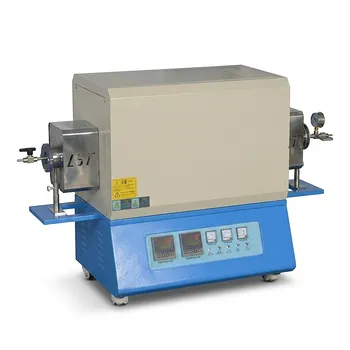
High Temperature Dual Zone Vacuum Tube Furnace for Material Research and CVD Processing
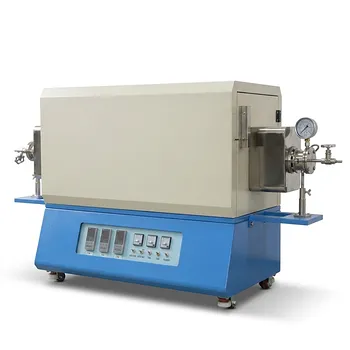
Three Temperature Zone High Temperature Vacuum Tube Furnace for CVD and Material Sintering
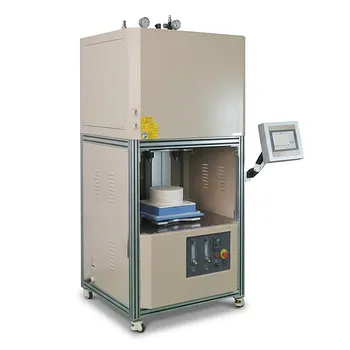
High Temperature Vertical Atmosphere Controlled Furnace 1700C Automatic Bottom Loading 13 Liter Vacuum Thermal System
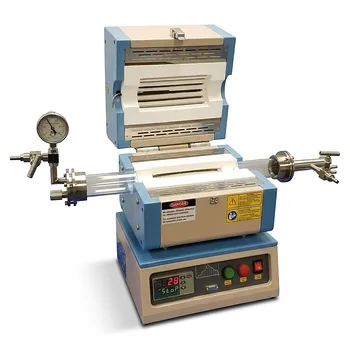
Compact Split Tube Furnace with Integrated Vacuum System and Precision Temperature Calibrator
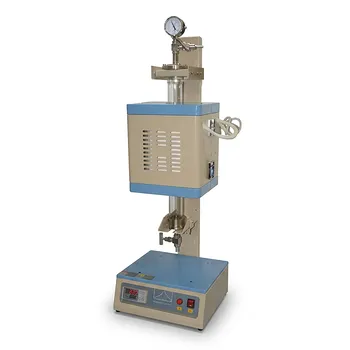
Compact Vertical Split Quartz Tube Furnace with Stainless Steel Vacuum Flanges for Rapid Thermal Quenching and Controlled Atmosphere Material Processing
