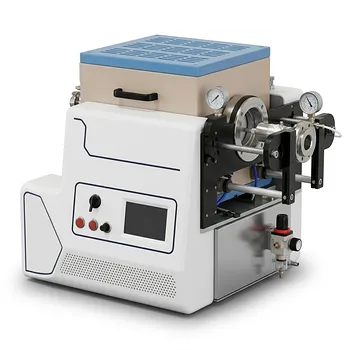
What is the function of a high-temperature vacuum furnace in Ni-Fe-Cu alloy anode preparation for OER performance?
Updated 6 months ago
In the preparation of Ni-Fe-Cu alloy anodes, a high-temperature vacuum furnace serves as the critical environment for microstructural homogenization and oxidation prevention. By maintaining a temperature of 1100°C in the absence of oxygen, the furnace enables the full diffusion of nickel, iron, and copper atoms, resulting in a stable single-phase microstructure. This process is essential for ensuring that subsequent electrochemical evaluations of the oxygen evolution reaction (OER) are accurate and reproducible.
The high-temperature vacuum furnace is the foundational tool for establishing chemical and structural uniformity in alloy anodes. Its primary role is to eliminate compositional segregation and prevent premature oxidation, creating a pristine material baseline for performance testing.
Ensuring Chemical Purity and Oxidation Control
Elimination of Atmospheric Reactivity
At the high temperatures required for alloying, metals like iron and nickel are highly susceptible to oxidation. The vacuum furnace removes oxygen and other reactive gases, preventing the formation of unwanted oxide layers that would interfere with the alloy's intrinsic catalytic properties.
Removal of Gaseous Impurities
The vacuum environment does more than just exclude oxygen; it actively facilitates the removal of dissolved gases and volatile impurities from the raw materials. This results in a high-purity alloy ingot, which is vital for studying the true electrochemical behavior of the Ni-Fe-Cu system without interference from contaminants.
Protection of Reactive Elements
In complex alloy systems, maintaining the exact stoichiometric ratio of elements is difficult if some components oxidize faster than others. The furnace ensures that the intended ratio of Nickel, Iron, and Copper remains intact throughout the heating cycle.
Achieving Microstructural Homogeneity
Facilitating Full Atomic Diffusion
The application of 1100°C heat provides the necessary thermal energy to drive the diffusion of alloy components across grain boundaries. This movement is what allows the distinct elements to blend into a cohesive, uniform material.
Establishing a Single-Phase Microstructure
Without proper homogenization, alloys often suffer from "compositional segregation," where different areas of the metal have different concentrations of elements. The vacuum furnace eliminates these fluctuations, producing a stable single-phase microstructure that reacts predictably during oxygen evolution.
Ensuring Reproducible Performance
For researchers, the goal of using a vacuum furnace is to create an "accurate baseline." By ensuring every part of the anode is structurally identical, any measured electrochemical performance can be confidently attributed to the alloy composition rather than structural defects.
Driving Material Densification and Stress Relief
Thermal Stress Reduction
The controlled heating and cooling cycles within the furnace allow for the relief of internal stresses caused by initial casting or mechanical shaping. This prevents the anode from cracking or degrading prematurely during the rigorous conditions of electrolysis.
Promoting High Relative Density
In sintering applications, the vacuum environment promotes the movement of atoms into microscopic pores, significantly increasing the material's density. High density is critical for anodes, as it reduces the internal resistance and improves the overall efficiency of the oxygen evolution reaction.
Understanding the Trade-offs
Equipment and Operational Costs
High-temperature vacuum furnaces require significant capital investment and specialized maintenance compared to standard atmospheric furnaces. The cost of achieving a high-vacuum state and maintaining precise 1100°C control must be weighed against the purity requirements of the project.
Processing Time Constraints
The vacuum environment necessitates slow heating and cooling rates to protect the heating elements and the material integrity. This makes it a "batch" process that can become a bottleneck in high-throughput production environments.
Potential Element Volatilization
Under extreme vacuum and high temperature, certain alloying elements with high vapor pressures may begin to "boil off" or sublime. Operators must carefully calibrate the vacuum level to ensure they are removing impurities without losing the primary alloying components.
Applying This Process to Your Material Goals
Recommendations for Anode Development
- If your primary focus is fundamental catalytic research: Use the highest possible vacuum and 1100°C annealing to ensure a pristine, single-phase surface for clear data.
- If your primary focus is industrial durability: Prioritize the multi-stage sintering programs to maximize densification and grain boundary bonding.
- If your primary focus is cost-effective scaling: Consider argon-shielded atmospheric furnaces as a benchmark to determine if the high-vacuum environment is strictly necessary for your specific alloy performance.
The high-temperature vacuum furnace remains the gold standard for creating the structural and chemical uniformity required for high-performance electrochemical materials.
Summary Table:
| Function | Key Benefit | Impact on OER Performance |
|---|---|---|
| Oxidation Control | Prevents unwanted oxide layers | Ensures pristine catalytic surfaces |
| Homogenization | Single-phase microstructure | Provides uniform, reproducible data |
| Densification | Reduced internal resistance | Increases electrolysis efficiency |
| Stress Relief | Prevents structural cracking | Enhances long-term anode durability |
Optimize Your Anode Research with THERMUNITS
Elevate your material science R&D with THERMUNITS, a leading manufacturer of high-temperature laboratory equipment. Our precision Vacuum, Atmosphere, Tube, and Hot Press furnaces are engineered to provide the perfect homogenization environment for Ni-Fe-Cu alloys and other advanced materials.
From CVD/PECVD systems to vacuum induction melting furnaces (VIM), we offer comprehensive thermal processing solutions designed to ensure chemical purity and structural integrity. Contact us today to discuss how our heat treatment technology can accelerate your OER performance breakthroughs!
References
- Kamaljeet Singh, Guðrún Sævarsdóttir. Overpotential on Oxygen-Evolving Platinum and Ni-Fe-Cu Anode for Low-Temperature Molten Fluoride Electrolytes. DOI: 10.1007/s11837-024-06425-5
Mentioned Products
- High Temperature 1000C Vacuum Furnace with 8 Inch ID Chamber for Material Sintering and Research Annealing
- 1100C High Temperature Vacuum Crucible Furnace with Quartz Chamber for Thermal Processing and Sintering
- 1750°C High Temperature Benchtop Vacuum Atmosphere Tube Furnace with Kanthal Super 1800 Heating Elements and 60mm Alumina Processing Tube
- High Temperature Cold Wall High Vacuum Chamber Furnace 1400C for Advanced Material Processing
- 1800C High Temperature Compact Vacuum Tube Furnace with 60mm OD Alumina Tube and Kanthal MoSi2 Heating Elements
People Also Ask
- How does sintering furnace accuracy affect copper-graphene composites? Master Microstructure & Performance
- How does the temperature control precision of a high-temperature sintering furnace affect Na1+xLa1-xZr2O6-δ ceramics?
- How does a high-temperature sintering furnace environment enhance NdFeB magnets? Achieve 98%+ density with precision.
- What role does a high-temperature annealing furnace play in forming ordered Pt3(CoNi) intermetallic catalysts?
- What is the function of high-vacuum furnaces in (Mo2/3V1/3)n+1AlCn MAX phase synthesis? Ensure Purity & Diffusion.

Tech Team · ThermUnits
Last updated on Apr 14, 2026
Related Products
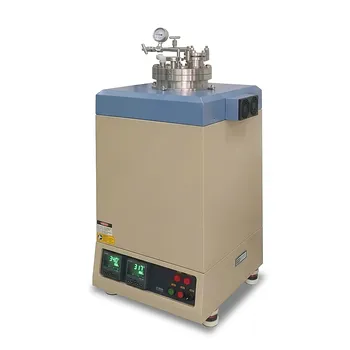
High Temperature 1000C Vacuum Furnace with 8 Inch ID Chamber for Material Sintering and Research Annealing
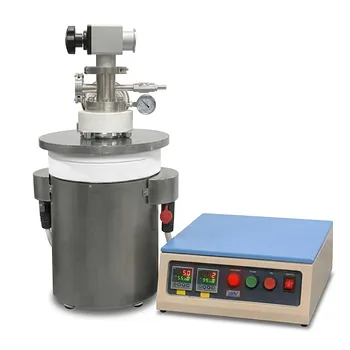
1100C High Temperature Vacuum Crucible Furnace with Quartz Chamber for Thermal Processing and Sintering
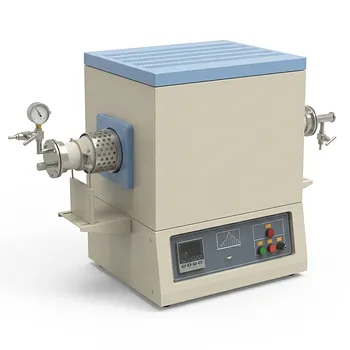
1750°C High Temperature Benchtop Vacuum Atmosphere Tube Furnace with Kanthal Super 1800 Heating Elements and 60mm Alumina Processing Tube
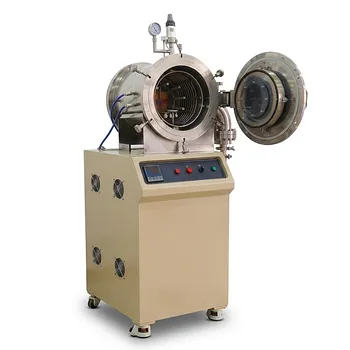
High Temperature Cold Wall High Vacuum Chamber Furnace 1400C for Advanced Material Processing
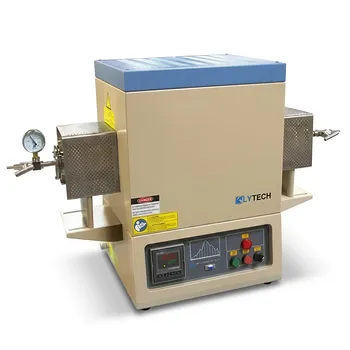
1800C High Temperature Compact Vacuum Tube Furnace with 60mm OD Alumina Tube and Kanthal MoSi2 Heating Elements
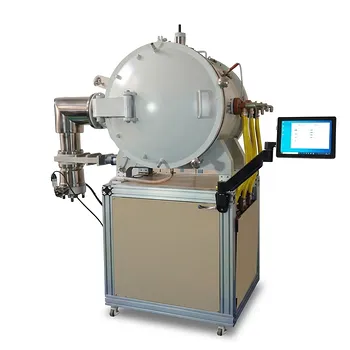
High Temperature Cold Wall Vacuum Furnace for Advanced Material Sintering and Annealing 1600C Heating Area 200x200x300mm
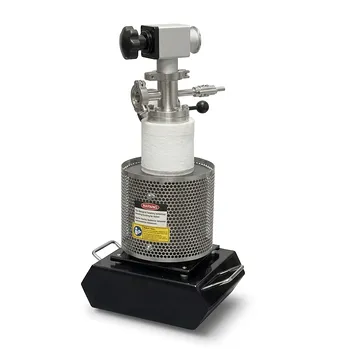
High Temperature 1100C Compact Top Loading Vertical Vacuum Tube Furnace for High Vacuum Noble Metal Melting and Material Research
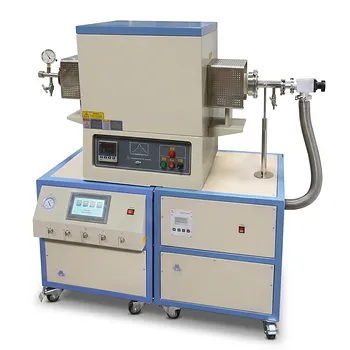
High Temperature 1700C Tube Furnace with High Vacuum Turbomolecular Pump System and Multi Channel Mass Flow Controller Gas Mixer
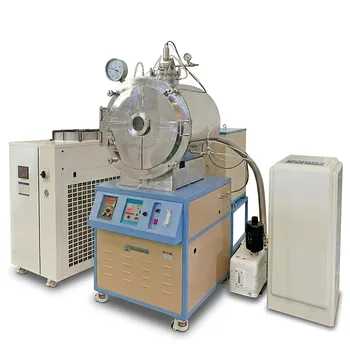
Ultra High Temperature Induction Heated Vacuum Furnace with Molten Salt Electrolysis Capability and 3000 Degree Precision Control
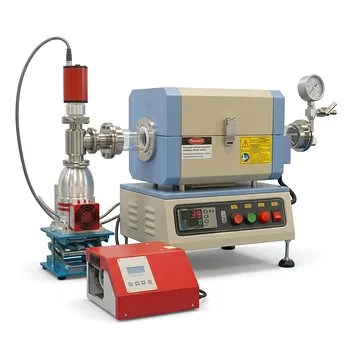
High Vacuum Compact Tube Furnace 1200C with Integrated Turbo Pump System and 8 Inch Heating Zone
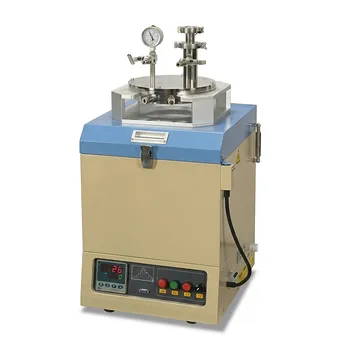
Vertical Vacuum Furnace 1100C High Temperature 8 Inch Quartz Chamber Water Cold Flange System
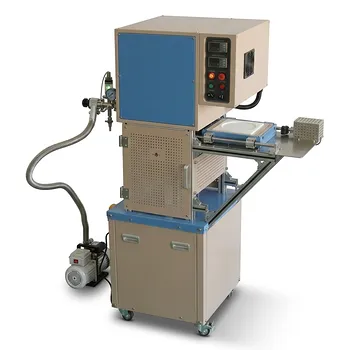
1200°C Bottom Loading Vacuum Furnace with Rapid Gas Cooling and 8.6 Inch Diameter Quartz Chamber
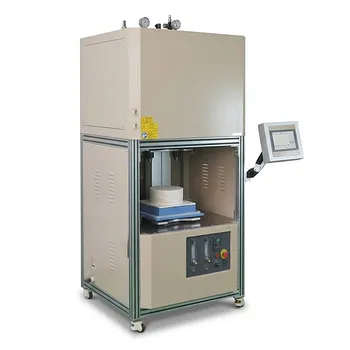
High Temperature Vertical Atmosphere Controlled Furnace 1700C Automatic Bottom Loading 13 Liter Vacuum Thermal System
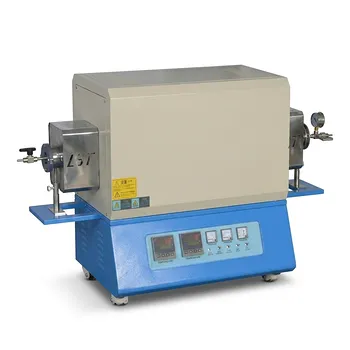
High Temperature Dual Zone Vacuum Tube Furnace for Material Research and CVD Processing
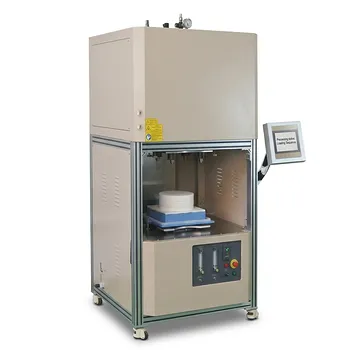
High Temperature Vertical Atmosphere Controlled Furnace with Automatic Bottom Loading and 1700°C Capacity for Advanced Material Research
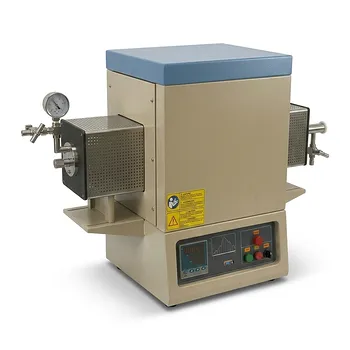
High Temperature 1700C Benchtop Tube Furnace with 5 Inch Heating Zone High Purity Alumina Tube and Vacuum Sealing Flanges
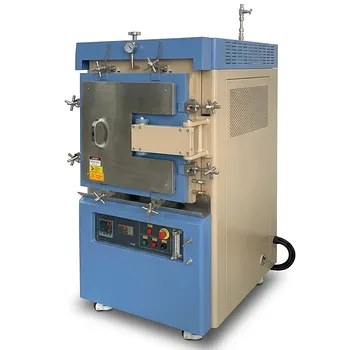
Atmosphere Controlled Muffle Furnace 1700C Maximum Temperature 80L High Capacity Vacuum Inert Gas Box Furnace
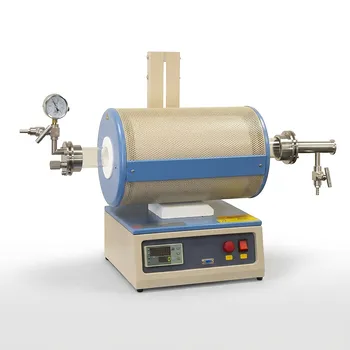
1100C Tube Furnace with Vacuum Flange and Programmable Temperature Controller for Material Science and Industrial Heat Treatment
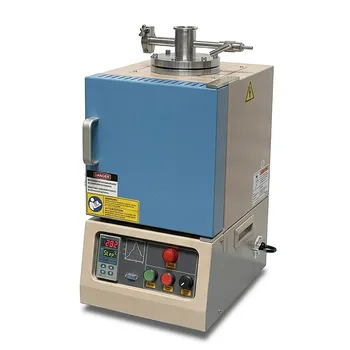
High Temperature Hybrid Muffle and Tube Furnace with Vacuum Capability and PID Control