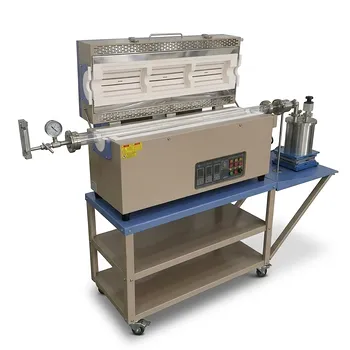
What technical challenges does an experimental rotary kiln address? Solve Heating Inconsistency & Enhance Phase Purity
Updated 3 months ago
An experimental rotary kiln is a critical solution for overcoming the inherent limitations of static thermal processing. By utilizing a rotating furnace tube to maintain a state of "dynamic tumbling," it directly addresses three primary technical barriers: thermal gradient imbalances (uneven heating), stagnant gas-solid interaction (mass transfer limitations), and localized material sintering or clumping.
The experimental rotary kiln transforms powder processing from a static, diffusion-limited environment into a dynamic, uniform system. It ensures that every particle experiences an identical thermal and chemical history, which is essential for achieving high phase purity and consistent material morphology.
Overcoming Thermal and Chemical Stagnation
Eliminating Internal Thermal Gradients
In traditional static heating, such as in a box furnace, the "bulk stacking" of powder creates a thermal barrier where the exterior reaches temperature long before the core. Experimental rotary kilns solve this by continuously tumbling the material, ensuring that every particle is exposed to the heat source. This results in superior uniformity and prevents the common issue of local overheating or uneven sintering.
Enhancing Gas-Solid Exchange Efficiency
For processes involving calcination or atmospheric modification, the gas must penetrate the powder bed to react. Static beds suffer from low exchange efficiency because the gas only touches the surface layer. The constant surface renewal provided by a rotating kiln body allows the process atmosphere to reach every particle, facilitating complete chemical reactions and high phase purity.
Preventing Material Agglomeration
Powder materials processed at high temperatures often tend to clump or form "bridges" between particles. The mechanical motion of the kiln keeps the powder in a state of dynamic tumbling, which physically disrupts the formation of aggregates. This is particularly valuable for maintaining the morphology and specific surface area required in battery materials and catalyst production.
Achieving Precision in Material Modification
Consistency in Large-Scale Modification
Research involving the modification of powders requires that the entire batch undergoes the same transformation. The rotary kiln provides a consistent physical and chemical environment, which is vital for research involving catalyst loading or large-scale uniform modification. This consistency ensures that laboratory-scale results are reproducible and scalable.
Control Over Reaction Progress
Because the kiln allows for continuous processing, researchers can achieve precise control over residence time and temperature profiles. This dynamic sintering process ensures that the reaction progress is uniform across the entire sample, avoiding the mix of reacted and unreacted materials often found in static beds.
Understanding the Trade-offs and Challenges
Particle Attrition and Dusting
While tumbling ensures uniformity, the mechanical action can lead to particle attrition, where fragile powders break down into finer dust. This can alter the final particle size distribution and may require additional filtration or dust collection systems to manage.
Complexity of Residence Time
In a continuous rotary system, ensuring every particle stays in the heated zone for the exact same amount of time is challenging. Factors such as kiln inclination, rotation speed, and feed rate must be carefully calibrated to avoid a "short-circuiting" effect where some material passes through too quickly.
Mechanical Wear and Seal Integrity
Maintaining a controlled atmosphere (such as inert or reactive gases) is more difficult in a rotating system than a static one. The integrity of the rotary seals is a common point of failure and requires regular maintenance to prevent atmospheric contamination or gas leaks.
How to Apply Rotary Kiln Technology to Your Project
Before selecting an experimental rotary kiln, identify the specific processing goals of your powder material to ensure the equipment configuration matches your technical needs.
- If your primary focus is phase purity and chemical uniformity: Prioritize a kiln with precise atmospheric controls and a furnace tube material that will not contaminate your specific powder chemistry.
- If your primary focus is large-scale catalyst loading: Select a system with adjustable rotation speeds and inclination angles to fine-tune the "tumbling" rate for optimal gas-solid contact.
- If your primary focus is preventing sintering in sensitive powders: Look for a kiln with high-precision temperature zoning to prevent localized hotspots that trigger premature particle bonding.
The experimental rotary kiln remains the definitive tool for researchers who require the highest levels of thermal uniformity and atmospheric interaction in powder processing.
Summary Table:
| Technical Challenge | Rotary Kiln Solution | Impact on Material Quality |
|---|---|---|
| Thermal Gradients | Dynamic tumbling & constant rotation | Uniform heating; prevents local overheating |
| Stagnant Gas Exchange | Continuous surface renewal | High phase purity; complete chemical reactions |
| Material Agglomeration | Mechanical disruption of particles | Maintains morphology & specific surface area |
| Process Inconsistency | Precise residence time & temp control | Reproducible results for R&D scaling |
Elevate Your Material Research with THERMUNITS
Are you struggling with inconsistent heat treatment in your powder processing? THERMUNITS is a leading manufacturer of high-temperature laboratory equipment specifically designed for material science and industrial R&D. Our advanced electric rotary kilns and rotary tube furnaces are engineered to eliminate thermal gradients and ensure superior chemical uniformity.
Beyond rotary systems, we offer a comprehensive suite of thermal processing solutions tailored to your specific needs, including:
- Furnaces: Muffle, Vacuum, Atmosphere, Tube, and Hot Press furnaces.
- Advanced Systems: CVD/PECVD systems, Dental Furnaces, and Vacuum Induction Melting (VIM) furnaces.
- Components: High-quality Thermal Elements and specialized lab equipment.
Ready to achieve high phase purity and consistent material morphology? Let our experts help you select the perfect equipment for your project.
Contact THERMUNITS Today for a Professional Consultation
References
- Yulian He, Zhiyong Han. Preparation of the Amorphous NiCoP Nanosheet Array on Carbon Cloth for High‐Performance Solid‐State Hybrid Supercapacitor. DOI: 10.1002/slct.202304554
Mentioned Products
- Electric Rotary Kiln Small Rotary Furnace for Activated Carbon Regeneration
- Electric Rotary Kiln Continuous Working Small Rotary Furnace Heating Pyrolysis Plant
- Electric Rotary Kiln Small Rotary Furnace Biomass Pyrolysis Plant
- Three Zone Rotary Tube Furnace for High Temperature Powder Processing and Material Research
- 900°C Max Rotary Tube Furnace with 8 Inch 310S Alloy Tube and Optional Multi Zone Heating for Industrial Material Calcination
People Also Ask
- What are the primary components and heating mechanisms of an electric rotary kiln? Optimize High-Purity Heat Treatment
- Which minerals and specialty chemicals are commonly processed using electric rotary kilns? Precision Thermal Processing Guide
- What are the maintenance and service life advantages of an electric rotary kiln? 25+ Year Longevity & Low Maintenance
- How does the use of an electric rotary kiln facilitate CO2 capture in cement and lime production? Achieve High-Purity CCUS
- What thermal efficiency can be expected from an electric rotary kiln compared to fuel-fired alternatives? Gain 95% efficiency.

Tech Team · ThermUnits
Last updated on Jun 02, 2026
Related Products
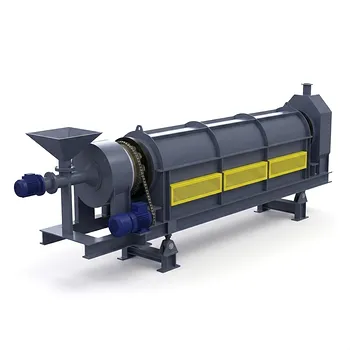
Electric Rotary Kiln Small Rotary Furnace for Activated Carbon Regeneration
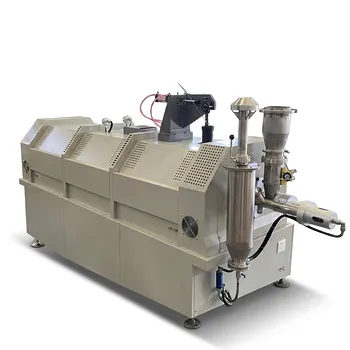
Electric Rotary Kiln Continuous Working Small Rotary Furnace Heating Pyrolysis Plant
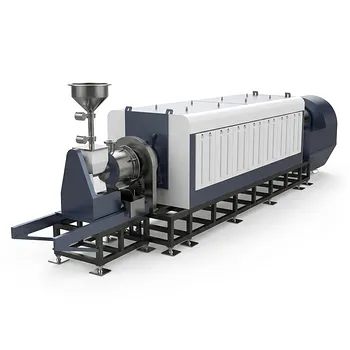
Electric Rotary Kiln Small Rotary Furnace Biomass Pyrolysis Plant
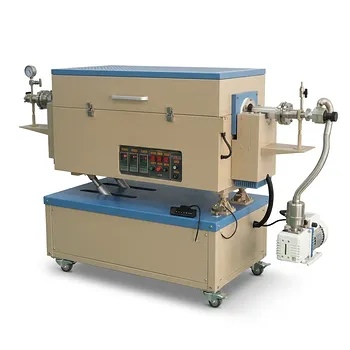
Three Zone Rotary Tube Furnace for High Temperature Powder Processing and Material Research
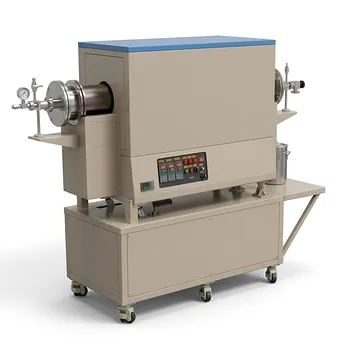
900°C Max Rotary Tube Furnace with 8 Inch 310S Alloy Tube and Optional Multi Zone Heating for Industrial Material Calcination
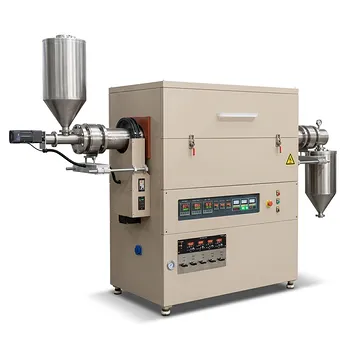
High Temperature Tilting Rotary Tube Furnace with Integrated Mass Flow Control and Multi Zone Heating
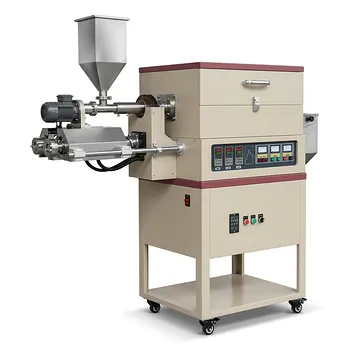
Laboratory Tilting Rotary Tubular Furnaces for Material Science and Industrial Heat Treatment
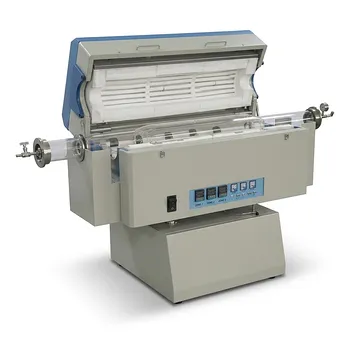
Large Three Temperature Zone Rotating Tube Furnace for High Uniformity Material Sintering
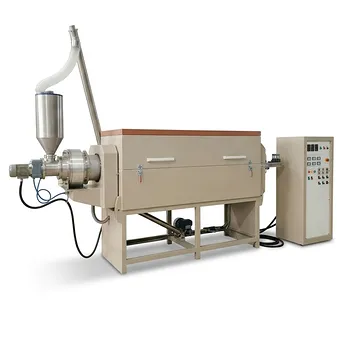
Continuous Feeding Rotary Tube Furnace for Industrial Powder Heat Treatment and Material Research
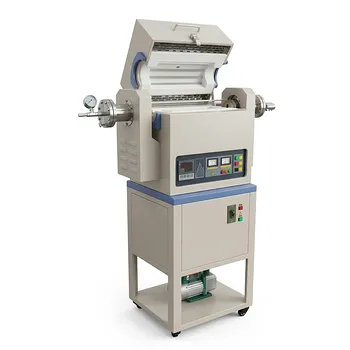
High Temperature Rotary Tilt Tubular Furnaces for Advanced Powder Sintering and Material Processing
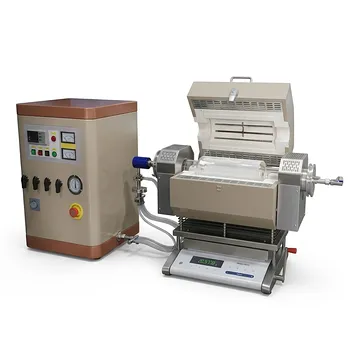
Mini Rotary Tubular Furnaces for Precision Powder Heat Treatment and Thermogravimetric Analysis
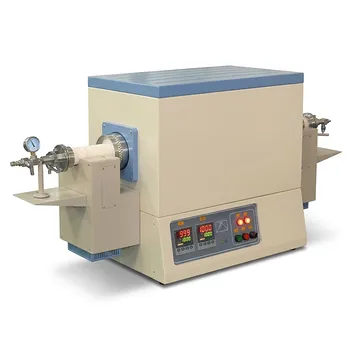
High Temperature 1700C Dual Zone Rotary Tube Furnace with 60mm Alumina Tube and Precision Rotation Control
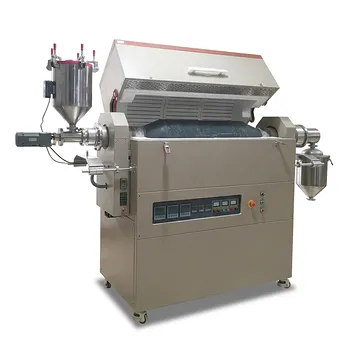
High Temperature Tilting Rotary Tubular Furnace for Continuous Powder Thermal Processing and Controlled Atmosphere Sintering
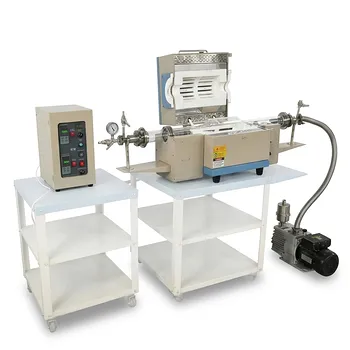
Two Zone Rotary Tube Furnace for Powder CVD Coating and Core Shell Material Synthesis 1100C
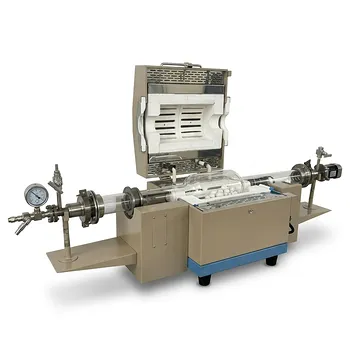
High Temperature Rotary Tube Furnace with Integrated Ball Milling and Gas Flow Function for Powder Nitriding
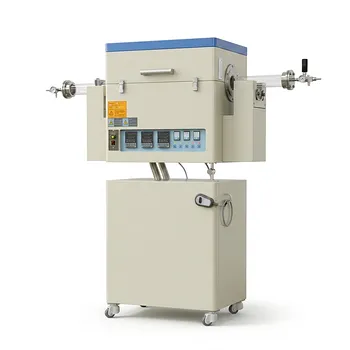
Three Temperature Zone Rotating Tube Furnace for Material Sintering and Controlled Atmospheric Heat Treatment
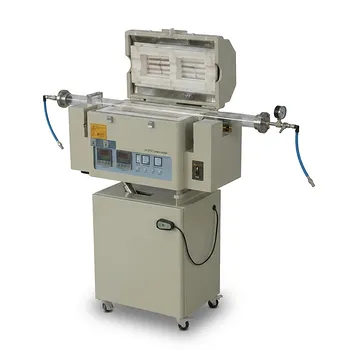
Double Temperature Revolving Tube Furnace with Precision Rotation and Adjustable Inclination for Advanced Material Research
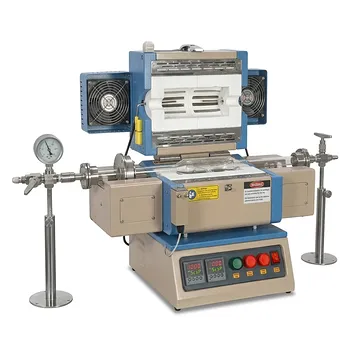
Dual Zone Rotary Tube Furnace for Uniform Powder Calcination 1000C 2 Inch Quartz Tube
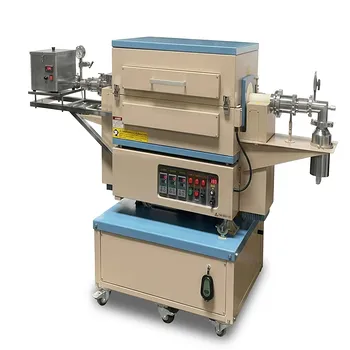
1500C 3-Zone Rotary Tube Furnace 60mm with Automatic Powder Feeding and Receiving System for Continuous Material Synthesis