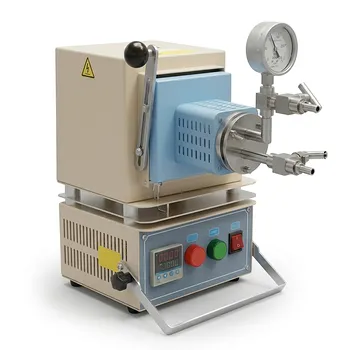
Which materials are used for the insulation layer in a muffle furnace and why are they important? Expert Material Guide
Updated 5 months ago
The primary materials used for muffle furnace insulation are high-temperature ceramic fibers and refractory alumina-silica composites. These materials are selected for their exceptional thermal resistance and low thermal conductivity. They serve as a critical barrier that contains heat within the internal chamber while protecting the surrounding environment.
High-quality insulation is the foundational component of muffle furnace design. It ensures the system operates with maximum energy efficiency, provides a stable environment for sensitive thermal processes, and maintains a safe exterior temperature for operators.
The Essential Materials of Muffle Insulation
High-Temperature Ceramic Fibers
These lightweight materials are the industry standard for modern muffle furnaces. Ceramic fibers possess a very low thermal mass, which allows the furnace to heat up and cool down rapidly, significantly increasing throughput.
Alumina-Silica Refractory Composites
For applications requiring higher structural integrity, alumina-silica composites are used. These refractory materials are dense and highly resistant to chemical erosion, making them ideal for containing the "muffle" chamber in harsh environments.
Specialized Shields for Vacuum Environments
In specialized vacuum muffle furnaces, insulation may shift toward molybdenum sheets or graphite. These materials act as radiation shields rather than traditional bulk insulation, chosen for their ability to withstand temperatures up to 2,200 °C without outgassing.
Why Insulation is Critical to Performance
Maximizing Energy Efficiency
The primary role of the insulation layer is to minimize heat loss through the furnace walls. By trapping thermal energy within the chamber, the system requires less power from the heating elements (such as Kanthal or MoSi2) to maintain a set temperature.
Ensuring Thermal Stability and Uniformity
Precise scientific and industrial processes require internal temperature stability. High-grade insulation prevents "cold spots" and fluctuations, ensuring that the sample inside the muffle is heated evenly from all sides.
Operator Safety and Equipment Protection
Without an effective insulation layer, the outer casing of the furnace would reach dangerous temperatures. The insulation protects the electronic components of the furnace from heat damage and ensures the laboratory environment remains at a manageable temperature.
Understanding the Trade-offs
Thermal Mass vs. Durability
Lightweight fiber insulation offers the best energy efficiency and speed but is physically fragile. If your process involves mechanical wear or frequent contact with the walls, denser refractory materials are necessary despite their slower heating times.
Temperature Limits and Degradation
Every insulation material has a maximum service temperature. Exceeding these limits—especially in ultra-high temperature applications reaching 1,800 °C—can cause ceramic fibers to shrink or "vitrify," leading to heat leaks and potential damage to the furnace shell.
Cost vs. High-Purity Requirements
While graphite and molybdenum are superior for high-purity vacuum processes, they are significantly more expensive than ceramic fibers. Choosing the wrong material for the atmosphere (such as using graphite in an oxidizing environment) will lead to rapid material failure.
How to Apply This to Your Project
When selecting or maintaining a muffle furnace, your choice of insulation should align with your specific operational requirements.
- If your primary focus is rapid cycle times: Prioritize high-temperature ceramic fiber insulation to benefit from its low thermal mass and quick cooling capabilities.
- If your primary focus is longevity in harsh conditions: Select alumina-silica refractory bricks or composites, which offer greater resistance to physical wear and chemical vapors.
- If your primary focus is ultra-high temperature vacuum work: Invest in molybdenum or graphite shielding to ensure the insulation can withstand temperatures exceeding 1,800 °C without degrading.
Correctly matching the insulation material to your thermal goals is the single most effective way to ensure long-term furnace reliability and energy savings.
Summary Table:
| Material Type | Key Properties | Best Application Case |
|---|---|---|
| Ceramic Fibers | Low thermal mass, lightweight | Rapid heating/cooling cycles |
| Alumina-Silica | High density, chemical resistance | Harsh environments & physical durability |
| Molybdenum | Radiation shielding, ultra-high temp | High-purity vacuum processes (up to 2,200°C) |
| Graphite | Exceptional heat resistance | Vacuum or inert atmosphere applications |
Elevate Your R&D Precision with THERMUNITS
Thermal efficiency starts with superior design. As a leading manufacturer of high-temperature laboratory equipment, THERMUNITS provides advanced thermal processing solutions tailored for material science and industrial research.
Whether you need high-performance Muffle, Vacuum, Atmosphere, or Tube furnaces, or specialized systems like CVD/PECVD, Rotary Kilns, and Hot Press furnaces, we ensure your equipment is built with the highest-grade insulation for maximum stability and energy savings.
Ready to optimize your laboratory heat treatment?
Contact Our Technical Experts Today to find the perfect solution for your specific requirements!
Mentioned Products
- High Temperature Benchtop Muffle Furnace 1700C 10L Chamber Alumina Fiber Insulation MoSi2 Heating Elements
- 1200°C Small Box Furnace 4.2 Liter Programmable Muffle Furnace with High Purity Alumina Insulation and PID Control
- Five Side Heating Muffle Furnace High Purity Alumina Fiber 27L Chamber 1200C High Temperature Thermal Processing System for Sintering Annealing and Materials Research
- Five Side Heating Muffle Furnace 1200C High Uniformity 64L Chamber 16x16x16 Inch Industrial Heat Treatment
- 1200C Muffle Furnace 12x8x5 7.2L Heating Chamber with Quartz Observation Window and Vent Port
People Also Ask
- What is the function of a muffle furnace in aluminoborosilicate glass prep? Stabilize Raw Materials for Superior Purity
- What is the purpose of using muffle or tube furnaces in glass synthesis? Achieve Precise Melt-Quenching & Homogeneity
- What is the function of a high-temp muffle furnace in Ni-V oxide synthesis? Optimize your material's performance.
- What is the function of a high-temperature muffle furnace in phosphorus-modified zeolite catalyst preparation?
- What role does a high-temperature muffle furnace play in evaluating the mineral composition of rock samples? LOI & XRF Guide

Tech Team · ThermUnits
Last updated on Apr 14, 2026
Related Products
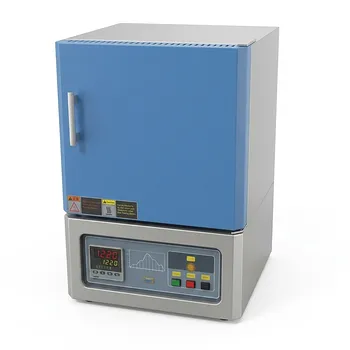
High Temperature Benchtop Muffle Furnace 1700C 10L Chamber Alumina Fiber Insulation MoSi2 Heating Elements
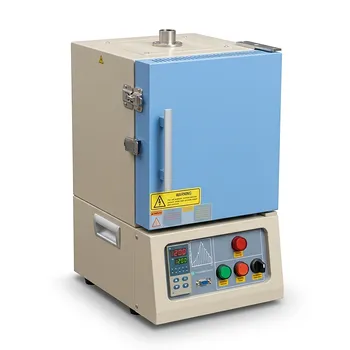
1200°C Small Box Furnace 4.2 Liter Programmable Muffle Furnace with High Purity Alumina Insulation and PID Control
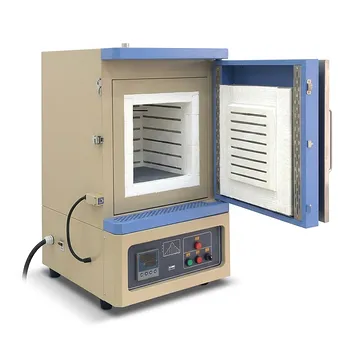
Five Side Heating Muffle Furnace High Purity Alumina Fiber 27L Chamber 1200C High Temperature Thermal Processing System for Sintering Annealing and Materials Research
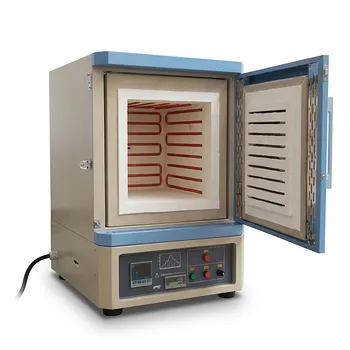
Five Side Heating Muffle Furnace 1200C High Uniformity 64L Chamber 16x16x16 Inch Industrial Heat Treatment
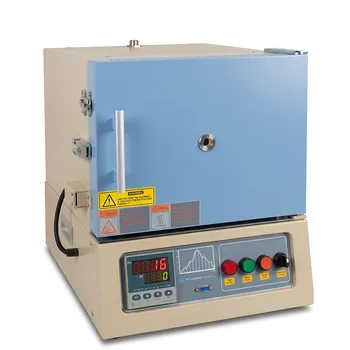
1200C Muffle Furnace 12x8x5 7.2L Heating Chamber with Quartz Observation Window and Vent Port
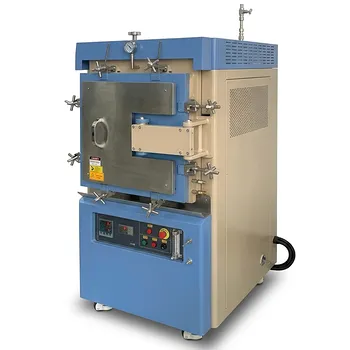
Atmosphere Controlled Muffle Furnace 1700C Maximum Temperature 80L High Capacity Vacuum Inert Gas Box Furnace
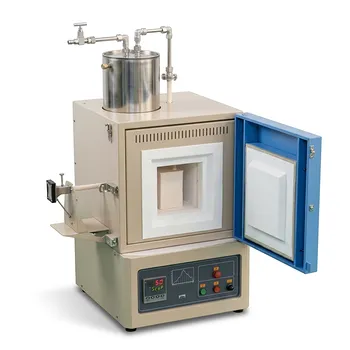
High Temperature Bench Top Muffle Furnace 1700C with Integrated Evaporating Particle Collection and 8x8x8 Alumina Fiber Chamber
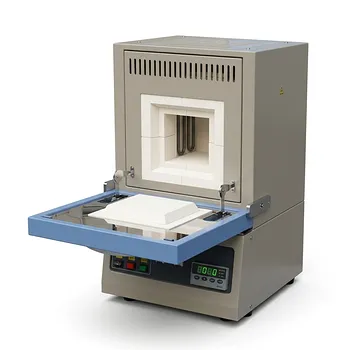
Five Sided Heating Muffle Furnace High Uniformity 1200C Lab Box Furnace 27L Alumina Fiber Chamber
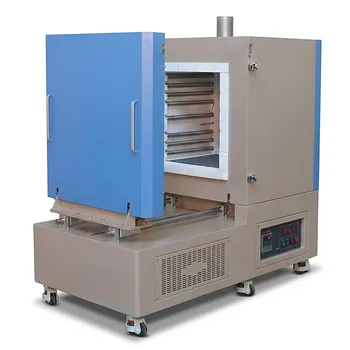
1200C Five Side Heating Muffle Furnace with Sliding Door 125L Volume High Temperature Heat Treatment System for Large Scale Sintering and Annealing
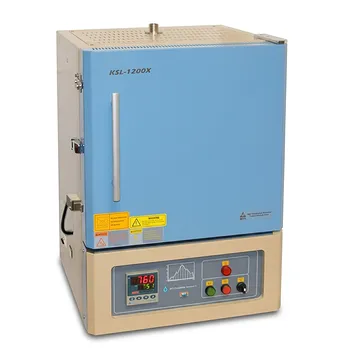
High Temperature 1200C Muffle Furnace 27L Volume 12x12x12 Chamber with Programmable PID Controller for Laboratory Material Science
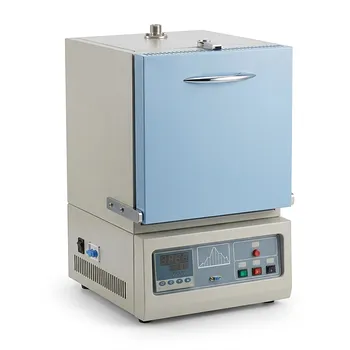
1750C Compact Muffle Furnace 1.7L Ultra High Temperature Laboratory Sintering System for Advanced Ceramics and Material Science Research
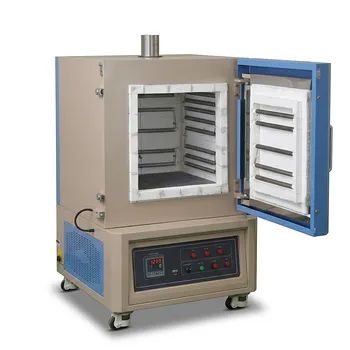
1200C High Temperature 125L Muffle Furnace 5 Side Heating for Large Batch Sintering with Optional Alloy Debinding Chamber
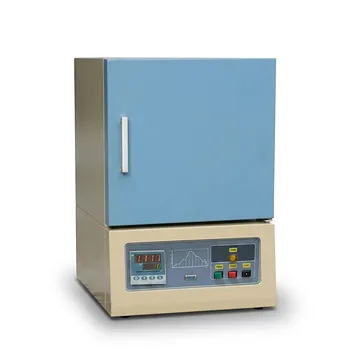
Ultra High Temperature Bench Top Muffle Furnace 1750C Sintering System with Kanthal Super Heating Elements and Precision Digital Control
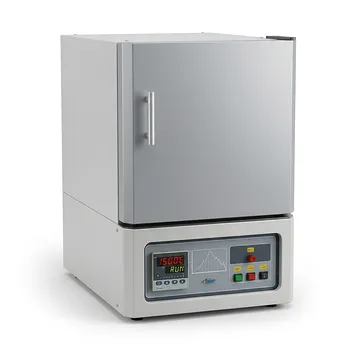
High Temperature 1500C Benchtop Muffle Furnace 3.6L Alumina Fiber Chamber Programmable Controller Sintering Annealing Carbonization Thermal Processing System
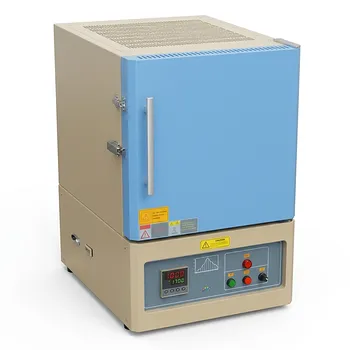
Large Bench Top 1700C High Temperature Muffle Furnace with 19L Chamber for Advanced Material Sintering and Annealing
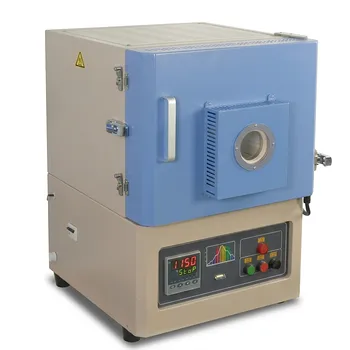
High Temperature Benchtop Muffle Furnace with Quartz Observation Window for Thermal Imaging and Material Analysis
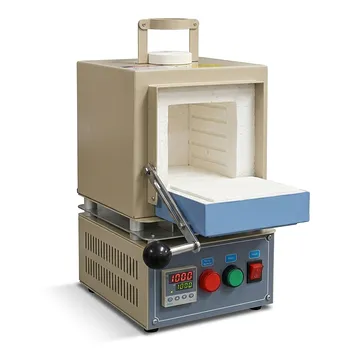
Compact 1000C Muffle Furnace with Programmable Controller and 2 Inch Top Port for Vacuum and Atmosphere Material Research
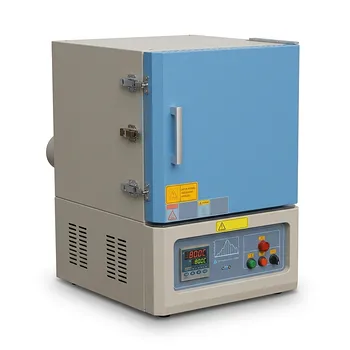
1800C Bench Top Muffle Furnace 18 Liters with Kanthal Super 1900 Heating Elements for High Purity Ceramic Sintering and Material Research
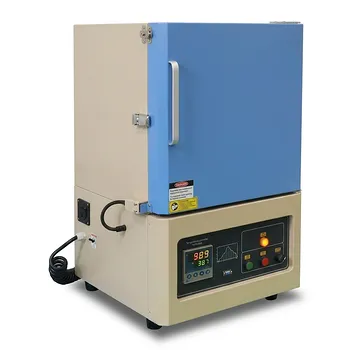
1200°C High Temperature Muffle Furnace 19L Chamber with 50 Segment Programmable Controller