How do dental furnaces ensure thermal uniformity within the firing chamber? Advanced Insulation & Precision PID Control
Updated 5 months ago
Dental furnaces achieve thermal uniformity through a combination of high-purity refractory insulation and multi-dimensional heating element configurations. This dual approach minimizes heat loss while ensuring that energy is distributed evenly across the firing chamber, often maintaining temperature consistency within a range of ±5 K or better.
The technical objective of a dental furnace is to create a "homogenous heat zone" where physical insulation prevents leakage and electronic PID controllers modulate power to prevent hot spots or thermal lag.
The Physical Architecture of Heat Retention
High-Purity Refractory Insulation
The internal chamber is lined with specialized materials like ceramic fiber or lightweight refractory bricks. These materials possess low thermal conductivity, which traps heat within the chamber and prevents external fluctuations from affecting the internal environment.
Multi-Directional Heating Arrays
To avoid "cold spots," modern furnaces employ all-round heating where elements are arranged concentrically or positioned on the walls, floor, and ceiling. This surrounding heat source ensures that the restoration is irradiated from all angles, facilitating a uniform melt or sinter.
Chamber Geometry and Airflow
The circular or cylindrical design of many firing chambers encourages natural thermal convection. This geometry helps eliminate stagnant air pockets, ensuring that the temperature at the center of the tray matches the temperature near the heating elements.
Intelligent Temperature Modulation
Closed-Loop PID Control
Dental furnaces utilize Proportional-Integral-Derivative (PID) controllers to achieve an accuracy of approximately ±1 °C. This system continuously monitors the chamber via thermocouples and modulates power to the elements in real-time to correct even minor deviations.
Programmable Ramp Rates
Uniformity is not just about a static temperature; it is about how the chamber reaches that temperature. Precise ramp rates (ranging from 20°C to 220°C per minute) ensure the material expands at a steady pace, preventing the internal stresses that lead to micro-cracks.
Vacuum Integration and Material Integrity
In vacuum-sintering furnaces, the extraction of air serves a dual purpose. It removes bubbles from feldspathic ceramics and eliminates air as a medium of heat transfer, which can sometimes cause localized cooling through convection currents.
Understanding the Trade-offs
Element Degradation and Drift
Heating elements and thermocouples degrade over time through repeated thermal cycling. As elements age, their resistance changes, which can lead to "lazy" heating or localized temperature variances if the furnace is not calibrated regularly.
Speed vs. Structural Integrity
While high ramp rates increase throughput, they can outpace the furnace's ability to maintain perfect uniformity. Pushing a furnace to its maximum heating speed often increases the risk of thermal shock and material warping due to the center of the restoration lagging behind the surface temperature.
Maintenance Requirements
High-purity insulation is fragile and can become contaminated by vapors from certain glazes or alloys. Contaminated insulation loses its reflective properties, leading to uneven heat absorption and potentially inconsistent aesthetic results, such as color deviations (delta E).
Applying These Insights to Your Laboratory
Choosing the Right Strategy for Your Goal
To maximize the lifespan of your restorations and the efficiency of your equipment, consider these recommendations based on your specific needs:
- If your primary focus is Aesthetic Precision: Prioritize furnaces with vacuum extraction and multi-stage programmable cycles to ensure complete melting and zero bubble entrapment.
- If your primary focus is High Throughput: Invest in units with advanced PID cooling systems that allow for faster, controlled temperature drops without risking micro-cracks.
- If your primary focus is Long-Term Consistency: Implement a strict monthly calibration schedule to account for thermocouple drift and heating element wear.
Understanding the synergy between insulation, element placement, and electronic control is the key to mastering the firing process.
Summary Table:
| Feature | Technology | Benefit to Lab Results |
|---|---|---|
| Insulation | High-purity ceramic fiber & refractory bricks | Minimizes heat loss and prevents external interference. |
| Heating Array | Multi-directional/Concentric element placement | Eliminates cold spots; ensures 360° uniform irradiation. |
| Control System | Closed-Loop PID Controllers | Maintains precision of ±1°C for consistent sintering. |
| Atmosphere | Vacuum Integration | Removes air pockets and prevents convection-based cooling. |
| Dynamics | Programmable Ramp Rates | Prevents thermal shock and internal material stresses. |
Elevate Your Lab’s Precision with THERMUNITS
Consistency in thermal processing is the backbone of high-quality material science and dental restorations. At THERMUNITS, we specialize in manufacturing industry-leading high-temperature laboratory equipment designed for the most demanding R&D and industrial applications.
Whether you require Dental Furnaces, Vacuum/Atmosphere Furnaces, Muffle Furnaces, or specialized CVD/PECVD systems, our equipment is engineered to provide superior thermal uniformity and long-term reliability. We also offer a full range of Tube, Rotary, Hot Press, and Vacuum Induction Melting (VIM) furnaces, along with high-quality thermal elements to keep your operations running at peak performance.
Ready to optimize your heat treatment workflow? Contact our technical experts today to find the perfect thermal solution tailored to your specific research or production needs.
Mentioned Products
- Dental Porcelain Zirconia Sintering Ceramic Furnace Chairside with Transformer
- Five Sided Heating Muffle Furnace High Uniformity 1200C Lab Box Furnace 27L Alumina Fiber Chamber
- Five Side Heating Muffle Furnace 1200C High Uniformity 64L Chamber 16x16x16 Inch Industrial Heat Treatment
- Dental Porcelain Zirconia Sintering Ceramic Vacuum Press Furnace
- Vacuum Dental Porcelain Sintering Furnace for High Precision Ceramic Restorations
People Also Ask
- How do zirconia sintering furnaces differ from porcelain firing furnaces? Key Technical & Performance Differences
- What technical features ensure temperature precision and material integrity in dental furnaces? Quality Sintering Guide
- What are the practical benefits of using chairside-specific dental furnaces? Boost Single-Visit Dentistry Efficiency.
- What is the importance of dental furnaces in material science research and development? Keys to Ceramic Innovation
- How do sintering and firing differ in a dental furnace? Master the key techniques for flawless restorations.

Tech Team · ThermUnits
Last updated on Apr 14, 2026
Related Products
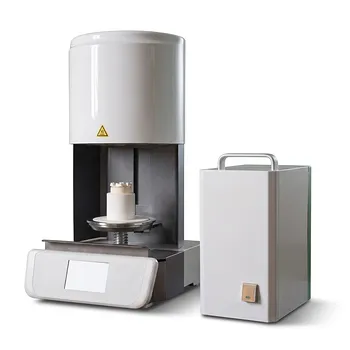
Dental Porcelain Zirconia Sintering Ceramic Furnace Chairside with Transformer
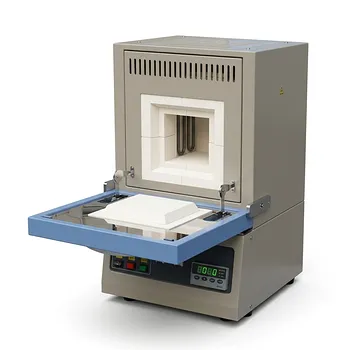
Five Sided Heating Muffle Furnace High Uniformity 1200C Lab Box Furnace 27L Alumina Fiber Chamber
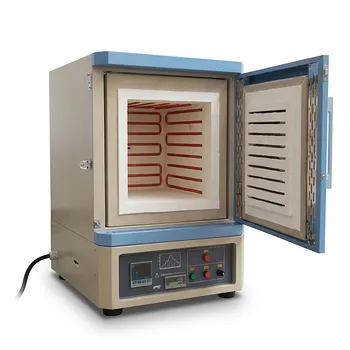
Five Side Heating Muffle Furnace 1200C High Uniformity 64L Chamber 16x16x16 Inch Industrial Heat Treatment
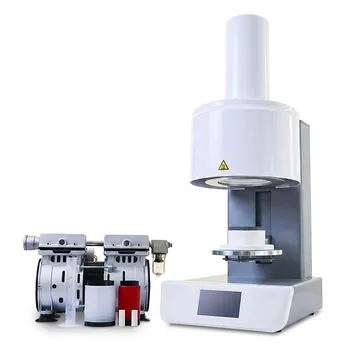
Dental Porcelain Zirconia Sintering Ceramic Vacuum Press Furnace
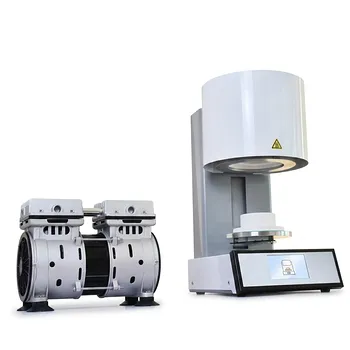
Vacuum Dental Porcelain Sintering Furnace for High Precision Ceramic Restorations
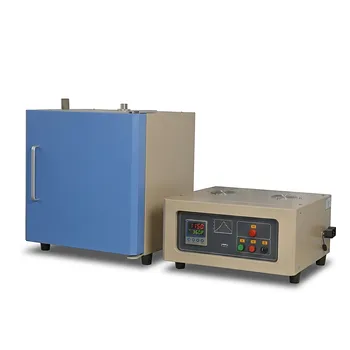
High Temperature Muffle Furnace with Alloy Chamber for Debinding and Sintering Applications
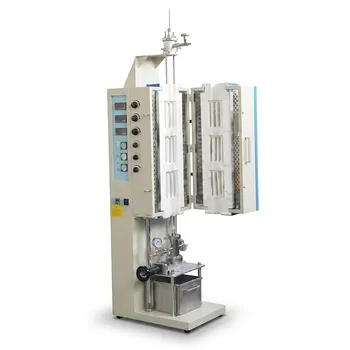
High Temperature Dual Zone Tube Furnace for Material Science Research and Professional Thermal Processing
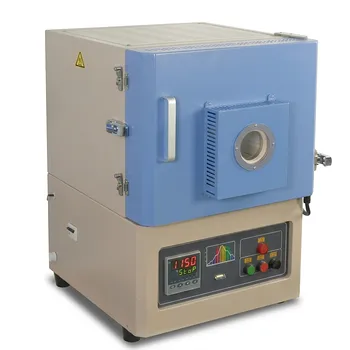
High Temperature Benchtop Muffle Furnace with Quartz Observation Window for Thermal Imaging and Material Analysis
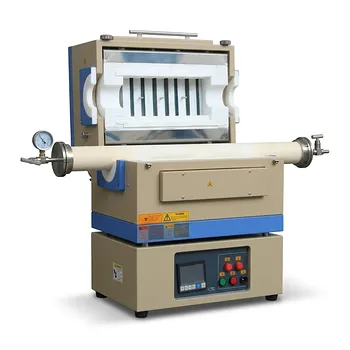
1500C Eight Zone Split Tube Furnace for Thermal Gradient Processing and Advanced Material Research
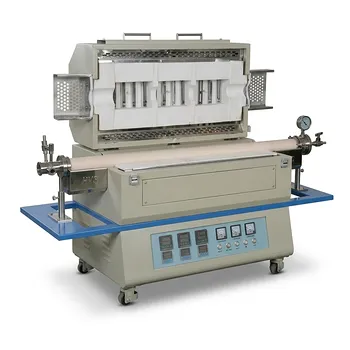
Three Temperature Zone Fast Heating Furnace 1500C Laboratory High Precision Thermal Processing System
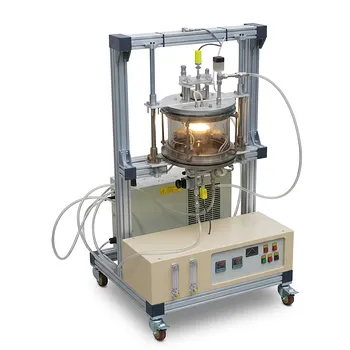
Two Zones CSS Furnace for Rapid Thermal Processing Thin Film Coating 3 Inch Diameter 650C
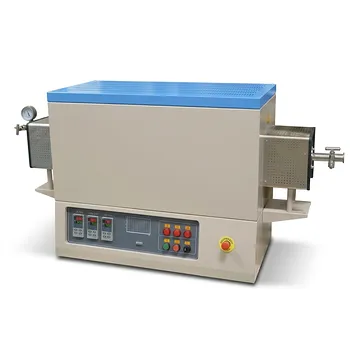
Three Zone Alumina Tube Furnace with Vacuum Flanges High Temperature 1700C Thermal Gradient CVD System
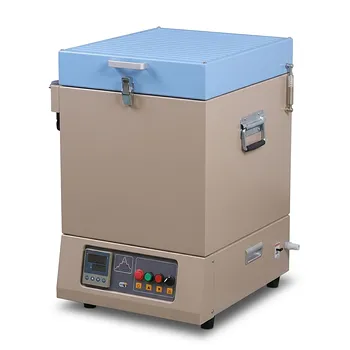
High Temperature Vertical Crucible Furnace with 22L Heating Chamber and 1200C Maximum Temperature
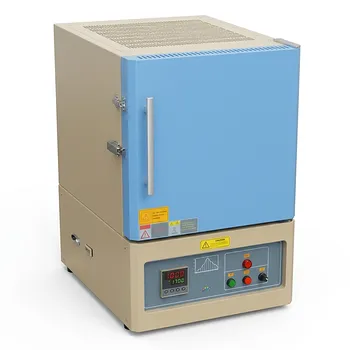
Large Bench Top 1700C High Temperature Muffle Furnace with 19L Chamber for Advanced Material Sintering and Annealing
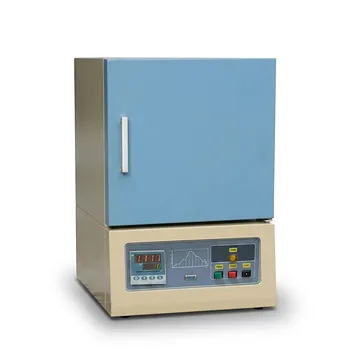
Ultra High Temperature Bench Top Muffle Furnace 1750C Sintering System with Kanthal Super Heating Elements and Precision Digital Control
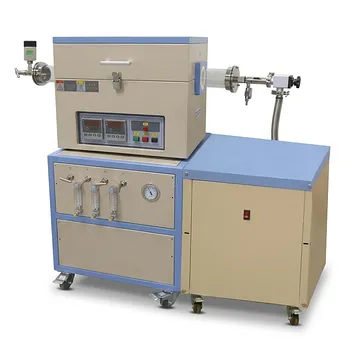
Dual Zone Quartz Tube Furnace with 80mm Diameter 1200C Max Temperature 3 Channel Gas Mixer and Vacuum Pump System
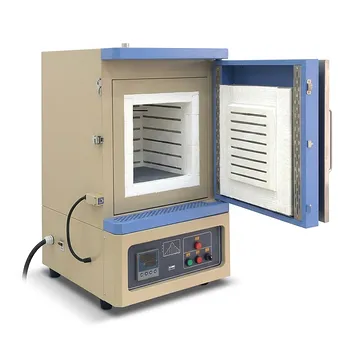
Five Side Heating Muffle Furnace High Purity Alumina Fiber 27L Chamber 1200C High Temperature Thermal Processing System for Sintering Annealing and Materials Research
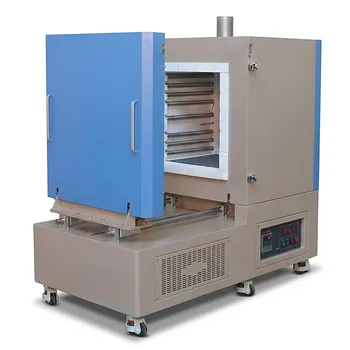
1200C Five Side Heating Muffle Furnace with Sliding Door 125L Volume High Temperature Heat Treatment System for Large Scale Sintering and Annealing
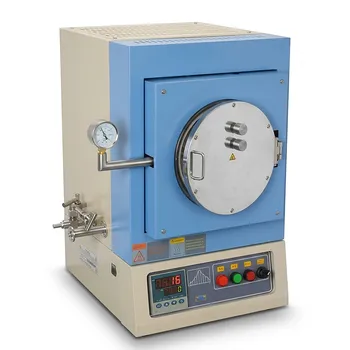
1100°C High Temperature Quartz Chamber Furnace 8 Inch OD with 7.6 Liter Capacity and Vacuum Atmosphere Capability