Why are high-purity alumina crucibles preferred for sintering LCCFO? Ensure Pure Perovskite Synthesis Results
Updated 3 months ago
High-purity alumina ceramic crucibles are the industry standard for sintering LCCFO perovskites due to their exceptional chemical inertness and thermal stability at temperatures exceeding 1150°C. These containers prevent the leaching of impurities into the sample, ensuring that the strongly basic lanthanide and alkaline earth metal oxides within the LCCFO (Lanthanum Calcium Cobalt Ferrite) do not react with the crucible walls. This structural integrity is critical for maintaining the material’s specific electrocatalytic performance and stoichiometric purity.
Core Takeaway: Alumina crucibles act as a chemically "silent" host, ensuring that the high-temperature synthesis of perovskites remains free from container-born contaminants that would otherwise degrade the material's electronic and catalytic properties.
The Chemical Challenge of LCCFO Sintering
Reactivity of Basic Oxides
LCCFO materials contain lanthanides (Lanthanum) and alkaline earth metals (Calcium), which become highly reactive at sintering temperatures. High-purity alumina is one of the few materials capable of resisting chemical attack from these strongly basic oxides during prolonged heat treatments.
Maintaining Stoichiometric consistency
Perovskite performance depends heavily on the precise ratio of its constituent elements. Because alumina is chemically inert, it prevents the migration of external elements into the LCCFO lattice, ensuring the final product matches the intended chemical formula exactly.
Prevention of Lattice Distortions
If impurities from a lower-quality container were to penetrate the sample, they could cause lattice distortions. These structural defects can shift the band structure of the material, leading to unintended changes in its photoelectric or conductive behavior.
Why Alumina is the Technical Choice
High-Temperature Refractoriness
High-purity alumina possesses extreme refractoriness, allowing it to withstand temperatures up to 1350°C and beyond without deforming. This stability is essential for LCCFO synthesis, which typically requires sustained heat at approximately 1150°C to achieve the desired phase composition.
Resistance to Chemical Erosion
In a high-temperature solid-state reaction, the crucible must resist chemical erosion from the raw materials. Alumina’s low chemical activity ensures that even under long-duration thermal treatments, the crucible remains a passive carrier rather than a participant in the reaction.
Preservation of Electrocatalytic Integrity
For materials intended for electrocatalysis, even trace amounts of impurities can "poison" the active sites on the ceramic surface. Using high-purity alumina ensures that the electrocatalytic performance of the final LCCFO powder is a result of its intrinsic properties, not a byproduct of contamination.
Understanding the Trade-offs
Thermal Shock Sensitivity
While alumina is chemically stable, it is sensitive to rapid temperature changes. Heating or cooling the crucible too quickly can lead to cracking, meaning ramp rates must be carefully controlled to preserve both the crucible and the sample.
Material Purity Levels
Not all alumina crucibles are equal; lower-purity versions often contain silica (SiO2) or other binders. At high temperatures, these binders can leach into the sample, making the "high-purity" designation (typically 99% or higher) a strict requirement for sensitive perovskite work.
Potential for Adhesion
In some specific transition metal reactions, samples may slightly adhere to the crucible surface if sintered near the material's melting point. This requires precise temperature calibration to ensure the LCCFO does not bond to the alumina walls, which could complicate sample recovery.
How to Apply This to Your Project
When selecting a container for your high-temperature ceramic synthesis, consider the specific requirements of your end material.
- If your primary focus is Electrocatalytic Purity: Always use 99% or higher high-purity alumina to prevent trace element poisoning of the active sites.
- If your primary focus is High-Temperature Stability (above 1300°C): Ensure the crucible is rated for "high refractoriness" to prevent deformation or structural failure during long-duration cycles.
- If your primary focus is Precision Phase Analysis: Utilize alumina to avoid the introduction of foreign ions that could cause lattice distortions and yield inaccurate XRD or magnetic measurements.
Selecting the right high-purity alumina crucible is a fundamental step in ensuring that the synthesized perovskite material achieves its theoretical performance limits.
Summary Table:
| Key Feature | Impact on LCCFO Perovskite | Technical Consideration |
|---|---|---|
| Chemical Inertness | Prevents leaching of impurities; maintains stoichiometry. | Resists strongly basic lanthanide oxides. |
| High Refractoriness | Withstands sintering temperatures up to 1350°C+. | Prevents deformation during long cycles. |
| High Purity (99%+) | Eliminates "poisoning" of electrocatalytic active sites. | Must be silica-free to avoid lattice distortion. |
| Thermal Stability | Provides a "silent" host for solid-state reactions. | Sensitive to rapid temperature changes (ramp rates). |
Elevate Your Material Research with THERMUNITS
Achieving the perfect perovskite phase requires more than just the right crucible; it requires precise, reliable thermal control. THERMUNITS is a leading manufacturer of high-temperature laboratory equipment specifically designed for material science and industrial R&D.
Whether you are sintering LCCFO powders or developing advanced ceramic structures, we offer a comprehensive range of thermal processing solutions tailored to your needs, including:
- Furnaces: Muffle, Vacuum, Atmosphere, Tube, Rotary, and Hot Press furnaces.
- Advanced Systems: CVD/PECVD systems, Vacuum Induction Melting (VIM) furnaces, and Electric Rotary Kilns.
- Specialized Tools: Dental Furnaces and high-quality Thermal Elements.
Our equipment ensures the temperature uniformity and atmospheric integrity essential for high-performance heat treatment.
Ready to optimize your laboratory's sintering process?
Contact THERMUNITS Today to consult with our experts and discover how our advanced thermal solutions can drive your research forward.
References
- Islam Saad, Rafat M. Amin. LaCo<sub>0.2</sub>Fe<sub>0.8</sub>O<sub>3</sub> perovskites doped with natural Ca<sup>2+</sup> as bifunctional electrocatalysts for oxygen evolution and reduction reactions. DOI: 10.1039/d4ra04105d
Mentioned Products
- 600°C Vertical Crucible Furnace with SS316 Alloy Reactor and 6 Port Vacuum Flange
- High Temperature Vertical Crucible Furnace with 22L Heating Chamber and 1200C Maximum Temperature
- 1800C Bench Top Muffle Furnace 18 Liters with Kanthal Super 1900 Heating Elements for High Purity Ceramic Sintering and Material Research
- Vertical Crucible Furnace 1000C High Temperature Laboratory Equipment 4.7 Inch Diameter Chamber SS316 Anti Corrosive Enclosure
- 1100C Crucible Melting Furnace with Stirring Function for Glovebox and Air Sensitive Alloy Research
People Also Ask
- How does a high vacuum sintering furnace at 600 Celsius affect the microstructure of Al-TiC composites? Expert Analysis
- How should the choice between a Quartz crucible and an Alumina crucible be made for La2O2S? Optimize Material Purity
- Why use ceramic crucibles for coal nano-hybrid heat treatment? Ensure Purity and Thermal Stability.
- What role does a vacuum tube furnace play in palladium membrane treatment? Achieve 600°C Stability & Prevent Brittle Phases
- Why is a high-temperature furnace with precise temperature control necessary for Ag8SiS6 alloy synthesis? Ensure Safety.

Tech Team · ThermUnits
Last updated on Jun 02, 2026
Related Products
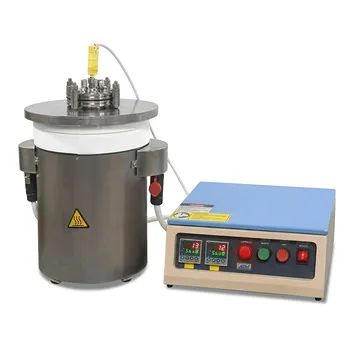
600°C Vertical Crucible Furnace with SS316 Alloy Reactor and 6 Port Vacuum Flange
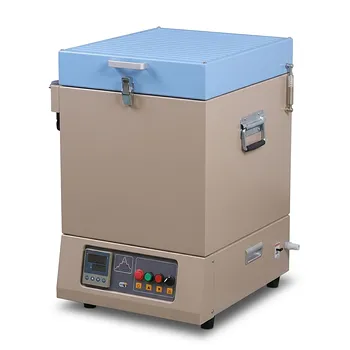
High Temperature Vertical Crucible Furnace with 22L Heating Chamber and 1200C Maximum Temperature
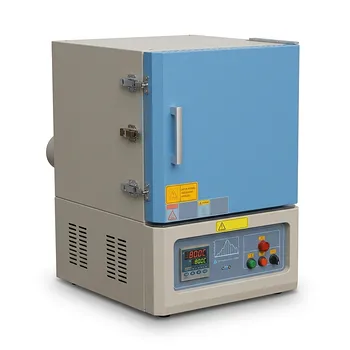
1800C Bench Top Muffle Furnace 18 Liters with Kanthal Super 1900 Heating Elements for High Purity Ceramic Sintering and Material Research
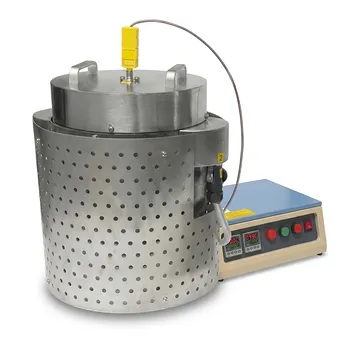
Vertical Crucible Furnace 1000C High Temperature Laboratory Equipment 4.7 Inch Diameter Chamber SS316 Anti Corrosive Enclosure
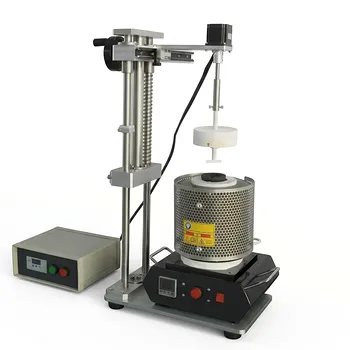
1100C Crucible Melting Furnace with Stirring Function for Glovebox and Air Sensitive Alloy Research
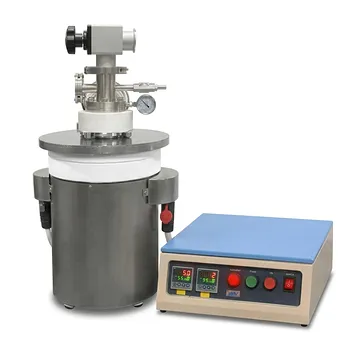
1100C High Temperature Vacuum Crucible Furnace with Quartz Chamber for Thermal Processing and Sintering
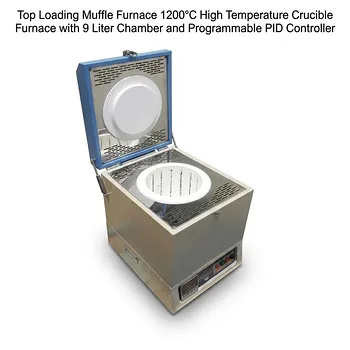
Top Loading Muffle Furnace 1200°C High Temperature Crucible Furnace with 9 Liter Chamber and Programmable PID Controller