How does a high vacuum sintering furnace at 600 Celsius affect the microstructure of Al-TiC composites? Expert Analysis
Updated 3 months ago
Sintering Al-TiC composites at 600°C in a high vacuum facilitates solid-state atomic diffusion between aluminum particles, transforming porous green compacts into dense, metallurgically bonded structures. This specific temperature is high enough to drive densification but remains below the critical 640°C threshold, effectively preventing the formation of brittle Al4C3 phases that would otherwise degrade the composite’s mechanical integrity.
A high vacuum environment at 600°C optimizes the Al-TiC microstructure by balancing rapid atomic diffusion with strict phase control. This process ensures high material density and chemical stability by suppressing oxidation and avoiding the creation of brittle intermetallic compounds.
The Mechanics of Solid-State Densification
Driving Atomic Diffusion
At 600°C, the thermal energy provided by the furnace is sufficient to trigger significant atomic diffusion across the boundaries of cold-pressed aluminum particles. This movement of atoms allows the particles to fuse, closing internal gaps and forming a continuous metallurgical bond throughout the matrix.
Elimination of Microscopic Pores
The sintering process is designed to increase the material's density from its initial "green" state to a solid mass. By maintaining a stable soaking time at this temperature, the furnace facilitates the elimination of pores, which is essential for achieving the high-strength requirements of industrial applications.
Maintaining Phase Stability and Purity
Avoiding Brittle Phase Formation
A critical microstructural goal in Al-TiC composites is preventing the reaction between the aluminum matrix and the Titanium Carbide (TiC) reinforcement. By keeping the temperature at 600°C—comfortably below the 640°C threshold—the furnace prevents the formation of Al4C3, a brittle phase that can cause premature material failure.
Prevention of Oxidation and Nitridation
Aluminum and titanium are highly reactive and susceptible to oxygen and nitrogen absorption at elevated temperatures. The high vacuum environment (often reaching pressures as low as 1–3 x 10^-2 Pa) eliminates these atmospheric gases, ensuring the resulting composite remains pure and free from unintended ceramic inclusions.
Uniform Reinforcement Distribution
Precise temperature control prevents the agglomeration of TiC particles that often occurs at higher temperatures. By staying at 600°C, the matrix remains solid enough to support the TiC reinforcement, ensuring a uniform distribution that maintains the continuity of the aluminum matrix and enhances overall performance.
Understanding the Trade-offs
The Risk of Under-Sintering
Setting the furnace temperature significantly below 600°C can lead to insufficient diffusion kinetics. If the temperature is too low, the energy will be inadequate to close microscopic pores, resulting in a low-density material with poor mechanical properties.
The Danger of Over-Heating
If the temperature exceeds the aluminum melting point or the 640°C chemical reaction limit, the microstructure suffers abnormal grain growth. This leads to a reduction in grain boundaries and the formation of brittle intermetallics, which drastically reduces the composite's toughness and ductility.
Cooling Rate Impacts
While the heating phase is vital, the cooling method—such as furnace cooling—also dictates the final grain structure. A slow, controlled cooling rate promotes a more homogeneous microstructure, whereas rapid cooling can trap internal stresses or lead to non-uniform phase distributions.
How to Apply This to Your Project
Optimizing Your Sintering Protocol
To achieve the best microstructural results for Al-TiC composites, your sintering strategy should be tailored to your specific mechanical requirements.
- If your primary focus is Maximum Ductility: Maintain the temperature strictly at or slightly below 600°C to ensure zero Al4C3 formation and utilize a slow furnace cooling rate to refine grain structure.
- If your primary focus is High Density and Strength: Ensure a high vacuum (10^-2 Pa range) and extend the soaking time at 600°C to maximize atomic diffusion and pore elimination without risking over-heating.
- If your primary focus is Processing Speed: Utilize high-frequency induction heating to reach the target 600°C rapidly, but implement precise thermal monitoring to prevent local hotspots from exceeding the 640°C limit.
Successful Al-TiC sintering relies on the precise intersection of vacuum purity and thermal control to lock in a stable, high-performance microstructure.
Summary Table:
| Parameter | Sintering Condition | Impact on Microstructure |
|---|---|---|
| Temperature | 600°C | Drives atomic diffusion & densification without brittle phase formation. |
| Vacuum Level | 1–3 x 10⁻² Pa | Eliminates oxidation and nitridation; ensures high chemical purity. |
| Phase Control | Below 640°C | Prevents Al4C3 intermetallic compounds, preserving material toughness. |
| Particle State | Solid-state | Ensures uniform TiC distribution and prevents matrix grain growth. |
Precision Thermal Solutions for Advanced Material R&D
Achieving the perfect microstructure in Al-TiC composites requires uncompromising vacuum integrity and thermal precision. THERMUNITS is a leading manufacturer specializing in high-performance laboratory equipment for material science and industrial R&D.
Whether you are refining sintering protocols or developing new CVD processes, our comprehensive range of thermal solutions—including High-Vacuum Furnaces, Atmosphere and Tube Furnaces, CVD/PECVD systems, and Vacuum Induction Melting (VIM) furnaces—is engineered to provide the stability and control your research demands.
Ready to elevate your material performance? Contact our engineering team today to discuss how our custom heat treatment equipment can optimize your laboratory’s efficiency and results.
References
- Mohamed I. A. Habba, Fadel S. Hamid. Microstructure and tribological behavior of Al–TiC composite strips fabricated by a multi-step densification method. DOI: 10.1038/s41598-024-70560-x
Mentioned Products
- 600°C Vertical Crucible Furnace with SS316 Alloy Reactor and 6 Port Vacuum Flange
- High Pressure 600T Vacuum Induction Hot Press Furnace for Advanced Material Heat Treatment and Sintering
- High Temperature Cold Wall Vacuum Furnace for Advanced Material Sintering and Annealing 1600C Heating Area 200x200x300mm
- Compact High Temperature 1600C Tube Furnace with 50mm Alumina Tube and Vacuum Flanges for Material Sintering
- High Temperature 1000C Vacuum Furnace with 8 Inch ID Chamber for Material Sintering and Research Annealing
People Also Ask
- How should the choice between a Quartz crucible and an Alumina crucible be made for La2O2S? Optimize Material Purity
- Why use ceramic crucibles for coal nano-hybrid heat treatment? Ensure Purity and Thermal Stability.
- What role does a vacuum tube furnace play in palladium membrane treatment? Achieve 600°C Stability & Prevent Brittle Phases
- Why is a high-temperature furnace with precise temperature control necessary for Ag8SiS6 alloy synthesis? Ensure Safety.
- What is the role of an industrial-grade horizontal tube furnace in fluorination salt corrosion? Expert Research Guide

Tech Team · ThermUnits
Last updated on Jun 03, 2026
Related Products
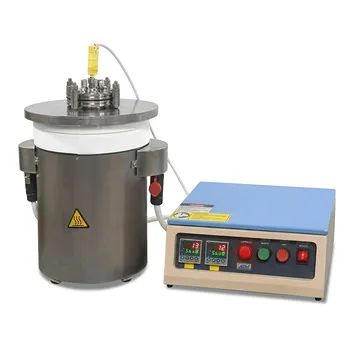
600°C Vertical Crucible Furnace with SS316 Alloy Reactor and 6 Port Vacuum Flange
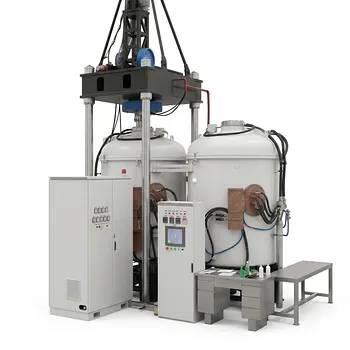
High Pressure 600T Vacuum Induction Hot Press Furnace for Advanced Material Heat Treatment and Sintering
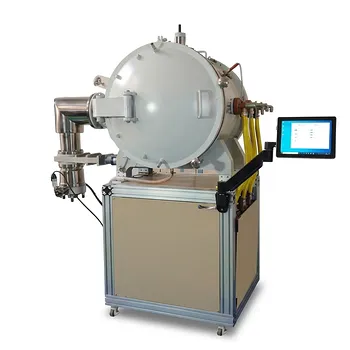
High Temperature Cold Wall Vacuum Furnace for Advanced Material Sintering and Annealing 1600C Heating Area 200x200x300mm

Compact High Temperature 1600C Tube Furnace with 50mm Alumina Tube and Vacuum Flanges for Material Sintering
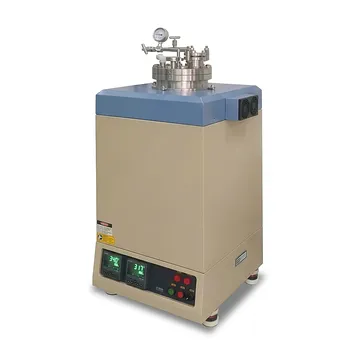
High Temperature 1000C Vacuum Furnace with 8 Inch ID Chamber for Material Sintering and Research Annealing
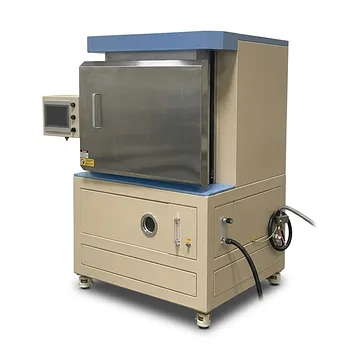
1650C High Temperature Atmosphere Controlled Box Furnace with 65L Chamber for Advanced Material Sintering and Industrial Heat Treatment
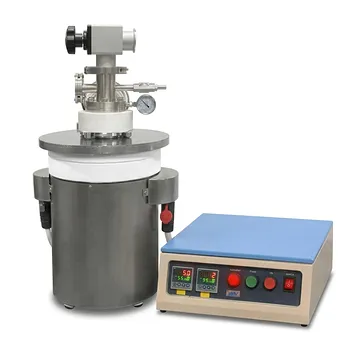
1100C High Temperature Vacuum Crucible Furnace with Quartz Chamber for Thermal Processing and Sintering

High Temperature 1700C Vertical Tube Furnace for Powder Spherification and Material Sintering
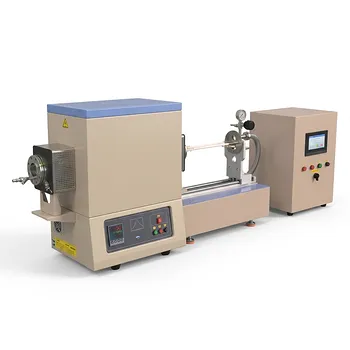
High Temperature Horizontal Electrical Assisted Sintering Furnace with 3KW Programmable Power Source for Advanced Ceramic Materials
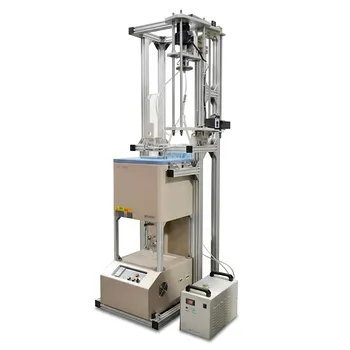
500C Vacuum Vertical Tube Furnace 84mm OD Sample Rotation Lifting System
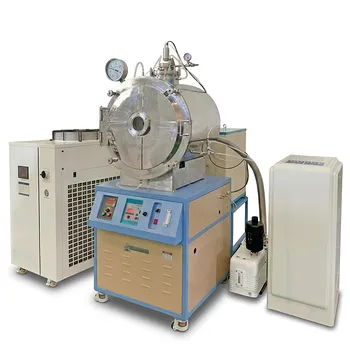
Ultra High Temperature Induction Heated Vacuum Furnace with Molten Salt Electrolysis Capability and 3000 Degree Precision Control
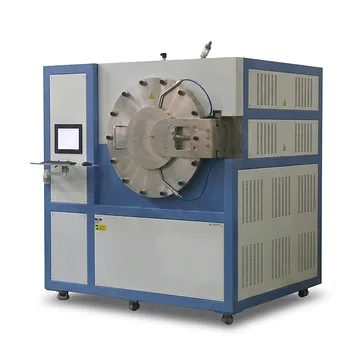
High Vacuum Pressure Chamber Furnace 800C 3.5 Bar Sintering System for Superconducting Materials
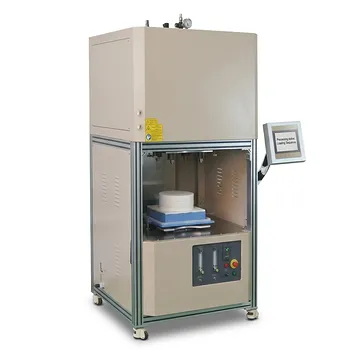
High Temperature Vertical Atmosphere Controlled Furnace with Automatic Bottom Loading and 1700°C Capacity for Advanced Material Research
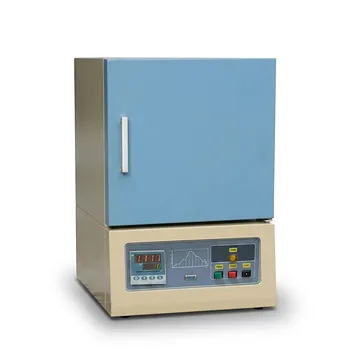
Ultra High Temperature Bench Top Muffle Furnace 1750C Sintering System with Kanthal Super Heating Elements and Precision Digital Control
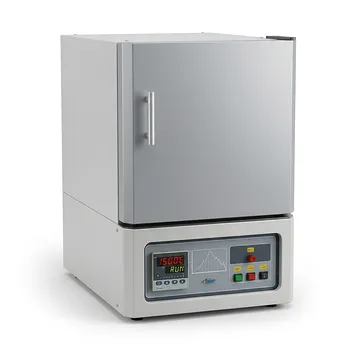
High Temperature 1500C Benchtop Muffle Furnace 3.6L Alumina Fiber Chamber Programmable Controller Sintering Annealing Carbonization Thermal Processing System
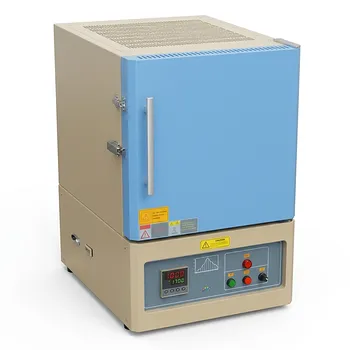
Large Bench Top 1700C High Temperature Muffle Furnace with 19L Chamber for Advanced Material Sintering and Annealing
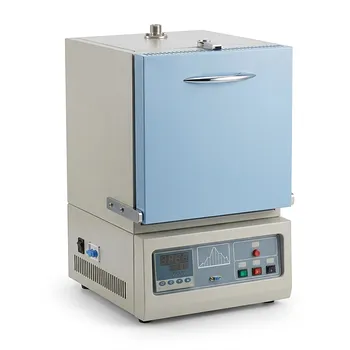
1750C Compact Muffle Furnace 1.7L Ultra High Temperature Laboratory Sintering System for Advanced Ceramics and Material Science Research
Industrial Large Box Furnace 1700C 216L High Temp Muffle Sintering System
1200C High Temperature Muffle Furnace with Motorized Door and Automated PC Control for Industrial Sintering and Material Processing 27 Liter