Why are high-purity ceramic crucibles used as containers during the carbonization and KOH activation process?
Updated 3 months ago
High-purity ceramic crucibles are the indispensable standard for carbonization and chemical activation due to their unique combination of thermal refractoriness and chemical inertness. These containers are specifically engineered to withstand temperatures exceeding 800°C while resisting the aggressive chemical erosion caused by molten potassium hydroxide (KOH). By maintaining a non-reactive environment, they preserve the chemical purity of the activated carbon and provide the mass stability necessary for accurate quantitative analysis.
Core Takeaway: Ceramic crucibles provide a chemically neutral, high-temperature environment that prevents sample contamination and equipment damage during the volatile KOH activation process. Their stability is the foundation for both the structural integrity of the final carbon product and the reliability of experimental data.
Resistance to Aggressive Chemical Environments
Neutralizing the Corrosivity of Molten KOH
Potassium hydroxide (KOH) becomes exceptionally aggressive and corrosive when it reaches activation temperatures, typically between 550°C and 800°C. High-purity ceramics, such as alumina, possess the chemical inertia required to hold molten KOH without undergoing structural degradation. This resistance prevents the crucible from being "eaten away" during prolonged high-temperature reactions.
Preventing Metallic and External Contamination
One of the primary goals of using high-purity materials is to ensure that no metal ions or impurities leach from the container into the carbon sample. This is critical when studying the microscopic structure of lignin-derived or coconut shell carbons, where even trace impurities can alter the results. Ceramic materials effectively isolate the sample from the external environment and the furnace interior.
Thermal Integrity Under Extreme Conditions
Maintaining Stability at High Temperatures
High-purity ceramics exhibit extreme refractoriness, allowing them to remain structurally sound even as temperatures fluctuate during the carbonization and activation stages. They do not melt, soften, or react with the corrosive gases produced during the decomposition of raw materials like polystyrene or biomass. This ensures that the crucible does not become a variable in the chemical reaction itself.
Durability During Repeated Thermal Cycling
The activation process often involves multiple stages of heating and cooling, which can cause inferior materials to crack or fatigue. High-purity ceramic crucibles are designed to withstand these thermal cycles without losing their physical integrity. This durability makes them a reliable, reusable consumable for high-temperature laboratory and industrial processes.
Operational and Quantitative Reliability
Managing Material Expansion and Gas Evolution
The KOH activation process involves significant gas evolution and physical expansion, where the material volume can increase to 90% of the container capacity. Ceramic crucibles are manufactured with sufficient depth and volume to prevent material overflow. This containment is vital for ensuring a complete reaction and protecting the heating elements of the furnace from boiled-over corrosive agents.
Precision in Mass Measurement and Yield
For quantitative analyses, such as calculating ash weight ratios or quality yields, the container's weight must remain constant. High-purity ceramics offer superior mass stability, meaning they do not gain or lose weight through oxidation or sample adhesion. This precision allows researchers to trust that weight changes recorded after the experiment belong solely to the sample, not the container.
Understanding the Trade-offs and Limitations
Vulnerability to Thermal Shock
While ceramic crucibles are highly heat-resistant, they can be brittle and susceptible to thermal shock if heated or cooled too rapidly. Sudden temperature gradients can cause the material to fracture, potentially leading to sample loss and furnace damage. Users must follow strict ramping and cooling protocols to ensure the longevity of the crucible.
Porosity and Cleaning Challenges
Even "high-purity" ceramics can have micro-porosity that may trap trace amounts of KOH or carbon residues over time. If not cleaned rigorously with appropriate acids or solvents, cross-contamination between different experimental batches can occur. Additionally, these crucibles are more expensive than lower-grade porcelain or steel alternatives, requiring a higher initial investment.
Making the Right Choice for Your Goal
To achieve the best results in your activation or carbonization project, consider your primary objective:
- If your primary focus is sample purity: Use high-purity alumina crucibles to ensure zero migration of metallic ions or silica into your carbon matrix.
- If your primary focus is quantitative yield analysis: Prioritize crucibles with documented mass stability to ensure your ash and yield calculations are not skewed by container degradation.
- If your primary focus is furnace longevity: Select deep-form ceramic crucibles with at least 50% extra volume capacity to prevent corrosive KOH overflow from damaging your heating elements.
By selecting high-purity ceramic containers, you ensure that your experimental results are a true reflection of the material's properties rather than an artifact of container interaction.
Summary Table:
| Feature | Benefit for KOH Activation | Technical Importance |
|---|---|---|
| Chemical Inertness | Resists molten KOH corrosion | Prevents sample contamination and crucible degradation |
| Thermal Stability | Withstands temperatures >800°C | Ensures structural integrity during intense heat treatment |
| Mass Stability | Constant container weight | Crucial for accurate yield and ash weight quantitative analysis |
| High Purity | Zero ion leaching | Maintains the microscopic integrity of the activated carbon |
| Refractoriness | Resistant to corrosive gases | Protects the sample environment from reactive byproducts |
Maximize Your Research Precision with THERMUNITS
Are you looking to optimize your carbonization and chemical activation workflows? THERMUNITS is a premier manufacturer of high-temperature laboratory equipment specifically designed for demanding material science and industrial R&D.
We provide a comprehensive range of thermal processing solutions, including:
- Advanced Furnaces: Muffle, Vacuum, Atmosphere, Tube, Rotary, and Hot Press furnaces.
- Specialized Systems: CVD/PECVD systems, Dental Furnaces, and Vacuum Induction Melting (VIM) furnaces.
- High-Performance Components: Electric rotary kilns, thermal elements, and high-purity laboratory heat treatment accessories.
Whether you need superior contamination control or robust equipment for repeated thermal cycling, our experts are ready to help you select the perfect setup for your specific research goals.
Contact THERMUNITS Today to Upgrade Your Lab Excellence
References
- Nida Katı, Ferhat Uçar. Development of a Production Process for Biomass-Based Activated Carbon via Hydrothermal Carbonization Method. DOI: 10.62520/fujece.1473852
Mentioned Products
- 1800C Bench Top Muffle Furnace 18 Liters with Kanthal Super 1900 Heating Elements for High Purity Ceramic Sintering and Material Research
- High Temperature Vertical Crucible Furnace with 22L Heating Chamber and 1200C Maximum Temperature
- 600°C Vertical Crucible Furnace with SS316 Alloy Reactor and 6 Port Vacuum Flange
- Vertical Crucible Furnace 1000C High Temperature Laboratory Equipment 4.7 Inch Diameter Chamber SS316 Anti Corrosive Enclosure
- 1100C Crucible Melting Furnace with Stirring Function for Glovebox and Air Sensitive Alloy Research
People Also Ask
- Why is a benchtop muffle furnace essential for U3O8 micromaterials? Achieve precision stoichiometry and purity.
- What materials are typically used for heating elements in muffle furnaces? A Guide to Performance & Temperature Limits
- What role does a laboratory high-temperature muffle furnace play in the ash analysis phase of biomass co-firing research? [Guide]
- Why is a sintering furnace or Rapid Thermal Processing (RTP) equipment necessary for the formation of electrodes? Master Solar Ohmic Contacts.
- What function does argon serve in MOF melt-quenching? Prevent oxidation and ensure chemical integrity.

Tech Team · ThermUnits
Last updated on Jun 03, 2026
Related Products
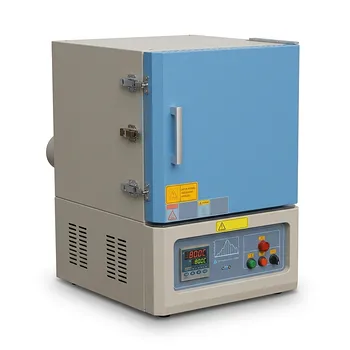
1800C Bench Top Muffle Furnace 18 Liters with Kanthal Super 1900 Heating Elements for High Purity Ceramic Sintering and Material Research
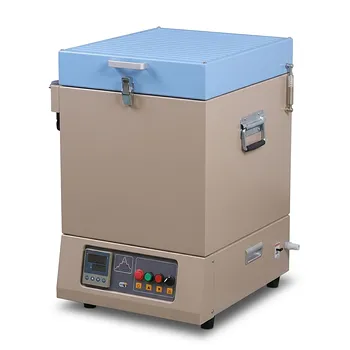
High Temperature Vertical Crucible Furnace with 22L Heating Chamber and 1200C Maximum Temperature
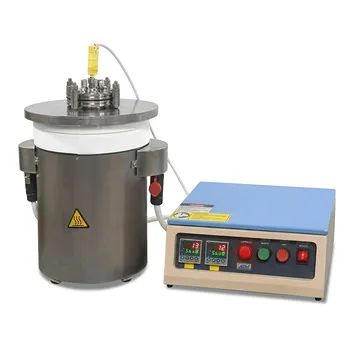
600°C Vertical Crucible Furnace with SS316 Alloy Reactor and 6 Port Vacuum Flange
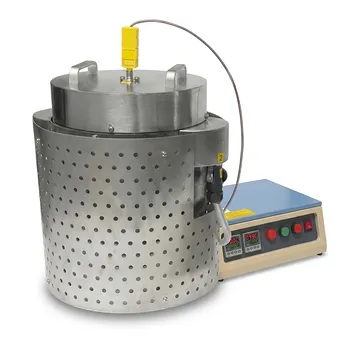
Vertical Crucible Furnace 1000C High Temperature Laboratory Equipment 4.7 Inch Diameter Chamber SS316 Anti Corrosive Enclosure
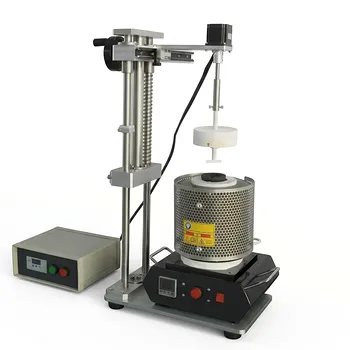
1100C Crucible Melting Furnace with Stirring Function for Glovebox and Air Sensitive Alloy Research
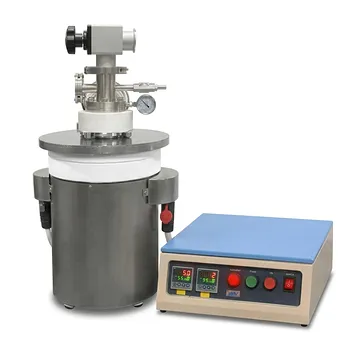
1100C High Temperature Vacuum Crucible Furnace with Quartz Chamber for Thermal Processing and Sintering
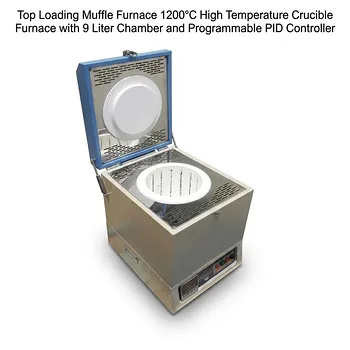
Top Loading Muffle Furnace 1200°C High Temperature Crucible Furnace with 9 Liter Chamber and Programmable PID Controller
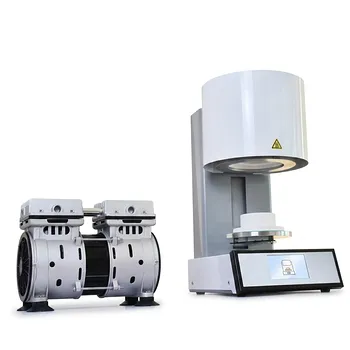
Vacuum Dental Porcelain Sintering Furnace for High Precision Ceramic Restorations
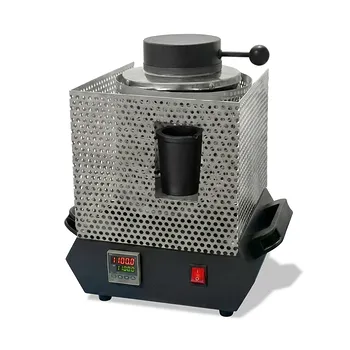
Compact Crucible Melting Furnace 1100C Programmable Temperature Controller Metal Sintering Equipment
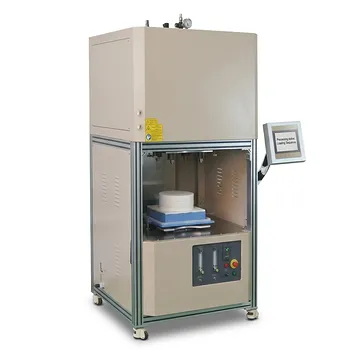
High Temperature Vertical Atmosphere Controlled Furnace with Automatic Bottom Loading and 1700°C Capacity for Advanced Material Research