Why is a corundum crucible selected for lead anode slime smelting? Ensure high purity and chemical resistance.
Updated 3 months ago
Corundum crucibles are selected for lead anode slime smelting because they provide a unique combination of chemical inertness and structural integrity under extreme conditions. This specific material can withstand temperatures up to 1200 °C while resisting the highly corrosive nature of molten alkaline slags. By remaining non-reactive, the crucible ensures that the chemical composition of the sample remains untainted, which is critical for both experimental accuracy and industrial purity.
The selection of corundum is driven by its ability to resist chemical erosion from sodium-based fluxes and its high mechanical strength at elevated temperatures. This ensures a stable reaction environment that prevents crucible-derived impurities from contaminating the final product.
Resistance to Aggressive Chemical Environments
Neutralizing Alkaline Slag Erosion
Lead anode slime smelting often requires the use of sodium carbonate and sodium sulfide as fluxing agents. These substances create a strongly alkaline molten slag that is notoriously aggressive toward most refractory materials. Corundum (alumina) is specifically chosen for its ability to resist this chemical attack, preventing the crucible walls from dissolving into the melt.
Maintaining Chemical Purity
The primary goal of smelting research and production is the recovery of precious and base metals with high precision. Because corundum is chemically inert, it does not introduce external elements into the lead-rich sample. This preservation of chemical integrity is essential for maintaining the accuracy of experimental data and meeting strict purity standards.
Thermomechanical Performance at High Temperatures
Exceptional High-Temperature Stability
The smelting process for lead anode slime occurs at temperatures typically reaching 1200 °C. Corundum maintains its structural form and does not soften or fail at these levels, providing a reliable vessel for the liquid phase. This high refractoriness allows the material to perform consistently across various smelting cycles.
Mechanical Strength and Vessel Durability
Beyond chemical resistance, a reaction vessel must support the significant weight of a molten lead-based melt. Corundum possesses the mechanical strength required to prevent deformation or structural failure during the process. This durability extends the service life of the crucible, making it a cost-effective choice for repeated high-temperature applications.
Understanding the Trade-offs
Thermal Shock Sensitivity
While corundum excels in chemical resistance, it is more sensitive to thermal shock than materials like graphite. Rapid heating or cooling can lead to stress fractures or catastrophic failure of the vessel. Consequently, users must strictly control the heating and cooling rates to protect the integrity of the corundum structure.
Material Cost and Purity Grades
The performance of the crucible is directly tied to the purity of the corundum used. High-purity corundum is significantly more expensive than standard ceramic alternatives but is necessary to prevent trace element contamination. Using a lower-grade alumina crucible can introduce unwanted silica or iron into the smelting process, compromising the results.
How to Apply This to Your Project
Making the Right Choice for Your Goal
Choosing the correct vessel depends on the specific chemical and thermal requirements of your smelting process.
- If your primary focus is Analytical Precision: Use high-purity corundum to ensure that no crucible-derived oxides interfere with your mass balance or metal recovery data.
- If your primary focus is Resistance to Alkaline Fluxes: Corundum is the superior choice over silica-based refractories when working with sodium carbonate or other strong bases.
- If your primary focus is High-Temperature Durability: Select corundum for its ability to maintain mechanical load-bearing capacity at temperatures exceeding 1200 °C.
By matching the crucible material to the specific chemical aggressiveness of your slag, you ensure both the safety of the operation and the purity of your final metal recovery.
Summary Table:
| Key Feature | Benefit to Smelting Process | Technical Specification |
|---|---|---|
| Chemical Inertness | Resists erosion from sodium-based fluxes (alkaline slag) | High Alumina Purity |
| Thermal Stability | Maintains integrity under extreme heat without softening | Up to 1200°C |
| Mechanical Strength | Supports heavy molten lead-based melts without deformation | High Load-Bearing |
| Contamination Control | Prevents crucible-derived impurities in samples | Non-reactive Surface |
| Thermal Sensitivity | Requires controlled heating/cooling to prevent fractures | Sensitive to Thermal Shock |
Elevate your metallurgical research with precision heating solutions. THERMUNITS is a leading manufacturer of high-temperature laboratory equipment for material science and industrial R&D. We offer a comprehensive range of thermal processing solutions, including Muffle, Vacuum, Atmosphere, Tube, Rotary, and Hot Press furnaces, CVD/PECVD systems, Dental Furnaces, electric rotary kilns, and vacuum induction melting furnaces (VIM). Our high-purity thermal elements and equipment are designed to handle aggressive smelting environments and ensure uncompromised purity. Contact us today to find the perfect heat treatment solution for your lab!
References
- Zhengqiang Dong, Sen Wang. Sb recovery from an As pre-removed lead anode slime using a ZnS-Na2CO3 smelting reduction. DOI: 10.2298/jmmb231230017d
Mentioned Products
- Compact Crucible Melting Furnace 1100C Programmable Temperature Controller Metal Sintering Equipment
- Vertical Crucible Furnace 1000C High Temperature Laboratory Equipment 4.7 Inch Diameter Chamber SS316 Anti Corrosive Enclosure
- High Temperature Vertical Crucible Furnace with 22L Heating Chamber and 1200C Maximum Temperature
- 600°C Vertical Crucible Furnace with SS316 Alloy Reactor and 6 Port Vacuum Flange
- Anti Corrosive Muffle Furnace with Sintered Corundum Chamber and 1050C Operating Range for Corrosive Material Calcination
People Also Ask
- Why are internal getters such as Titanium used during the synthesis of oxygen-sensitive materials in a melting furnace?
- How should the choice between a Quartz crucible and an Alumina crucible be made for La2O2S? Optimize Material Purity
- What is the function of a programmable high-temperature Laboratory Furnace in evaluating the fire resistance of concrete?
- Why is a laboratory sintering furnace reaching 950°C required for Ho2YSbO7? Ensure Pure Pyrochlore Phase Purity
- What operational efficiencies do programmable dental furnaces provide to high-volume laboratories? Maximize Scalability

Tech Team · ThermUnits
Last updated on Jun 02, 2026
Related Products
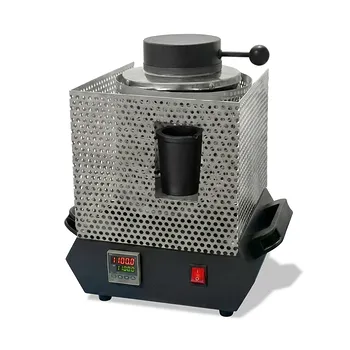
Compact Crucible Melting Furnace 1100C Programmable Temperature Controller Metal Sintering Equipment
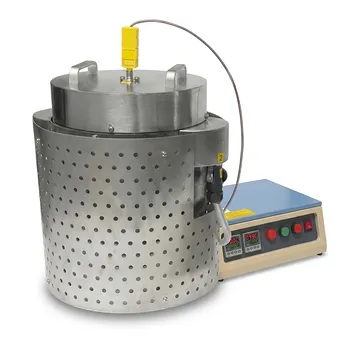
Vertical Crucible Furnace 1000C High Temperature Laboratory Equipment 4.7 Inch Diameter Chamber SS316 Anti Corrosive Enclosure
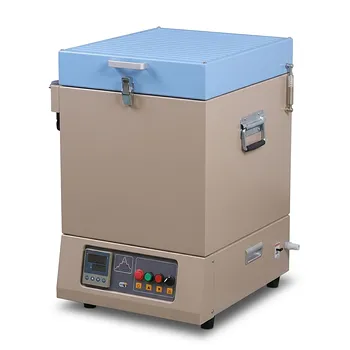
High Temperature Vertical Crucible Furnace with 22L Heating Chamber and 1200C Maximum Temperature
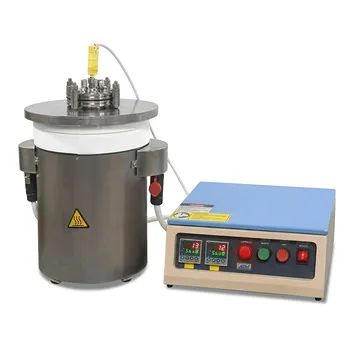
600°C Vertical Crucible Furnace with SS316 Alloy Reactor and 6 Port Vacuum Flange
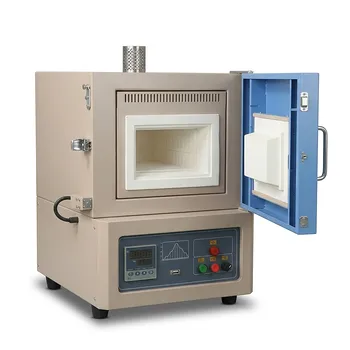
Anti Corrosive Muffle Furnace with Sintered Corundum Chamber and 1050C Operating Range for Corrosive Material Calcination
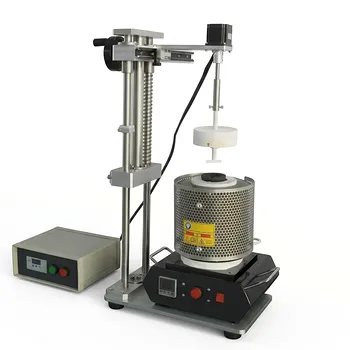
1100C Crucible Melting Furnace with Stirring Function for Glovebox and Air Sensitive Alloy Research
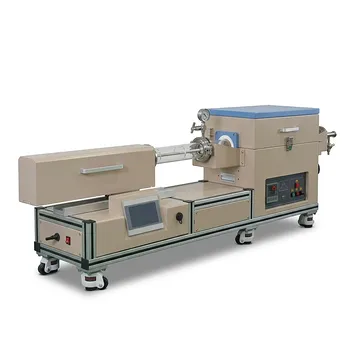
1200C Sliding Internal Crucible Tube Furnace for Controlled Atmosphere Thin Film Deposition and Material Sublimation Research
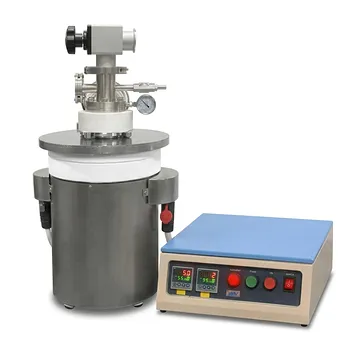
1100C High Temperature Vacuum Crucible Furnace with Quartz Chamber for Thermal Processing and Sintering
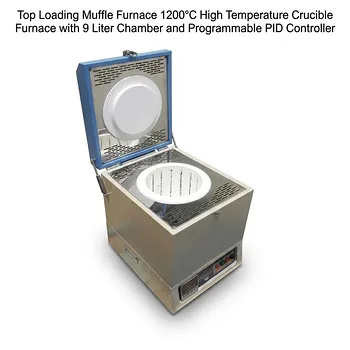
Top Loading Muffle Furnace 1200°C High Temperature Crucible Furnace with 9 Liter Chamber and Programmable PID Controller