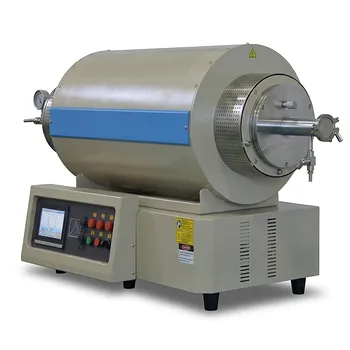
Why is high-purity nitrogen (N2) necessary for biochar activation? Maximize yields and optimize pore structure.
Updated 3 months ago
A high-purity nitrogen (N2) atmosphere is the fundamental safeguard against material loss and structural failure during biochar activation. Without this inert environment, the extreme temperatures required for activation—often exceeding 800°C—would cause the biomass to undergo rapid oxidative combustion, reducing your sample to worthless ash.
High-purity nitrogen functions as a protective shield that displaces oxygen, preventing aerobic combustion while ensuring the precise development of the biochar’s microporous structure and chemical reactivity.
Preventing Oxidative Combustion and Yield Loss
The Risk of High-Temperature Ashing
At temperatures ranging from 750°C to 900°C, biomass is highly reactive to even trace amounts of oxygen. Nitrogen flow effectively isolates the reaction from the surrounding air, preventing the material from catching fire and ensuring that the process remains focused on carbonization and activation rather than burning.
Maintaining an Inert and Reducing Environment
By continuously purging the tube furnace, nitrogen maintains a completely inert and reducing atmosphere. This controlled environment is essential for preserving the biochar yield, as it allows the thermal decomposition of the biomass to proceed without the interference of external oxidants.
Structural Preservation and Pore Development
Protecting the Microporous Network
The primary goal of activation is to create a high specific surface area through a complex network of pores. An oxygen-free environment protects the formation of these micropores and mesopores, preventing the premature oxidation that would otherwise collapse the structure and ruin the material's performance.
Facilitating Uniform Chemical Activation
When using activators like potassium hydroxide (KOH), a stable thermal field and inert atmosphere are required for the redox reactions between the activator and carbon atoms to occur uniformly. This uniformity is vital for creating the high surface area necessary for applications like capacitive deionization or heavy metal adsorption.
Maintaining Chemical and Equipment Integrity
Preservation of Surface Functional Groups
Beyond physical structure, the nitrogen atmosphere protects surface functional groups and persistent free radicals (PFRs). These chemical features are critical for the biochar’s ability to reduce pollutants, such as hexavalent chromium, and are easily destroyed if the material is exposed to oxygen at high temperatures.
Removal of Volatile By-products
The continuous flow of high-purity nitrogen serves a dual purpose by sweeping away volatile by-products generated during the reaction. Removing these gases helps maintain reaction equilibrium and protects the internal components of the tube furnace from potential corrosion or contamination.
Understanding the Trade-offs
The Cost of Purity vs. Protection
While high-purity nitrogen is an added operational cost, using lower-grade nitrogen can lead to surface oxidation. Even minor impurities can alter the chemical potential of the biochar, leading to inconsistent results in sensitive laboratory experiments.
Flow Rate Management
Choosing the correct flow rate is a delicate balance; a rate that is too low may fail to fully displace oxygen or remove volatiles. Conversely, an excessively high flow rate can lead to thermal instability within the furnace tube, potentially causing non-uniform activation across the sample.
How to Apply This to Your Project
Understanding the role of nitrogen allows you to fine-tune your activation process based on your specific research or production goals.
- If your primary focus is Maximum Surface Area: Ensure a steady, high-purity nitrogen flow throughout the entire heating and cooling cycle to prevent any pore collapse during the critical insulation stage.
- If your primary focus is Chemical Reactivity: Use nitrogen to strictly isolate the furnace chamber before heating begins to preserve delicate surface functional groups and persistent free radicals.
- If your primary focus is Equipment Longevity: Maintain a continuous nitrogen purge to effectively remove corrosive volatiles, preventing damage to the furnace's heating elements and tube lining.
By strictly controlling the nitrogen atmosphere, you ensure that the complex carbonization and pore-forming processes occur exactly as intended, guaranteeing a high-quality, high-yield final product.
Summary Table:
| Key Function | Impact on Biochar | Process Importance |
|---|---|---|
| Oxygen Displacement | Prevents oxidative combustion | Essential for yield preservation and avoiding ash. |
| Pore Protection | Maintains microporous network | Ensures high specific surface area for adsorption. |
| Chemical Stability | Preserves functional groups/PFRs | Maintains chemical reactivity and pollutant reduction. |
| Volatile Removal | Sweeps away gaseous by-products | Protects equipment and maintains reaction equilibrium. |
Elevate Your Research with Precision Thermal Solutions
THERMUNITS is a leading manufacturer of high-temperature laboratory equipment, specializing in material science and industrial R&D. We provide the high-performance Tube Furnaces, CVD/PECVD systems, and Atmosphere Furnaces required to maintain the precise inert environments essential for successful biochar activation and advanced heat treatments.
Our equipment ensures uniform thermal fields and reliable gas control, helping you achieve consistent, high-quality results. Contact our technical experts today to discuss how our comprehensive range of thermal processing solutions—from Rotary Kilns to Vacuum Induction Melting—can accelerate your project goals.
References
- Qiushuang Cui, H. Wei. Research on the Adsorption Mechanism and Performance of Cotton Stalk-Based Biochar. DOI: 10.3390/molecules29245841
Mentioned Products
- Automated 1200 C Tube Furnace for AI Material Research with 6 Inch OD and Sliding Flange
- High Temperature 1700C Vertical Tube Furnace for Powder Spherification and Material Sintering
- High Temperature Automated 5 Inch Tube Furnace for Autonomous Material Research and Advanced Laboratory R&D
- 1200C Sliding Tube Furnace for Rapid Thermal Processing and CVD Graphene Growth with 100mm OD Capacity
- Three Zone Rotary Tube Furnace for High Temperature Powder Processing and Material Research
People Also Ask
- Why is it necessary to heat a tube furnace to 900 °C for high-temperature burn-out? Ensure Data Precision & Longevity
- What are the technical advantages of using a tube-in-tube design within a tube furnace? Enhance Thin-Film Uniformity
- What are the advantages of Mesh Bias in Mist CVD? Improve Thin Film Quality & Uniformity.
- What is the primary role of a Tubular Furnace in the preparation of biochar? Precise Thermal Control for Biochar R&D
- What role does a Tubular Furnace play during the pyrolysis stage of BNBT-xBMN thin film preparation? Essential Insights

Tech Team · ThermUnits
Last updated on Jun 03, 2026
Related Products
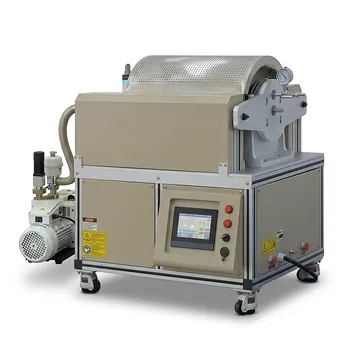
Automated 1200 C Tube Furnace for AI Material Research with 6 Inch OD and Sliding Flange

High Temperature 1700C Vertical Tube Furnace for Powder Spherification and Material Sintering

High Temperature Automated 5 Inch Tube Furnace for Autonomous Material Research and Advanced Laboratory R&D
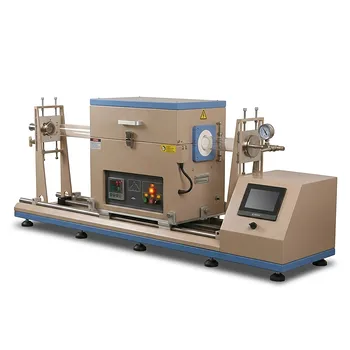
1200C Sliding Tube Furnace for Rapid Thermal Processing and CVD Graphene Growth with 100mm OD Capacity
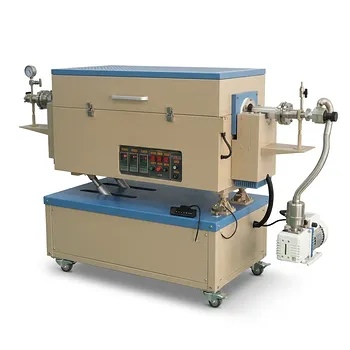
Three Zone Rotary Tube Furnace for High Temperature Powder Processing and Material Research

Compact High Temperature 1600C Tube Furnace with 50mm Alumina Tube and Vacuum Flanges for Material Sintering
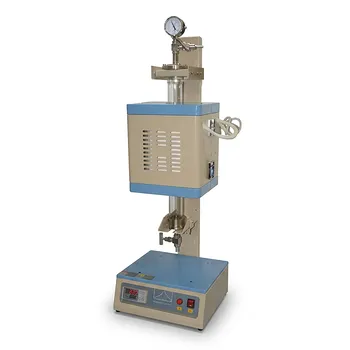
Compact Vertical Split Quartz Tube Furnace with Stainless Steel Vacuum Flanges for Rapid Thermal Quenching and Controlled Atmosphere Material Processing
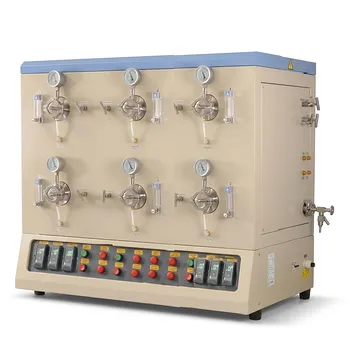
1200C High Throughput Multi Channel Tube Furnace with 50mm Quartz Tubes for Annealing and Material Phase Diagram Research
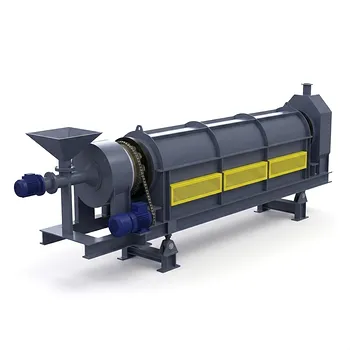
Electric Rotary Kiln Small Rotary Furnace for Activated Carbon Regeneration
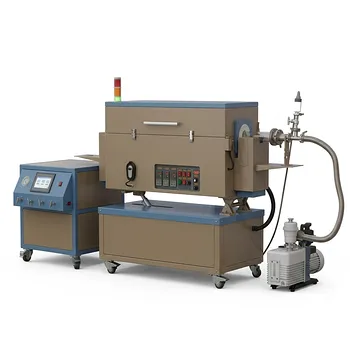
5 Inch Three Zone Rotary Tube Furnace with Integrated Gas Delivery System and 1200C Capability for Advanced Material CVD Processing
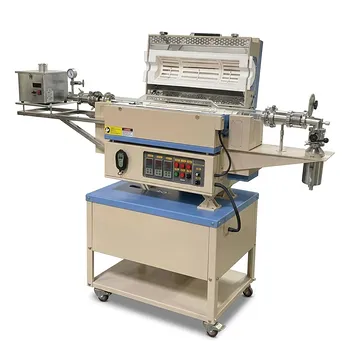
5 Inch Rotary Tube Furnace with Automatic Feeding and Receiving System 1200C Three Zone CVD Powder Processing
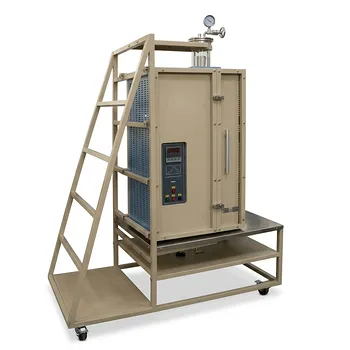
Split Vertical Tube Furnace with 1200C Quartz Tube and Stainless Steel Vacuum Flanges for Rapid Thermal Processing
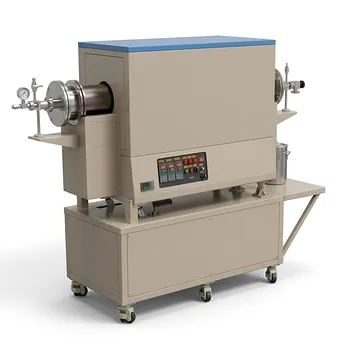
900°C Max Rotary Tube Furnace with 8 Inch 310S Alloy Tube and Optional Multi Zone Heating for Industrial Material Calcination
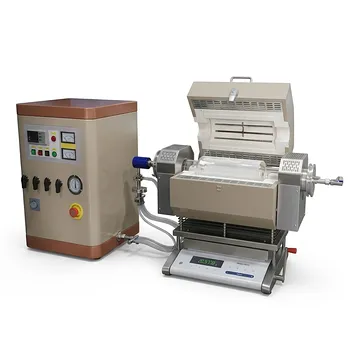
Mini Rotary Tubular Furnaces for Precision Powder Heat Treatment and Thermogravimetric Analysis
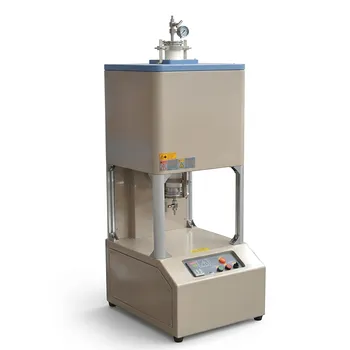
Vertical 1700C Vacuum and Atmosphere Tube Furnace with 80mm Alumina Tube
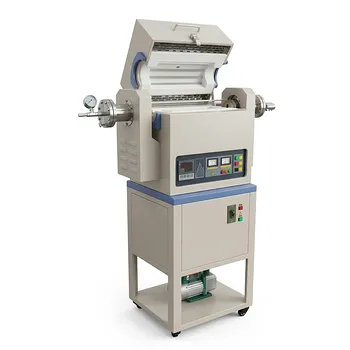
High Temperature Rotary Tilt Tubular Furnaces for Advanced Powder Sintering and Material Processing

1800C High Temperature Compact Vacuum Tube Furnace with 60mm OD Alumina Tube and Kanthal MoSi2 Heating Elements

1100C Tube Furnace with Vacuum Flange and Programmable Temperature Controller for Material Science and Industrial Heat Treatment
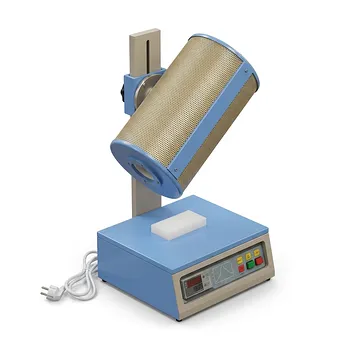
1100°C Vertical Laboratory Furnace for DIY Tubular Reactors with PID Temperature Controller