Why is it necessary to heat a tube furnace to 900 °C for high-temperature burn-out? Ensure Data Precision & Longevity
Updated 3 months ago
The 900 °C burn-out is a critical self-purification protocol. It uses high-temperature oxidation to eliminate residual tar, carbon deposits, and soot from the furnace tube walls. This ensures the internal environment is chemically inert and clean for the next experimental run, preventing "ghost" data and equipment degradation.
High-temperature burn-out at 900 °C transforms stubborn organic residues into gaseous products, effectively stripping the furnace tube of contaminants. This maintenance step is essential for securing the integrity of mass-loss measurements and ensuring the repeatability of sensitive metallurgical data.
The Science of High-Temperature Oxidation
Breaking Down Complex Hydrocarbons
During experiments involving biocoke or coal, complex organic compounds like tar and soot adhere to the cooler surfaces of the furnace tube. At 900 °C, these carbon-based residues undergo rapid oxidation, converting solid buildup into carbon dioxide and other gases that are swept out of the system.
Achieving Chemical Neutrality
A "dirty" tube is not chemically neutral; residual carbon can react with subsequent samples or process gases like carbon dioxide. By heating the system to 900 °C, you ensure that the furnace interior does not provide unintended reactants that could skew the results of your next experiment.
Maintaining Equipment Cleanliness
Frequent high-temperature burn-outs prevent the accumulation of thick carbon layers, which can become harder to remove over time. Consistent cleaning preserves the furnace's internal environment, making it a "clean slate" for every researcher who uses the tool.
Protecting Experimental Precision
Eliminating Cross-Contamination
In sensitive metallurgical studies, even trace amounts of residue from a previous sample can introduce variables that compromise the purity of the current test. The 900 °C threshold is high enough to ensure that almost all organic contaminants are vaporized and removed, preventing sample-to-sample interference.
Ensuring Accurate CRI Calculations
Calculating the Coke Reactivity Index (CRI) depends on measuring precise mass loss at high temperatures. If residual soot from a previous run is present, it may burn off during the new experiment, leading to inflated mass loss data and an incorrect calculation of the biocoke's reactivity.
Verifying Technical Feasibility
For researchers determining if biocoke can replace petrochemical coke in copper smelting, data repeatability is paramount. A standardized burn-out procedure ensures that the differences measured between samples are due to the material properties themselves, not the state of the furnace.
Understanding the Trade-offs and Risks
Impact on Component Longevity
While 900 °C is necessary for cleaning, frequent thermal cycling can put stress on the furnace tube and heating elements. Users must balance the need for a clean environment with the mechanical limits of the ceramic or quartz materials used in the tube.
Risks of Incomplete Oxidation
If the burn-out is performed at a temperature lower than 900 °C, some heavy tars may only partially decompose, leaving a charred residue that is even harder to remove. It is critical to reach the specified temperature to ensure full conversion of solids to gases.
Atmospheric Considerations
The effectiveness of a burn-out often depends on the presence of oxygen. Performing a "burn-out" in a strictly inert atmosphere (like pure nitrogen) will not oxidize the carbon; it requires either air or a specific oxidizing purge to be truly effective.
How to Integrate Burn-out into Your Workflow
Effective furnace maintenance requires a disciplined approach to post-experiment procedures to ensure long-term data reliability.
- If your primary focus is Data Accuracy: Always perform a 900 °C burn-out between different sample types to ensure that mass loss measurements reflect only the current specimen.
- If your primary focus is Equipment Longevity: Monitor the ramp rates during the burn-out process to minimize thermal shock to the furnace tube and heating elements.
- If your primary focus is High-Volume Testing: Establish a standardized "clean-run" duration at 900 °C to maintain a consistent baseline for all experiments in a series.
A disciplined high-temperature burn-out is the foundation of trustworthy metallurgical research and sustainable furnace performance.
Summary Table:
| Key Aspect | Benefit of 900 °C Burn-out | Impact on Research |
|---|---|---|
| Residue Removal | Oxidizes tar, soot, and carbon deposits | Eliminates "ghost" data and cross-contamination |
| Chemical Purity | Ensures the tube environment is chemically inert | Prevents unintended reactions with future samples |
| Data Integrity | Standardizes conditions for CRI and mass loss | Guarantees accuracy and repeatability of results |
| Maintenance | Prevents buildup of stubborn carbon layers | Extends the operational lifespan of the furnace tube |
Elevate Your Research Precision with THERMUNITS
Maximize the reliability of your metallurgical and material science experiments with industry-leading thermal solutions. THERMUNITS is a premier manufacturer of high-temperature laboratory equipment, providing advanced systems specifically designed for the rigors of industrial R&D and material testing.
Our comprehensive range of high-performance equipment includes:
- Versatile Furnaces: Muffle, Vacuum, Atmosphere, Tube, Rotary, and Hot Press furnaces.
- Advanced Processing: CVD/PECVD systems, Vacuum Induction Melting (VIM) furnaces, and Electric Rotary Kilns.
- Specialized Lab Gear: Dental Furnaces, high-quality Thermal Elements, and custom heat treatment solutions.
Whether you are conducting sensitive biocoke analysis or developing new alloys, our equipment ensures the thermal stability and cleanliness required for a "clean slate" every time.
Don't let residual contamination compromise your data. Contact THERMUNITS today to discover how our expert thermal solutions can enhance your laboratory's efficiency and experimental accuracy.
References
- Shan Cheng, Lianghui Chen. Synergistic Catalytic Effects on Nitrogen Transformation during Biomass Pyrolysis: A Focus on Proline as a Model Compound. DOI: 10.3390/molecules29133118
Mentioned Products
- Vertical 1700C Vacuum and Atmosphere Tube Furnace with 80mm Alumina Tube
- Compact High Temperature 1600C Tube Furnace with 50mm Alumina Tube and Vacuum Flanges for Material Sintering
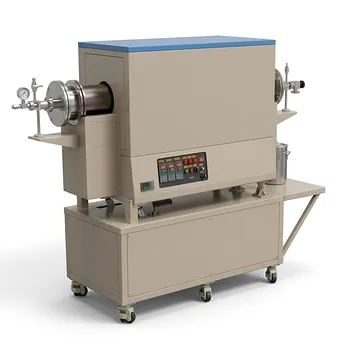
- 900°C Max Rotary Tube Furnace with 8 Inch 310S Alloy Tube and Optional Multi Zone Heating for Industrial Material Calcination
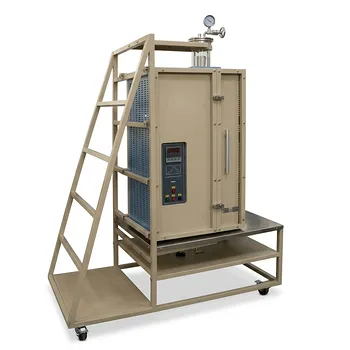
- Split Vertical Tube Furnace with 1200C Quartz Tube and Stainless Steel Vacuum Flanges for Rapid Thermal Processing
- High Temperature 1700C Tube Furnace with High Vacuum Turbomolecular Pump System and Multi Channel Mass Flow Controller Gas Mixer
People Also Ask
- How is an industrial-grade vertical tube furnace utilized in smelting leaching residues? Enhance Metal Recovery Efficiency
- What is the function of a laboratory-grade vertical tube furnace in fast pyrolysis? Optimize Composite Research.
- How does a vertical tube furnace facilitate thermoelectric alloy melting? Precision synthesis for material homogeneity.
- Why is a thermocouple sensor indispensable for monitoring the vertical tube furnace during gallium oxide nanowire production? Optimize VLS Growth
- What are the advantages of using a vertical tube furnace for crucible experiments simulating steel-slag interactions?

Tech Team · ThermUnits
Last updated on Jun 02, 2026
Related Products

Vertical 1700C Vacuum and Atmosphere Tube Furnace with 80mm Alumina Tube

Compact High Temperature 1600C Tube Furnace with 50mm Alumina Tube and Vacuum Flanges for Material Sintering
900°C Max Rotary Tube Furnace with 8 Inch 310S Alloy Tube and Optional Multi Zone Heating for Industrial Material Calcination
Split Vertical Tube Furnace with 1200C Quartz Tube and Stainless Steel Vacuum Flanges for Rapid Thermal Processing

High Temperature 1700C Tube Furnace with High Vacuum Turbomolecular Pump System and Multi Channel Mass Flow Controller Gas Mixer

1100C Tube Furnace with Vacuum Flange and Programmable Temperature Controller for Material Science and Industrial Heat Treatment
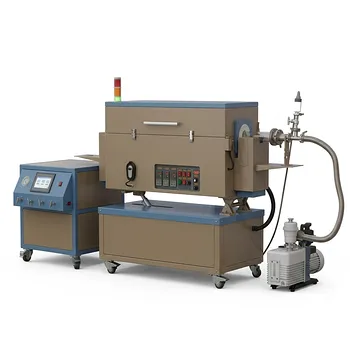
5 Inch Three Zone Rotary Tube Furnace with Integrated Gas Delivery System and 1200C Capability for Advanced Material CVD Processing
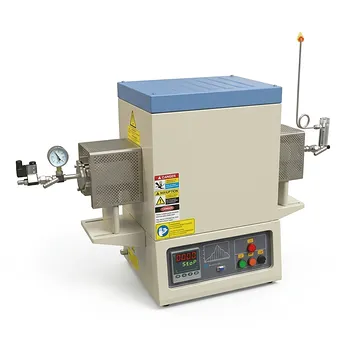
1700C Hydrogen Gas Tube Furnace with 60mm Alumina Process Tube and Integrated Hydrogen Safety Detector

1200°C 5 Inch Vertical Quartz Tube Furnace with Stainless Steel Vacuum Flanges

High Temperature 1700C Six Zone Split Tube Furnace with Alumina Tube and Water Cooled Flanges

Compact Vertical Split Quartz Tube Furnace with Stainless Steel Vacuum Flanges for Rapid Thermal Quenching and Controlled Atmosphere Material Processing

High Temperature 1700C Benchtop Tube Furnace with 5 Inch Heating Zone High Purity Alumina Tube and Vacuum Sealing Flanges
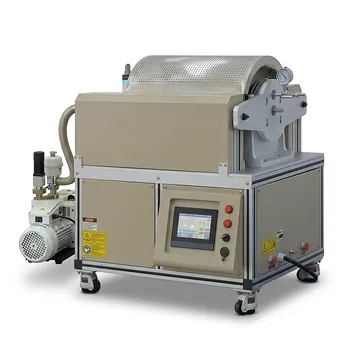
Automated 1200 C Tube Furnace for AI Material Research with 6 Inch OD and Sliding Flange
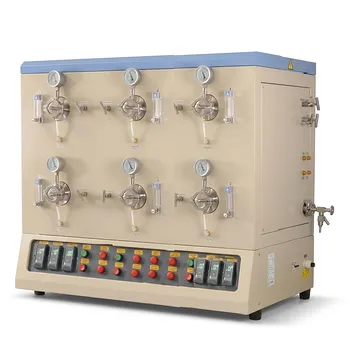
1200C High Throughput Multi Channel Tube Furnace with 50mm Quartz Tubes for Annealing and Material Phase Diagram Research
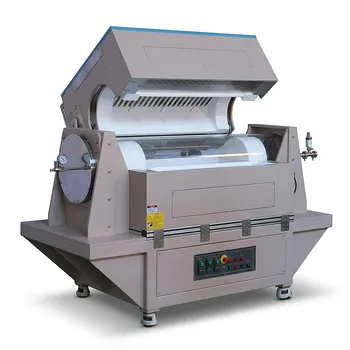
Three Zone Tube Furnace with 11 Inch or 15 Inch Quartz Tube and Hinged Flanges for Vacuum Atmosphere Heat Treatment

1800C High Temperature Compact Vacuum Tube Furnace with 60mm OD Alumina Tube and Kanthal MoSi2 Heating Elements

High Temperature 1700C Vertical Tube Furnace for Powder Spherification and Material Sintering
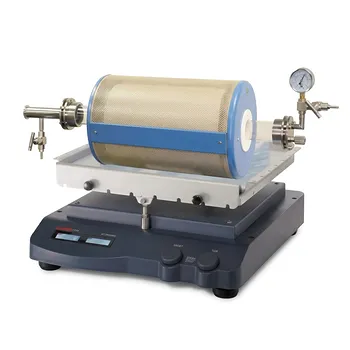
High Temperature Rocking Tube Furnace with Quartz Tube and Vacuum Flange for Materials Synthesis

High Temperature Automated 5 Inch Tube Furnace for Autonomous Material Research and Advanced Laboratory R&D