Why is a high-purity nitrogen protective atmosphere required during the conversion of lignin into biochar? Expert Guide
Updated 3 months ago
High-purity nitrogen serves as a critical inert barrier that prevents the oxidative combustion of lignin at high temperatures. By displacing oxygen within the reactor, nitrogen ensures the material undergoes anaerobic carbonization rather than burning into ash. This controlled environment is essential for the formation of a stable graphitic carbon structure and the retention of the biochar’s skeleton.
Core Takeaway: A high-purity nitrogen atmosphere shifts the thermal process from destructive combustion to constructive pyrolysis, preserving the structural integrity, chemical potential, and functional properties required for advanced biochar applications.
Preventing Oxidative Destruction at High Temperatures
The Transition from Combustion to Carbonization
At temperatures reaching 1100 °C, lignin will naturally react with oxygen to undergo aerobic combustion. This process destroys the carbon framework, converting the biomass into carbon dioxide and mineral ash.
Nitrogen flow creates a strictly inert environment that forces the lignin to undergo pyrolysis. This anaerobic process allows the carbon atoms to rearrange into a stable skeleton without being consumed by flame.
Achieving Graphitic Carbon Structures
The primary goal of high-temperature lignin conversion is often the creation of graphitic carbon. Oxygen interference during heating disrupts the formation of these ordered layers.
By maintaining a continuous flow of nitrogen, the reactor ensures the carbonization process proceeds correctly. This leads to a material with high thermal stability and the specific aromatic structures needed for industrial use.
Preserving Chemical and Physical Functionality
Protection of Microporous Networks
The effectiveness of biochar often depends on its internal surface area and microporous structure. If oxygen is present, even in trace amounts, it can "burn out" these delicate pores during activation.
High-purity nitrogen protects the developing pore network from premature oxidation. This ensures that the final product has the high adsorption capacity required for environmental remediation.
Retention of Surface Functional Groups
Biochar’s ability to reduce contaminants, such as hexavalent chromium, relies on specific surface functional groups and persistent free radicals (PFRs). Oxygen exposure at high temperatures degrades these active sites.
Using an inert atmosphere preserves the chemical potential of the material. This allows the biochar to maintain its ability to participate in complex chemical reduction reactions.
Facilitating Advanced Modification and Activation
Ensuring Successful Magnetic Functionalization
When creating magnetic biochar, nitrogen prevents the oxidation of iron precursors. Without this protection, divalent and trivalent iron would fail to form the necessary magnetite (Fe3O4) crystalline phases.
The inert atmosphere ensures that these magnetic components are generated in-situ within the biochar pores. This results in a material that can be easily recovered from aqueous solutions using magnets.
Optimizing Chemical Activation Reactions
Processes involving chemical agents like potassium hydroxide (KOH) require an oxygen-free state to function accurately. Oxygen interference can cause violent oxidation or inconsistent activation.
Nitrogen displacement allows these chemical reactions to precisely construct mesoporous and microporous structures. This level of control is necessary for tailoring biochar for specific filtration or storage tasks.
Understanding the Trade-offs and Risks
The Impact of Nitrogen Purity
Using lower-purity nitrogen introduces trace oxygen into the furnace. This can result in a lower biochar yield, as a portion of the carbon is lost to oxidation.
Trace oxygen also affects the "cleanliness" of the carbon surface. It may lead to the unintended formation of oxygen-containing groups that alter the biochar’s hydrophobicity or electrical conductivity.
Operational Challenges and Cost
Maintaining a continuous, high-purity nitrogen flow increases the complexity and cost of the pyrolysis setup. Operators must balance the flow rate to ensure oxygen is fully displaced without cooling the reactor excessively.
Failure to maintain a positive pressure of nitrogen can allow atmospheric air to leak into the furnace. At 900 °C to 1100 °C, even a minor leak can cause rapid material loss and potentially damage the heating elements.
Applying This Knowledge to Your Carbonization Goals
Making the Right Choice for Your Project
The necessity of high-purity nitrogen depends on the intended final application of your lignin-derived biochar.
- If your primary focus is graphitic structure or high-temp carbonization: You must use high-purity nitrogen to prevent all oxidative loss and ensure the stability of the carbon skeleton at 1100 °C.
- If your primary focus is magnetic functionalization: A strictly inert nitrogen atmosphere is required to protect the iron precursors and ensure the formation of magnetite crystalline phases.
- If your primary focus is maximizing surface area via chemical activation: Nitrogen is essential to prevent the "over-burning" of the carbon matrix during the reaction with activation agents like KOH.
- If your primary focus is environmental pollutant reduction: Nitrogen must be used to preserve the persistent free radicals (PFRs) and functional groups necessary for chemical reduction.
A controlled, oxygen-free environment is the fundamental requirement for transforming raw lignin into a high-value, functional carbon material.
Summary Table:
| Key Factor | Role of Nitrogen Atmosphere | Impact on Biochar Quality |
|---|---|---|
| Thermal Process | Shifts from aerobic combustion to anaerobic pyrolysis | Prevents material from burning into mineral ash |
| Structural Integrity | Facilitates graphitic carbon layer formation | Enhances thermal stability and aromatic structure |
| Physical Properties | Protects microporous and mesoporous networks | Ensures high surface area and adsorption capacity |
| Chemical Activity | Preserves surface functional groups and PFRs | Maintains potential for chemical reduction (e.g., Cr(VI)) |
| Functionalization | Prevents oxidation of metallic/magnetic precursors | Enables successful in-situ magnetic modification |
Elevate Your Biochar Research with THERMUNITS
Precise atmospheric control is the difference between high-value biochar and simple ash. THERMUNITS is a leading manufacturer of high-temperature laboratory equipment specifically designed for material science and industrial R&D.
We provide a comprehensive range of thermal solutions, including Atmosphere Furnaces, Vacuum Furnaces, Tube Furnaces, and CVD/PECVD systems, engineered to maintain the strict high-purity inert environments required for advanced lignin carbonization and chemical activation.
Ready to optimize your heat treatment process? Contact our technical experts today to find the perfect furnace solution for your laboratory’s needs and ensure superior structural integrity for your advanced materials.
References
- Seth Kane, Cecily Ryan. Role of sodium sulfate in electrical conductivity and structure of lignin-derived carbons. DOI: 10.1016/j.jaap.2024.106600
Mentioned Products
- High Temperature Vertical Atmosphere Controlled Furnace with Automatic Bottom Loading and 1700°C Capacity for Advanced Material Research
- High Temperature Oxygen and Inert Atmosphere Controlled Furnace 8 Liter 1700C Sintering System for Advanced Materials RD
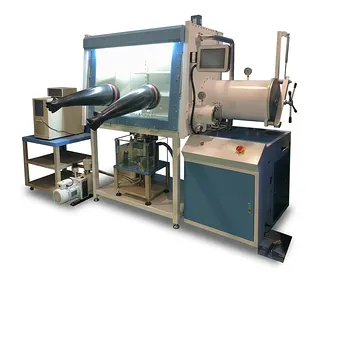
- High Temperature Induction Melting System with Integrated Ultra High Purity Glove Box for Metallic Alloy Processing
People Also Ask
- What role does atmosphere control play in technical ceramics and glass? Master Material Purity and Precision
- What is the function of a vertical tube furnace in MnOx-SiO2 research? Precision Control & Quenching
- What's the Role of Tube Furnaces in FeCuS-N-C Synthesis? Precision Pyrolysis & Atmosphere Control
- What role does a high-temperature atmosphere furnace play in the direct electrochemical reduction of CO2? - Key Insights
- What is the function of a high-temperature tube furnace with atmosphere control? Optimize Carbonization of Composites

Tech Team · ThermUnits
Last updated on Jun 03, 2026
Related Products
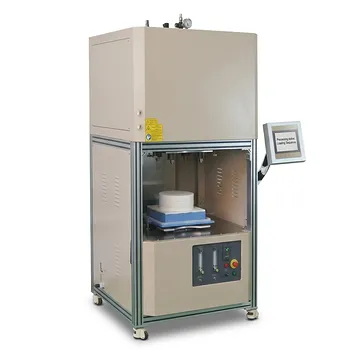
High Temperature Vertical Atmosphere Controlled Furnace with Automatic Bottom Loading and 1700°C Capacity for Advanced Material Research
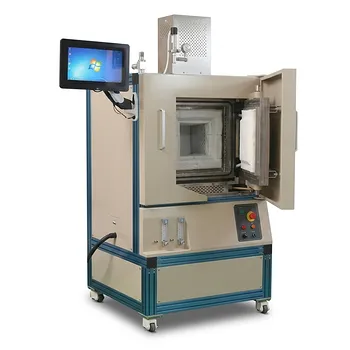
High Temperature Oxygen and Inert Atmosphere Controlled Furnace 8 Liter 1700C Sintering System for Advanced Materials RD