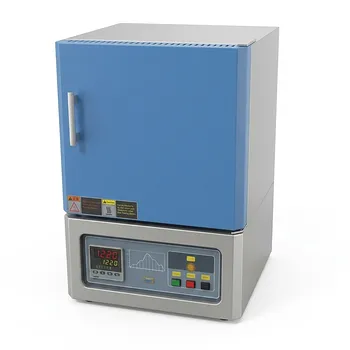
What role does a high-temperature atmosphere furnace play in the direct electrochemical reduction of CO2? - Key Insights
Updated 3 months ago
The high-temperature atmosphere furnace serves as the fundamental reaction chamber for the electrochemical transformation of carbon dioxide. It provides a stable 750°C thermal environment that allows $CO_2$ to react with molten salt oxides, forming the carbonates required for reduction into solid carbon nanomaterials. By maintaining a sealed, continuous flow of $CO_2$ and managing precise heating rates, the furnace ensures both the chemical feasibility of the process and the structural integrity of the equipment.
The furnace is the critical infrastructure that enables the thermochemical conversion of gaseous $CO_2$ into reactive liquid-phase carbonates. It provides the necessary thermal energy for electrolysis while maintaining an oxygen-free, gas-controlled environment to prevent material degradation.
Facilitating Molten Salt Chemistry
Enabling Carbonate Formation
The furnace maintains a constant temperature, typically around 750°C, which is a critical physical condition for the process. At this temperature, $CO_2$ gas reacts with oxides present in the molten salt to form carbonates. These carbonates then undergo direct electrochemical reduction to precipitate as solid carbon nanomaterials on the cathode.
Sustaining the Electrolytic Environment
A high-temperature atmosphere furnace provides the stable thermal energy required to keep the electrolyte in a molten state. This liquid phase is essential for ionic mobility, allowing the continuous flow of ions between electrodes during the reduction process. Without this precise temperature control, the molten salt would solidify, immediately halting the electrochemical reaction.
Precise Thermal and Atmosphere Control
Preventing Thermal Shock
The furnace allows for highly controlled heating rates, such as 2°C per minute, during the startup phase. This slow ramp-up is vital to prevent thermal shock to the crucibles holding the molten salt. Sudden temperature shifts can cause ceramic or specialty metal containers to crack, leading to catastrophic leaks.
Maintaining Chemical Purity
The furnace operates as a sealed chamber, ensuring a continuous and controlled flow of high-purity $CO_2$. This sealing performance is critical for preventing the ingress of oxygen or other atmospheric contaminants. An oxygen-free environment prevents the oxidative degradation of the newly formed carbon nanomaterials and ensures the purity of the final product.
Promoting Structural Development
Beyond simple heating, the furnace environment influences the graphitization and rearrangement of carbon atoms. High-temperature treatment helps remove non-carbon elements and promotes the formation of specific carbon frameworks. This results in nanomaterials with high electrical conductivity and developed surface structures, which are essential for applications in energy storage or catalysis.
Understanding the Trade-offs and Limitations
Energy Consumption and Scaling
Maintaining a furnace at temperatures like 750°C to 1000°C requires significant energy input, which can impact the economic viability of the process. While higher temperatures can improve graphitization and reaction kinetics, they also increase operational costs and accelerate the wear on heating elements.
Material Compatibility Issues
The combination of high heat and corrosive molten salts creates an aggressive environment for the furnace internals. Standard stainless steels may fail, requiring the use of expensive nickel-based alloys or ceramic liners. Even with these materials, the prolonged "soaking times" required for synthesis can lead to gradual material fatigue and the need for regular maintenance.
Complexity of Atmosphere Management
Achieving a perfectly sealed environment at high temperatures is technically challenging. Any failure in the sealing gaskets or gas delivery system can introduce oxygen, which would cause the carbon nanomaterials to burn back into $CO_2$ before they can be harvested.
Making the Right Choice for Your Goal
To maximize the efficiency of your electrochemical reduction process, your furnace strategy should align with your specific material requirements.
- If your primary focus is high-purity carbon yield: Prioritize a furnace with superior sealing performance and high-purity gas delivery to eliminate all traces of oxygen during the cooling phase.
- If your primary focus is equipment longevity: Implement a precision control system capable of very slow heating rates (less than 2°C/min) to protect expensive crucibles and internal components from thermal stress.
- If your primary focus is structural tuning of the nanomaterial: Opt for a furnace that can reach and maintain temperatures above 900°C to promote advanced graphitization and the development of high specific surface areas.
The high-temperature atmosphere furnace is not merely a heater, but a precision instrument that dictates the chemical path and final quality of $CO_2$-derived carbon nanomaterials.
Summary Table:
| Key Feature | Role in CO2 Reduction | Technical Requirement |
|---|---|---|
| Thermal Stability | Maintains electrolyte in liquid/molten state | Constant ~750°C |
| Atmosphere Control | Prevents oxidation of carbon nanomaterials | Sealed, oxygen-free CO2 flow |
| Precision Ramp | Prevents crucible damage/thermal shock | Control rates < 2°C/min |
| Graphitization | Promotes structural development of carbon | Temps up to 900°C-1000°C |
Elevate Your Material Research with THERMUNITS
Unlock the full potential of your carbon nanomaterial synthesis with THERMUNITS, a leading manufacturer of high-temperature laboratory equipment for material science and industrial R&D. Whether you are conducting direct electrochemical reduction of $CO_2$ or advanced graphitization, our precision thermal solutions provide the stability and control your research demands.
Our comprehensive product range includes:
- Atmosphere & Vacuum Furnaces for precise gas management.
- Muffle, Tube, and Rotary Furnaces for diverse heat treatments.
- CVD/PECVD Systems and Vacuum Induction Melting (VIM) for advanced synthesis.
- Hot Press & Dental Furnaces for specialized material processing.
From protecting expensive crucibles with ultra-slow ramp rates to ensuring high-purity yields with advanced sealing, THERMUNITS delivers the reliability researchers trust.
Ready to optimize your thermal processes?
Contact Our Engineering Team Today to discuss a customized solution for your laboratory.
References
- Yi‐Bing Cheng, Chunfa Liao. The Effect of Molten Salt Composition on Carbon Structure: Preparation of High Value-Added Nano-Carbon Materials by Electrolysis of Carbon Dioxide. DOI: 10.3390/nano15010053
Mentioned Products
- 1650C High Temperature Atmosphere Controlled Box Furnace with 65L Chamber for Advanced Material Sintering and Industrial Heat Treatment
- High Temperature Vertical Atmosphere Controlled Furnace with Automatic Bottom Loading and 1700°C Capacity for Advanced Material Research
- 1750°C High Temperature Benchtop Vacuum Atmosphere Tube Furnace with Kanthal Super 1800 Heating Elements and 60mm Alumina Processing Tube
- High Temperature Oxygen and Inert Atmosphere Controlled Furnace 8 Liter 1700C Sintering System for Advanced Materials RD
- High Temperature Hydrogen Atmosphere Box Furnace 1650C Max Reducing Environment Material Synthesis System 8x8x8 Chamber
People Also Ask
- What role does atmosphere control play in technical ceramics and glass? Master Material Purity and Precision
- What is the role of a high-temperature box furnace in the solid-state synthesis of Europium-doped M3MgSi2O8 phosphors?
- What is the role of a high-temperature box furnace in Na3MnZr(PO4)3 synthesis? Engineering High-Performance NASICON.
- What physical conditions does a high-temperature atmosphere furnace provide for MXene exfoliation? Process Guide
- What is the role of a high-temperature atmosphere furnace in HfCo-N-C catalyst preparation? Expert Synthesis Guide.

Tech Team · ThermUnits
Last updated on Jun 02, 2026
Related Products
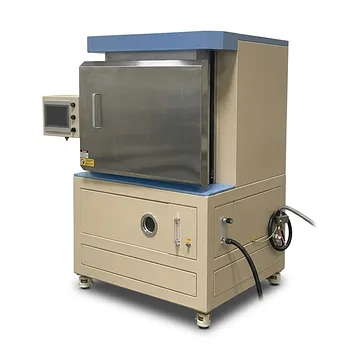
1650C High Temperature Atmosphere Controlled Box Furnace with 65L Chamber for Advanced Material Sintering and Industrial Heat Treatment
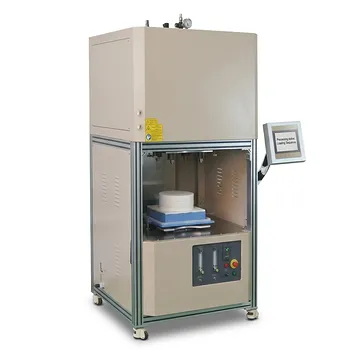
High Temperature Vertical Atmosphere Controlled Furnace with Automatic Bottom Loading and 1700°C Capacity for Advanced Material Research
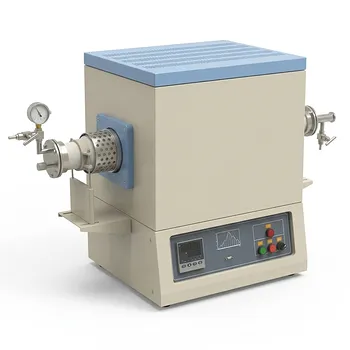
1750°C High Temperature Benchtop Vacuum Atmosphere Tube Furnace with Kanthal Super 1800 Heating Elements and 60mm Alumina Processing Tube
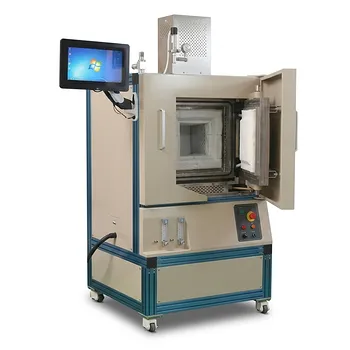
High Temperature Oxygen and Inert Atmosphere Controlled Furnace 8 Liter 1700C Sintering System for Advanced Materials RD
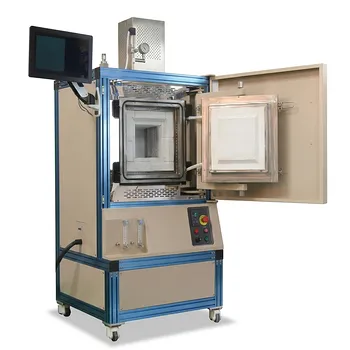
High Temperature Hydrogen Atmosphere Box Furnace 1650C Max Reducing Environment Material Synthesis System 8x8x8 Chamber
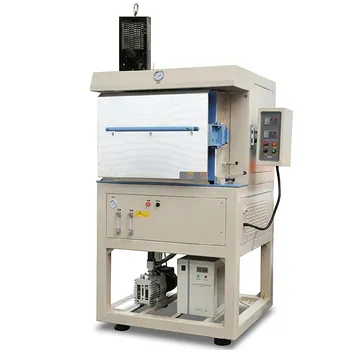
1200C Hydrogen Atmosphere Box Furnace with 5 Heated Sides and 64L Chamber
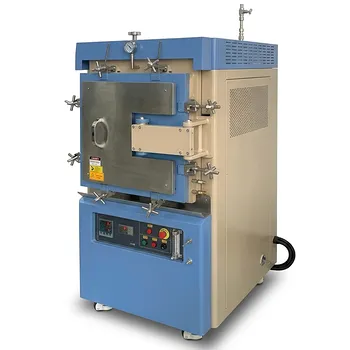
Atmosphere Controlled Muffle Furnace 1700C Maximum Temperature 80L High Capacity Vacuum Inert Gas Box Furnace
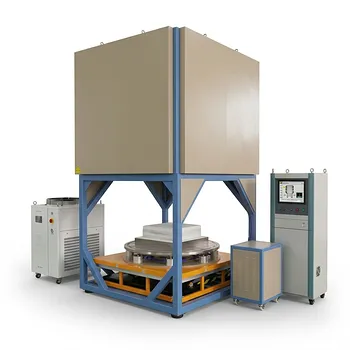
Bottom Loaded Inert Gas Atmosphere Box Furnace 1700C 1300C 216L Large Capacity Industrial Thermal Processing System
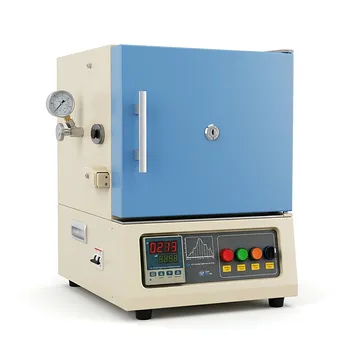
1200C Hybrid Muffle and Tube Furnace for Material Research with Dual Atmosphere Control Quartz Tubes
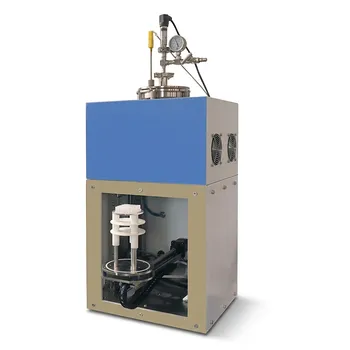
Rapid Thermal Processing RTP Atmosphere Controlled Bottom Loading Furnace 1100C High Throughput 50C per Second Heating Rate

Vertical 1700C Vacuum and Atmosphere Tube Furnace with 80mm Alumina Tube
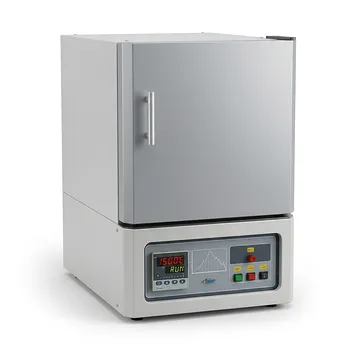
High Temperature 1500C Benchtop Muffle Furnace 3.6L Alumina Fiber Chamber Programmable Controller Sintering Annealing Carbonization Thermal Processing System
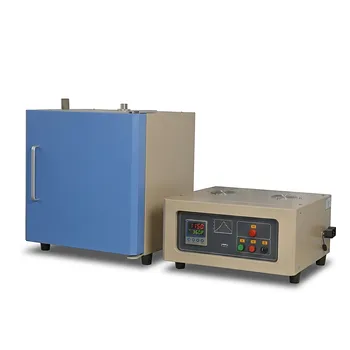
High Temperature Muffle Furnace with Alloy Chamber for Debinding and Sintering Applications
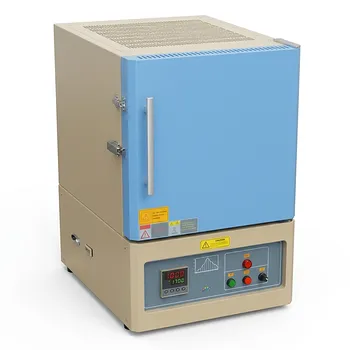
Large Bench Top 1700C High Temperature Muffle Furnace with 19L Chamber for Advanced Material Sintering and Annealing
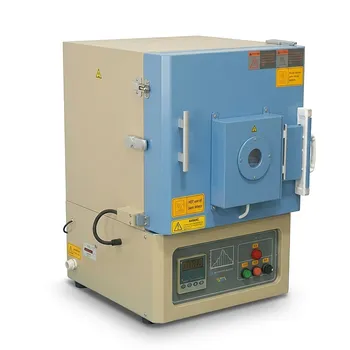
High Temperature Benchtop Muffle Furnace 1500C with 3.6L Chamber and Quartz Observation Window

High Temperature 1700C Vertical Tube Furnace for Powder Spherification and Material Sintering

High Temperature 1700C Tube Furnace with High Vacuum Turbomolecular Pump System and Multi Channel Mass Flow Controller Gas Mixer
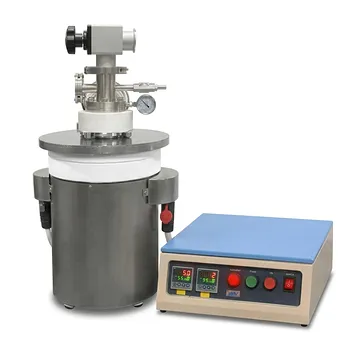
1100C High Temperature Vacuum Crucible Furnace with Quartz Chamber for Thermal Processing and Sintering
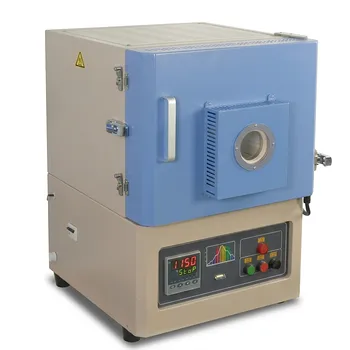
High Temperature Benchtop Muffle Furnace with Quartz Observation Window for Thermal Imaging and Material Analysis