What's the Role of Tube Furnaces in FeCuS-N-C Synthesis? Precision Pyrolysis & Atmosphere Control
Updated 3 months ago
The high-temperature tube furnace acts as the controlled reactor for the pyrolysis of Metal-Organic Framework (MOF) precursors. Specifically, it provides the precise 800 °C thermal environment and oxygen-free nitrogen atmosphere necessary to transform precursors into highly conductive nitrogen-doped carbon hollow nanorods. This process is essential for preventing the oxidation of the carbon framework and the delicate Fe and Cu active sites.
The primary role of the high-temperature tube furnace is to facilitate the oxygen-free pyrolysis of precursors, ensuring the formation of a stable, conductive carbon matrix while protecting the chemical integrity of metallic active sites.
Facilitating the Pyrolysis of MOF Precursors
Driven Carbonization and Graphitization
The furnace provides the extreme thermal energy required to trigger the pyrolysis of complex organic ligands. At temperatures typically around 800 °C, the MOF structure undergoes a phase transformation, converting into a stable carbon framework.
This high-temperature treatment removes volatile components and encourages graphitization. This process is what grants the resulting catalyst its high electrical conductivity, which is vital for electrochemical performance.
Formation of Hollow Nanorod Structures
In the synthesis of FeCuS-N-C, the furnace's controlled heating profile allows the precursor to evolve into hollow nanorods. These structures are prized for their high surface area, which provides more accessible sites for catalytic reactions.
The Critical Necessity of Atmosphere Control
Prevention of Oxidative Degradation
The tube furnace provides an airtight seal that allows for a continuous flow of high-purity nitrogen (N2). This creates a completely oxygen-free environment during the high-heat phase.
Without this atmosphere control, the carbon framework would undergo combustion, and the active metal sites—specifically Iron (Fe) and Copper (Cu)—would oxidize. Oxidation would render the catalyst inactive for its intended application.
Precision Nitrogen Doping
The furnace environment facilitates the integration of nitrogen atoms into the carbon lattice. This nitrogen doping is a chemical necessity, as it modifies the electronic structure of the carbon to better anchor the metal atoms.
Engineering the Catalytic Active Sites
Anchoring Metal Atoms into the Matrix
The high-temperature environment promotes a solid-phase reaction that embeds Fe and Cu atoms into nitrogen-coordinated sites (Fe-Nx and Cu-Nx). These atomic-level configurations are the "engines" of the catalyst's activity.
Ensuring Uniformity and Stability
The uniformity of the temperature field within the tube ensures that the active site density is consistent throughout the material. Consistent heating prevents the formation of large, inactive metal clusters, keeping the metals atomically dispersed.
Understanding the Trade-offs and Pitfalls
Temperature Sensitivity
If the temperature is too low, the precursor will not fully carbonize, leading to poor conductivity. Conversely, excessively high temperatures can cause the carbon framework to collapse or lead to the aggregation of metal atoms, which reduces the number of active sites.
Gas Flow and Seal Integrity
Atmospheric control is only as good as the furnace's seals. Any oxygen leakage during the cooling or heating phases can result in the partial oxidation of the sulfur or metal components, significantly degrading the catalyst's durability and performance.
Applying Furnace Parameters to Your Synthesis
Selecting the right parameters for your furnace operation is critical to the quality of the FeCuS-N-C catalyst.
- If your primary focus is maximizing electrical conductivity: Prioritize a steady ramp to 800 °C and ensure a long enough dwell time to achieve high graphitization of the carbon nanorods.
- If your primary focus is active site density: Maintain a rigorous, high-purity nitrogen flow from the start of the heating cycle until the furnace has cooled completely to room temperature to prevent any oxidation.
- If your primary focus is structural morphology (hollow nanorods): Focus on the precise calibration of the furnace's temperature sensors to ensure the heat distribution is uniform across the entire precursor batch.
A high-temperature tube furnace is not merely a heater, but a precision chemical reactor that dictates the atomic structure and ultimate efficiency of the FeCuS-N-C catalyst.
Summary Table:
| Key Process | Furnace Function | Catalyst Impact |
|---|---|---|
| Pyrolysis | 800 °C Thermal Environment | Converts MOF precursors into conductive carbon frameworks |
| Atmosphere Control | High-purity Nitrogen (N2) Flow | Prevents oxidation of carbon and metallic (Fe/Cu) active sites |
| Nitrogen Doping | Controlled Chemical Environment | Modifies electronic structure to anchor metal atoms |
| Morphology Control | Uniform Temperature Field | Facilitates the formation of hollow nanorod structures |
| Graphitization | High-heat Carbonization | Ensures high electrical conductivity for electrochemical use |
Elevate Your Material Research with THERMUNITS
Are you looking to achieve precise, repeatable results in FeCuS-N-C catalyst synthesis or other advanced material R&D? THERMUNITS is a leading manufacturer of high-temperature laboratory equipment designed specifically for the rigorous demands of material science.
Our comprehensive range of thermal processing solutions—including Atmosphere Tube Furnaces, Vacuum Furnaces, CVD/PECVD systems, and Rotary Kilns—provides the airtight seals and uniform heating required to prevent oxidation and ensure optimal nitrogen doping. Whether you are working on MOF carbonization or complex solid-phase reactions, our equipment delivers the control you need to master atomic-level configurations.
Ready to optimize your heat treatment process? Contact THERMUNITS Today to discuss your specific requirements with our technical experts and discover how our high-performance furnaces can accelerate your research breakthroughs.
References
- Hong Shi, Rongxian Zhang. Preparation and Electrocatalytic Properties of One-Dimensional Nanorod-Shaped N, S Co-Doped Bimetallic Catalysts of FeCuS-N-C. DOI: 10.3390/catal14120849
Mentioned Products
- High Temperature Vertical Atmosphere Controlled Furnace with Automatic Bottom Loading and 1700°C Capacity for Advanced Material Research
- 1650C High Temperature Atmosphere Controlled Box Furnace with 65L Chamber for Advanced Material Sintering and Industrial Heat Treatment
- 1700C High Temperature Alumina Tube Furnace with 18 Inch Heated Zone and Vacuum Sealing Flanges
- 1200°C Atmosphere Controlled Automatic Bottom Loading Furnace with 6 Inch Quartz Tube
- 1750°C High Temperature Benchtop Vacuum Atmosphere Tube Furnace with Kanthal Super 1800 Heating Elements and 60mm Alumina Processing Tube
People Also Ask
- What role does atmosphere control play in technical ceramics and glass? Master Material Purity and Precision
- What is the function of a vertical tube furnace in MnOx-SiO2 research? Precision Control & Quenching
- What role does a high-temperature atmosphere furnace play in the direct electrochemical reduction of CO2? - Key Insights
- What is the function of a high-temperature tube furnace with atmosphere control? Optimize Carbonization of Composites
- What physical conditions does a high-temperature atmosphere furnace provide for MXene exfoliation? Process Guide

Tech Team · ThermUnits
Last updated on Jun 02, 2026
Related Products
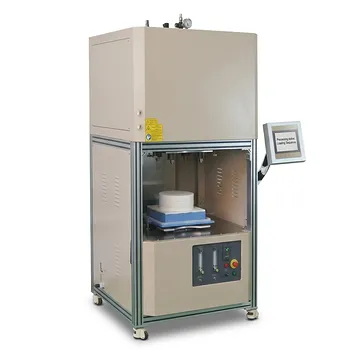
High Temperature Vertical Atmosphere Controlled Furnace with Automatic Bottom Loading and 1700°C Capacity for Advanced Material Research
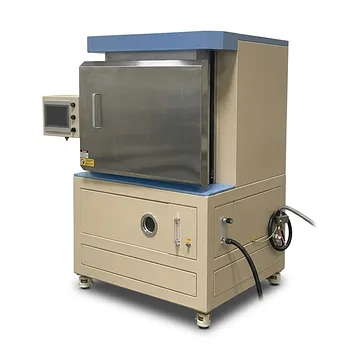
1650C High Temperature Atmosphere Controlled Box Furnace with 65L Chamber for Advanced Material Sintering and Industrial Heat Treatment
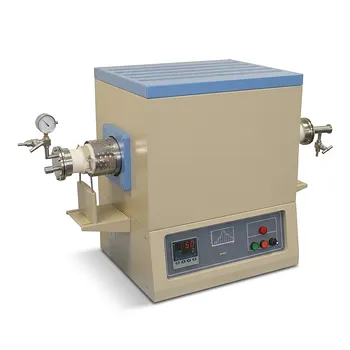
1700C High Temperature Alumina Tube Furnace with 18 Inch Heated Zone and Vacuum Sealing Flanges
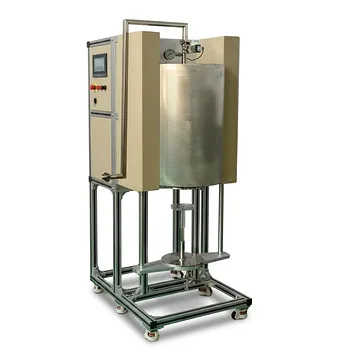
1200°C Atmosphere Controlled Automatic Bottom Loading Furnace with 6 Inch Quartz Tube
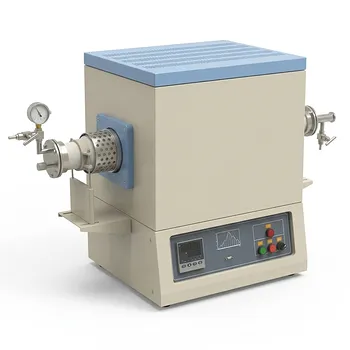
1750°C High Temperature Benchtop Vacuum Atmosphere Tube Furnace with Kanthal Super 1800 Heating Elements and 60mm Alumina Processing Tube
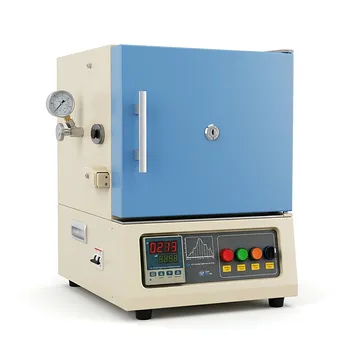
1200C Hybrid Muffle and Tube Furnace for Material Research with Dual Atmosphere Control Quartz Tubes
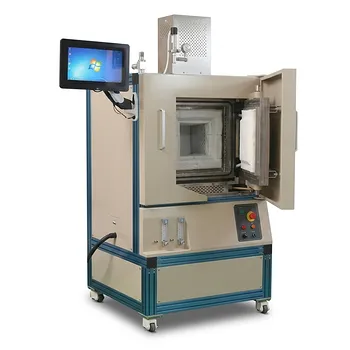
High Temperature Oxygen and Inert Atmosphere Controlled Furnace 8 Liter 1700C Sintering System for Advanced Materials RD
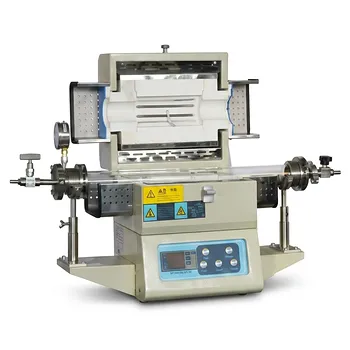
High Temperature 1200C Split Tube Furnace for CVD Research and Vacuum Atmosphere Heat Treatment
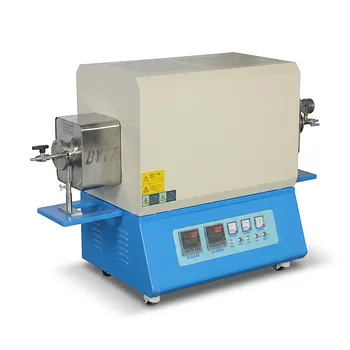
High Temperature Dual Zone Split Tube Furnace for Advanced Atmosphere Sintering and Vacuum CVD Applications
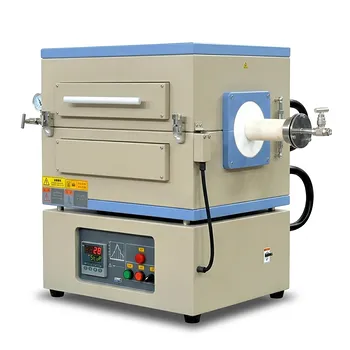
1500°C Split Tube Furnace with Alumina Tube and Vacuum Sealing Flanges for Material Research

Vertical 1700C Vacuum and Atmosphere Tube Furnace with 80mm Alumina Tube
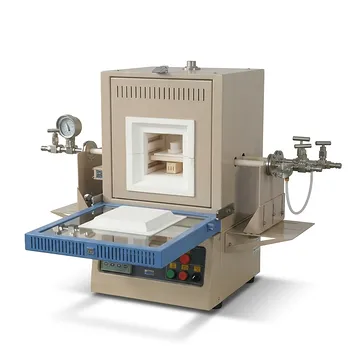
1700C Compact Hybrid Furnace with Dual Layer Box Sintering and Controlled Atmosphere Alumina Tubes
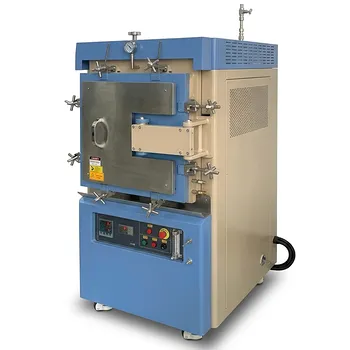
Atmosphere Controlled Muffle Furnace 1700C Maximum Temperature 80L High Capacity Vacuum Inert Gas Box Furnace
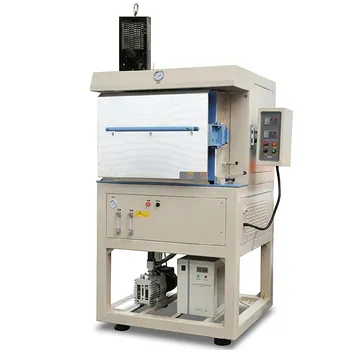
1200C Hydrogen Atmosphere Box Furnace with 5 Heated Sides and 64L Chamber

High Temperature 1700C Tube Furnace with High Vacuum Turbomolecular Pump System and Multi Channel Mass Flow Controller Gas Mixer
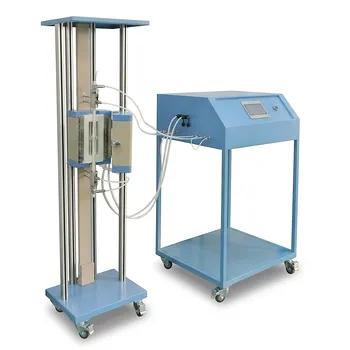
High Temperature Vertical Tube Furnace for Small Solid Oxide Fuel Cell Testing with Four Channel Gas Control
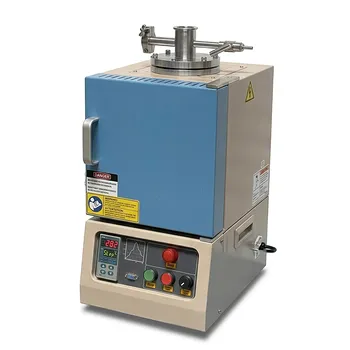
High Temperature Hybrid Muffle and Tube Furnace with Vacuum Capability and PID Control
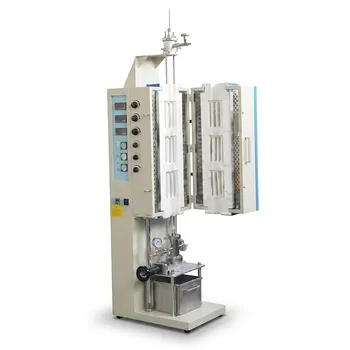
High Temperature Dual Zone Tube Furnace for Material Science Research and Professional Thermal Processing

High Temperature 1700C Vertical Tube Furnace for Powder Spherification and Material Sintering
