Why is a high-temperature muffle furnace necessary for CCO nanobelt calcination? Precision Heating for Nano-Materials
Updated 3 months ago
The necessity of a high-temperature muffle furnace for CCO nanobelts lies in its ability to simultaneously trigger chemical purification and structural crystallization. This equipment facilitates the complete removal of organic polymer templates while transforming amorphous precursors into a pure, crystalline Calcium Cobalt Oxide (CCO) phase. Crucially, it achieves this transformation without destroying the delicate nanobelt morphology or the specific orientation of the primary particles.
Core Takeaway: A muffle furnace provides the precise thermal environment required to decompose organic carriers and catalyze the solid-state reaction that forms crystalline CCO, ensuring the final material retains its engineered nanobelt structure and internal particle alignment.
The Chemical Transformation: From Composite to Pure Oxide
Removal of the Organic Template
Electrospun nanobelts initially exist as a composite of inorganic precursors and organic polymers. The muffle furnace provides the high-temperature environment necessary to thermally decompose these polymers, leaving behind only the desired inorganic framework.
Synthesis of Crystalline Calcium Cobalt Oxide
The calcination process is not merely about cleaning; it is a phase transformation. Under controlled heat, the precursor salts undergo oxidation and chemical reactions to form the specific pure crystalline structure of CCO.
Elimination of Impurities
Consistent high heat ensures the removal of residual surfactants, nitrates, or structural water. This results in a material with high chemical purity, which is essential for maintaining the electronic and catalytic properties of the nanobelts.
Structural Preservation and Morphology Control
Maintaining the Nanobelt Shape
One of the primary challenges in nanotechnology is preventing the collapse of structures during heating. The muffle furnace allows for the removal of the organic template while maintaining the morphology of the nanobelts, preventing them from melting into characterless aggregates.
Pre-orientation of Primary Particles
The internal architecture of the nanobelt is defined by the pre-orientation of primary particles within the belt plane. The stable environment of the furnace ensures this orientation is preserved during the transition from an amorphous to a crystalline state.
Enhancing Crystallinity and Relieving Stress
High-temperature treatment perfects the lattice structure and eliminates internal stresses developed during the electrospinning process. This increases the structural stability and activity of the CCO for high-performance applications.
The Importance of a Controlled Thermal Environment
Precision in Heating Rates
Muffle furnaces allow for precisely controlled heating rates (often measured in degrees per minute). This slow ramp-up prevents the rapid evolution of gases from polymer decomposition, which could otherwise rupture the nanobelt structure.
Temperature Uniformity and Stability
The design of a muffle furnace ensures temperature uniformity across the entire sample. This is critical for ensuring that the entire "mat" of nanobelts achieves the same level of crystallinity and phase purity.
Understanding the Trade-offs and Pitfalls
The Risk of Over-Sintering
While high heat is necessary, excessive temperatures or prolonged holding times can lead to sintering. This causes individual nanobelts to fuse together, reducing the specific surface area and destroying the benefits of the nanostructure.
Incomplete Calcination
If the temperature is too low or the duration too short, residual carbon or organic impurities may remain. This can interfere with the material’s performance, acting as an insulating layer or blocking catalytic active sites.
Grain Growth Issues
High-temperature environments naturally encourage grain growth. If not carefully managed, the primary particles within the nanobelt can grow too large, potentially leading to mechanical fragility or a loss of the nanoscale properties that the electrospinning process was designed to achieve.
How to Apply This to Your Project
Recommendations for Material Synthesis
Successful calcination requires balancing the need for purity with the need for structural integrity.
- If your primary focus is Phase Purity: Ensure the furnace is set to the specific decomposition temperature of your organic carrier, typically 500°C to 600°C, to ensure no carbon residue remains.
- If your primary focus is Surface Area: Use the lowest possible calcination temperature that still achieves crystallization to prevent particle sintering and grain growth.
- If your primary focus is Structural Integrity: Utilize a slow heating ramp (e.g., 5°C/min) to allow organic gases to escape gradually without damaging the nanobelt morphology.
By mastering the controlled environment of the muffle furnace, you can successfully bridge the gap between a polymer-based precursor and a high-performance crystalline nanomaterial.
Summary Table:
| Feature | Function in CCO Calcination | Impact on Material Quality |
|---|---|---|
| Organic Removal | Thermal decomposition of polymer templates | Ensures high chemical purity & inorganic framework |
| Phase Transformation | Controlled solid-state oxidation | Converts amorphous precursors to crystalline CCO |
| Morphology Control | Stable heat without structural collapse | Preserves nanobelt shape & particle orientation |
| Thermal Precision | Controlled ramp rates & uniformity | Prevents structural rupture & ensures phase consistency |
Elevate Your Material Research with THERMUNITS
Optimize your material synthesis and achieve superior crystallization with THERMUNITS. As a leading manufacturer of high-temperature laboratory equipment, we empower material science and industrial R&D with precision thermal solutions.
Whether you need advanced Muffle, Vacuum, or Tube furnaces for delicate nanobelt calcination, or specialized CVD/PECVD systems and Hot Press furnaces for complex processing, our equipment delivers the temperature uniformity and control your research demands.
Ready to enhance your lab’s capabilities? Contact our experts today to find the perfect heat treatment solution for your high-performance materials!
References
- Katharina Kruppa, Armin Feldhoff. High‐performance thermoelectric calcium cobaltite nanoribbon ceramic via electrospinning and dual spark plasma texturing. DOI: 10.1111/jace.20198
Mentioned Products
- 1750C Compact Muffle Furnace 1.7L Ultra High Temperature Laboratory Sintering System for Advanced Ceramics and Material Science Research
- Compact 1000C Muffle Furnace with Programmable Controller and 2 Inch Top Port for Vacuum and Atmosphere Material Research
- Compact Hybrid Muffle and Tube Furnace for 1000C Controlled Atmosphere Laboratory Material Sintering
- Large Bench Top 1700C High Temperature Muffle Furnace with 19L Chamber for Advanced Material Sintering and Annealing
- High Temperature Muffle Furnace with Alloy Chamber for Debinding and Sintering Applications
People Also Ask
- What role does a laboratory high-temperature muffle furnace play in the ash analysis phase of biomass co-firing research? [Guide]
- What is the function of a high-temp muffle furnace in Ni-V oxide synthesis? Optimize your material's performance.
- What is the function of a muffle furnace in aluminoborosilicate glass prep? Stabilize Raw Materials for Superior Purity
- What role does a high-temperature muffle furnace play in evaluating the mineral composition of rock samples? LOI & XRF Guide
- What role does a high-temperature muffle furnace play in the synthesis of Melem precursors? Precision Polymerization.

Tech Team · ThermUnits
Last updated on Jun 03, 2026
Related Products
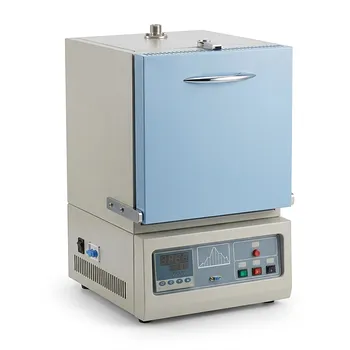
1750C Compact Muffle Furnace 1.7L Ultra High Temperature Laboratory Sintering System for Advanced Ceramics and Material Science Research
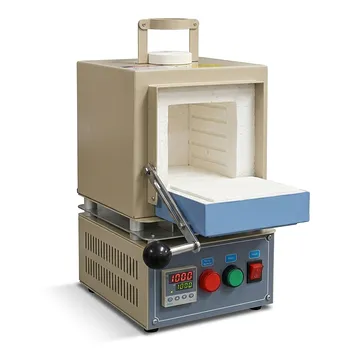
Compact 1000C Muffle Furnace with Programmable Controller and 2 Inch Top Port for Vacuum and Atmosphere Material Research
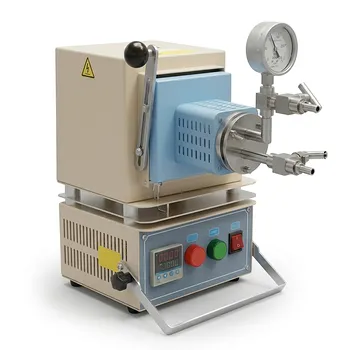
Compact Hybrid Muffle and Tube Furnace for 1000C Controlled Atmosphere Laboratory Material Sintering
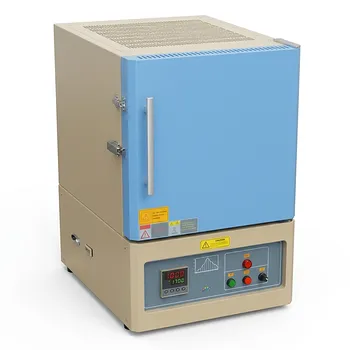
Large Bench Top 1700C High Temperature Muffle Furnace with 19L Chamber for Advanced Material Sintering and Annealing
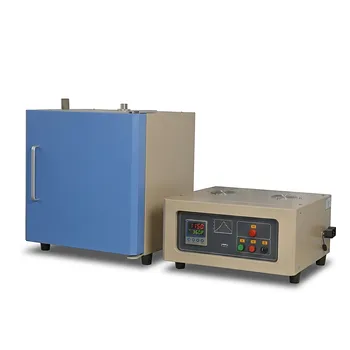
High Temperature Muffle Furnace with Alloy Chamber for Debinding and Sintering Applications
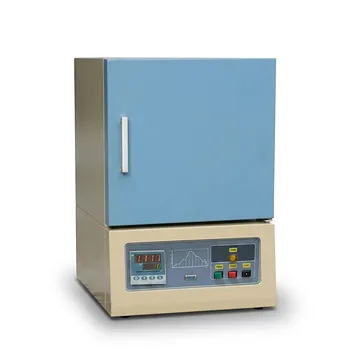
Ultra High Temperature Bench Top Muffle Furnace 1750C Sintering System with Kanthal Super Heating Elements and Precision Digital Control
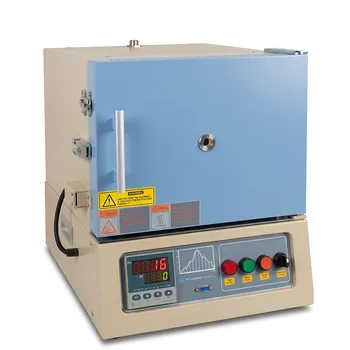
1200C Muffle Furnace 12x8x5 7.2L Heating Chamber with Quartz Observation Window and Vent Port
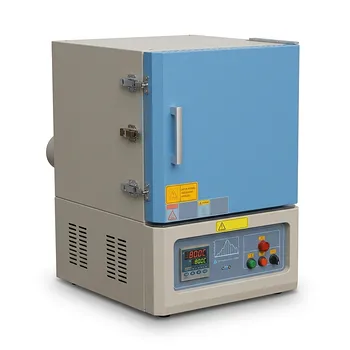
1800C Bench Top Muffle Furnace 18 Liters with Kanthal Super 1900 Heating Elements for High Purity Ceramic Sintering and Material Research
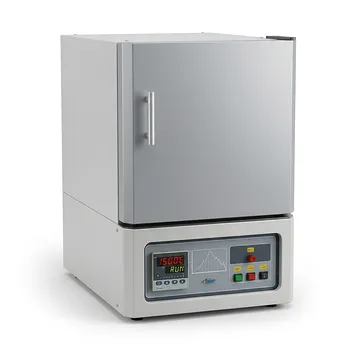
High Temperature 1500C Benchtop Muffle Furnace 3.6L Alumina Fiber Chamber Programmable Controller Sintering Annealing Carbonization Thermal Processing System
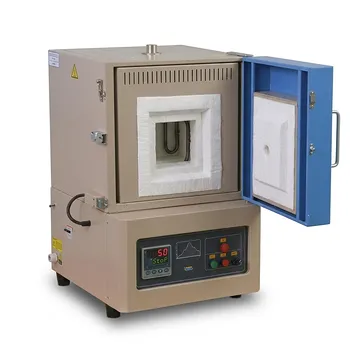
1800°C Bench Top Ultra High Temperature Muffle Furnace with Sapphire Observation Window and Top Feeding Port for Materials Research and Thermal Processing
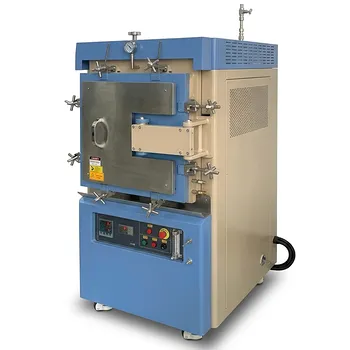
Atmosphere Controlled Muffle Furnace 1700C Maximum Temperature 80L High Capacity Vacuum Inert Gas Box Furnace
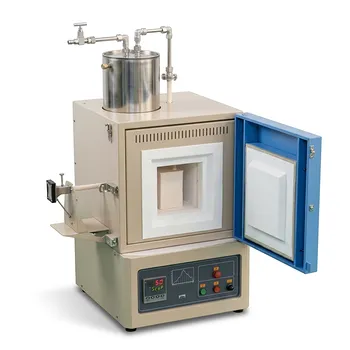
High Temperature Bench Top Muffle Furnace 1700C with Integrated Evaporating Particle Collection and 8x8x8 Alumina Fiber Chamber
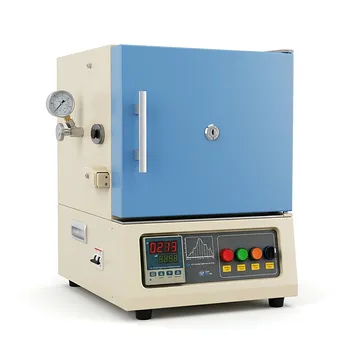
1200C Hybrid Muffle and Tube Furnace for Material Research with Dual Atmosphere Control Quartz Tubes
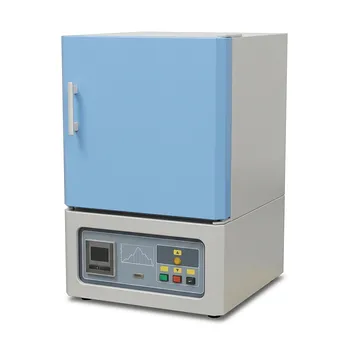
1800C Bench Top Muffle Furnace with Kanthal Super 1900 Heating Elements and 3.6L Alumina Fiber Chamber
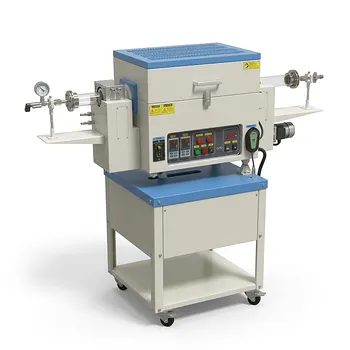
4 Inch Two Zone Rotary CVD Tube Furnace for High Temperature Battery Material Synthesis and Advanced Material Calcination
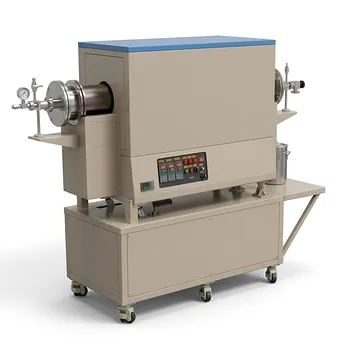
900°C Max Rotary Tube Furnace with 8 Inch 310S Alloy Tube and Optional Multi Zone Heating for Industrial Material Calcination
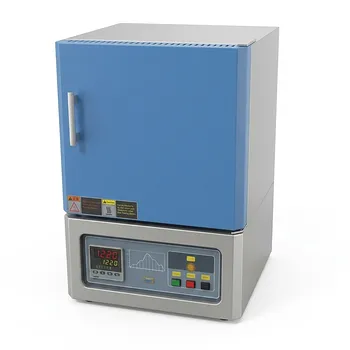
High Temperature Benchtop Muffle Furnace 1700C 10L Chamber Alumina Fiber Insulation MoSi2 Heating Elements
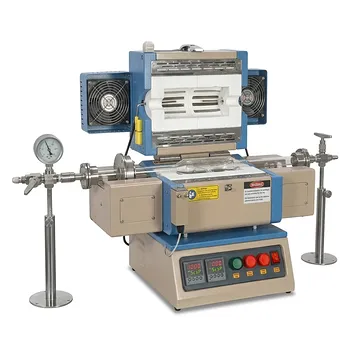
Dual Zone Rotary Tube Furnace for Uniform Powder Calcination 1000C 2 Inch Quartz Tube
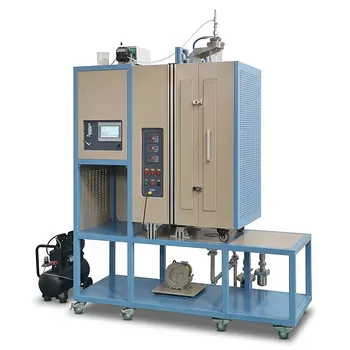
1500C Three Zone Vertical Pyrolysis Furnace for Nanoparticle Synthesis and Advanced Oxide Coating