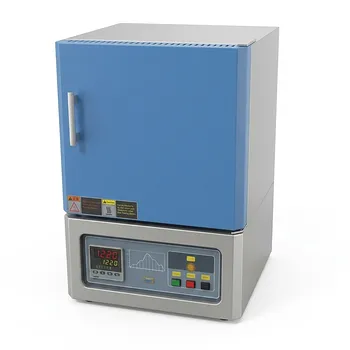
Why is a high-temperature muffle furnace required for ash content determination? Optimize Biochar Quality Analysis
Updated 3 months ago
The requirement for a high-temperature muffle furnace is rooted in the need for total oxidation of the biochar sample. By providing a controlled, air-rich environment at extreme temperatures—typically between 550°C and 800°C—the furnace ensures that all organic carbon components are completely combusted. This process isolates the inorganic mineral residue, or ash, which is the essential metric for evaluating the biochar's quality and its suitability for specific applications.
A muffle furnace is indispensable for ash determination because it provides the precise thermal environment necessary to separate organic matter from mineral content. This measurement serves as the foundation for calculating nutrient density, predicting industrial combustion risks, and understanding the physical structure of the biochar.
The Mechanism of Ash Isolation
Achieving Complete Organic Oxidation
The primary function of the muffle furnace is to facilitate complete mineralization. In an open or air-rich environment, the high heat triggers the combustion of all remaining organic carbon and fixed carbon within the pyrolyzed poultry manure.
Without the sustained, uniform heat of a muffle furnace, carbon residues could remain, leading to an inaccurate overestimation of the ash content. This isolation of inorganic residues is critical for establishing a baseline for all subsequent quality analyses.
Precise Temperature Control and Standards
Laboratory-grade muffle furnaces allow for exact temperature regulation, often adhering to international standards like ASTM. This precision is necessary because different temperatures (e.g., 750°C vs. 550°C) can influence the final calculation.
Stability is key to ensuring that while all organic matter is removed, the inorganic components do not undergo unnecessary decomposition or volatilization. This level of control is impossible with standard heating elements or open-flame methods.
Evaluating Poultry Manure Quality
Assessing Mineral Nutrient Contribution
Poultry manure biochar is highly valued for its high concentrations of Potassium (K), Phosphorus (P), and Calcium (Ca). Determining the ash content allows researchers to quantify these mineral elements accurately.
By measuring the remaining residue, advisors can predict the biochar’s impact on soil pH and salinity. This data is vital for determining application rates that improve soil fertility without causing mineral toxicity or salt stress.
Predicting Combustion and Industrial Performance
When biochar is intended for use as a fuel, ash content is a "decisive factor" in its combustion value. High ash content generally lowers the energy density of the fuel.
Furthermore, analyzing ash helps identify the slagging and fouling tendency of the material. This is particularly important for poultry or pig manure, where high inorganic content can cause mineral buildup that damages industrial boilers.
Understanding Physical and Surface Properties
The ratio of ash to carbon indirectly influences the micropore surface area and water-holding capacity of the biochar. As organic matter is removed during testing, the resulting mineral skeleton reveals how the ash might block or support the pore structure.
This information is critical for environmental applications, such as using biochar for heavy metal removal via ion exchange. The mineral components in the ash play a direct role in how the biochar interacts with contaminants in soil or water.
Understanding the Trade-offs
High-temperature calcination is the industry standard, but it involves several critical trade-offs that must be managed.
- Mineral Volatilization: At temperatures exceeding 750°C-800°C, certain volatile minerals or salts may begin to decompose or evaporate. This can result in an underestimation of the true inorganic content if the furnace is not calibrated correctly.
- Time vs. Accuracy: Complete mineralization is a "prolonged" process. Attempting to speed up the process by using higher temperatures than required can alter the chemical signature of the ash, potentially skewing results regarding nutrient availability.
- Energy Intensity: Operating a muffle furnace at extreme temperatures for extended periods is energy-intensive. It requires a dedicated laboratory environment and strict safety protocols due to the intense heat and potential off-gassing.
Applying These Insights to Your Project
When determining ash content for poultry manure biochar, your approach should shift based on your primary objective for the end product.
- If your primary focus is Soil Conditioning: Use the ash content to calculate the "Liming Potential" and nutrient load (P and K) to ensure the biochar balances soil acidity without over-salinating the land.
- If your primary focus is Bio-fuel Production: Focus on the ash ratio to evaluate the risk of slagging and fouling in burners; lower ash content is generally preferred for higher-quality combustion.
- If your primary focus is Heavy Metal Remediation: Analyze the ash composition to determine how inorganic minerals will contribute to ion exchange and the binding of contaminants.
Accurate ash determination through a muffle furnace transforms raw manure into a predictable, high-value technical resource.
Summary Table:
| Key Function | Role in Ash Determination | Impact on Biochar Quality |
|---|---|---|
| Organic Oxidation | Removes all carbon components at 550°C-800°C | Isolates pure inorganic mineral residue. |
| Thermal Precision | Maintains stable heat per ASTM standards | Prevents inaccurate data from mineral volatilization. |
| Nutrient Profiling | Quantifies mineral residue (K, P, Ca) | Predicts soil fertility and liming potential. |
| Industrial Insight | Identifies slagging and fouling risks | Evaluates combustion value and energy density. |
Elevate Your Material Research with THERMUNITS
Precise ash determination is the backbone of high-quality biochar and material science research. THERMUNITS is a leading manufacturer of high-temperature laboratory equipment, providing the accuracy and reliability required for advanced industrial R&D.
Our comprehensive range of thermal processing solutions includes:
- High-Performance Furnaces: Muffle, Vacuum, Atmosphere, Tube, Rotary, and Hot Press furnaces.
- Advanced Systems: CVD/PECVD systems and Vacuum Induction Melting (VIM) furnaces.
- Specialized Equipment: Dental Furnaces, electric rotary kilns, and premium thermal elements.
Whether you are analyzing nutrient density or developing next-generation bio-fuels, our equipment offers the precise temperature control needed for repeatable results.
Ready to upgrade your laboratory’s capabilities? Contact us today to discuss your specific heat treatment requirements!
References
- Joyce Clarke, Maria Olea. The Effect of Temperature and Treatment Regime on the Physical, Chemical, and Biological Properties of Poultry Litter Biochar. DOI: 10.3390/reactions5030020
Mentioned Products
- High Temperature 1700C Bench Top Muffle Furnace with Alumina Fiber Insulation and 3.6L Chamber Capacity for Precision Sintering and Heat Treatment
- Large Bench Top 1700C High Temperature Muffle Furnace with 19L Chamber for Advanced Material Sintering and Annealing
- High Temperature Muffle Furnace with Alloy Chamber for Debinding and Sintering Applications
- 1200°C High Temperature Muffle Furnace 19L Chamber with 50 Segment Programmable Controller
- 1800°C Bench Top Ultra High Temperature Muffle Furnace with Sapphire Observation Window and Top Feeding Port for Materials Research and Thermal Processing
People Also Ask
- What role does a high-temperature muffle furnace play in evaluating the mineral composition of rock samples? LOI & XRF Guide
- What is the function of a high-temperature muffle furnace in phosphorus-modified zeolite catalyst preparation?
- What is the function of a high-temp muffle furnace in Ni-V oxide synthesis? Optimize your material's performance.
- What is the purpose of using muffle or tube furnaces in glass synthesis? Achieve Precise Melt-Quenching & Homogeneity
- What is the function of a muffle furnace in aluminoborosilicate glass prep? Stabilize Raw Materials for Superior Purity

Tech Team · ThermUnits
Last updated on Jun 02, 2026
Related Products
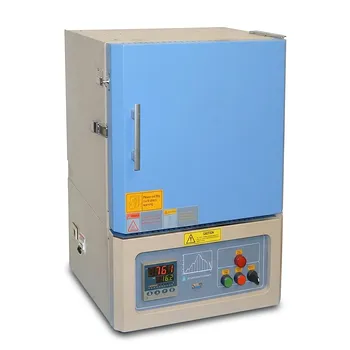
High Temperature 1700C Bench Top Muffle Furnace with Alumina Fiber Insulation and 3.6L Chamber Capacity for Precision Sintering and Heat Treatment
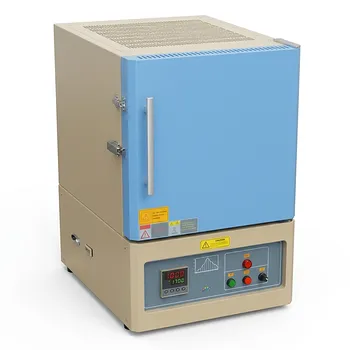
Large Bench Top 1700C High Temperature Muffle Furnace with 19L Chamber for Advanced Material Sintering and Annealing
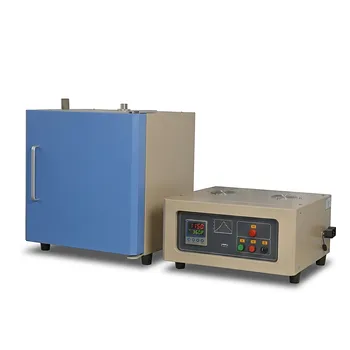
High Temperature Muffle Furnace with Alloy Chamber for Debinding and Sintering Applications
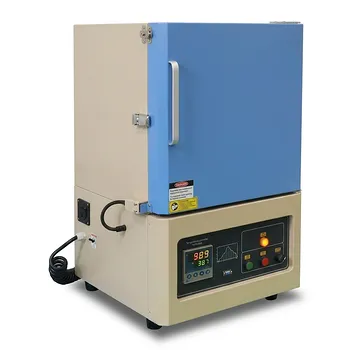
1200°C High Temperature Muffle Furnace 19L Chamber with 50 Segment Programmable Controller
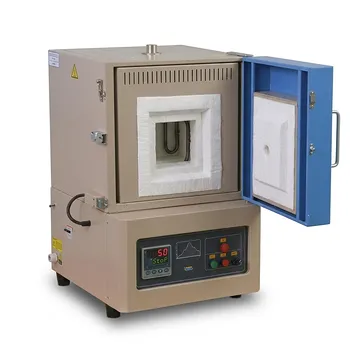
1800°C Bench Top Ultra High Temperature Muffle Furnace with Sapphire Observation Window and Top Feeding Port for Materials Research and Thermal Processing
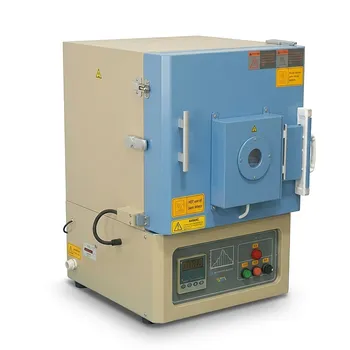
High Temperature Benchtop Muffle Furnace 1500C with 3.6L Chamber and Quartz Observation Window
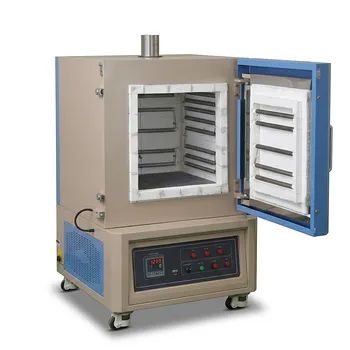
1200C High Temperature 125L Muffle Furnace 5 Side Heating for Large Batch Sintering with Optional Alloy Debinding Chamber
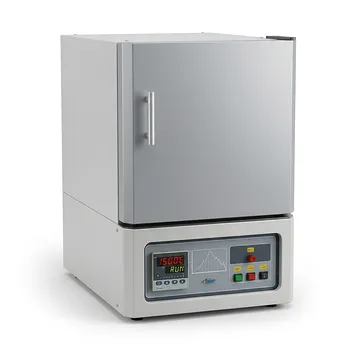
High Temperature 1500C Benchtop Muffle Furnace 3.6L Alumina Fiber Chamber Programmable Controller Sintering Annealing Carbonization Thermal Processing System
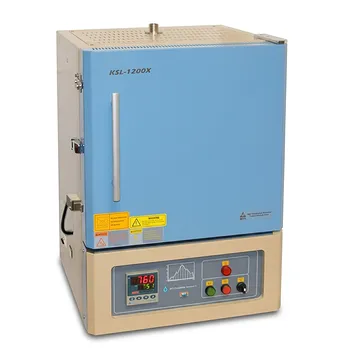
High Temperature 1200C Muffle Furnace 27L Volume 12x12x12 Chamber with Programmable PID Controller for Laboratory Material Science
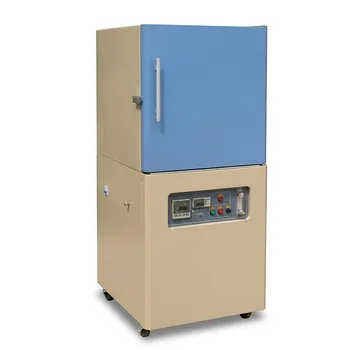
High Temperature Muffle Furnace with Dual Controllers and 36L Large Chamber 1700C Max
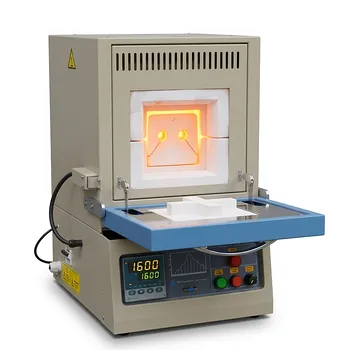
High Temperature Compact Muffle Furnace 1700 C with 30 Segment Programmable Controller and 1.7L Cubic Chamber
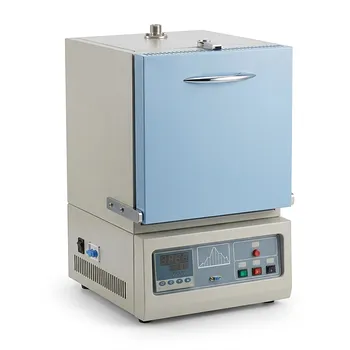
1750C Compact Muffle Furnace 1.7L Ultra High Temperature Laboratory Sintering System for Advanced Ceramics and Material Science Research
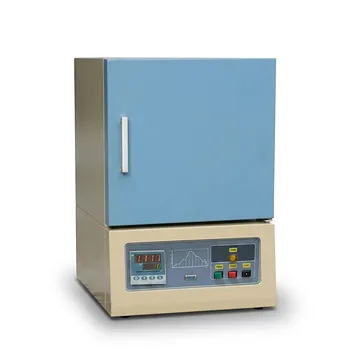
Ultra High Temperature Bench Top Muffle Furnace 1750C Sintering System with Kanthal Super Heating Elements and Precision Digital Control
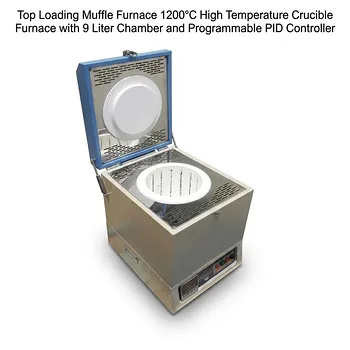
Top Loading Muffle Furnace 1200°C High Temperature Crucible Furnace with 9 Liter Chamber and Programmable PID Controller
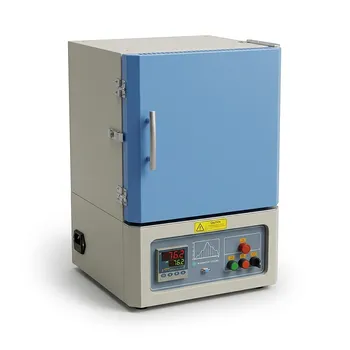
1750C Bench Top Muffle Furnace 3.6L High Grade Molybdenum Disilicide Heating Elements Laboratory Heat Treatment Equipment
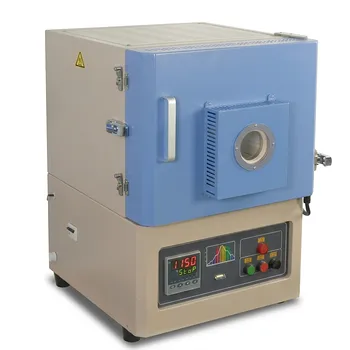
High Temperature Benchtop Muffle Furnace with Quartz Observation Window for Thermal Imaging and Material Analysis
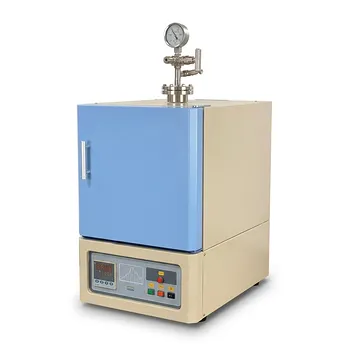
Hybrid High Temperature Muffle and Tube Furnace with 1500C Capability and Vacuum Flange Assembly
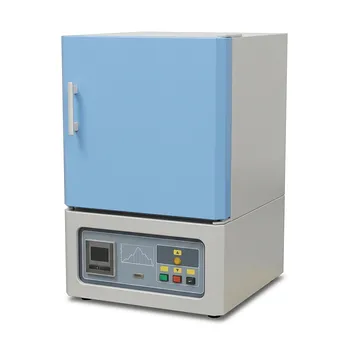
1800C Bench Top Muffle Furnace with Kanthal Super 1900 Heating Elements and 3.6L Alumina Fiber Chamber
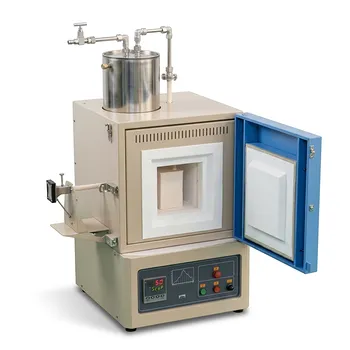
High Temperature Bench Top Muffle Furnace 1700C with Integrated Evaporating Particle Collection and 8x8x8 Alumina Fiber Chamber