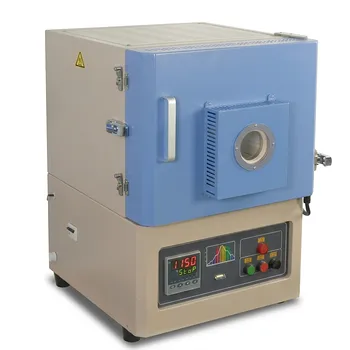
Why is a high-temperature muffle furnace used for PAN fiber pre-oxidation? Key to stable ladder structure formation
Updated 3 months ago
A high-temperature muffle furnace is the critical instrument for PAN pre-oxidation because it provides the precise thermal environment required to chemically transform linear polymers into heat-resistant ladder structures. By maintaining stable air circulation and exacting temperature curves—typically between 260°C and 280°C—the furnace facilitates the dehydrogenation and cyclization reactions necessary to stabilize the fiber. This transformation ensures the material can survive the extreme heat of subsequent carbonization without melting, burning, or losing its structural integrity.
Core Takeaway: The muffle furnace serves as a controlled thermal reactor that transitions PAN fibers from a vulnerable linear state to a stable, cross-linked "ladder" structure. This stabilization is the foundational step that dictates the mechanical strength and morphology of the final carbon fiber.
The Chemical Evolution of PAN Fibers
Facilitating Cyclization and Dehydrogenation
The primary role of the muffle furnace is to trigger specific chemical reactions, namely cyclization and dehydrogenation. Under controlled heat, the nitrile groups in the polyacrylonitrile (PAN) chains react to form heterocyclic rings.
These reactions transform the fiber from a simple linear polymer into a complex, cross-linked network. This new molecular arrangement is significantly more robust and provides the chemical "skeleton" needed for high-performance applications.
Formation of the Ladder Structure
As the furnace maintains temperatures near 280°C, the PAN fibers develop what is known as a ladder-like structure. This unique architecture is characterized by its exceptional thermal stability.
This ladder structure is what prevents the fibers from melting or fusing together when they are moved to much higher temperatures during the carbonization phase. Without this precise geometry, the one-dimensional fiber morphology would be destroyed.
Why Precision Control is Mandatory
Managing the Heating Rate
Precision-controlled muffle furnaces allow for a very slow heating rate, often as low as 1°C per minute. This is vital because the chemical reactions occurring during pre-oxidation are exothermic and release significant heat.
If the temperature rises too quickly, the internal heat generated by the fiber can lead to structural defects or even combustion. A controlled ramp-up ensures the reaction proceeds uniformly throughout the fiber's cross-section.
Maintaining a Stable Air Atmosphere
The presence of an oxygen-rich air atmosphere inside the muffle furnace is essential for the introduction of oxygen-containing functional groups. These groups, such as hydroxyl (-OH) and carboxyl groups, help stabilize the carbon framework.
A stable air circulation environment ensures that oxygen reaches the fiber surface consistently. This uniformity prevents localized "hot spots" and ensures that the entire batch of fibers achieves the same level of chemical stabilization.
Understanding the Trade-offs
The Risk of Thermal Runaway
While high temperatures are necessary, the process is a delicate balance; exceeding the optimal temperature window can cause the exothermic reaction to accelerate uncontrollably. This results in fiber fusion or melting, which renders the material useless for carbon fiber production.
Over-oxidation vs. Under-oxidation
If the dwell time in the muffle furnace is too short, the fiber remains "under-stabilized" and will likely melt during carbonization. Conversely, over-oxidation can introduce too many defects into the carbon framework, ultimately reducing the mechanical strength and modulus of the finished product.
How to Apply This to Your Project
Recommendations for Process Optimization
- If your primary focus is maximizing mechanical strength: Ensure your furnace provides a highly uniform thermal field and a slow heating rate (approx. 1°C/min) to allow for complete, defect-free cyclization.
- If your primary focus is preserving fiber morphology: Prioritize furnaces with high-precision air circulation to ensure consistent oxygen diffusion, preventing the fibers from bonding or collapsing.
- If your primary focus is coating stability: Maintain a constant temperature (e.g., 280°C) to induce deep cross-linking, which prevents the coating from peeling during subsequent high-heat cycles.
The precise thermal and atmospheric control provided by a muffle furnace is the non-negotiable foundation for converting raw PAN precursors into high-performance carbon structures.
Summary Table:
| Parameter | Requirement | Role in PAN Pre-oxidation |
|---|---|---|
| Temperature Range | 260°C - 280°C | Triggers cyclization and dehydrogenation reactions. |
| Heating Rate | ~1°C / minute | Prevents exothermic thermal runaway and fiber fusion. |
| Atmosphere | Stable Air/Oxygen | Facilitates oxygen-containing group introduction for stability. |
| Structural Goal | Ladder Structure | Prevents melting during high-heat carbonization stages. |
| Uniformity | High Precision | Ensures consistent chemical stabilization across the fiber batch. |
Elevate Your Material Research with THERMUNITS Precision
Achieving the perfect ladder structure in PAN fibers requires uncompromising thermal accuracy. THERMUNITS is a leading manufacturer of high-temperature laboratory equipment specifically designed for material science and industrial R&D.
We offer a comprehensive range of thermal processing solutions, including Muffle, Vacuum, Atmosphere, Tube, Rotary, and Hot Press furnaces, CVD/PECVD systems, Dental Furnaces, electric rotary kilns, and vacuum induction melting furnaces (VIM). Our equipment provides the precise temperature curves and atmospheric control necessary for advanced heat treatments.
Ready to optimize your carbon fiber production or laboratory R&D? Contact our experts today to find the ideal furnace solution for your specific application requirements.
References
- Zhiqiang Guo, Pengfei Yin. Multiple Tin Compounds Modified Carbon Fibers to Construct Heterogeneous Interfaces for Corrosion Prevention and Electromagnetic Wave Absorption. DOI: 10.1007/s40820-024-01527-w
Mentioned Products
- High Temperature 1700C Bench Top Muffle Furnace with Alumina Fiber Insulation and 3.6L Chamber Capacity for Precision Sintering and Heat Treatment
- High Temperature 1500C Benchtop Muffle Furnace 3.6L Alumina Fiber Chamber Programmable Controller Sintering Annealing Carbonization Thermal Processing System
- High Temperature Bench Top Muffle Furnace 1700C with Integrated Evaporating Particle Collection and 8x8x8 Alumina Fiber Chamber
- High Temperature Benchtop Muffle Furnace 1700C 10L Chamber Alumina Fiber Insulation MoSi2 Heating Elements
- 1800C Bench Top Muffle Furnace with Kanthal Super 1900 Heating Elements and 3.6L Alumina Fiber Chamber
People Also Ask
- What role does a high-temperature muffle furnace play in evaluating the mineral composition of rock samples? LOI & XRF Guide
- What is the function of a high-temperature muffle furnace in phosphorus-modified zeolite catalyst preparation?
- What is the function of a high-temp muffle furnace in Ni-V oxide synthesis? Optimize your material's performance.
- What is the purpose of using muffle or tube furnaces in glass synthesis? Achieve Precise Melt-Quenching & Homogeneity
- What is the function of a muffle furnace in aluminoborosilicate glass prep? Stabilize Raw Materials for Superior Purity

Tech Team · ThermUnits
Last updated on Jun 02, 2026
Related Products
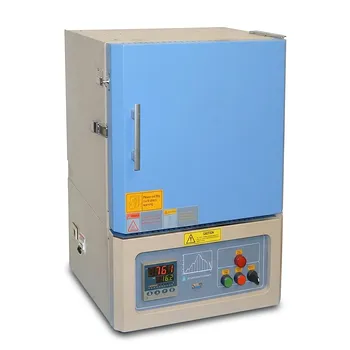
High Temperature 1700C Bench Top Muffle Furnace with Alumina Fiber Insulation and 3.6L Chamber Capacity for Precision Sintering and Heat Treatment
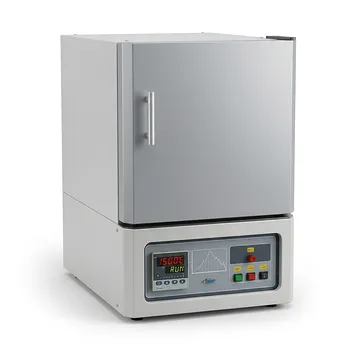
High Temperature 1500C Benchtop Muffle Furnace 3.6L Alumina Fiber Chamber Programmable Controller Sintering Annealing Carbonization Thermal Processing System
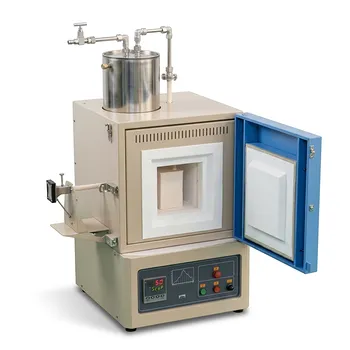
High Temperature Bench Top Muffle Furnace 1700C with Integrated Evaporating Particle Collection and 8x8x8 Alumina Fiber Chamber
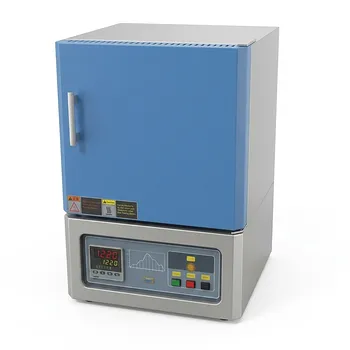
High Temperature Benchtop Muffle Furnace 1700C 10L Chamber Alumina Fiber Insulation MoSi2 Heating Elements
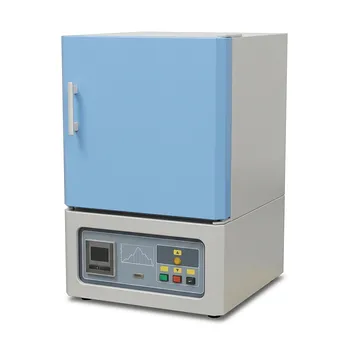
1800C Bench Top Muffle Furnace with Kanthal Super 1900 Heating Elements and 3.6L Alumina Fiber Chamber
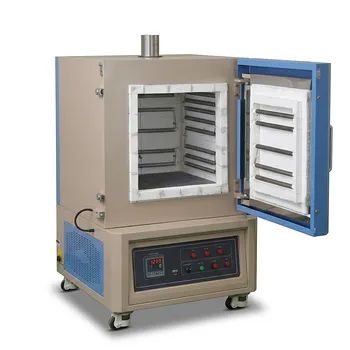
1200C High Temperature 125L Muffle Furnace 5 Side Heating for Large Batch Sintering with Optional Alloy Debinding Chamber
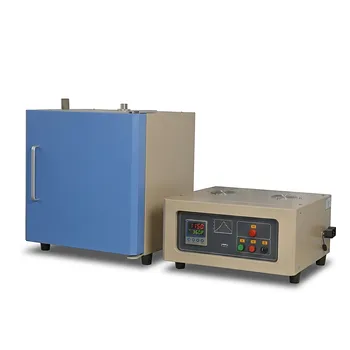
High Temperature Muffle Furnace with Alloy Chamber for Debinding and Sintering Applications
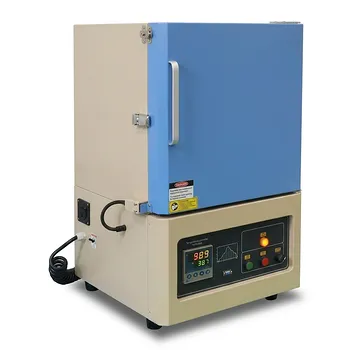
1200°C High Temperature Muffle Furnace 19L Chamber with 50 Segment Programmable Controller
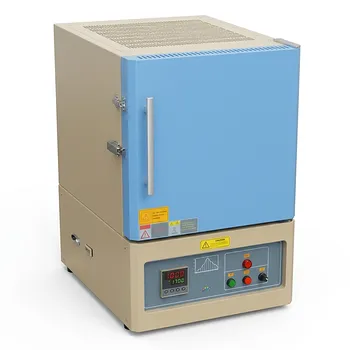
Large Bench Top 1700C High Temperature Muffle Furnace with 19L Chamber for Advanced Material Sintering and Annealing
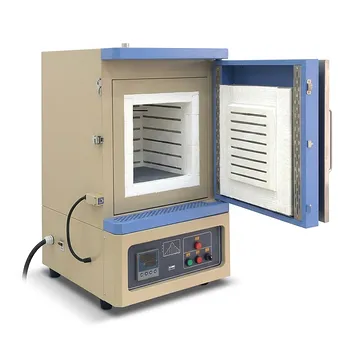
Five Side Heating Muffle Furnace High Purity Alumina Fiber 27L Chamber 1200C High Temperature Thermal Processing System for Sintering Annealing and Materials Research
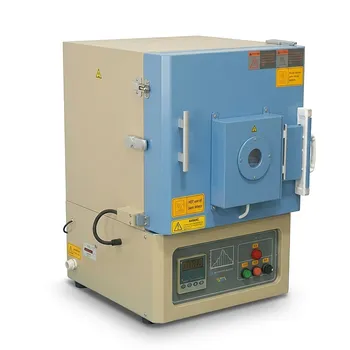
High Temperature Benchtop Muffle Furnace 1500C with 3.6L Chamber and Quartz Observation Window
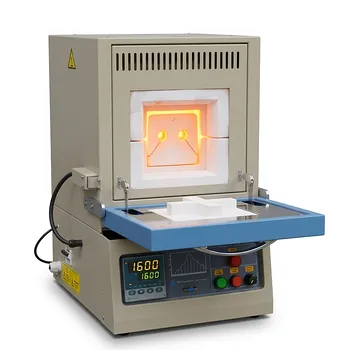
High Temperature Compact Muffle Furnace 1700 C with 30 Segment Programmable Controller and 1.7L Cubic Chamber
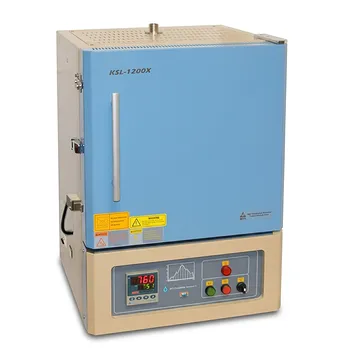
High Temperature 1200C Muffle Furnace 27L Volume 12x12x12 Chamber with Programmable PID Controller for Laboratory Material Science
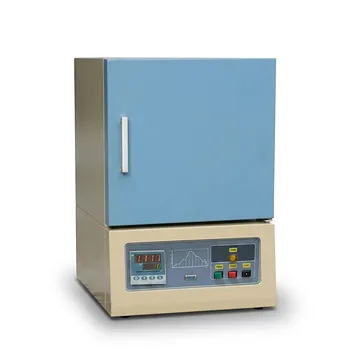
Ultra High Temperature Bench Top Muffle Furnace 1750C Sintering System with Kanthal Super Heating Elements and Precision Digital Control
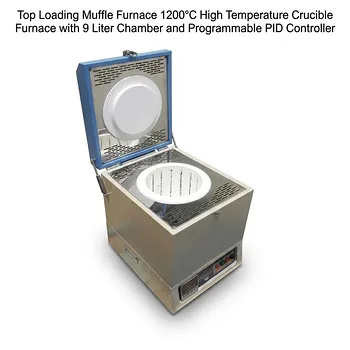
Top Loading Muffle Furnace 1200°C High Temperature Crucible Furnace with 9 Liter Chamber and Programmable PID Controller
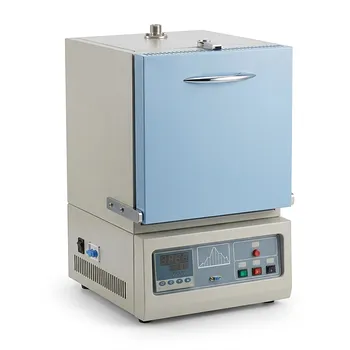
1750C Compact Muffle Furnace 1.7L Ultra High Temperature Laboratory Sintering System for Advanced Ceramics and Material Science Research
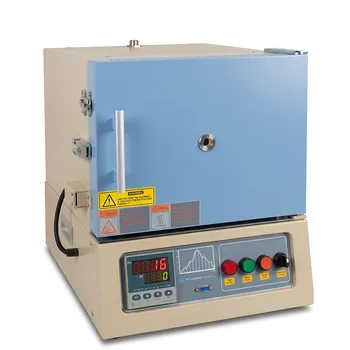
1200C Muffle Furnace 12x8x5 7.2L Heating Chamber with Quartz Observation Window and Vent Port
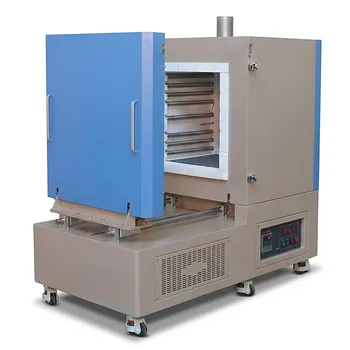
1200C Five Side Heating Muffle Furnace with Sliding Door 125L Volume High Temperature Heat Treatment System for Large Scale Sintering and Annealing
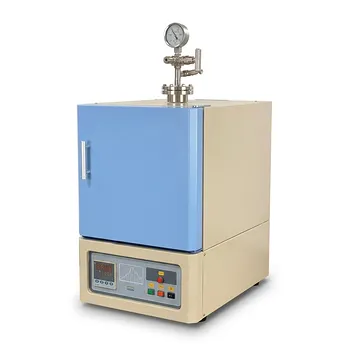
Hybrid High Temperature Muffle and Tube Furnace with 1500C Capability and Vacuum Flange Assembly