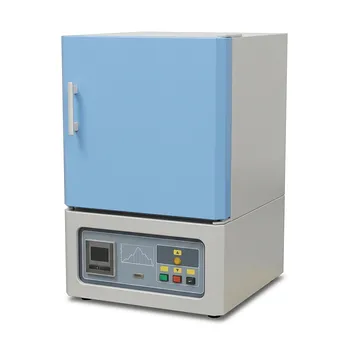
Why use a muffle furnace & platinum crucible for willemite analysis? Ensure precise mineral fusion and purity.
Updated 3 months ago
To analyze the chemical composition of willemite concentrate, a muffle furnace and platinum crucible are used to execute a high-temperature fusion process. This procedure uses intense heat (950°C) and chemical fluxes to transform insoluble silicate minerals into a soluble glassy substance. This transformation is essential because it allows the mineral to be dissolved in acid for precise elemental detection through techniques like ICP-OES.
The fusion of willemite concentrate requires a muffle furnace for consistent thermal energy and a platinum crucible for its unique chemical resistance. Together, they ensure the complete breakdown of complex silicates while preventing container-derived contamination.
The Role of High-Temperature Fusion in Mineral Analysis
Overcoming the Resistance of Silicates
Willemite is a zinc silicate mineral that is naturally resistant to standard acid digestion. To analyze its full chemical profile, the mineral structure must first be "unlocked" by melting it with reactive fluxes like sodium tetraborate and sodium carbonate.
The Necessity of Controlled Thermal Energy
The high-temperature muffle furnace provides the stable 950°C environment required for these chemical fluxes to react with the concentrate. This thermal energy facilitates a phase change, turning the solid mineral into a soluble glassy substance.
Preparing for Precise Detection
Once the fusion is complete, the resulting glass bead is easily dissolved in acid. This ensures that every element originally trapped in the silicate lattice is present in the liquid sample for accurate ICP-OES (Inductively Coupled Plasma Optical Emission Spectrometry) analysis.
Why Platinum is the Gold Standard for Crucibles
Unmatched Chemical Inertness
At the extreme temperatures required for fusion, standard ceramic or alumina crucibles can react with the alkaline fluxes used. Platinum crucibles are used because they remain chemically inert, ensuring that no material from the container leaches into the sample.
High-Temperature Structural Integrity
Platinum has a melting point far above the 950°C required for this process, maintaining its shape and strength. Unlike other materials, it does not crack or degrade during the rapid heating and cooling cycles inherent in mineralogical testing.
Eliminating Cross-Contamination
Because platinum does not bond with the fused glass "melt," the sample can be recovered completely. This prevents sample loss and ensures that the elemental ratios measured are representative of the original willemite concentrate.
Understanding the Trade-offs
The Cost of High-Purity Equipment
Platinum is an exceptionally expensive precious metal, making the initial investment for these crucibles significant. Laboratories must implement strict security and inventory protocols to manage these high-value assets.
Maintenance and Physical Fragility
While chemically robust, platinum is physically soft and can be easily deformed or scratched. Any physical damage to the interior surface can trap small amounts of previous samples, leading to analytical errors if not polished and cleaned meticulously.
Flux Limitations
While platinum resists most fluxes, it can be damaged by certain elements like phosphorus or arsenic under reducing conditions. Analysts must ensure the furnace atmosphere remains oxidizing to protect the integrity of the platinum vessel.
How to Apply This to Your Project
Selecting the Right Approach for Your Analysis
- If your primary focus is absolute elemental precision: You must use a platinum crucible to eliminate any risk of aluminum or silica contamination from the container itself.
- If your primary focus is determining volatile content (LOI): A standard porcelain or alumina crucible may be sufficient if the temperature does not exceed 1050°C and no reactive fluxes are added.
- If your primary focus is high-throughput screening: Consider specialized fusion machines that automate the muffle furnace's heating cycle to ensure consistency across dozens of samples.
By combining the consistent heat of a muffle furnace with the purity of a platinum crucible, you ensure that your willemite analysis is both complete and uncontaminated.
Summary Table:
| Component | Primary Function | Key Benefit for Analysis |
|---|---|---|
| Muffle Furnace | Provides stable 950°C environment | Ensures complete breakdown of complex silicates |
| Platinum Crucible | Container for high-heat fusion | Prevents contamination and resists chemical fluxes |
| Chemical Fluxes | Reacts with mineral concentrate | Transforms insoluble minerals into soluble glass |
| ICP-OES | Elemental detection method | Delivers precise chemical composition data |
Maximize Your Analytical Precision with THERMUNITS
At THERMUNITS, we understand that high-stakes material science and industrial R&D require uncompromising equipment reliability. As a leading manufacturer of high-temperature laboratory solutions, we provide the tools you need to achieve superior results in mineral analysis and beyond.
Our comprehensive range includes:
- High-Performance Furnaces: Muffle, Vacuum, Atmosphere, Tube, Rotary, and Hot Press models.
- Advanced Systems: CVD/PECVD systems, Vacuum Induction Melting (VIM) furnaces, and Electric Rotary Kilns.
- Specialized Equipment: Dental Furnaces, Thermal Elements, and custom laboratory heat treatment solutions.
Ready to upgrade your lab's thermal processing capabilities? Contact our technical experts today to find the perfect solution for your research and production needs.
References
- Vitória Silva Coimbra, Victor de Alvarenga Oliveira. Carbothermic reduction of a willemite concentrate for use in the Waelz process. DOI: 10.17159/2411-9717/2516/2023
Mentioned Products
- High Temperature Benchtop Muffle Furnace with Quartz Observation Window for Thermal Imaging and Material Analysis
- High Temperature 1700C Bench Top Muffle Furnace with Alumina Fiber Insulation and 3.6L Chamber Capacity for Precision Sintering and Heat Treatment
- 1200°C High Temperature Muffle Furnace 19L Chamber with 50 Segment Programmable Controller
- High Temperature Benchtop Muffle Furnace 1500C with 3.6L Chamber and Quartz Observation Window
- Large Bench Top 1700C High Temperature Muffle Furnace with 19L Chamber for Advanced Material Sintering and Annealing
People Also Ask
- What is the function of a muffle furnace in aluminoborosilicate glass prep? Stabilize Raw Materials for Superior Purity
- What is the function of a high-temperature muffle furnace in phosphorus-modified zeolite catalyst preparation?
- What is the function of a high-temp muffle furnace in Ni-V oxide synthesis? Optimize your material's performance.
- What role does a high-temperature muffle furnace play in evaluating the mineral composition of rock samples? LOI & XRF Guide
- What is the purpose of using muffle or tube furnaces in glass synthesis? Achieve Precise Melt-Quenching & Homogeneity

Tech Team · ThermUnits
Last updated on Jun 02, 2026
Related Products
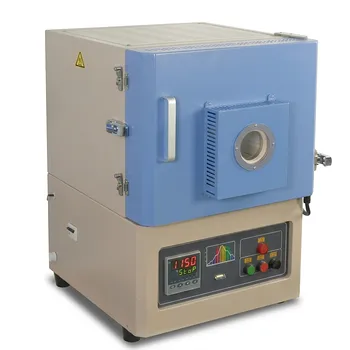
High Temperature Benchtop Muffle Furnace with Quartz Observation Window for Thermal Imaging and Material Analysis
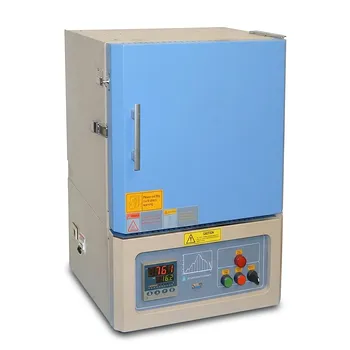
High Temperature 1700C Bench Top Muffle Furnace with Alumina Fiber Insulation and 3.6L Chamber Capacity for Precision Sintering and Heat Treatment
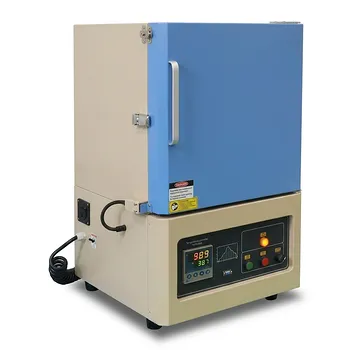
1200°C High Temperature Muffle Furnace 19L Chamber with 50 Segment Programmable Controller
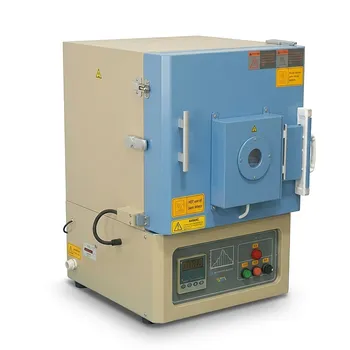
High Temperature Benchtop Muffle Furnace 1500C with 3.6L Chamber and Quartz Observation Window
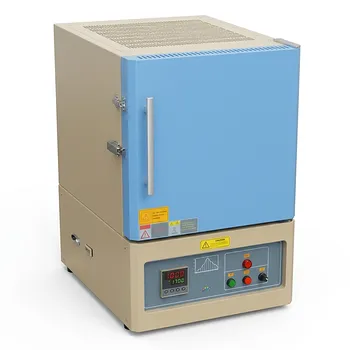
Large Bench Top 1700C High Temperature Muffle Furnace with 19L Chamber for Advanced Material Sintering and Annealing
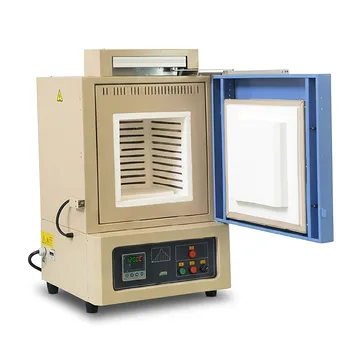
1200C High Temperature Muffle Furnace with Motorized Door and Automated PC Control for Industrial Sintering and Material Processing 27 Liter
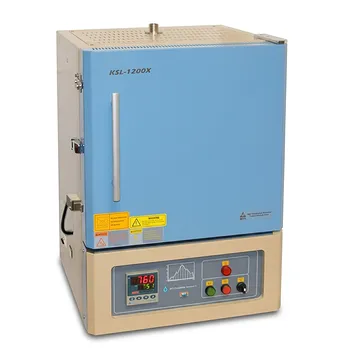
High Temperature 1200C Muffle Furnace 27L Volume 12x12x12 Chamber with Programmable PID Controller for Laboratory Material Science
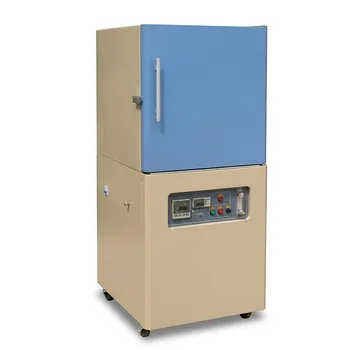
High Temperature Muffle Furnace with Dual Controllers and 36L Large Chamber 1700C Max
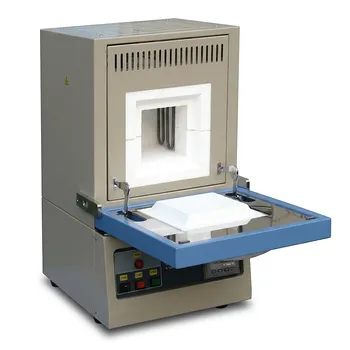
High Temperature 1800C Compact Muffle Furnace with Kanthal Super 1900 Heating Elements and 1.7L Alumina Chamber
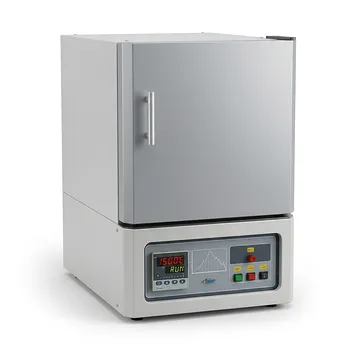
High Temperature 1500C Benchtop Muffle Furnace 3.6L Alumina Fiber Chamber Programmable Controller Sintering Annealing Carbonization Thermal Processing System
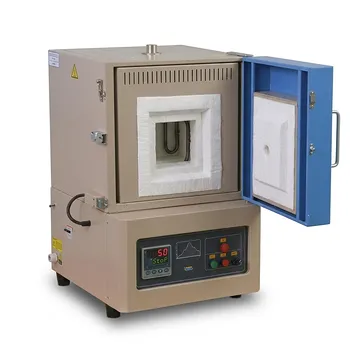
1800°C Bench Top Ultra High Temperature Muffle Furnace with Sapphire Observation Window and Top Feeding Port for Materials Research and Thermal Processing
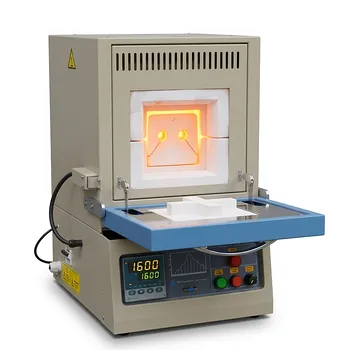
High Temperature Compact Muffle Furnace 1700 C with 30 Segment Programmable Controller and 1.7L Cubic Chamber
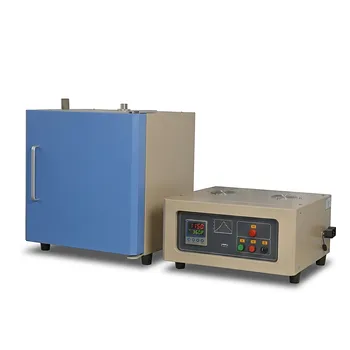
High Temperature Muffle Furnace with Alloy Chamber for Debinding and Sintering Applications
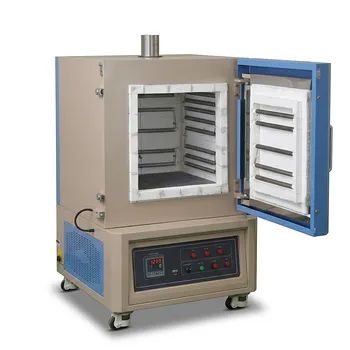
1200C High Temperature 125L Muffle Furnace 5 Side Heating for Large Batch Sintering with Optional Alloy Debinding Chamber
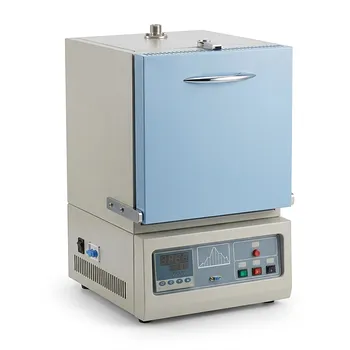
1750C Compact Muffle Furnace 1.7L Ultra High Temperature Laboratory Sintering System for Advanced Ceramics and Material Science Research
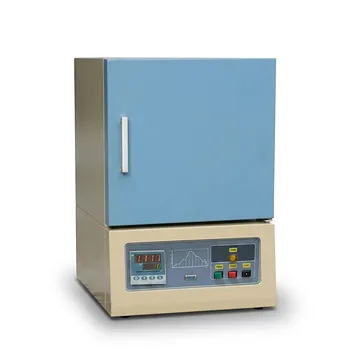
Ultra High Temperature Bench Top Muffle Furnace 1750C Sintering System with Kanthal Super Heating Elements and Precision Digital Control
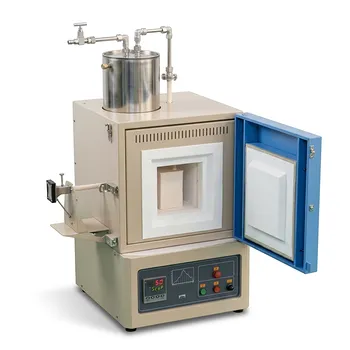
High Temperature Bench Top Muffle Furnace 1700C with Integrated Evaporating Particle Collection and 8x8x8 Alumina Fiber Chamber
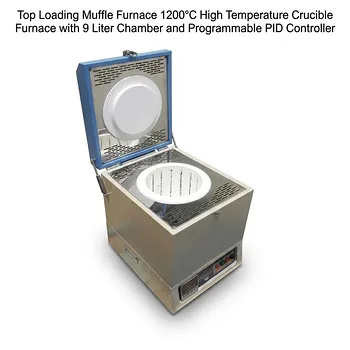
Top Loading Muffle Furnace 1200°C High Temperature Crucible Furnace with 9 Liter Chamber and Programmable PID Controller
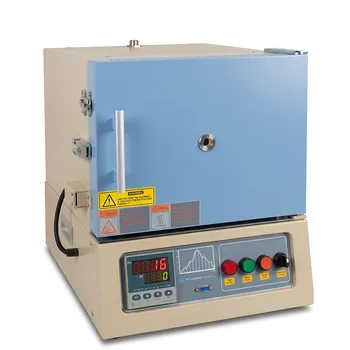
1200C Muffle Furnace 12x8x5 7.2L Heating Chamber with Quartz Observation Window and Vent Port