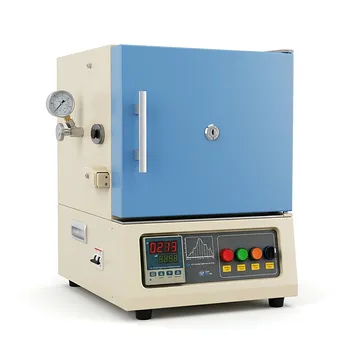
Why is a high-temperature muffle furnace used for Jarosite calcination? Master the 700°C thermal transformation
Updated 3 months ago
The primary purpose of a high-temperature muffle furnace in treating jarosite residue is to facilitate a precise thermochemical transformation. At a controlled temperature of 700 °C, the furnace triggers the thermal decomposition of the jarosite structure, effectively releasing bonded sulfate and hydroxyl functional groups. This process converts the complex residue into chemically stable hematite (Fe2O3), a critical prerequisite for successful downstream reduction smelting.
Calcination in a muffle furnace at 700 °C is the essential mechanism for desulfurizing jarosite and transforming its mineral phase. By removing volatile impurities and stabilizing the iron content as hematite, the process ensures the material is chemically and structurally prepared for industrial recovery.
The Mechanism of Thermal Transformation
Breaking Down the Jarosite Structure
Jarosite residue is a complex mineral containing bonded sulfates and hydroxyl groups that interfere with metal recovery. The muffle furnace provides the sustained thermal energy required to break these chemical bonds, a process known as thermal decomposition.
This decomposition releases sulfur-bearing compounds, achieving the desulfurization necessary for environmental compliance and process efficiency. Without this stage, the high sulfur content would complicate subsequent smelting operations.
Conversion to Stable Hematite
As the jarosite structure collapses at 700 °C, the iron atoms reorganize into hematite (Fe2O3). This new crystalline phase is significantly more stable and easier to handle in metallurgical furnaces.
The transition from an amorphous or complex mineral state to a defined crystalline state is a hallmark of effective calcination. This transformation ensures that the iron is in the optimal oxidative state for reduction smelting.
Why a Muffle Furnace is the Preferred Tool
Precision and Thermal Uniformity
Muffle furnaces are utilized because they provide a highly controlled, stable thermal environment that is difficult to achieve with open heating methods. This precision allows operators to maintain the exact 700 °C threshold required for jarosite, preventing under-processing or overheating.
By controlling the heating rate—often at specific increments like 7 °C/min—the furnace prevents the rapid expansion of gases. This controlled release of volatiles helps maintain the structural integrity of the resulting powder.
Phase Stability and Impurity Removal
The static environment of a muffle furnace allows for the complete oxidation of precursors without the interference of high-velocity gas flows. This is crucial for ensuring that residual impurities, such as organic residues or nitrates, are fully volatilized and removed.
Furthermore, the controlled environment promotes the anchoring of active components and prevents severe sintering. Sintering, or the unwanted clumping of particles, would reduce the specific surface area and hinder the efficiency of the later smelting stages.
Understanding the Trade-offs
Energy Consumption and Throughput
While a muffle furnace offers superior precision, it is often a batch process with high energy requirements. Maintaining a constant 700 °C for extended periods consumes significant electricity compared to continuous flash calcination methods.
Risk of Particle Agglomeration
Even with controlled heating, there is a risk of sintering or agglomeration if the material is held at peak temperature for too long. If the hematite particles fuse together, the decrease in surface area can make the material less reactive during the subsequent reduction phase.
Sulfur Capture Requirements
The desulfurization process releases sulfate groups into the furnace atmosphere as gas. In a laboratory or industrial setting, this necessitates scrubbing or gas treatment systems to prevent the release of sulfur oxides into the environment.
Optimizing the Calcination Process for Your Objectives
How to Apply This to Your Project
To achieve the best results when calcining jarosite or similar residues, your approach should vary based on your ultimate recovery goal:
- If your primary focus is maximizing desulfurization: Ensure the furnace maintains a minimum of 700 °C with sufficient dwell time to allow for the complete release of bonded sulfates.
- If your primary focus is producing high-purity hematite: Use a controlled heating rate (e.g., 7 °C/min) to transition from the jarosite phase to the crystalline Fe2O3 phase without causing particle fusion.
- If your primary focus is preparing for reduction smelting: Focus on achieving a stable crystalline phase that will react predictably with reducing agents in the next stage of the process.
Effective desulfurization of jarosite residue relies on the muffle furnace's ability to provide the exact thermal energy needed to transform unstable sulfates into a stable, smelting-ready hematite phase.
Summary Table:
| Process Parameter | Optimal Value | Function/Outcome |
|---|---|---|
| Calcination Temp | 700 °C | Facilitates thermal decomposition of jarosite |
| Heating Rate | 7 °C/min | Controlled release of volatiles; prevents sintering |
| Mineral Phase | Hematite (Fe2O3) | Reorganizes iron into stable crystalline form |
| Key Outcome | Desulfurization | Removes sulfate/hydroxyl groups for compliance |
| Downstream Goal | Reduction Smelting | Prepares purified material for metal recovery |
Elevate Your Material Research with THERMUNITS
Precise calcination of Jarosite Residue requires reliable thermal control to ensure successful desulfurization and mineral phase transition. As a leading manufacturer of high-temperature laboratory equipment, THERMUNITS provides the advanced technology needed for critical industrial R&D and material science.
Our comprehensive range of thermal processing solutions includes:
- Muffle, Vacuum, and Atmosphere Furnaces for precise batch processing.
- Tube and Rotary Furnaces for continuous and controlled heating.
- CVD/PECVD and Hot Press Systems for advanced material synthesis.
- Specialized Equipment: Dental furnaces, vacuum induction melting (VIM), and electric rotary kilns.
Ready to optimize your lab's recovery efficiency and thermal uniformity?
Contact THERMUNITS Today to receive a professional consultation and discover how our high-performance furnaces can empower your heat treatment projects.
References
- Cancio Jiménez-Lugos, Eduardo Colin García. Recovery of Silver and Lead from Jarosite Residues by Roasting and Reducing Pyrometallurgical Processes. DOI: 10.3390/met14080954
Mentioned Products
- Anti Corrosive Muffle Furnace with Sintered Corundum Chamber and 1050C Operating Range for Corrosive Material Calcination
- 1750C Compact Muffle Furnace 1.7L Ultra High Temperature Laboratory Sintering System for Advanced Ceramics and Material Science Research
- High Temperature Muffle Furnace with Dual Controllers and 36L Large Chamber 1700C Max
- 1200C High Temperature 125L Muffle Furnace 5 Side Heating for Large Batch Sintering with Optional Alloy Debinding Chamber
- High Temperature Muffle Furnace with Alloy Chamber for Debinding and Sintering Applications
People Also Ask
- Why is a corrosion-resistant high-temperature muffle furnace required for the chemical activation of lignocellulose?
- What role does a muffle furnace play in NiMo/gamma-Al2O3 catalyst prep? Optimize Your Synthesis Process
- Why is a high-temperature muffle furnace used for the preliminary calcination of Titanium Dioxide (TiO2) precursors?
- Why must spinel samples be rapidly moved to open air for quenching? Lock in Phase Purity and Structural Integrity
- Why is a muffle furnace necessary for the post-treatment of silicalite-1 zeolite? Unlock Pore Activity & Stability

Tech Team · ThermUnits
Last updated on Jun 02, 2026
Related Products
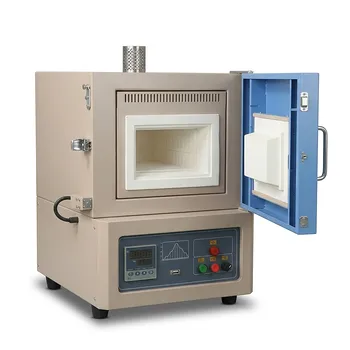
Anti Corrosive Muffle Furnace with Sintered Corundum Chamber and 1050C Operating Range for Corrosive Material Calcination
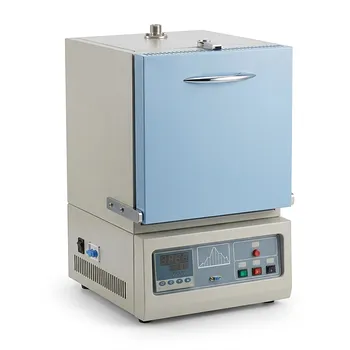
1750C Compact Muffle Furnace 1.7L Ultra High Temperature Laboratory Sintering System for Advanced Ceramics and Material Science Research
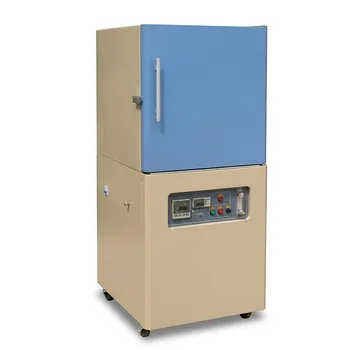
High Temperature Muffle Furnace with Dual Controllers and 36L Large Chamber 1700C Max
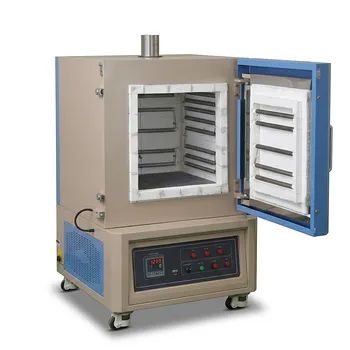
1200C High Temperature 125L Muffle Furnace 5 Side Heating for Large Batch Sintering with Optional Alloy Debinding Chamber
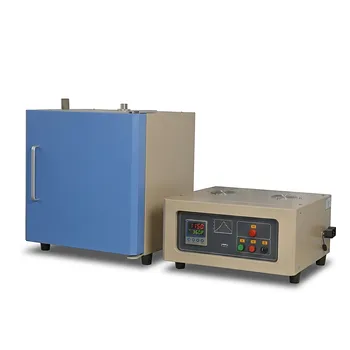
High Temperature Muffle Furnace with Alloy Chamber for Debinding and Sintering Applications
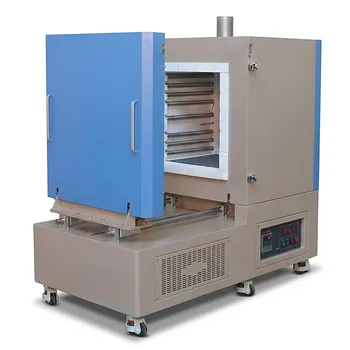
1200C Five Side Heating Muffle Furnace with Sliding Door 125L Volume High Temperature Heat Treatment System for Large Scale Sintering and Annealing
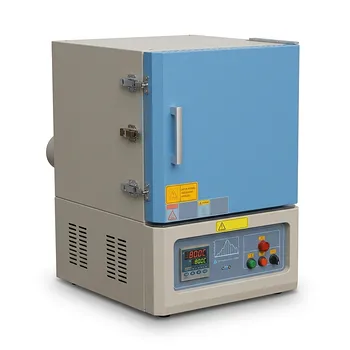
1800C Bench Top Muffle Furnace 18 Liters with Kanthal Super 1900 Heating Elements for High Purity Ceramic Sintering and Material Research
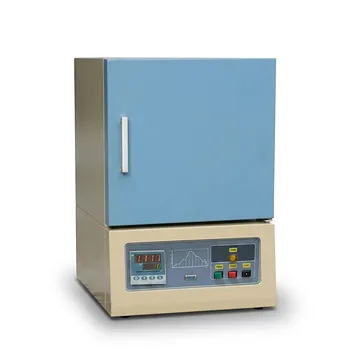
Ultra High Temperature Bench Top Muffle Furnace 1750C Sintering System with Kanthal Super Heating Elements and Precision Digital Control
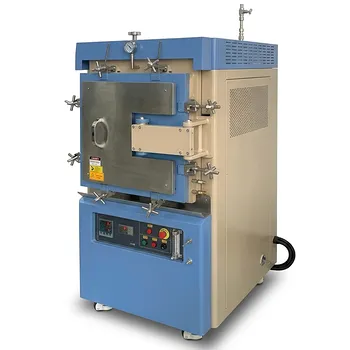
Atmosphere Controlled Muffle Furnace 1700C Maximum Temperature 80L High Capacity Vacuum Inert Gas Box Furnace
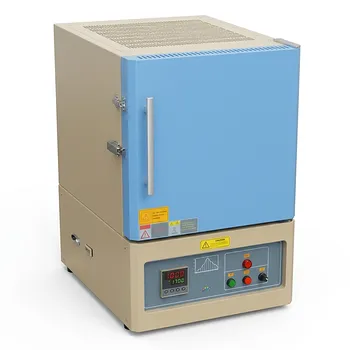
Large Bench Top 1700C High Temperature Muffle Furnace with 19L Chamber for Advanced Material Sintering and Annealing
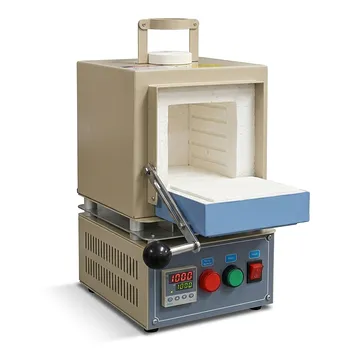
Compact 1000C Muffle Furnace with Programmable Controller and 2 Inch Top Port for Vacuum and Atmosphere Material Research
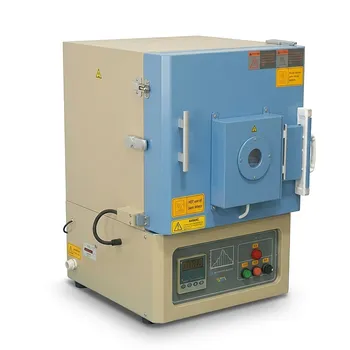
High Temperature Benchtop Muffle Furnace 1500C with 3.6L Chamber and Quartz Observation Window
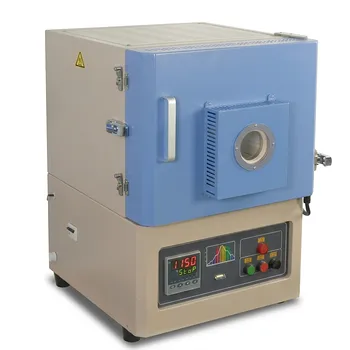
High Temperature Benchtop Muffle Furnace with Quartz Observation Window for Thermal Imaging and Material Analysis
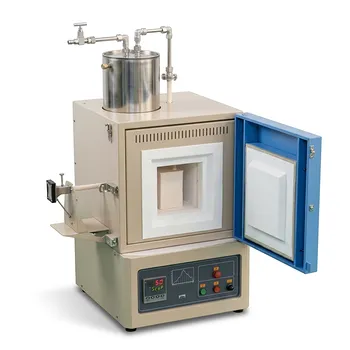
High Temperature Bench Top Muffle Furnace 1700C with Integrated Evaporating Particle Collection and 8x8x8 Alumina Fiber Chamber
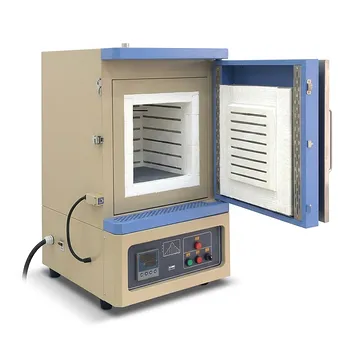
Five Side Heating Muffle Furnace High Purity Alumina Fiber 27L Chamber 1200C High Temperature Thermal Processing System for Sintering Annealing and Materials Research
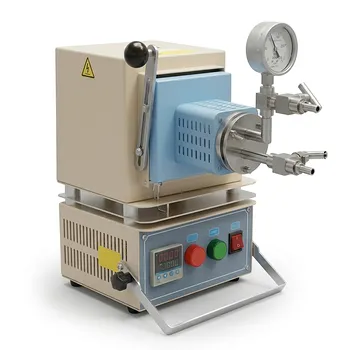
Compact Hybrid Muffle and Tube Furnace for 1000C Controlled Atmosphere Laboratory Material Sintering
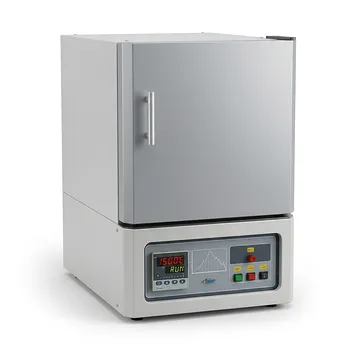
High Temperature 1500C Benchtop Muffle Furnace 3.6L Alumina Fiber Chamber Programmable Controller Sintering Annealing Carbonization Thermal Processing System
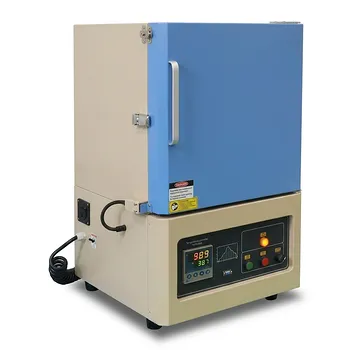
1200°C High Temperature Muffle Furnace 19L Chamber with 50 Segment Programmable Controller
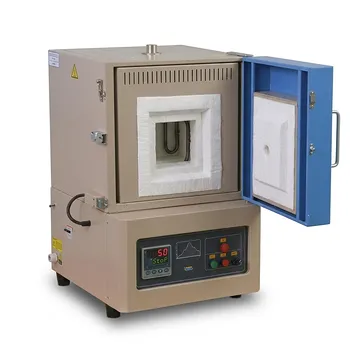
1800°C Bench Top Ultra High Temperature Muffle Furnace with Sapphire Observation Window and Top Feeding Port for Materials Research and Thermal Processing