Why is a tantalum crucible used during Fe/Li2O synthesis? Superior Lithium Resistance and Material Purity
Updated 3 months ago
Tantalum is the material of choice for synthesizing Fe/Li2O artificial electrode materials because it remains chemically inert in the presence of molten lithium. At the high temperatures required for lithium thermal displacement reactions, tantalum provides the necessary resistance to extreme reductive corrosion while maintaining structural integrity. This ensures the final electrode material is free from container-derived impurities, which is critical for electrochemical performance.
Core Takeaway: Tantalum crucibles serve as an essential refractory barrier that resists the aggressive corrosive nature of molten alkali metals, ensuring both process safety and the high purity required for advanced electrode materials.
Resilience Against Molten Lithium
Superior Chemical Stability
Tantalum possesses exceptional resistance to reductive corrosion, which is a primary concern when working with molten alkali metals like lithium. Unlike standard laboratory materials, tantalum does not react with the lithium-rich mixtures used to create Fe/Li2O.
High-Temperature Structural Integrity
As a refractory metal, tantalum has an incredibly high melting point that far exceeds the temperatures used in thermal displacement reactions. This allows the crucible to remain physically stable and rigid even under intense thermal stress.
Preventing Reductive Attack
Many common materials, such as quartz or alumina, will fail almost instantly when exposed to molten lithium at high temperatures. Tantalum’s unique electronic structure prevents the lithium from attacking the vessel walls, maintaining a stable reaction environment.
Protecting Material Purity and Process Safety
Eliminating Impurity Leaching
The primary goal in synthesizing Fe/Li2O is to achieve a specific chemical composition without external contamination. Because tantalum is chemically stable in this system, it does not leach metallic impurities into the target product.
Managing Lithium Volatilization
Using tantalum in a sealed tube configuration allows for a quasi-isochoric (constant volume) state. This setup prevents the volatilization of lithium, ensuring the stoichiometry of the Fe/Li2O remains accurate while blocking external contaminants.
Ensuring Operational Safety
The stability of tantalum reduces the risk of crucible breach during high-temperature synthesis. By preventing leaks or structural failures, tantalum ensures that the highly reactive molten lithium remains contained, protecting both the equipment and the operator.
Understanding the Trade-offs
Material Cost and Availability
Tantalum is significantly more expensive than nickel or ceramic alternatives, making it a high-cost investment for laboratory scale. However, its reusability and reliability in aggressive environments often justify the initial expenditure.
Comparison with Nickel
While nickel crucibles offer good stability under certain reducing conditions, they may not offer the same level of protection against lithium-rich systems at the highest temperature ranges. Tantalum remains the definitive choice when maximum purity and temperature resistance are non-negotiable.
Handling and Fabrication
Tantalum is a dense, heavy metal that requires specialized welding and sealing techniques, such as electron beam welding, to create airtight reaction vessels. This complexity adds to the preparation time compared to using "off-the-shelf" alumina crucibles.
Selecting the Right Vessel for Your Synthesis
To determine if a tantalum crucible is necessary for your specific application, consider the following parameters:
- If your primary focus is maximum product purity: Tantalum is the superior choice as it eliminates the risk of container elements contaminating your Fe/Li2O artificial electrode.
- If your primary focus is working with high-temperature lithium: Tantalum’s resistance to reductive corrosion makes it safer and more durable than quartz or ceramic alternatives.
- If your primary focus is cost-sensitive prototyping: Nickel crucibles may serve as a viable, lower-cost alternative, provided the reaction temperatures and lithium concentrations remain within the limits of nickel's stability.
By matching the vessel material to the chemical aggressiveness of the reaction, you ensure a synthesis process that is both safe and scientifically rigorous.
Summary Table:
| Feature | Tantalum Crucible | Alumina/Quartz |
|---|---|---|
| Lithium Resistance | Excellent (Chemically Inert) | Poor (Rapid Failure) |
| Max Temperature | High Refractory Stability | Risk of Degradation |
| Purity Protection | No Metallic Leaching | High Contamination Risk |
| Thermal Stability | Maintains Structural Integrity | Brittle/Reacts with Alkali |
| Best For | Molten Alkali Reactions | General Oxidation Stability |
Elevate Your Material Research with THERMUNITS Precision Solutions
At THERMUNITS, we specialize in empowering material science and industrial R&D with high-performance thermal processing solutions. As a leading manufacturer, we offer a comprehensive range of equipment designed to handle the most demanding heat treatment requirements, including Muffle, Vacuum, Atmosphere, Tube, and Rotary Furnaces.
Our advanced systems, such as CVD/PECVD systems, Hot Press furnaces, and Vacuum Induction Melting (VIM) furnaces, ensure superior temperature control and atmosphere purity for synthesizing next-generation electrode materials. Whether you need a high-temperature Dental Furnace, an Electric Rotary Kiln, or specialized Thermal Elements, we deliver the reliability and innovation your lab needs to succeed.
Transform your laboratory efficiency—Contact our experts today!
References
- Linyi Zhao, Guihua Yu. A fast-charging/discharging and long-term stable artificial electrode enabled by space charge storage mechanism. DOI: 10.1038/s41467-024-48215-2
Mentioned Products
- Compact Crucible Melting Furnace 1100C Programmable Temperature Controller Metal Sintering Equipment
- High Temperature Vertical Crucible Furnace with 22L Heating Chamber and 1200C Maximum Temperature
- 600°C Vertical Crucible Furnace with SS316 Alloy Reactor and 6 Port Vacuum Flange
- Vertical Crucible Furnace 1000C High Temperature Laboratory Equipment 4.7 Inch Diameter Chamber SS316 Anti Corrosive Enclosure
- 1100C Crucible Melting Furnace with Stirring Function for Glovebox and Air Sensitive Alloy Research
People Also Ask
- Why are internal getters such as Titanium used during the synthesis of oxygen-sensitive materials in a melting furnace?
- How should the choice between a Quartz crucible and an Alumina crucible be made for La2O2S? Optimize Material Purity
- What is the function of a programmable high-temperature Laboratory Furnace in evaluating the fire resistance of concrete?
- Why is a laboratory sintering furnace reaching 950°C required for Ho2YSbO7? Ensure Pure Pyrochlore Phase Purity
- What operational efficiencies do programmable dental furnaces provide to high-volume laboratories? Maximize Scalability

Tech Team · ThermUnits
Last updated on Jun 03, 2026
Related Products
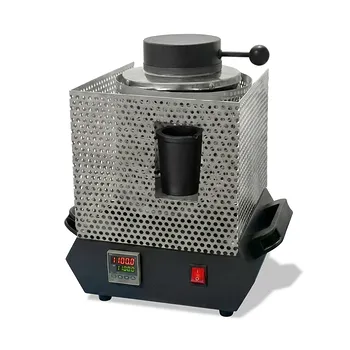
Compact Crucible Melting Furnace 1100C Programmable Temperature Controller Metal Sintering Equipment
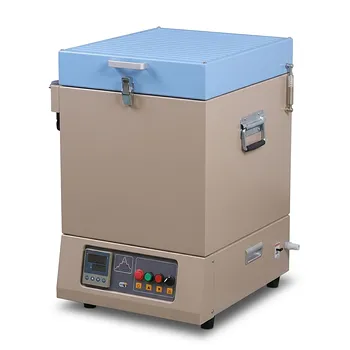
High Temperature Vertical Crucible Furnace with 22L Heating Chamber and 1200C Maximum Temperature
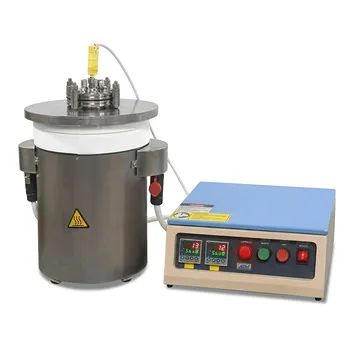
600°C Vertical Crucible Furnace with SS316 Alloy Reactor and 6 Port Vacuum Flange
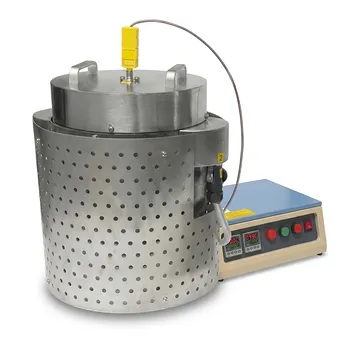
Vertical Crucible Furnace 1000C High Temperature Laboratory Equipment 4.7 Inch Diameter Chamber SS316 Anti Corrosive Enclosure
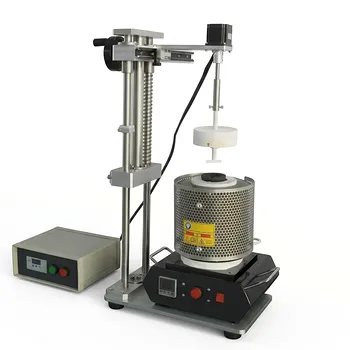
1100C Crucible Melting Furnace with Stirring Function for Glovebox and Air Sensitive Alloy Research
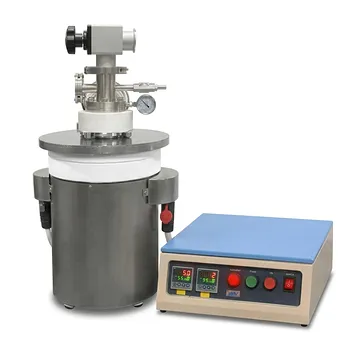
1100C High Temperature Vacuum Crucible Furnace with Quartz Chamber for Thermal Processing and Sintering
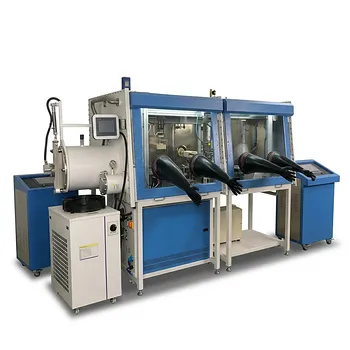
Automatic 10 Crucible Induction Melting and Casting System with Stirring Function and Glovebox Integration 2000C