Why is a vacuum induction melting furnace (VIM) essential for research involving high-purity metal alloys or materials?
Updated 3 months ago
A vacuum induction melting (VIM) furnace is the definitive tool for high-purity research because it provides a contamination-free environment that simultaneously melts, degasses, and homogenizes materials. By utilizing electromagnetic induction within a high-vacuum chamber, it eliminates the presence of oxygen and nitrogen, preventing oxidation and allowing for the deep removal of dissolved gases. This process is essential for achieving the ultra-high purity and precise chemical composition required for aerospace, nuclear, and semiconductor applications.
The core value of VIM technology lies in its ability to strip away gaseous impurities while preventing the loss of reactive alloying elements. This dual capability ensures that the resulting materials meet the extreme performance benchmarks—such as fatigue strength and corrosion resistance—demanded by modern high-tech research.
Eliminating Atmospheric Contamination
Prevention of Secondary Oxidation
In conventional melting, molten metal reacts instantly with oxygen in the air, creating oxides that weaken the material structure. VIM operates in a high-vacuum environment, which physically removes the air and prevents these secondary oxidation reactions from occurring.
Protection of Active Elements
Many specialized alloys contain "active" elements that are highly reactive and easily lost to the atmosphere during melting. The vacuum-protected environment ensures these elements remain within the melt, allowing researchers to maintain precise alloying ratios without unpredictable elemental loss.
Superior Purification and Degassing
Deep Removal of Dissolved Gases
Molten metals naturally absorb gases like oxygen, nitrogen, and hydrogen, which can cause brittleness or internal voids. The low-pressure vacuum environment facilitates the "boiling off" of these gases, a process known as vacuum degassing, which significantly enhances the metallurgical quality of the final product.
Extraction of Volatile Impurities
VIM is highly effective at removing harmful impurities that have a low vapor pressure. As the metal melts, these unwanted volatile elements evaporate and are drawn out by the vacuum system, resulting in ultra-high purity levels that are unattainable through standard melting practices.
Precision and Homogeneity in Research
The Power of Electromagnetic Stirring
The induction process creates an electromagnetic field that naturally stirs the molten metal. This electromagnetic stirring effect ensures that all alloying elements are distributed evenly, resulting in high chemical homogeneity across the entire sample.
Temperature Uniformity and Efficiency
Induction heating generates heat directly within the material itself, leading to high heating efficiency. This method provides excellent temperature uniformity, which is critical for researchers who need to observe material behavior at specific, stable thermal points.
Understanding the Trade-offs
Equipment Complexity and Cost
VIM furnaces are significantly more expensive to acquire and maintain than traditional atmospheric furnaces. The requirement for high-vacuum pumps, specialized seals, and robust cooling systems adds layers of operational complexity that require specialized training.
Refractory Interactions
While the vacuum protects the melt from the air, the molten metal is still in contact with the crucible (refractory) material. At high temperatures and vacuum levels, the melt may react with the crucible wall, potentially introducing trace ceramic inclusions into the sample if the refractory material is not carefully selected.
How to Apply VIM to Your Research Goals
Choosing a VIM furnace should be driven by the specific purity requirements and mechanical properties your research demands.
- If your primary focus is Aerospace Alloys: Use VIM to maximize fatigue strength and toughness by eliminating gas-induced inclusions and oxidation.
- If your primary focus is Semiconductor Materials: Leverage the high-vacuum environment to reach the ultra-high chemical purity levels required for electronic-grade conductivity.
- If your primary focus is Nuclear Energy Research: Utilize the precise composition control and homogeneity offered by electromagnetic stirring to ensure predictable material performance under radiation.
By integrating VIM technology, researchers can move beyond the limitations of atmospheric melting to produce materials with the uncompromising integrity required for next-generation technology.
Summary Table:
| Key Feature | Primary Benefit | Research Impact |
|---|---|---|
| High-Vacuum Environment | Prevents oxidation & element loss | Ensures high chemical integrity |
| Vacuum Degassing | Removes O2, N2, and H2 gases | Enhances fatigue & corrosion resistance |
| Electromagnetic Stirring | Homogeneous element distribution | Uniform chemical composition |
| Direct Induction Heating | Efficient, precise temperature control | Stable material behavior observation |
Elevate Your Material Research with THERMUNITS
As a leading manufacturer of high-temperature laboratory equipment, THERMUNITS empowers material scientists and industrial R&D teams with cutting-edge thermal processing solutions. Our high-performance Vacuum Induction Melting (VIM) furnaces are designed to meet the uncompromising purity standards required in aerospace, nuclear, and semiconductor applications.
Our comprehensive product range includes:
- Muffle, Vacuum, Atmosphere, Tube, and Rotary Furnaces
- Hot Press Furnaces and CVD/PECVD Systems
- Dental Furnaces and Electric Rotary Kilns
- Vacuum Induction Melting Furnaces (VIM)
- Thermal Elements and various heat treatment equipment
Ready to achieve superior precision and quality in your specialized chemical materials? Contact our experts today to find your custom solution!
References
- Penggang Jiao, Ning Hu. Atomically Dispersed Ni on Nitrogen‐Doped Carbon Substrate Enhances Basic HER Performance of Ru Clusters**. DOI: 10.1002/slct.202400490
Mentioned Products
- 1900C Maximum High Temperature 7KW Vacuum Induction Melting System with 60mm Quartz Tube and Manual Temperature Control for Metallic Alloy Research
- Induction Melting Casting Furnace 1750C Vacuum High Frequency Metal Processing Unit
- High Temperature Induction Melting System with Integrated Ultra High Purity Glove Box for Metallic Alloy Processing
- Atmosphere Controlled Induction Melting Casting System 1600C 10L Capacity
- Atmosphere Controlled Induction Melting Granulating Casting Furnace 1500C 5kg Capacity
People Also Ask
- What is the primary role of a Vacuum Induction Melting furnace in the smelting of Fe-Cr-N alloys? Ensuring High Purity
- How does a Vacuum Induction Melting furnace heat materials while preventing atmospheric contamination? Achieve High Purity
- What are the key structural components that make up a Vacuum Induction Melting (VIM) furnace system? Full Guide
- How does the skin effect influence VIM frequency selection? Optimize Heat Penetration & Stirring Efficiency
- What technical advantages does Vacuum Induction Melting offer regarding alloy homogeneity and purity? Enhance Performance

Tech Team · ThermUnits
Last updated on Jun 02, 2026
Related Products
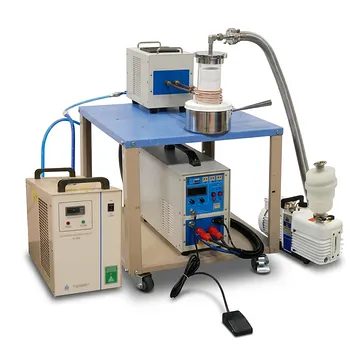
1900C Maximum High Temperature 7KW Vacuum Induction Melting System with 60mm Quartz Tube and Manual Temperature Control for Metallic Alloy Research
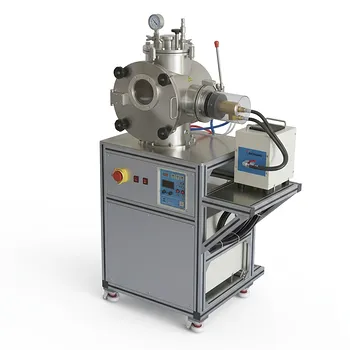
Induction Melting Casting Furnace 1750C Vacuum High Frequency Metal Processing Unit
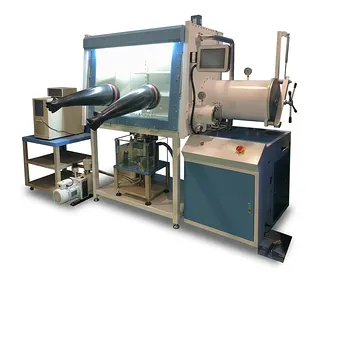
High Temperature Induction Melting System with Integrated Ultra High Purity Glove Box for Metallic Alloy Processing
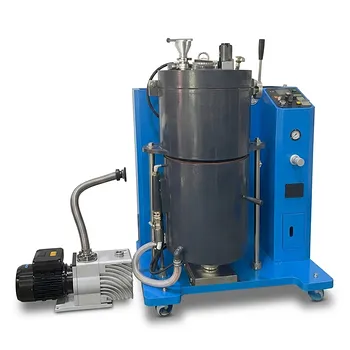
Atmosphere Controlled Induction Melting Casting System 1600C 10L Capacity
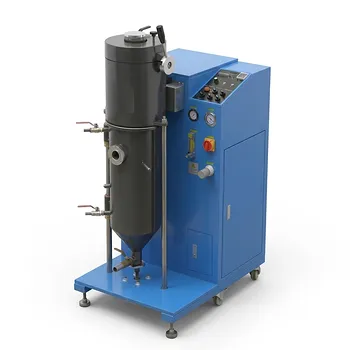
Atmosphere Controlled Induction Melting Granulating Casting Furnace 1500C 5kg Capacity
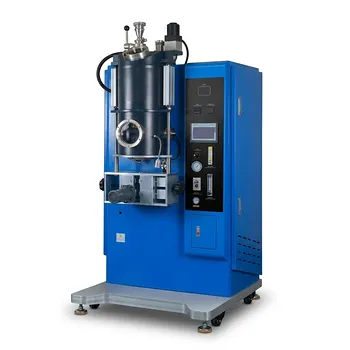
Atmosphere Controlled Continuous Casting Furnace with Secondary Charge Function for Induction Melting and Metal Alloy Wire Production
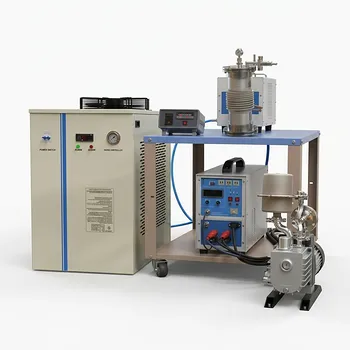
Induction Heating System with Temperature Control for High Temperature Vacuum Sintering and Melting
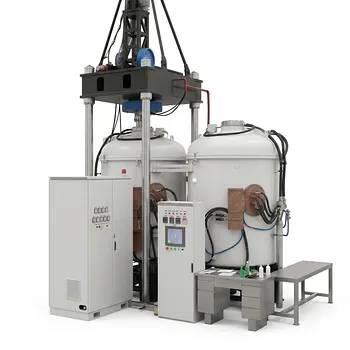
High Pressure 600T Vacuum Induction Hot Press Furnace for Advanced Material Heat Treatment and Sintering
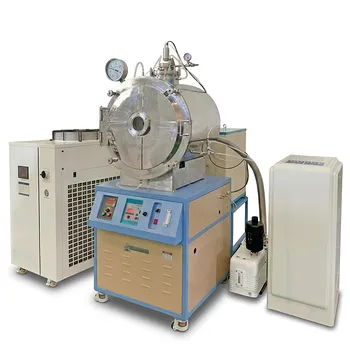
Ultra High Temperature Induction Heated Vacuum Furnace with Molten Salt Electrolysis Capability and 3000 Degree Precision Control
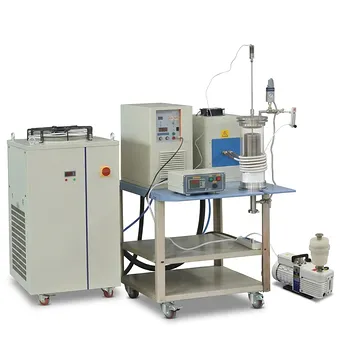
High Temperature Induction Melting System with Multi Cavity Crucible and 15KW Precision Digital Temperature Control
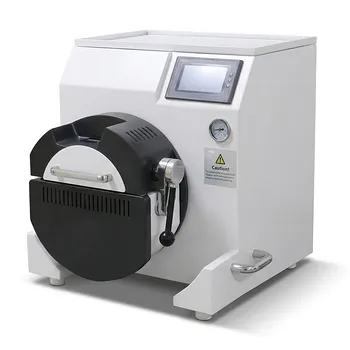
Desktop Induction Melting Furnace with Automatic Rotary Casting Function up to 1700C for Advanced Metal Alloy Research
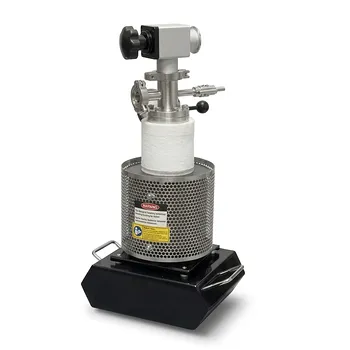
High Temperature 1100C Compact Top Loading Vertical Vacuum Tube Furnace for High Vacuum Noble Metal Melting and Material Research
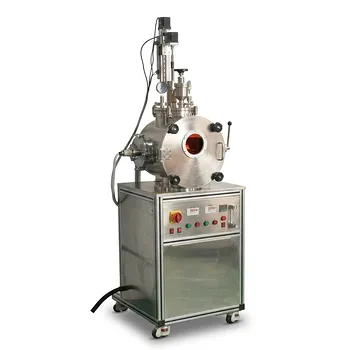
High Vacuum Melting Casting Furnace with Mechanical Stirring and Secondary Charge for Metallic Alloy Research
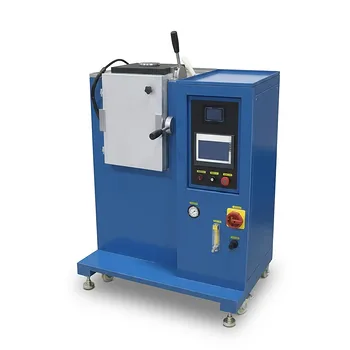
High Throughput Induction Melting and Casting Furnace for Superalloy Research 1700C Atmosphere Controlled Multi Sample System
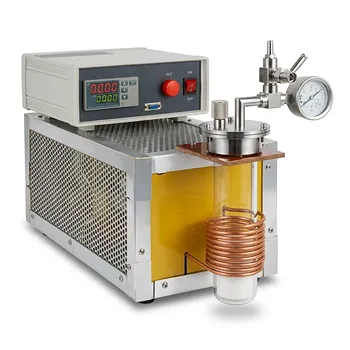
High Temperature Mini Induction Heating Furnace 1600C Laboratory Material Melting System
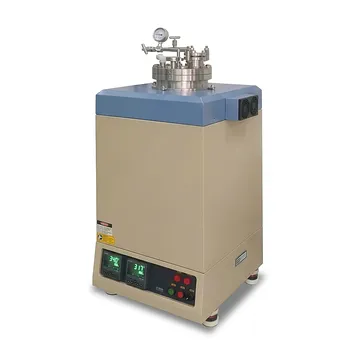
High Temperature 1000C Vacuum Furnace with 8 Inch ID Chamber for Material Sintering and Research Annealing
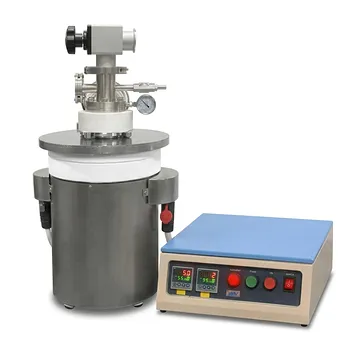
1100C High Temperature Vacuum Crucible Furnace with Quartz Chamber for Thermal Processing and Sintering
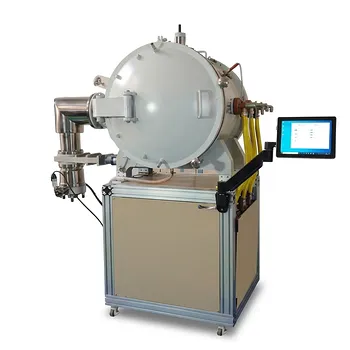
High Temperature Cold Wall Vacuum Furnace for Advanced Material Sintering and Annealing 1600C Heating Area 200x200x300mm
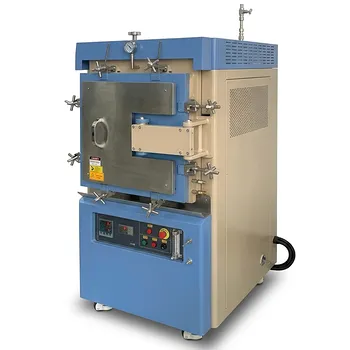
Atmosphere Controlled Muffle Furnace 1700C Maximum Temperature 80L High Capacity Vacuum Inert Gas Box Furnace
