Why is a VIM furnace essential for high-purity alloys? Achieve unmatched metal purity and structural integrity.
Updated 3 months ago
The Vacuum Induction Melting (VIM) furnace is essential because it provides a protected, high-vacuum environment that eliminates atmospheric contamination while allowing for precise control over alloy chemistry. By utilizing electromagnetic induction to melt metals in the absence of air, the VIM process effectively removes dissolved gases such as oxygen, nitrogen, and hydrogen that would otherwise compromise material integrity. This technology is the industry standard for producing the high-purity materials required in mission-critical applications like aerospace turbines and nuclear reactors.
Core Takeaway: A VIM furnace is the primary tool for high-purity metallurgy because it combines deep vacuum degassing with electromagnetic stirring. This dual approach ensures the complete removal of impurities while maintaining a perfectly uniform chemical composition across the entire melt.
The Mechanics of Unrivaled Purity
Complete Elimination of Atmospheric Contaminants
In a standard melting environment, molten metal reacts instantly with oxygen and nitrogen in the air, leading to the formation of brittle inclusions. The high-vacuum environment of a VIM furnace removes these gases from the equation entirely, preventing secondary oxidation. This process facilitates deep degassing, pulling dissolved oxygen, nitrogen, and hydrogen out of the molten pool to ensure maximum microstructural density.
Protection of Active Elements
Many high-performance alloys contain "active" elements that are highly reactive when exposed to air. VIM technology inhibits oxidative loss, ensuring that these critical components remain within the alloy rather than burning off during the melting process. This allows engineers to achieve precise alloying ratios that are vital for the mechanical performance of specialized functional materials.
Removal of Volatile Impurities
The ultra-low-pressure environment allows the melt to reach a state where volatile impurities with high vapor pressures can be evaporated and removed. This "vacuum distillation" effect purifies the metal beyond the capabilities of traditional refining methods. Resulting materials exhibit superior chemical purity, which is essential for semiconductor-grade metals and aerospace-grade special steels.
Achieving Superior Material Homogeneity
The Power of Electromagnetic Stirring
VIM furnaces utilize alternating electromagnetic fields to generate heat through eddy currents. A significant byproduct of this induction heating is a natural stirring effect within the melt pool. This constant motion ensures that the alloy components are distributed evenly, resulting in high chemical homogeneity throughout the entire batch.
Enhanced Physical Performance
Because the metal is stirred and degassed simultaneously, the final product is free from the internal voids and "dirty" inclusions that cause structural failure. This leads to enhanced physical performance indicators, such as increased fatigue resistance and higher thermal stability. These properties are non-negotiable for components used in nuclear energy and high-pressure environments.
Understanding the Trade-offs and Limitations
Increased Operational Costs
VIM technology requires significant capital investment due to the complexity of maintaining ultra-low-pressure environments and high-frequency power supplies. The operational cycle is also longer than atmospheric melting, as the chamber must be evacuated and cooled under controlled conditions. This makes it a specialized solution rather than a general-purpose melting tool.
Crucible Interaction Risks
While the atmosphere is controlled, the molten metal is still in contact with a ceramic crucible. At the high temperatures required for melting special alloys, there is a risk of refractory-metal reactions where the crucible material might contaminate the melt. Expertise in selecting the correct refractory material is essential to maintain the "contamination-free" promise of the VIM process.
How to Apply VIM Technology to Your Project
When deciding whether to utilize a Vacuum Induction Melting furnace, your choice should be driven by the specific purity and performance requirements of your end-use application.
- If your primary focus is Aerospace or Turbine Blades: Use VIM to ensure the high-temperature strength and fatigue resistance necessary for flight-critical rotating parts.
- If your primary focus is Semiconductor or Electronic Materials: Rely on the vacuum distillation effects of VIM to achieve the ultra-high chemical purity required for functional conductivity.
- If your primary focus is Cost-Sensitive Structural Steel: Consider traditional melting methods unless the alloy contains high levels of reactive elements that would be lost to oxidation.
The VIM furnace remains the definitive solution for engineers who cannot afford to compromise on the purity, uniformity, and metallurgical integrity of their specialized alloys.
Summary Table:
| Feature | Benefit | Key Applications |
|---|---|---|
| High Vacuum Environment | Eliminates oxidation and atmospheric nitrogen/oxygen contamination. | Aerospace parts, Nuclear reactors |
| Vacuum Degassing | Removes dissolved H2, N2, and O2 for maximum material density. | Turbine blades, Mission-critical parts |
| Electromagnetic Stirring | Ensures perfect chemical homogeneity and uniform alloy distribution. | Special steels, Functional materials |
| Vacuum Distillation | Evaporates volatile impurities to achieve ultra-high chemical purity. | Semiconductor-grade metals |
| Controlled Environment | Protects reactive "active" elements from oxidative loss. | Advanced alloy R&D |
Elevate Your Material Research with THERMUNITS
Are you looking to achieve the ultimate level of metallurgical purity and chemical homogeneity? THERMUNITS is a leading manufacturer of high-temperature laboratory equipment for material science and industrial R&D. We specialize in providing the precision tools needed for your most demanding heat treatment processes.
Our comprehensive range of thermal solutions includes:
- Specialized Furnaces: Vacuum Induction Melting (VIM), Muffle, Vacuum, Atmosphere, Tube, Rotary, and Hot Press furnaces.
- Advanced Systems: CVD/PECVD systems, Dental Furnaces, and Electric Rotary Kilns.
- High-End Components: Thermal elements and various specialized laboratory heat treatment equipment.
Whether you are developing next-generation aerospace alloys or semiconductor materials, our expert-engineered VIM furnaces ensure the structural integrity your industry demands.
Ready to upgrade your lab's capabilities? Contact our technical team today to find the perfect thermal processing solution for your project.
References
- Jianqing Li, Fei Du. Engineering Detrimental Functional Groups in Conductive Additives Toward High‐Performance All‐Solid‐State Batteries. DOI: 10.1002/chem.202400074
Mentioned Products
- 1900C Maximum High Temperature 7KW Vacuum Induction Melting System with 60mm Quartz Tube and Manual Temperature Control for Metallic Alloy Research
- Induction Melting Casting Furnace 1750C Vacuum High Frequency Metal Processing Unit
- High Temperature Induction Melting System with Integrated Ultra High Purity Glove Box for Metallic Alloy Processing
- Atmosphere Controlled Induction Melting Granulating Casting Furnace 1500C 5kg Capacity
- Atmosphere Controlled Induction Melting Casting System 1600C 10L Capacity
People Also Ask
- What is the primary role of a Vacuum Induction Melting furnace in the smelting of Fe-Cr-N alloys? Ensuring High Purity
- How does a Vacuum Induction Melting furnace heat materials while preventing atmospheric contamination? Achieve High Purity
- What are the key structural components that make up a Vacuum Induction Melting (VIM) furnace system? Full Guide
- How does the skin effect influence VIM frequency selection? Optimize Heat Penetration & Stirring Efficiency
- What technical advantages does Vacuum Induction Melting offer regarding alloy homogeneity and purity? Enhance Performance

Tech Team · ThermUnits
Last updated on Jun 02, 2026
Related Products
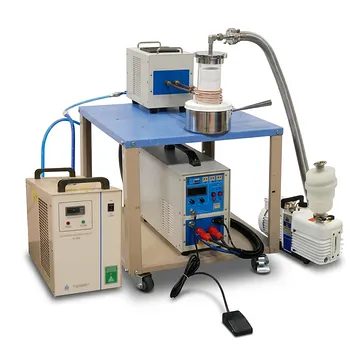
1900C Maximum High Temperature 7KW Vacuum Induction Melting System with 60mm Quartz Tube and Manual Temperature Control for Metallic Alloy Research
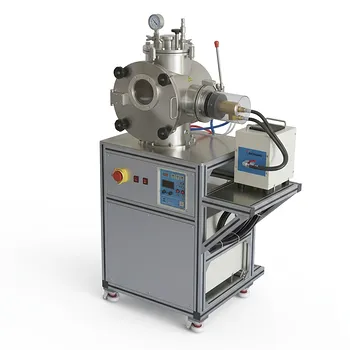
Induction Melting Casting Furnace 1750C Vacuum High Frequency Metal Processing Unit
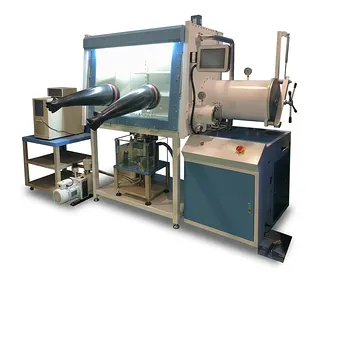
High Temperature Induction Melting System with Integrated Ultra High Purity Glove Box for Metallic Alloy Processing
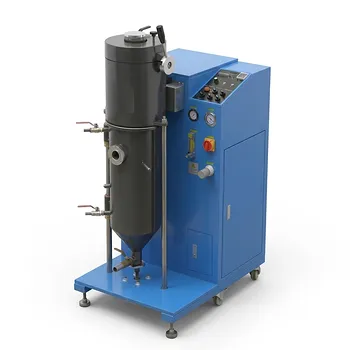
Atmosphere Controlled Induction Melting Granulating Casting Furnace 1500C 5kg Capacity
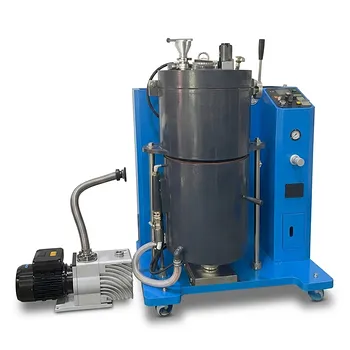
Atmosphere Controlled Induction Melting Casting System 1600C 10L Capacity
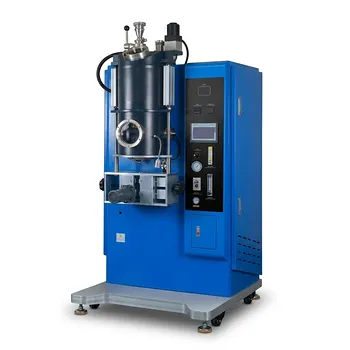
Atmosphere Controlled Continuous Casting Furnace with Secondary Charge Function for Induction Melting and Metal Alloy Wire Production
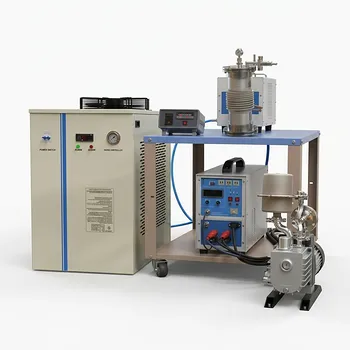
Induction Heating System with Temperature Control for High Temperature Vacuum Sintering and Melting
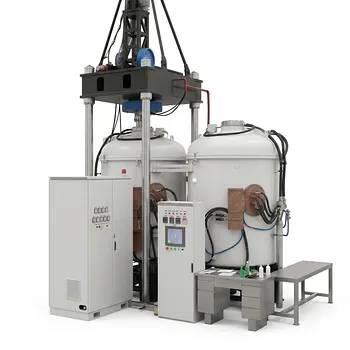
High Pressure 600T Vacuum Induction Hot Press Furnace for Advanced Material Heat Treatment and Sintering
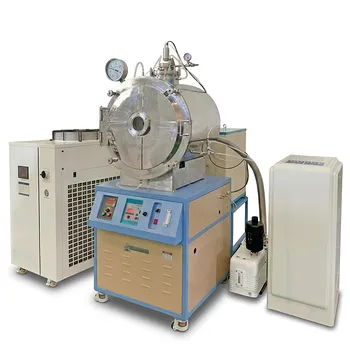
Ultra High Temperature Induction Heated Vacuum Furnace with Molten Salt Electrolysis Capability and 3000 Degree Precision Control
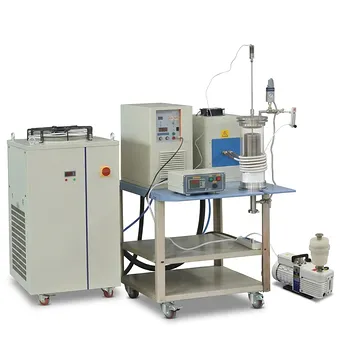
High Temperature Induction Melting System with Multi Cavity Crucible and 15KW Precision Digital Temperature Control
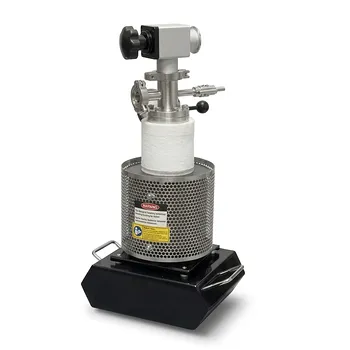
High Temperature 1100C Compact Top Loading Vertical Vacuum Tube Furnace for High Vacuum Noble Metal Melting and Material Research
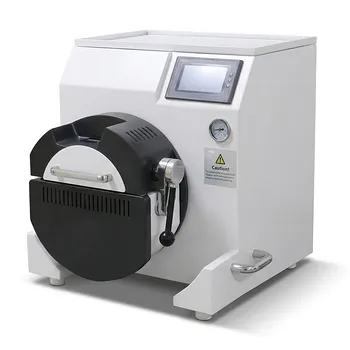
Desktop Induction Melting Furnace with Automatic Rotary Casting Function up to 1700C for Advanced Metal Alloy Research
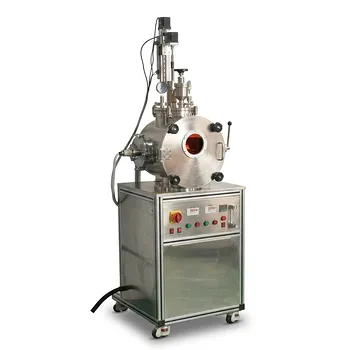
High Vacuum Melting Casting Furnace with Mechanical Stirring and Secondary Charge for Metallic Alloy Research
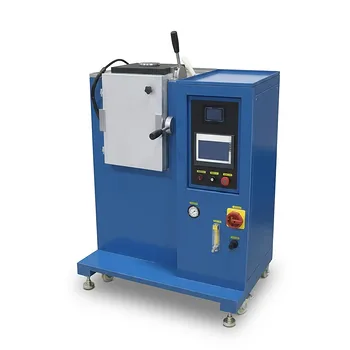
High Throughput Induction Melting and Casting Furnace for Superalloy Research 1700C Atmosphere Controlled Multi Sample System
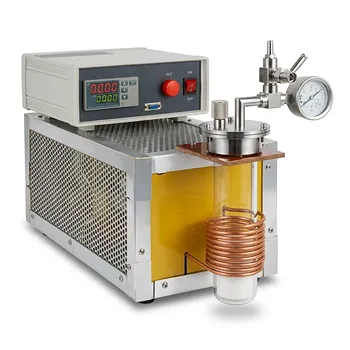
High Temperature Mini Induction Heating Furnace 1600C Laboratory Material Melting System
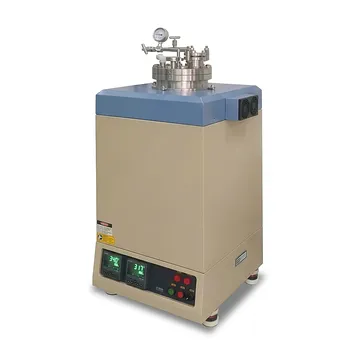
High Temperature 1000C Vacuum Furnace with 8 Inch ID Chamber for Material Sintering and Research Annealing
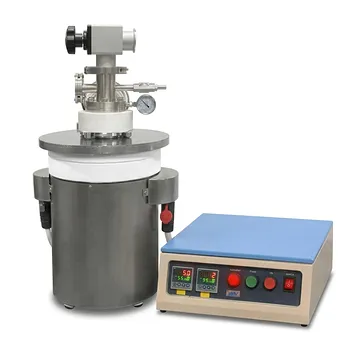
1100C High Temperature Vacuum Crucible Furnace with Quartz Chamber for Thermal Processing and Sintering
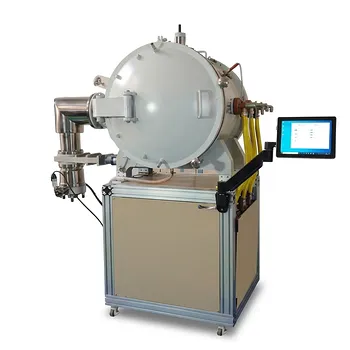
High Temperature Cold Wall Vacuum Furnace for Advanced Material Sintering and Annealing 1600C Heating Area 200x200x300mm
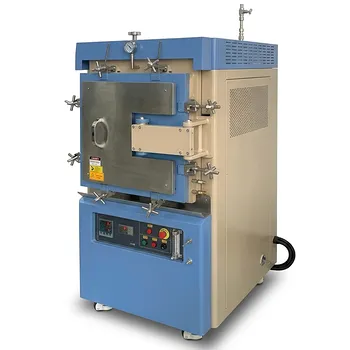
Atmosphere Controlled Muffle Furnace 1700C Maximum Temperature 80L High Capacity Vacuum Inert Gas Box Furnace
