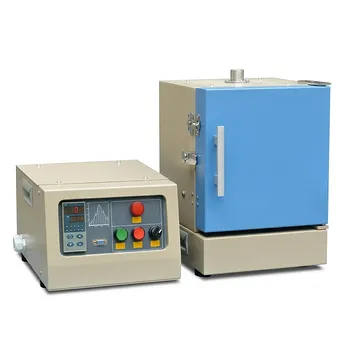
Why is high-precision constant temperature heating equipment necessary for the synthesis of porous silicon? Ensure Pore Uniformity
Updated 3 months ago
Precision temperature control is the fundamental requirement for synthesizing porous silicon. High-precision heating equipment ensures that chemical etching occurs under stable thermodynamic conditions, allowing for a consistent etching rate. This stability is the only way to achieve micron-sized porous silicon with a uniform pore size distribution and high structural integrity.
High-precision heating transforms synthesis from an unpredictable chemical process into a controlled fabrication technique. By maintaining exact thermodynamic stability, it ensures uniform pore architecture and prevents the volatile side reactions that compromise material quality.
The Role of Thermodynamics in Pore Formation
Maintaining Consistent Etching Rates
The synthesis of porous silicon relies on a delicate chemical etching process that is highly sensitive to thermal energy. Even a minor deviation from a set point, such as 60 degrees Celsius, can cause the etching rate to fluctuate unpredictably.
Achieving Uniform Pore Size Distribution
Consistency in temperature ensures that the pores develop at a synchronized rate across the entire surface of the silicon. Without this precision, the resulting material will have irregular pore diameters, making it useless for applications requiring specific surface areas.
Ensuring High Structural Stability
When temperature is held constant, the internal architecture of the porous silicon forms with higher mechanical strength. Fluctuations during the "growth" phase can introduce structural defects or stress points that lead to material degradation.
Controlling Reaction Kinetics and Side Reactions
Stabilizing Reaction Kinetics
High-precision equipment like experimental furnaces and heating mantles provides a uniform thermal environment that stabilizes reaction kinetics. This prevents the "drift" in reaction speed that often occurs when heat is unevenly distributed or poorly regulated.
Preventing Unwanted Phase Transformations
Minor temperature fluctuations can trigger unwanted side reactions or premature phase transformations in the silicon substrate. Precise control ensures that the energy input stays within the narrow window required for the target product, significantly improving final yield.
Managing Exothermic Energy
Some synthesis stages are exothermic, meaning they release their own heat, which can lead to a "runaway" thermal effect. Precision equipment can adjust for these shifts—for example, maintaining a specific heating rate like 50 °C/h—to keep the reaction under control.
Safety and Material Homogenization
Managing Vapor Pressure and Risks
In high-temperature synthesis, rapid temperature spikes can cause a dangerous increase in vapor pressure within reaction vessels. High-precision profiles, such as multi-stage holding periods, minimize the risk of tube explosions and other catastrophic equipment failures.
Ensuring Chemical Homogenization
Uniform heating is essential for the chemical homogenization of the melt during high-temperature phases. Proper thermal soaking at specific intervals allows all elements to react fully, preventing "pockets" of unreacted material that ruin the batch.
Common Pitfalls to Avoid
The Illusion of "Close Enough" Temperature
In many chemical processes, being within a few degrees of the target is acceptable, but in porous silicon synthesis, this leads to "graded" porosity. A lack of precision results in a material where the top layers differ significantly from the bottom layers.
Overlooking Thermal Gradient Issues
Even if a controller shows the correct temperature, poor-quality heating equipment often suffers from internal thermal gradients. If one side of the silicon wafer is even slightly hotter than the other, the pore distribution will be asymmetric and structurally weak.
How to Apply This to Your Project
When selecting or configuring heating equipment for porous silicon synthesis, your choice should be dictated by the specific requirements of your material's end-use.
- If your primary focus is uniform pore architecture: Invest in equipment with a high-precision PID controller capable of maintaining stability within ±0.1°C to ensure a constant etching rate.
- If your primary focus is high-yield production: Utilize multi-stage temperature profiling to manage exothermic reactions and prevent unwanted side reactions that decrease product purity.
- If your primary focus is safety and structural integrity: Prioritize equipment that offers programmable ramp rates and uniform heat distribution to prevent pressure spikes and internal material stress.
Precise thermal management is not merely a preference but a technical necessity for producing reliable, high-performance porous silicon.
Summary Table:
| Key Parameter | Impact of High-Precision Heating | Risk of Poor Temperature Control |
|---|---|---|
| Etching Rate | Stable and consistent across the surface | Flctuating rates and unpredictable results |
| Pore Architecture | Uniform size distribution and high symmetry | Irregular diameters and "graded" porosity |
| Structural Integrity | High mechanical strength; minimal defects | Structural stress and material degradation |
| Reaction Kinetics | Controlled exothermic energy and no drift | Runaway thermal effects and side reactions |
| Safety | Managed vapor pressure; no pressure spikes | Increased risk of vessel or tube failure |
Elevate Your Material Research with THERMUNITS Precision Solutions
Achieving the perfect pore architecture in porous silicon requires more than just heat—it requires absolute thermal control. As a leading manufacturer of high-temperature laboratory equipment, THERMUNITS provides the precision necessary for cutting-edge material science and industrial R&D.
Our comprehensive range of thermal processing solutions is designed to eliminate thermal gradients and ensure ±0.1°C stability. Whether you are scaling up synthesis or conducting fundamental research, we offer:
- Advanced Furnaces: Muffle, Vacuum, Atmosphere, Tube, Rotary, and Hot Press furnaces.
- Specialized Systems: CVD/PECVD systems, Dental Furnaces, and Electric Rotary Kilns.
- High-End Melting: Vacuum Induction Melting (VIM) furnaces and precision Thermal Elements.
Ready to optimize your synthesis process? Contact our engineering team today to discuss how our customized heating solutions can enhance your laboratory's efficiency and product yield.
References
- Zimu Zhang, Zisheng Guan. Silver-Assisted Chemical Etching for the Fabrication of Porous Silicon N-Doped Nanohollow Carbon Spheres Composite Anodes to Enhance Electrochemical Performance. DOI: 10.3390/ma17133189
Mentioned Products
- Desktop High Frequency Induction Heater 6KW 100-500kHz for Precision Metal Melting and Heat Treatment
- High Frequency Desktop Induction Heater 35KW 30-80 KHz with Precision Timer Control for Industrial Material Research and Metal Processing
- High Power 25KW Induction Heating System with Precision Timer Control and 80kHz Frequency for Metal Melting and Heat Treatment
- High Temperature Vertical Crucible Furnace with 22L Heating Chamber and 1200C Maximum Temperature
- Induction Heating System with Temperature Control for High Temperature Vacuum Sintering and Melting
People Also Ask
- How does the laboratory heating device ensure the stability of 3D-printed columnar structures? Precision Thermal Control
- What are the primary functions of a High-Frequency Induction Melting Furnace in LMD? Achieve Precision Microstructures
- What is the role of the high-frequency induction melting furnace in Mg-Zn-Y alloy production? Ensure Superior Purity
- What role does a high-frequency induction furnace play in the preparation of pseudowollastonite-type slag? Expert Guide
- What role does Vacuum Induction Melting play in medical implants? Ensure High-Purity Alloys for Superior Performance

Tech Team · ThermUnits
Last updated on Jun 03, 2026
Related Products
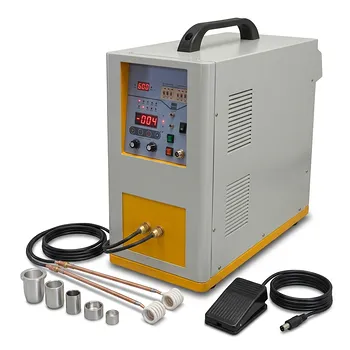
Desktop High Frequency Induction Heater 6KW 100-500kHz for Precision Metal Melting and Heat Treatment
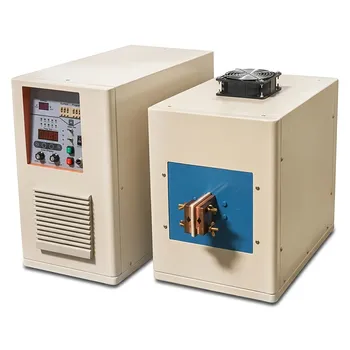
High Frequency Desktop Induction Heater 35KW 30-80 KHz with Precision Timer Control for Industrial Material Research and Metal Processing
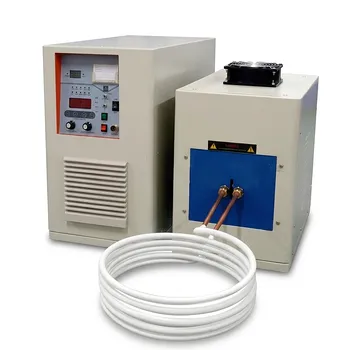
High Power 25KW Induction Heating System with Precision Timer Control and 80kHz Frequency for Metal Melting and Heat Treatment
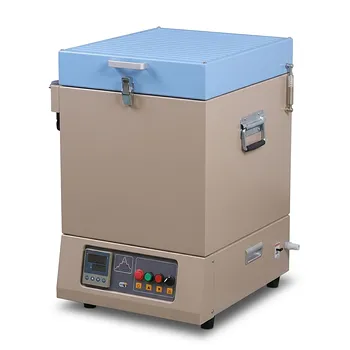
High Temperature Vertical Crucible Furnace with 22L Heating Chamber and 1200C Maximum Temperature
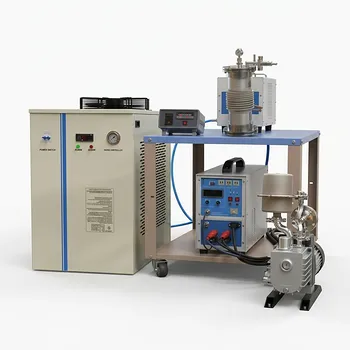
Induction Heating System with Temperature Control for High Temperature Vacuum Sintering and Melting
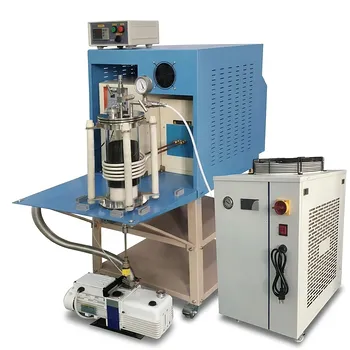
15KW Induction Heating System with 5 Inch Quartz Tube and 2200C Temperature Controller
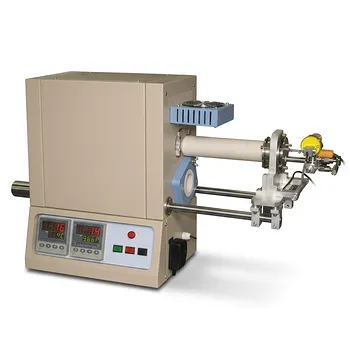
High Temperature Tube Furnace 1500C with Sliding Flanges and 50mm OD for Rapid Thermal Processing Fast Heating and Cooling
Silicon Carbide SiC Thermal Heating Elements for Industrial Electric Furnaces
Molybdenum Disilicide MoSi2 Thermal Elements Electric Furnace Heating Element High Temperature Resistance
High Temperature Benchtop Muffle Furnace 1700C 10L Chamber Alumina Fiber Insulation MoSi2 Heating Elements
1200°C Five Side Heating Atmosphere Controlled Muffle Furnace 64 Liter High Uniformity Box Furnace for Material Synthesis
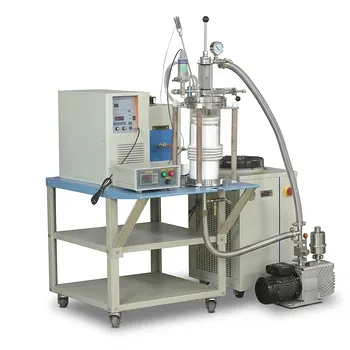
15KW 1700C Max Induction Heater 6 Inch Tube with Dose Feeding and Melt Stirring Function
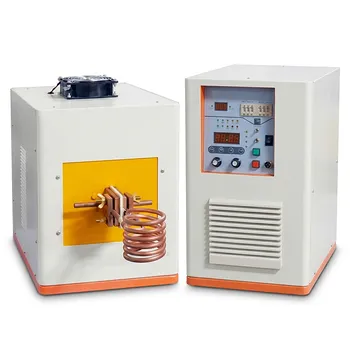
30KW High Frequency Induction Heater for Metal Melting and Industrial Heat Treatment 80-200kHz
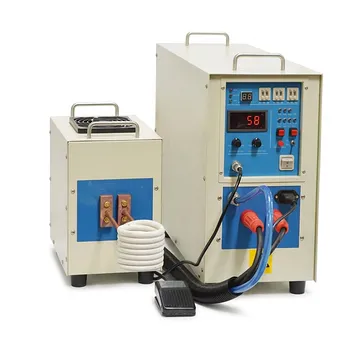
High Frequency Desktop Induction Heater 15 KVA Induction Heating System with Automatic Timer Control for Material Research and Metal Melting
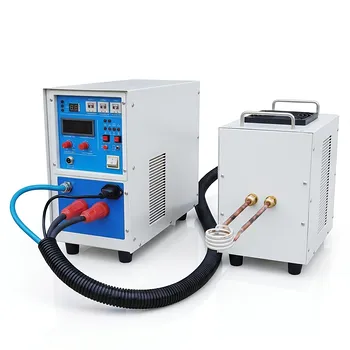
High Frequency Induction Heating System 7 KW Bench Top Heater with Automatic Timer Control and Dual Station Configuration
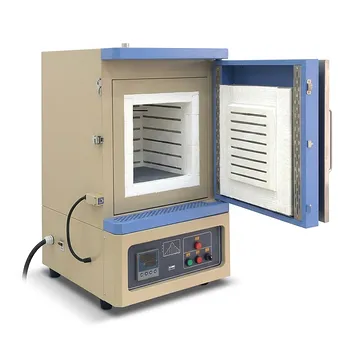
Five Side Heating Muffle Furnace High Purity Alumina Fiber 27L Chamber 1200C High Temperature Thermal Processing System for Sintering Annealing and Materials Research
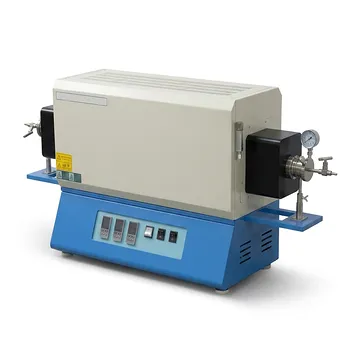
High Temperature Three Temperature Zone Tube Furnace for Advanced Material Science Sintering and Chemical Vapor Deposition Applications
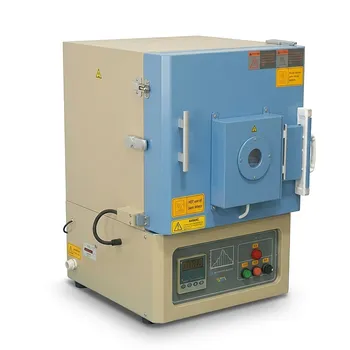
High Temperature Benchtop Muffle Furnace 1500C with 3.6L Chamber and Quartz Observation Window
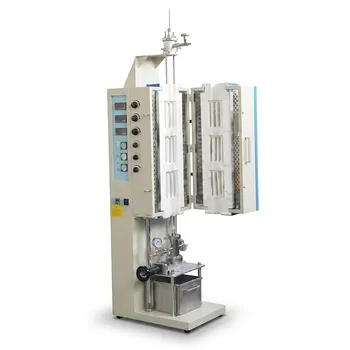
High Temperature Dual Zone Tube Furnace for Material Science Research and Professional Thermal Processing