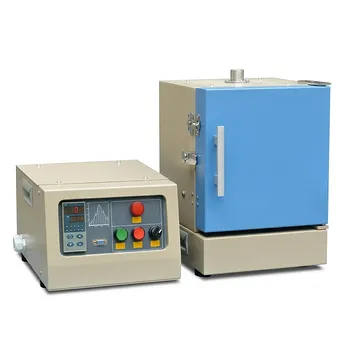
How does the laboratory heating device ensure the stability of 3D-printed columnar structures? Precision Thermal Control
Updated 3 months ago
The stability of 3D-printed columnar structures is ensured through a precision-controlled, gradient heat treatment process that manages the transition from a liquid-based ink to a solid structure. By operating within a strict range of 450 °C to 600 °C, the heating device facilitates the slow removal of polymer binders while simultaneously initiating chemical bonding to the substrate, preventing the fine columns from collapsing under their own weight during shrinkage.
Core Takeaway: Laboratory heating devices maintain structural integrity by balancing the volatile removal of binders with the mechanical reinforcement of chemical bonding. This high-precision thermal environment prevents the stresses of sintering from causing deformation or total structural failure.
The Role of Gradient Temperature Control
Gradual Binder and Surfactant Removal
Laboratory heating devices use a gradient approach to slowly evaporate polymer binders and surfactants from the 3D-printed ink.
If these organic components are removed too rapidly through sudden temperature spikes, the resulting gas pressure can cause micro-fractures or the complete explosion of the columnar geometry.
The heating device ensures that the rate of "de-binding" does not exceed the material's ability to maintain its structural shape in its weakened, porous state.
Initiating Substrate Bonding
While the binders are being removed, the device provides the thermal energy necessary to form the initial chemical bonds between the columns and the substrate.
This anchor point is critical because it provides the mechanical stability required to keep the columns upright as they lose their internal organic support system.
Without this early-stage bonding, the fine 3D structures would likely detach or tilt before the sintering process was complete.
Managing Material Transformation and Shrinkage
Mitigating Sintering Collapse
As the temperature reaches the upper limit of the 450 °C to 600 °C range, the material undergoes sintering shrinkage.
The device's fine temperature control ensures that this shrinkage occurs uniformly across the entire structure.
By preventing "hot spots," the device ensures that different parts of the columnar structure do not shrink at different rates, which would lead to warping or structural collapse.
Ensuring Thermal Field Uniformity
High-precision heating systems create a uniform and repeatable thermal field, ensuring that the thermodynamic environment is consistent for every sample.
This consistency is vital for statistical significance, as it eliminates performance fluctuations that occur when materials are exposed to uneven heat.
The device also manages the atmospheric environment, which can influence the crystallization and densification phases of the material during its transition to a final solid state.
Understanding the Trade-offs
The Speed vs. Integrity Conflict
There is a fundamental trade-off between processing time and the quality of the final structure.
Attempting to accelerate the heat treatment to save time increases the risk of residual stress and structural deformation due to uneven binder outgassing.
A slower, more controlled gradient is technically superior for fine geometries but requires significantly higher energy consumption and equipment occupancy time.
Limitations of Thermal Homogeneity
While high-end laboratory furnaces aim for perfect uniformity, edge effects within the heating chamber can still occur.
Samples placed near the heating elements may experience different densification rates than those in the center, potentially leading to inconsistencies in a single batch.
Users must account for these micro-variations when placing delicate columnar structures within the device to ensure repeatable results.
How to Apply This to Your Project
When utilizing laboratory heating devices for post-printing treatment, your approach should vary based on your specific structural goals.
- If your primary focus is Fine Geometric Accuracy: Utilize the slowest possible temperature ramp-up between 450 °C and 600 °C to ensure binders are removed without disrupting the delicate columnar walls.
- If your primary focus is Maximum Bonding Strength: Ensure the soak time at the upper-temperature limit is sufficient to complete the chemical bond transition between the structure and the substrate.
- If your primary focus is Experimental Repeatability: Use a device with a certified high-precision temperature control system and maintain a consistent atmospheric environment to eliminate external variables.
The success of a 3D-printed structure depends entirely on the device's ability to sync material reinforcement with the loss of temporary organic support.
Summary Table:
| Key Feature | Mechanism | Benefit to 3D Structures |
|---|---|---|
| Gradient Heating | Gradual temperature ramp (450-600°C) | Prevents micro-fractures from rapid gas release |
| Binder Removal | Controlled volatile outgassing | Maintains structural shape in the porous state |
| Substrate Bonding | Early-stage thermal chemical bonding | Anchors columns to prevent tilting or detachment |
| Thermal Uniformity | Consistent heat field distribution | Eliminates warping by ensuring uniform shrinkage |
Ensure Structural Integrity with THERMUNITS High-Precision Solutions
Maximize the success of your complex geometries and material R&D with THERMUNITS. As a leading manufacturer of high-temperature laboratory equipment, we provide the precision and uniformity required to prevent structural failure during critical sintering phases.
Our comprehensive range of thermal processing solutions includes:
- Furnaces: Muffle, Vacuum, Atmosphere, Tube, Rotary, and Hot Press furnaces.
- Advanced Systems: CVD/PECVD systems, Dental Furnaces, and Electric Rotary Kilns.
- Specialized Equipment: Vacuum Induction Melting (VIM) furnaces and high-quality Thermal Elements.
Whether you are focusing on fine geometric accuracy or maximum bonding strength, our equipment is designed to meet the rigorous demands of material science and industrial R&D.
Ready to enhance your lab's thermal processing capabilities?
Contact our expert team today to find the perfect furnace for your project!
References
- Inyoung Jang, G. H. Kelsall. Structural Effects of 3D Inkjet‐Printed Ni(O)‐YSZ Pillared Electrodes on Performances of Solid Oxide Electrochemical Reactors. DOI: 10.1002/smll.202306653
Mentioned Products
- 1750C Bench Top Muffle Furnace 3.6L High Grade Molybdenum Disilicide Heating Elements Laboratory Heat Treatment Equipment
- Laboratory Tilting Rotary Tubular Furnaces for Material Science and Industrial Heat Treatment
- 30KW High Frequency Induction Heater for Metal Melting and Industrial Heat Treatment 80-200kHz
- Desktop High Frequency Induction Heater 6KW 100-500kHz for Precision Metal Melting and Heat Treatment
- High Temperature 1700C Bench Top Muffle Furnace with Alumina Fiber Insulation and 3.6L Chamber Capacity for Precision Sintering and Heat Treatment
People Also Ask
- Why is a benchtop muffle furnace essential for U3O8 micromaterials? Achieve precision stoichiometry and purity.
- What materials are typically used for heating elements in muffle furnaces? A Guide to Performance & Temperature Limits
- What role does a laboratory high-temperature muffle furnace play in the ash analysis phase of biomass co-firing research? [Guide]
- What role does a high-temperature muffle furnace play in evaluating the mineral composition of rock samples? LOI & XRF Guide
- What is the function of a muffle furnace in aluminoborosilicate glass prep? Stabilize Raw Materials for Superior Purity

Tech Team · ThermUnits
Last updated on Jun 03, 2026
Related Products
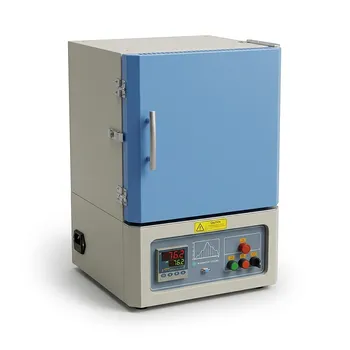
1750C Bench Top Muffle Furnace 3.6L High Grade Molybdenum Disilicide Heating Elements Laboratory Heat Treatment Equipment
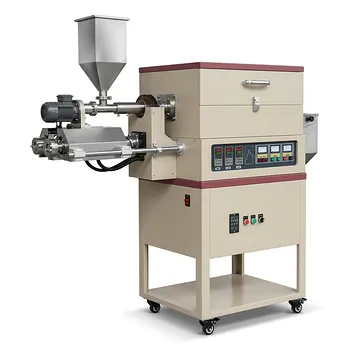
Laboratory Tilting Rotary Tubular Furnaces for Material Science and Industrial Heat Treatment
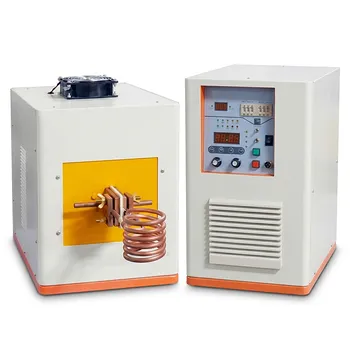
30KW High Frequency Induction Heater for Metal Melting and Industrial Heat Treatment 80-200kHz
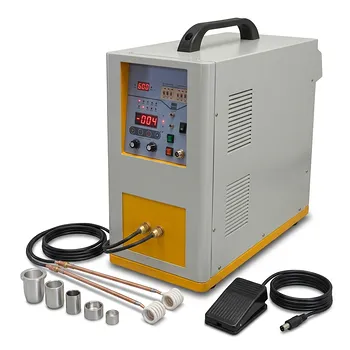
Desktop High Frequency Induction Heater 6KW 100-500kHz for Precision Metal Melting and Heat Treatment
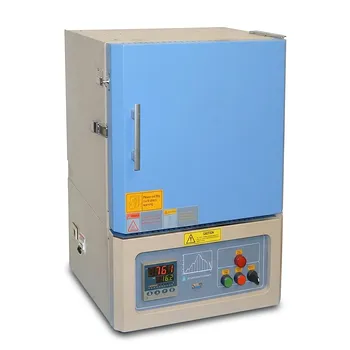
High Temperature 1700C Bench Top Muffle Furnace with Alumina Fiber Insulation and 3.6L Chamber Capacity for Precision Sintering and Heat Treatment
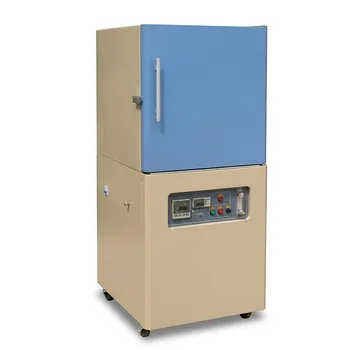
High Temperature Muffle Furnace with Dual Controllers and 36L Large Chamber 1700C Max
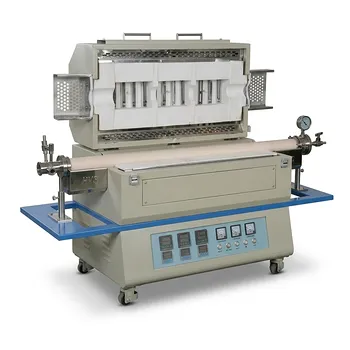
Three Temperature Zone Fast Heating Furnace 1500C Laboratory High Precision Thermal Processing System
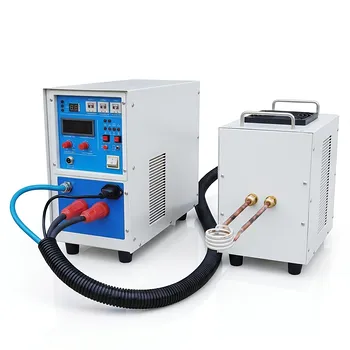
High Frequency Induction Heating System 7 KW Bench Top Heater with Automatic Timer Control and Dual Station Configuration
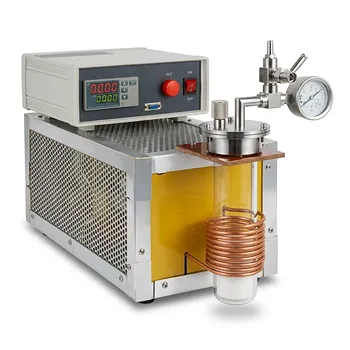
High Temperature Mini Induction Heating Furnace 1600C Laboratory Material Melting System
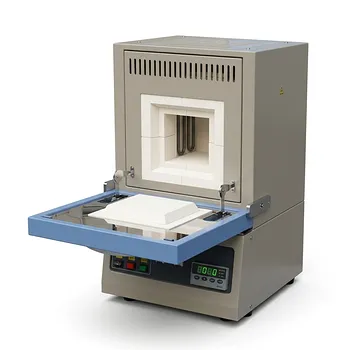
Five Sided Heating Muffle Furnace High Uniformity 1200C Lab Box Furnace 27L Alumina Fiber Chamber
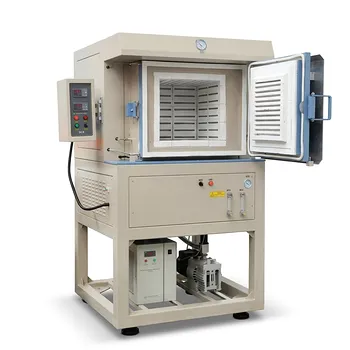
1200°C Five Side Heating Atmosphere Controlled Muffle Furnace 64 Liter High Uniformity Box Furnace for Material Synthesis
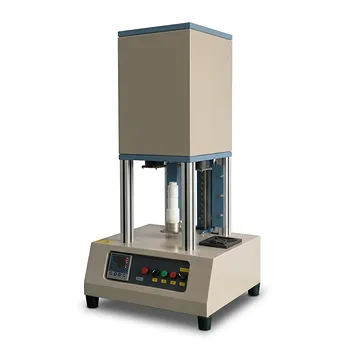
Compact High Temperature Bottom Loading Furnace 1700C Rapid Heating Cooling System Small Sample Thermal Cycling Equipment
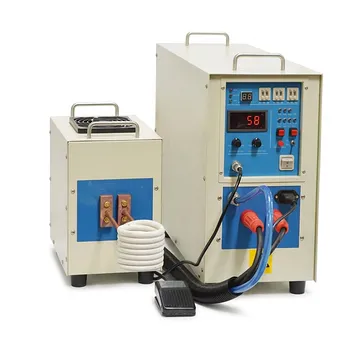
High Frequency Desktop Induction Heater 15 KVA Induction Heating System with Automatic Timer Control for Material Research and Metal Melting
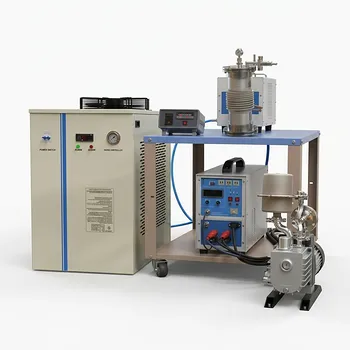
Induction Heating System with Temperature Control for High Temperature Vacuum Sintering and Melting
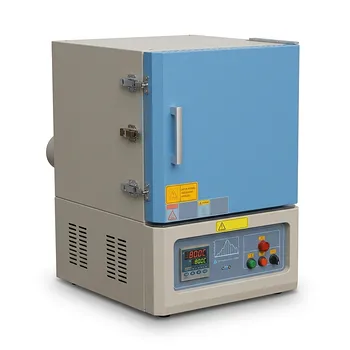
1800C Bench Top Muffle Furnace 18 Liters with Kanthal Super 1900 Heating Elements for High Purity Ceramic Sintering and Material Research
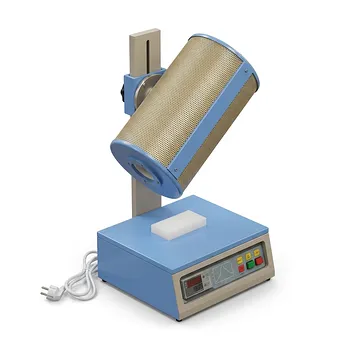
1100°C Vertical Laboratory Furnace for DIY Tubular Reactors with PID Temperature Controller
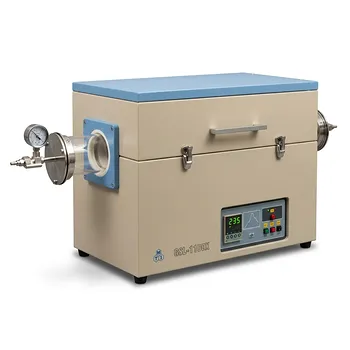
Single Zone Tube Furnace 5 Inch Quartz Tube 36 Inch Heating Zone Vacuum Flanges
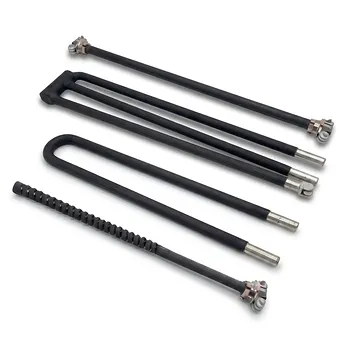
Silicon Carbide SiC Thermal Heating Elements for Industrial Electric Furnaces

High Temperature 1500C Benchtop Muffle Furnace 3.6L Alumina Fiber Chamber Programmable Controller Sintering Annealing Carbonization Thermal Processing System