Why is high-purity Argon required for melting High-Entropy Alloys (HEAs)? Ensure Precise Material Stoichiometry
Updated 3 months ago
High-purity Argon is required during the melting of High-Entropy Alloys (HEAs) to serve as a chemically inert shield that prevents the oxidation and nitridation of reactive elements. By displacing atmospheric oxygen and nitrogen, Argon ensures that high-activity components like aluminum, chromium, and titanium remain within the alloy matrix rather than being lost to slag or impurity phases. This rigorous atmospheric control is the only way to maintain the precise chemical stoichiometry and high configurational entropy that define these materials.
Core Takeaway: High-purity Argon acts as both a chemical barrier and a pressure stabilizer, preventing the loss of critical alloying elements through oxidation or evaporation to ensure the final material matches its theoretical design.
Preventing the Degradation of Reactive Elements
Displacing Atmospheric Oxygen and Nitrogen
At the extreme temperatures required for melting (often exceeding 1600°C), oxygen and nitrogen become highly aggressive. Argon is chemically inert, meaning it does not react with the melt, providing a stable environment that excludes these contaminants.
Protecting High-Activity Components
Elements such as Aluminum, Chromium, Titanium, and Zirconium are essential for HEA performance but have a high affinity for oxygen. Without an Argon shield, these elements would rapidly oxidize, forming brittle inclusions that compromise the alloy's structural integrity.
Eliminating Secondary Oxidation
During the transition from solid to a molten "matte" phase, metals are particularly vulnerable to secondary oxidation. An Argon atmosphere ensures that the reduction reactions follow the preset chemical equilibrium, allowing for a high recovery rate of all constituent metals.
Maintaining Precise Composition and Entropy
Preserving Configurational Entropy ($\Delta S_{config}$)
The unique properties of HEAs depend on a specific, multi-element balance to achieve high mixing entropy. If even one element is lost to oxidation, the chemical stoichiometry shifts, which can prevent the formation of the desired single-phase solid solution.
Ensuring Target Phase Formation
Precise atmosphere control allows for the successful formation of complex target phases, such as Laves phases or single-atom structures. By preventing the formation of undesirable oxides or nitrides, Argon ensures the alloy develops the intended thermodynamic and mechanical properties.
Facilitating Selective Agglomeration
In advanced HEA production, such as sintering multi-metal dispersed materials, Argon allows metal precursors to undergo selective agglomeration. This ensures that atoms bond based on their internal cohesive energy rather than reacting prematurely with environmental oxygen.
Controlling Volatility and Elemental Yield
Inhibiting Elemental Evaporation
Many HEA components, particularly Manganese and Aluminum, are prone to volatile loss at high temperatures. Maintaining a specific Argon partial pressure (e.g., approximately 200 torr) creates physical resistance that inhibits these elements from evaporating out of the molten pool.
Maximizing Rare Earth Recovery
When alloying with rare earth elements, Argon prevents atmospheric oxygen from consuming the reducing agents (like aluminum powder). This ensures the reducing agents are used exclusively to process the rare earth elements, significantly increasing the final alloying yield.
Managing Internal Furnace Pressure
Following a deep vacuum evacuation to remove residual air, the introduction of Argon stabilizes the internal furnace pressure. This dual-step process—evacuation followed by backfilling—is the industry standard for ensuring the highest possible purity in the final ingot.
Understanding the Trade-offs
The Cost of Purity
While Argon is effective, the requirement for high-purity grades (99.99% or higher) significantly increases production costs. Using lower-grade Argon can introduce trace moisture or oxygen, which may still lead to the formation of deleterious $B_2O_3$ glass phases or surface scales.
Pressure Management Complexity
Increasing Argon pressure helps suppress evaporation but can also trap dissolved gases within the melt. Refiners must carefully balance the pressure to inhibit the loss of Manganese while still allowing for the removal of unwanted gaseous impurities.
How to Apply This to Your Melting Process
Strategic Recommendations
- If your primary focus is Compositional Accuracy: Prioritize a high-vacuum cycle (down to 5 Pa) followed by a high-purity Argon backfill to ensure no reactive elements are lost to oxidation.
- If your primary focus is Suppressing Volatile Elements: Maintain a steady Argon partial pressure of at least 200 torr during the high-temperature hold phase to physically inhibit the evaporation of Manganese or Aluminum.
- If your primary focus is Phase Purity: Use ultra-high-purity Argon to prevent the formation of nitride or oxide inclusions that act as sites for crack initiation and performance degradation.
By meticulously controlling the Argon atmosphere, you move from unpredictable smelting to a precise metallurgical process that guarantees the theoretical performance of your High-Entropy Alloy.
Summary Table:
| Argon Function | Impact on HEA Quality | Target Elements Protected |
|---|---|---|
| Inert Shielding | Prevents oxidation & nitridation at 1600°C+ | Al, Ti, Cr, Zr |
| Pressure Control | Inhibits volatile elemental evaporation | Mn, Al |
| Phase Stability | Ensures high configurational entropy (ΔS) | Multi-element matrices |
| Yield Optimization | Protects reducing agents for rare earth recovery | Rare Earth Elements |
Elevate Your HEA Research with Precision Thermal Solutions
At THERMUNITS, we specialize in empowering material scientists and industrial R&D teams with high-performance thermal processing equipment. Achieving the perfect single-phase solid solution in High-Entropy Alloys requires absolute atmospheric control—and we provide the tools to make it happen.
As a leading manufacturer, our comprehensive range includes:
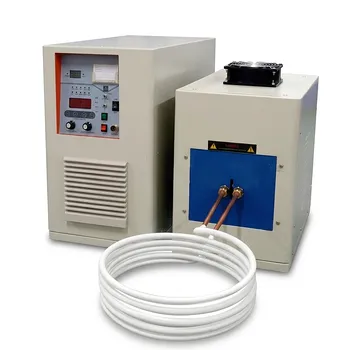
- Vacuum Induction Melting Furnaces (VIM): Ideal for precise HEA alloying under controlled Argon pressure.
- Atmosphere & Vacuum Furnaces: Ensuring zero-contaminant environments for reactive elements.
- Advanced CVD/PECVD & Rotary Kilns: Tailored for complex material synthesis.
Whether you need to maintain precise stoichiometry or suppress the evaporation of volatile elements like Manganese, THERMUNITS has the technical expertise to support your laboratory's success.
Contact our technical team today to find your ideal furnace solution!
References
- Eddy Agus Basuki, Muhamad Hananuputra Setianto. High-Temperature Oxidation Behaviour of High Entropy Alloys. DOI: 10.1051/e3sconf/202454303001
Mentioned Products
- High Pressure Induction Melting Casting System 1700C Max for Alloy Granulation and Infiltration Equipment
- High Temperature Induction Melting System with Integrated Ultra High Purity Glove Box for Metallic Alloy Processing
- High Throughput Induction Melting and Casting Furnace for Superalloy Research 1700C Atmosphere Controlled Multi Sample System
- 1900C Maximum High Temperature 7KW Vacuum Induction Melting System with 60mm Quartz Tube and Manual Temperature Control for Metallic Alloy Research
- High Temperature Induction Melting System with Multi Cavity Crucible and 15KW Precision Digital Temperature Control
People Also Ask
- What is the primary role of vacuum in VIM for HEAs? Ensuring Purity and Compositional Precision
- Why must a prepared Catalyst Coated Membrane (CCM) be processed using a Laboratory High-Pressure Hot Press? MEAs
- Why use pressure-rated equipment for H2S in thermal systems? Ensure maximum safety and prevent system failure.
- What are the technical considerations for using steel crucibles in the induction melting of Mg-Al-Ca alloys? Guide
- What is the core function of an industrial hot press in the manufacturing of composite plates from recycled carbon fiber?

Tech Team · ThermUnits
Last updated on Jun 03, 2026
Related Products
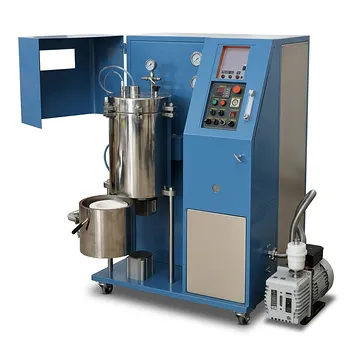
High Pressure Induction Melting Casting System 1700C Max for Alloy Granulation and Infiltration Equipment
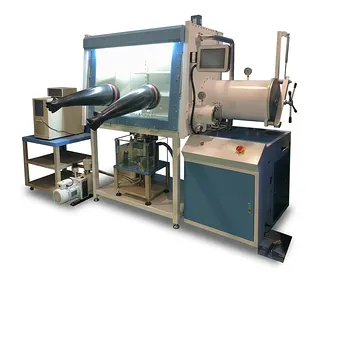
High Temperature Induction Melting System with Integrated Ultra High Purity Glove Box for Metallic Alloy Processing
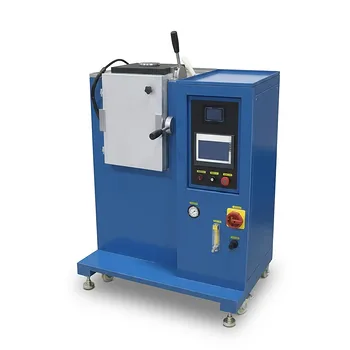
High Throughput Induction Melting and Casting Furnace for Superalloy Research 1700C Atmosphere Controlled Multi Sample System
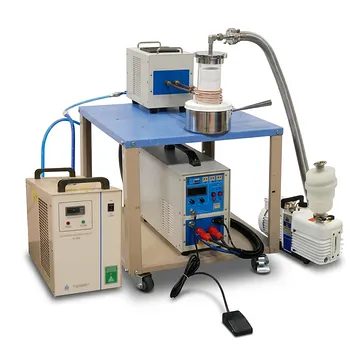
1900C Maximum High Temperature 7KW Vacuum Induction Melting System with 60mm Quartz Tube and Manual Temperature Control for Metallic Alloy Research
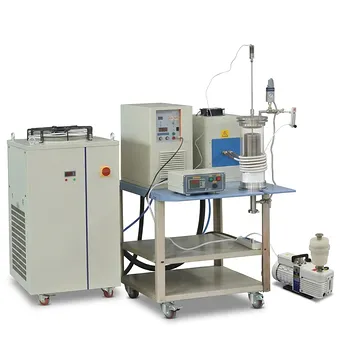
High Temperature Induction Melting System with Multi Cavity Crucible and 15KW Precision Digital Temperature Control
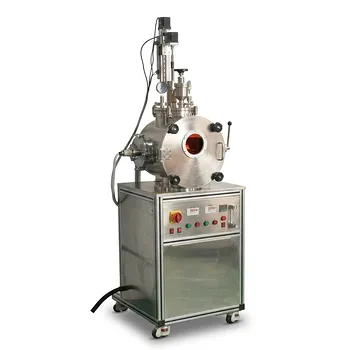
High Vacuum Melting Casting Furnace with Mechanical Stirring and Secondary Charge for Metallic Alloy Research
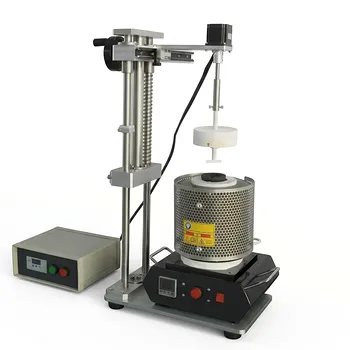
1100C Crucible Melting Furnace with Stirring Function for Glovebox and Air Sensitive Alloy Research
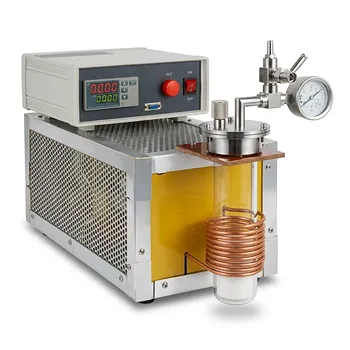
High Temperature Mini Induction Heating Furnace 1600C Laboratory Material Melting System
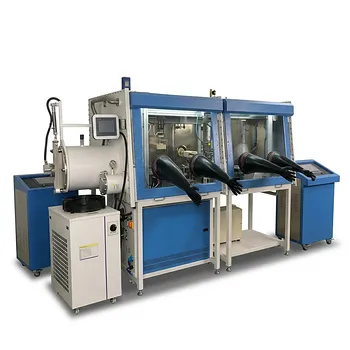
Automatic 10 Crucible Induction Melting and Casting System with Stirring Function and Glovebox Integration 2000C
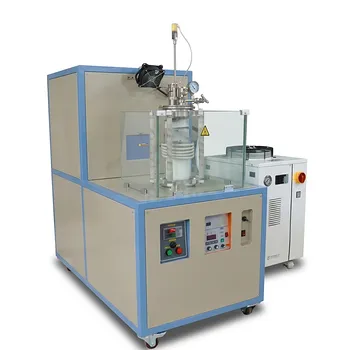
15KW Induction Melting System with Top Suction Casting for Thin Rod Production Up to 1200°C
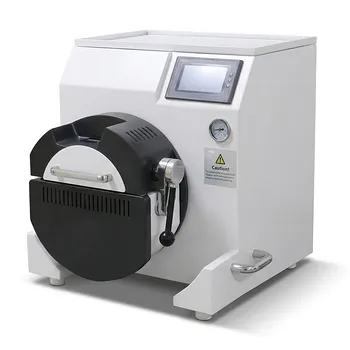
Desktop Induction Melting Furnace with Automatic Rotary Casting Function up to 1700C for Advanced Metal Alloy Research
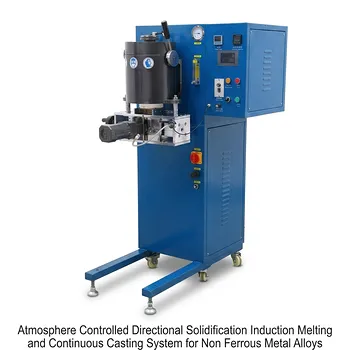
Atmosphere Controlled Directional Solidification Induction Melting and Continuous Casting System for Non Ferrous Metal Alloys
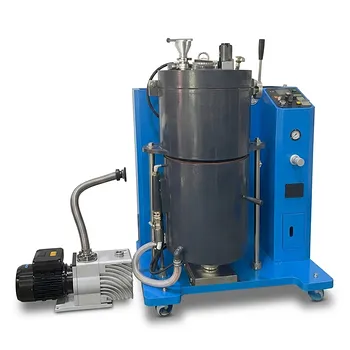
Atmosphere Controlled Induction Melting Casting System 1600C 10L Capacity
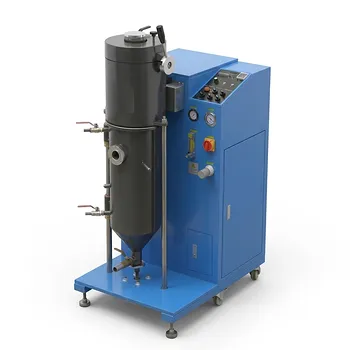
Atmosphere Controlled Induction Melting Granulating Casting Furnace 1500C 5kg Capacity
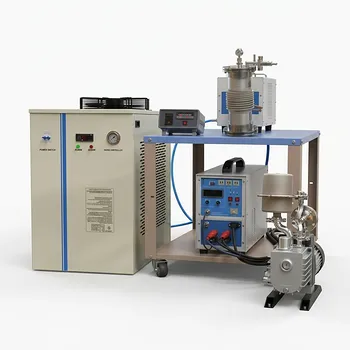
Induction Heating System with Temperature Control for High Temperature Vacuum Sintering and Melting
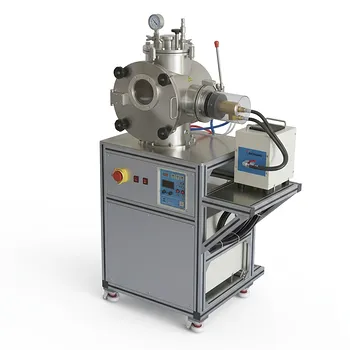
Induction Melting Casting Furnace 1750C Vacuum High Frequency Metal Processing Unit
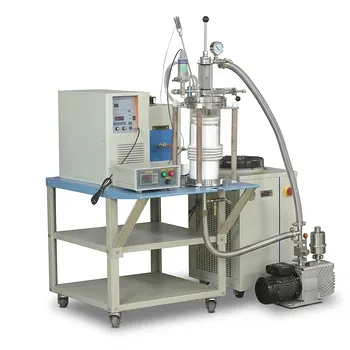
15KW 1700C Max Induction Heater 6 Inch Tube with Dose Feeding and Melt Stirring Function
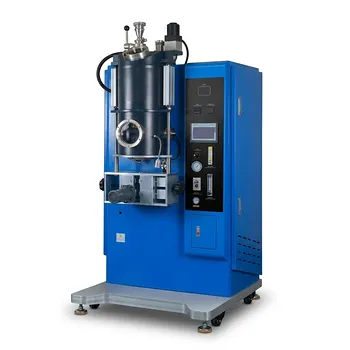
Atmosphere Controlled Continuous Casting Furnace with Secondary Charge Function for Induction Melting and Metal Alloy Wire Production
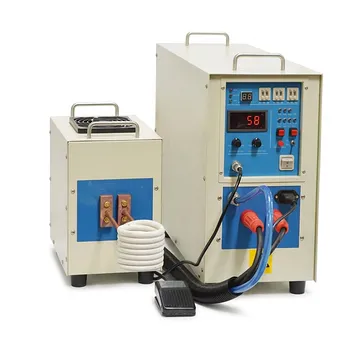
High Frequency Desktop Induction Heater 15 KVA Induction Heating System with Automatic Timer Control for Material Research and Metal Melting