What is the core function of an industrial hot press in the manufacturing of composite plates from recycled carbon fiber?
Updated 3 months ago
The industrial hot press serves as the primary engine for material consolidation during the molding of composite plates. By applying simultaneous high temperature and constant pressure, the machine forces epoxy resin to soften and fully infiltrate chopped recycled carbon fibers. This process eliminates internal air bubbles and ensures the high-density curing necessary for the final product's structural integrity.
Core Takeaway: The hot press transforms loose fibers and resin into a functional engineering material by using heat for resin flow and pressure for void elimination, directly determining the mechanical strength of the recycled composite.
The Dual Mechanism of Heat and Pressure
Facilitating Resin Infiltration
The application of high temperature is the first critical step in the molding process. This thermal energy causes the epoxy resin to reach a softened state, reducing its viscosity so it can flow freely around and through the recycled carbon fibers.
Ensuring Uniform Resin Distribution
Once the resin is softened, the hot press maintains a constant environment to ensure the resin doesn't just sit on the surface. It forces the liquid polymer into the microscopic gaps between individual chopped fibers, creating a homogenous material matrix.
Achieving High-Density Consolidation
Mechanical pressure is the force that physically packs the fibers and resin together. This consolidation is what turns a loose mixture of components into a solid, high-density plate that can withstand industrial loads.
Eliminating Structural Weaknesses
The Removal of Internal Air Bubbles
Air trapped within the composite, known as voids, acts as a point of failure under stress. The intense pressure of the hot press migrates these air bubbles out of the material before the resin hardens, significantly reducing the risk of internal delamination.
The Critical Curing Stage
The hot press doesn't just shape the material; it manages the chemical transition of the resin. By holding the material at specific temperatures, it facilitates the curing process, where the resin chemically bonds to the fibers to reach its final, rigid state.
Maximizing Mechanical Strength
The ultimate goal of using a hot press is to maximize the mechanical properties of the remanufactured material. Without the specific combination of heat and pressure, the resulting plate would be porous, brittle, and unfit for structural applications.
Common Pitfalls to Avoid
Managing Thermal Gradients
If the hot press plates provide uneven heating, different areas of the composite plate will cure at different rates. This can lead to internal stresses, warping, or "wet spots" where the resin has not fully hardened.
The Risk of Pressure Fluctuations
Inconsistent pressure during the consolidation phase can lead to variable density. A plate that is denser on one side than the other will behave unpredictably under mechanical load, undermining the reliability of the recycled material.
How to Apply This to Your Project
Optimizing Your Manufacturing Results
Success in composite pressing depends on aligning your equipment settings with your specific material requirements and performance goals.
- If your primary focus is Maximum Structural Strength: Prioritize the precision of your pressure settings to ensure the highest possible density and zero-void content.
- If your primary focus is Surface Quality and Aesthetics: Focus on the thermal ramp-up speed to ensure the resin flows smoothly and coats the exterior fibers before the curing cycle completes.
- If your primary focus is High Throughput: Optimize the cooling cycle of the press to reduce "mold-to-mold" time without inducing thermal shock in the plates.
Mastering the balance of heat and pressure is the single most important factor in transforming recycled carbon fiber into high-performance composite plates.
Summary Table:
| Process Phase | Core Mechanism | Impact on Material Quality |
|---|---|---|
| Heating | Resin Viscosity Reduction | Ensures resin flows deeply into recycled fiber gaps. |
| Pressing | Mechanical Consolidation | Eliminates air voids and achieves high-density structural integrity. |
| Curing | Controlled Thermal Cycle | Facilitates chemical bonding to reach final mechanical strength. |
| Cooling | Managed Thermal Gradient | Prevents internal stresses, warping, and material delamination. |
Master Your Material Research with THERMUNITS Precision
At THERMUNITS, we understand that high-performance composites require absolute control over thermal and mechanical variables. As a leading manufacturer of high-temperature laboratory equipment for material science and industrial R&D, we provide the tools necessary to transform recycled materials into engineering breakthroughs.
Our comprehensive range of thermal processing solutions is designed for precision and reliability:
- Advanced Hot Press Furnaces: Specifically engineered for the consolidation of high-density composites.
- Versatile Thermal Systems: Including Muffle, Vacuum, Atmosphere, Tube, and Rotary furnaces.
- Specialized R&D Equipment: CVD/PECVD systems, Vacuum Induction Melting (VIM), and Dental Furnaces.
Whether you are optimizing resin flow or managing complex curing cycles, THERMUNITS offers the expertise and equipment to enhance your laboratory's efficiency and output.
Ready to elevate your heat treatment processes? Contact our technical experts today to find the perfect solution for your R&D needs!
References
- Xuan Li, Zhigang Shen. Research on Microwave Pyrolysis Recovery and Reuse Performance of Carbon Fiber Composites. DOI: 10.3390/polym16101383
Mentioned Products
- Industrial Vacuum Hot Press Furnace Machine and High Temperature Heated Vacuum Press for Advanced Material Sintering
- Industrial High Temperature Vacuum Hot Press Furnace and Heated Vacuum Press Machine for Material Science Sintering
- High Temperature Vacuum Lamination Hot Press Furnace Machine for Semiconductor Wafer Bonding and Advanced Composite Thermal Processing
- High Pressure 600T Vacuum Induction Hot Press Furnace for Advanced Material Heat Treatment and Sintering
- 2500C High Vacuum Ultrafast Heating Pellet Press with Automated 8 Sample Loading System
People Also Ask
- Why is graphite the preferred material for dies and heating elements in Vacuum Hot Press Furnaces? High-Temp Solutions
- What types of heating systems and insulation are used in Vacuum Hot Press Furnaces? Optimize Your Thermal Processing
- What are the structural features of the furnace body and chamber in a Vacuum Hot Press Furnace? Master Material Density
- What is a Vacuum Hot Press Furnace and what are its primary industrial applications? Achieve Maximum Material Density
- What are the key technical parameters for operating a Vacuum Hot Press Furnace? Master Heat, Pressure, and Vacuum.

Tech Team · ThermUnits
Last updated on Jun 02, 2026
Related Products
Industrial Vacuum Hot Press Furnace Machine and High Temperature Heated Vacuum Press for Advanced Material Sintering
Industrial High Temperature Vacuum Hot Press Furnace and Heated Vacuum Press Machine for Material Science Sintering
High Temperature Vacuum Lamination Hot Press Furnace Machine for Semiconductor Wafer Bonding and Advanced Composite Thermal Processing
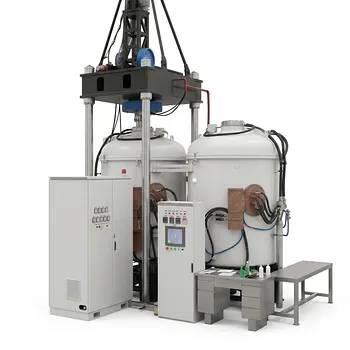
High Pressure 600T Vacuum Induction Hot Press Furnace for Advanced Material Heat Treatment and Sintering
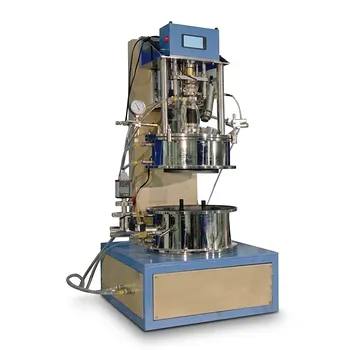
2500C High Vacuum Ultrafast Heating Pellet Press with Automated 8 Sample Loading System
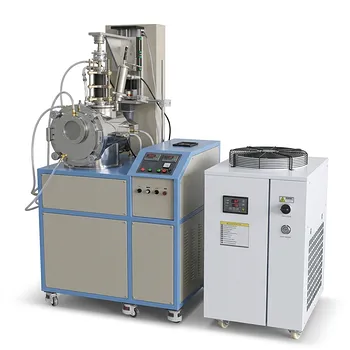
High Temperature Ultrafast Heating Pressing Furnace 2900C Max 100kgf Rapid Thermal Processing System
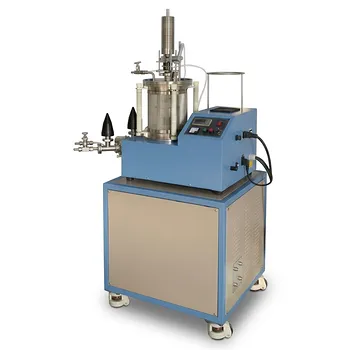
Ultrafast Thermal Pressing Furnace 2900C Max Temperature 200K per Second Heating Rate Vacuum Atmosphere Rapid Processing System
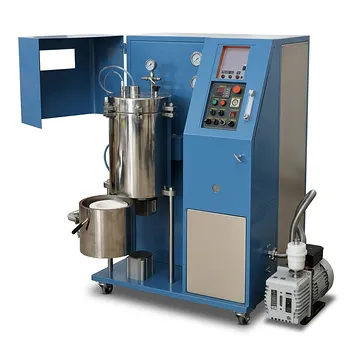
High Pressure Induction Melting Casting System 1700C Max for Alloy Granulation and Infiltration Equipment
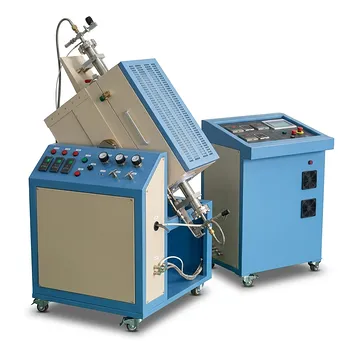
1100C High Pressure Rocking Tube Furnace with 2 Inch Super Alloy Processing Tube for Material Synthesis
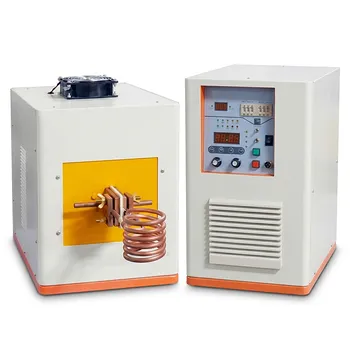
30KW High Frequency Induction Heater for Metal Melting and Industrial Heat Treatment 80-200kHz
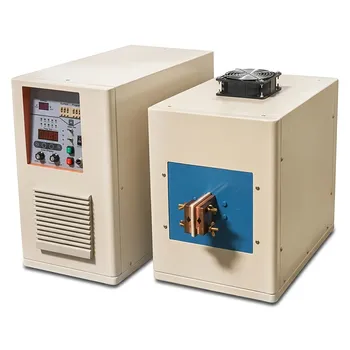
High Frequency Desktop Induction Heater 35KW 30-80 KHz with Precision Timer Control for Industrial Material Research and Metal Processing