Why use pressure-rated equipment for H2S in thermal systems? Ensure maximum safety and prevent system failure.
Updated 3 months ago
The necessity of pressure-rated equipment for hydrogen sulfide ($H_2S$) stems from its physical state during storage and transport. $H_2S$ is typically handled as a high-pressure liquefied gas, meaning the hardware must be capable of containing the intense force exerted by its internal vapor pressure. Using mismatched components leads to structural failure, resulting in gas leaks or physical bursting that endangers both personnel and the facility.
Pressure-rated equipment is mandatory because it provides the structural integrity required to contain $H_2S$ in its high-pressure liquefied state. Without properly rated components, the system faces an imminent risk of mechanical rupture and the uncontrolled release of a highly hazardous gas.
The Mechanical Realities of Liquefied Gas
$H_2S$ is stored under significant pressure to keep it in a liquid state, which maximizes storage density. This internal energy exerts constant force on every internal surface of the containment system.
Containment of Vapor Pressure
Pressure-rated cylinders and piping are engineered to exceed the vapor pressure of the gas at specific temperature ranges. This ensures that the vessel remains a closed system, preventing the gas from forcing its way through seals or weak points.
The Role of Pressure Reducing Valves
Thermal processing often requires gas at lower pressures than what is stored in the cylinder. Pressure reducing valves act as the essential bridge, safely stepping down the high storage pressure to a manageable level for downstream application.
Integrated System Integrity
The entire hardware chain—from the cylinder to the final injection point—must have matching pressure ratings. A single under-rated component, such as a low-pressure fitting in a high-pressure line, creates a critical point of failure for the entire system.
Risks of Equipment Mismatch
When equipment cannot withstand the internal pressure of $H_2S$, the failure is rarely minor; it is typically catastrophic and immediate.
Preventing Physical Rupture
If the internal pressure exceeds the mechanical strength of the hardware, the equipment can suffer from physical bursting. This sudden release of energy can turn metal fragments into projectiles and cause massive structural damage.
Maintaining Gas-Tight Seals
High pressure can compromise gaskets and joints that are not specifically rated for such environments. Even a minor seal failure can lead to a gas leak, which is particularly dangerous given that $H_2S$ is both toxic and flammable.
Environmental and Personnel Hazards
The primary goal of pressure rating is to ensure the gas remains where it belongs: inside the pipes. Any loss of containment in a thermal processing environment can lead to immediate respiratory hazards or explosive atmospheres.
Understanding the Trade-offs
While high-rated equipment is necessary, it introduces specific engineering considerations that must be balanced.
Material Fatigue and Stress
Higher pressure ratings often require thicker-walled materials or specialized alloys. These materials can be more susceptible to stress corrosion cracking if not properly matched to the chemical properties of $H_2S$.
Cost vs. Risk Mitigation
Pressure-rated components represent a higher initial investment compared to standard hardware. However, the "cost" of using unrated equipment includes the potential for total facility loss, legal liabilities, and loss of life.
Complexity of Installation
Systems rated for high pressure require more rigorous installation standards and frequent inspections. This increases the operational overhead but is the only way to ensure long-term system reliability.
Applying Standards to Your Thermal System
Selecting the right equipment depends on your specific operational parameters and safety requirements.
- If your primary focus is Maximum Safety: Always select hardware with a pressure rating that exceeds your maximum possible operating pressure by a significant safety margin (typically 1.5x or higher).
- If your primary focus is System Longevity: Ensure that all pressure-rated components are also chemically compatible with $H_2S$ to prevent hydrogen embrittlement or corrosion over time.
- If your primary focus is Regulatory Compliance: Verify that every valve, cylinder, and pipe segment carries a certified pressure rating stamp from an accredited engineering body.
Properly rated equipment is the foundation of a safe, functional, and reliable hydrogen sulfide processing environment.
Summary Table:
| Feature | Importance for H2S Handling | Key Benefit |
|---|---|---|
| Vapor Pressure Containment | Contains gas in its high-pressure liquefied state | Prevents hardware bursting and gas release |
| Pressure Reducing Valves | Safely steps down high storage pressure | Protects downstream components from damage |
| Integrated Integrity | Matching ratings across all fittings and lines | Eliminates weak points and catastrophic leaks |
| Material Compatibility | Thicker walls and H2S-resistant alloys | Prevents stress corrosion and embrittlement |
Secure Your Thermal Processing Safety with THERMUNITS
Handling hazardous gases like Hydrogen Sulfide requires precision-engineered equipment that never compromises on safety. THERMUNITS is a leading manufacturer of high-temperature laboratory equipment for material science and industrial R&D. We offer a comprehensive range of thermal processing solutions tailored to your specific needs, including:
- High-Performance Furnaces: Muffle, Vacuum, Atmosphere, Tube, Rotary, and Hot Press furnaces.
- Advanced Systems: CVD/PECVD systems, Dental Furnaces, and Electric Rotary Kilns.
- Specialized Equipment: Vacuum Induction Melting (VIM) furnaces and high-quality Thermal Elements.
Our equipment is designed to meet the rigorous demands of laboratory heat treatment, ensuring both system longevity and personnel safety. Whether you are upgrading an existing lab or designing a new R&D facility, our experts are here to provide the reliable, pressure-rated solutions your research deserves.
Ready to enhance your lab's safety and efficiency?
Contact our experts today to find the perfect thermal processing solution for your application.
References
- Hao Yuan, Yuxin Song. Growth of CdS heterojunctions on Cd0.9Zn0.1Te single crystals with H2S. DOI: 10.1116/6.0003265
Mentioned Products
- Ultrafast Thermal Pressing Furnace 2900C Max Temperature 200K per Second Heating Rate Vacuum Atmosphere Rapid Processing System
- High Temperature Ultrafast Heating Pressing Furnace 2900C Max 100kgf Rapid Thermal Processing System
- Rapid Thermal Processing Furnace 1100C Atmosphere Controlled Bottom Loading RTP System for Wafer Annealing and Catalysis Research
- Compact Atmosphere Controlled Rapid Thermal Processing RTP Furnace with 4 Inch ID Quartz Tube 1100C
- Rapid Thermal Processing RTP Atmosphere Controlled Bottom Loading Furnace 1100C High Throughput 50C per Second Heating Rate
People Also Ask
- What are the unique advantages of using an ultrafast high-temperature furnace (UFTF) for modified graphite?
- What role does a SiC-coated graphite susceptor play in H2Se selenization? Boost RTP Thermal Uniformity & Film Purity.
- What is the necessity of using a high-temperature hot press furnace for the preparation of dense non-oxide ceramics?
- What types of heating systems and insulation are used in Vacuum Hot Press Furnaces? Optimize Your Thermal Processing
- What microstructural mechanisms lead to material densification in a Vacuum Hot Press Furnace? Master Material Sintering

Tech Team · ThermUnits
Last updated on Jun 02, 2026
Related Products
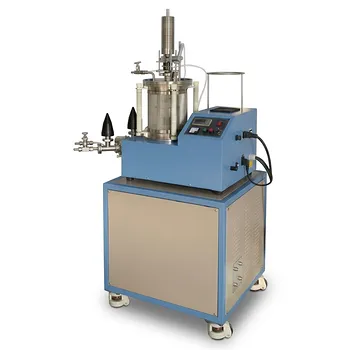
Ultrafast Thermal Pressing Furnace 2900C Max Temperature 200K per Second Heating Rate Vacuum Atmosphere Rapid Processing System
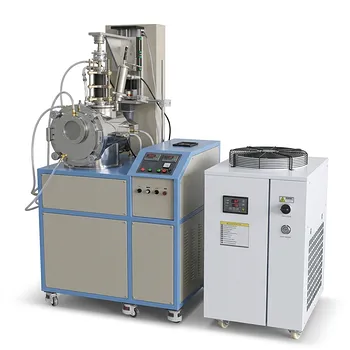
High Temperature Ultrafast Heating Pressing Furnace 2900C Max 100kgf Rapid Thermal Processing System
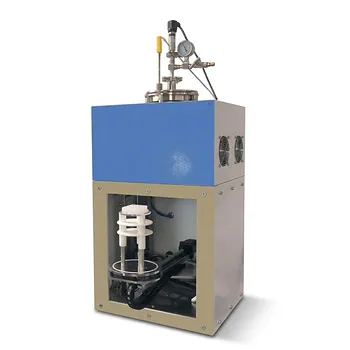
Rapid Thermal Processing Furnace 1100C Atmosphere Controlled Bottom Loading RTP System for Wafer Annealing and Catalysis Research
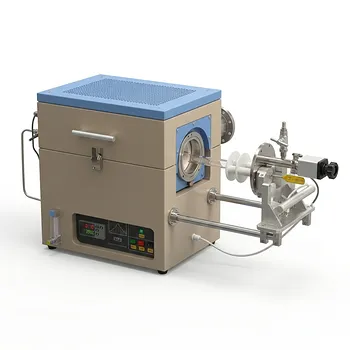
Compact Atmosphere Controlled Rapid Thermal Processing RTP Furnace with 4 Inch ID Quartz Tube 1100C
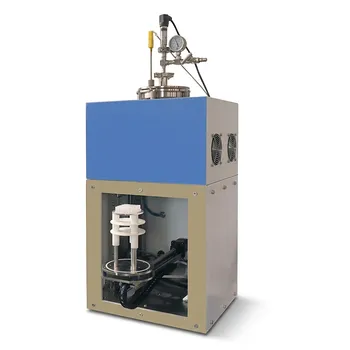
Rapid Thermal Processing RTP Atmosphere Controlled Bottom Loading Furnace 1100C High Throughput 50C per Second Heating Rate
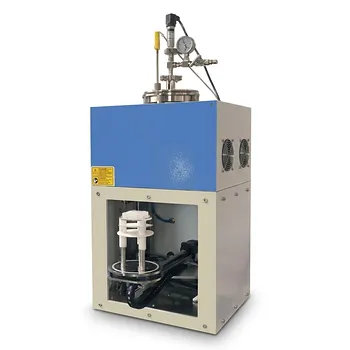
Rapid Thermal Processing Atmosphere Controlled Bottom Loading Furnace 1100C with 50C Per Second Heating Rate for Wafer Annealing
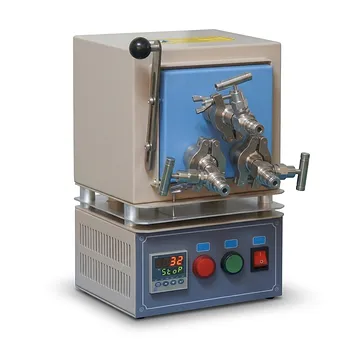
Triple Tube Compact Hybrid Muffle Furnace 1000C High Vacuum Thermal Processing System

High Temperature 1500C Benchtop Muffle Furnace 3.6L Alumina Fiber Chamber Programmable Controller Sintering Annealing Carbonization Thermal Processing System
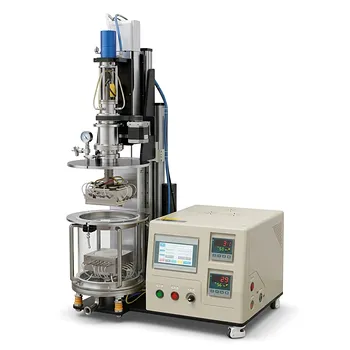
High Temperature 800C Rapid Thermal Processing Furnace with Rotating Sample Holder for Close Spaced Sublimation and Thin Film Solar Cell Research
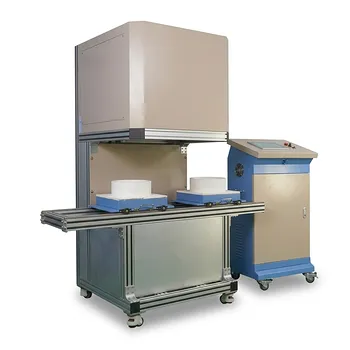
High Temperature Bottom Loading Vertical Furnace 1700C Dual Stage Sample Processing System 18L Large Capacity Thermal Treatment Equipment
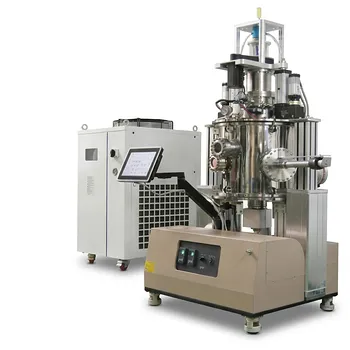
950C Rapid Thermal Processing Furnace for 12 Inch Wafer CSS Coating with Rotating Substrate Holder

High Temperature Tube Furnace 1500C with Sliding Flanges and 50mm OD for Rapid Thermal Processing Fast Heating and Cooling
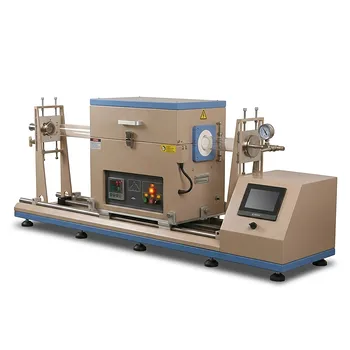
1200C Sliding Tube Furnace for Rapid Thermal Processing and CVD Graphene Growth with 100mm OD Capacity
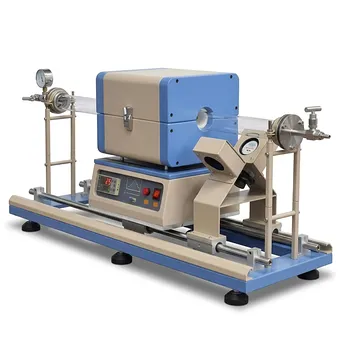
Automated Sliding Tube Furnace for Fast Heating and Cooling 2 Inch OD 1100C Max
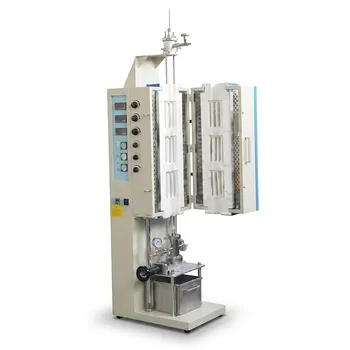
High Temperature Dual Zone Tube Furnace for Material Science Research and Professional Thermal Processing
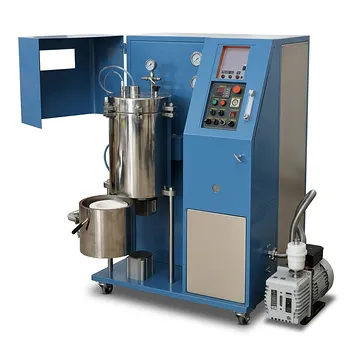
High Pressure Induction Melting Casting System 1700C Max for Alloy Granulation and Infiltration Equipment
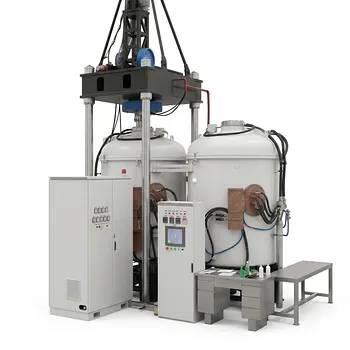
High Pressure 600T Vacuum Induction Hot Press Furnace for Advanced Material Heat Treatment and Sintering
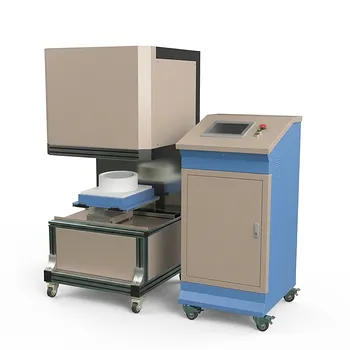
High Temperature Bottom Loading Box Furnace for Rapid Thermal Processing 1700C 40L Capacity
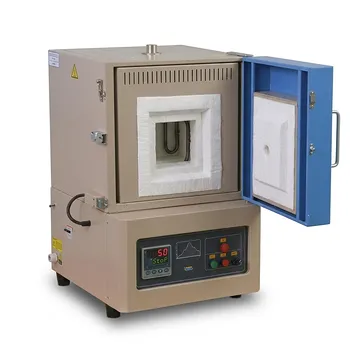
1800°C Bench Top Ultra High Temperature Muffle Furnace with Sapphire Observation Window and Top Feeding Port for Materials Research and Thermal Processing