Why must a prepared Catalyst Coated Membrane (CCM) be processed using a Laboratory High-Pressure Hot Press? MEAs
Updated 3 months ago
The processing of a Catalyst Coated Membrane (CCM) via a Laboratory High-Pressure Hot Press is essential to achieve a molecular-level bond between the catalyst layer and the proton exchange membrane. By applying synchronized heat (typically 130°C–140°C) and pressure, the process softens the ionomers—such as Nafion—within the catalyst layer, forcing them to interpenetrate the membrane surface. This creates a low-resistance interface that is physically inseparable and optimized for efficient proton transport.
The hot press transforms a loose mechanical contact into a robust electrochemical interface by fusing the catalyst layer's ionomer matrix to the membrane. This synchronization is critical to minimizing internal resistance and preventing structural failure during electrochemical reactions.
The Physics of Interfacial Bonding
Softening the Ionomer Matrix
The catalyst layer contains ionomers that act as a "glue" and a proton conductor. At specific temperatures, such as 140 °C, these ionomers soften, transitioning from a rigid state to a more pliable one.
Achieving Molecular Interpenetration
Simultaneous high pressure (e.g., 50 kg/cm²) forces the softened ionomer to flow into the microscopic pores of the membrane. This creates a molecular-level connection that ensures the two distinct layers behave as a single, integrated unit.
Enhancing Electrochemical Performance
Minimizing Ohmic and Contact Resistance
Without hot pressing, air gaps and poor contact points exist between the catalyst and the membrane. The pressing process eliminates these gaps, significantly reducing contact resistance and allowing for a higher efficiency electrochemical output.
Establishing Proton Transport Channels
Efficient water electrolysis or fuel cell operation requires a clear path for protons to move. The thermal pressing process ensures that proton transport channels are continuous across the interface, maximizing the active area of the catalyst.
Structural Integrity and Durability
Preventing Interlayer Delamination
During long-term operation, the mechanical stresses of hydration and dehydration can cause layers to peel apart. The bond created by a hot press is strong enough to prevent interlayer delamination, ensuring the longevity of the Membrane Electrode Assembly (MEA).
Ensuring Uniformity Across the Surface
A laboratory-grade hot press provides synchronized temperature and pressure across the entire surface area. This uniformity prevents "hot spots" in the final cell, which are common causes of premature membrane failure.
Understanding the Trade-offs
The Risk of Membrane Thinning
Applying excessive pressure or heat can lead to the mechanical thinning of the proton exchange membrane. This reduces the dielectric strength of the membrane and may increase gas crossover, which lowers the safety and efficiency of the cell.
Thermal Degradation of Components
If the temperature exceeds the thermal stability limits of the ionomer or the membrane, the material can degrade. Precise control is required to reach the softening point without reaching the decomposition point of the polymers.
How to Apply This to Your Project
Optimizing the Hot Press Process
The specific parameters of your hot press cycle should be tailored to the thickness of your membrane and the composition of your catalyst ink.
- If your primary focus is Maximum Efficiency: Prioritize a precise temperature match to the ionomer's glass transition point to ensure the lowest possible contact resistance.
- If your primary focus is Long-term Durability: Focus on the cooling phase of the press cycle to ensure the bond sets properly without inducing internal mechanical stress.
- If your primary focus is Research Consistency: Use a laboratory-grade press with digital synchronization to ensure every CCM produced has an identical interfacial structure.
A correctly executed hot press cycle is the definitive step in turning raw materials into a high-performance electrochemical engine.
Summary Table:
| Parameter/Feature | Function in CCM Processing | Typical Impact/Value |
|---|---|---|
| Temperature | Softens ionomers (Nafion) for layer fusion | 130°C – 140°C |
| High Pressure | Forces molecular interpenetration | ~50 kg/cm² |
| Interfacial Bond | Converts mechanical contact to electrochemical bond | Physical integration |
| Resistance | Minimizes Ohmic and contact gaps | Increased efficiency |
| Durability | Prevents delamination and structural failure | Enhanced longevity |
Elevate Your Material Research with THERMUNITS
As a leading manufacturer of high-temperature laboratory equipment, THERMUNITS provides the precision tools essential for advanced material science and industrial R&D. Our Laboratory Hot Press furnaces are engineered to deliver the exact synchronized heat and pressure required for high-performance CCM and MEA fabrication.
From Muffle, Vacuum, and Atmosphere furnaces to specialized CVD/PECVD systems, Rotary Kilns, and Vacuum Induction Melting (VIM) furnaces, our thermal solutions empower researchers to achieve consistent, world-class results.
Ready to optimize your heat treatment process? Contact our expert engineers today to discuss how our laboratory equipment can accelerate your innovation!
References
- Peng Huang, Jie Zhang. Preparation of Ir/TiO<sub>2</sub> Composite Oxygen Evolution Catalyst and Load Analysis as Anode Catalyst Layer of Proton Exchange Membrane Water Electrolyzer. DOI: 10.1021/acsomega.4c02299
Mentioned Products
- High Pressure 600T Vacuum Induction Hot Press Furnace for Advanced Material Heat Treatment and Sintering
- Industrial High Temperature Vacuum Hot Press Furnace and Heated Vacuum Press Machine for Material Science Sintering
- Industrial Vacuum Hot Press Furnace Machine and High Temperature Heated Vacuum Press for Advanced Material Sintering
- High Temperature Vacuum Lamination Hot Press Furnace Machine for Semiconductor Wafer Bonding and Advanced Composite Thermal Processing
- 2500C High Vacuum Ultrafast Heating Pellet Press with Automated 8 Sample Loading System
People Also Ask
- What is a Vacuum Hot Press Furnace and what are its primary industrial applications? Achieve Maximum Material Density
- What are the structural features of the furnace body and chamber in a Vacuum Hot Press Furnace? Master Material Density
- What types of heating systems and insulation are used in Vacuum Hot Press Furnaces? Optimize Your Thermal Processing
- Why is graphite the preferred material for dies and heating elements in Vacuum Hot Press Furnaces? High-Temp Solutions
- What are the primary operational components and mechanisms of a vacuum hot press furnace? A Technical Breakdown

Tech Team · ThermUnits
Last updated on Jun 03, 2026
Related Products
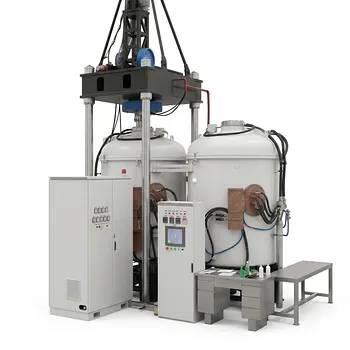
High Pressure 600T Vacuum Induction Hot Press Furnace for Advanced Material Heat Treatment and Sintering
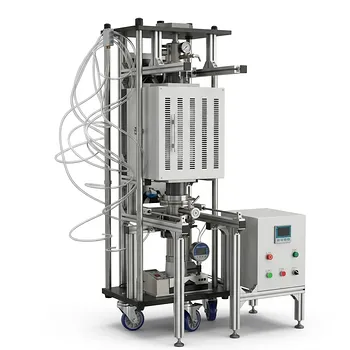
Industrial High Temperature Vacuum Hot Press Furnace and Heated Vacuum Press Machine for Material Science Sintering
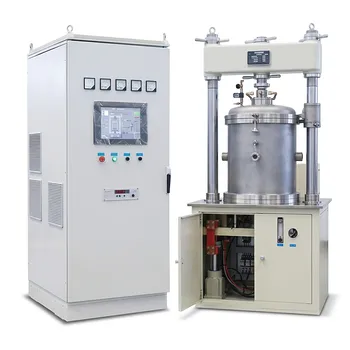
Industrial Vacuum Hot Press Furnace Machine and High Temperature Heated Vacuum Press for Advanced Material Sintering
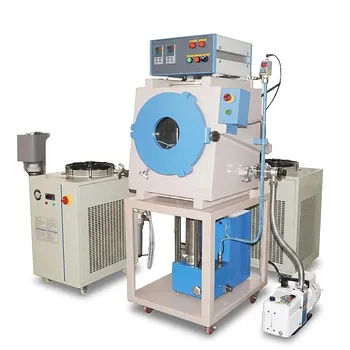
High Temperature Vacuum Lamination Hot Press Furnace Machine for Semiconductor Wafer Bonding and Advanced Composite Thermal Processing
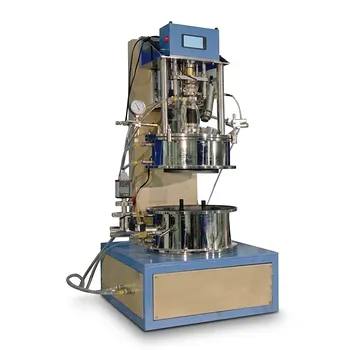
2500C High Vacuum Ultrafast Heating Pellet Press with Automated 8 Sample Loading System
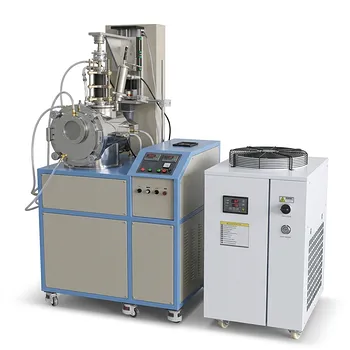
High Temperature Ultrafast Heating Pressing Furnace 2900C Max 100kgf Rapid Thermal Processing System
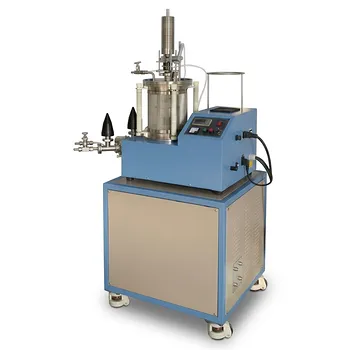
Ultrafast Thermal Pressing Furnace 2900C Max Temperature 200K per Second Heating Rate Vacuum Atmosphere Rapid Processing System
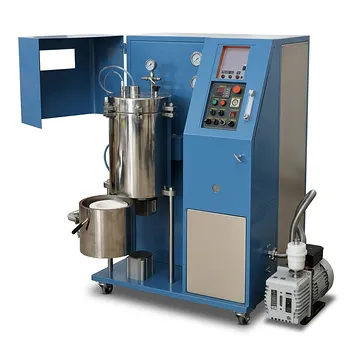
High Pressure Induction Melting Casting System 1700C Max for Alloy Granulation and Infiltration Equipment
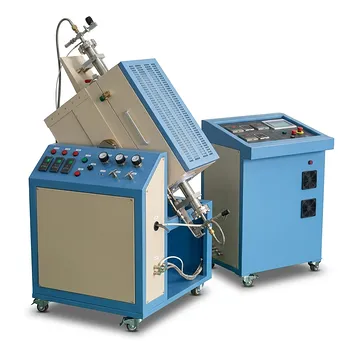
1100C High Pressure Rocking Tube Furnace with 2 Inch Super Alloy Processing Tube for Material Synthesis
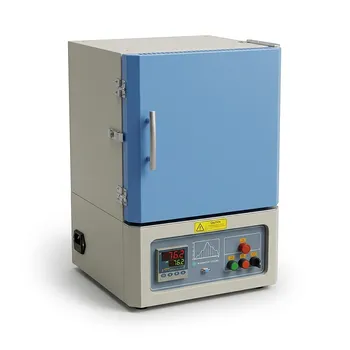
1750C Bench Top Muffle Furnace 3.6L High Grade Molybdenum Disilicide Heating Elements Laboratory Heat Treatment Equipment
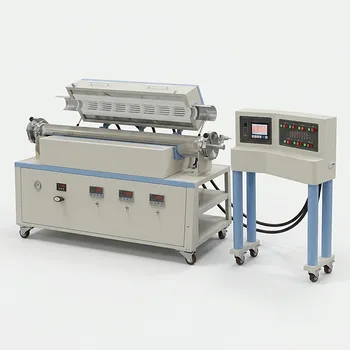
1100C Eight Zone High Pressure Super Alloy Tube Furnace with Integrated High Pressure Gas Control System
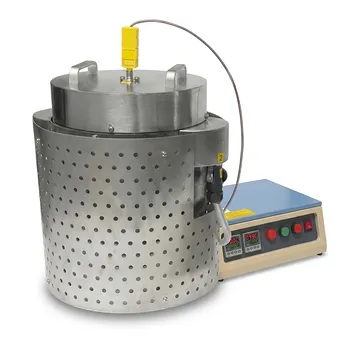
Vertical Crucible Furnace 1000C High Temperature Laboratory Equipment 4.7 Inch Diameter Chamber SS316 Anti Corrosive Enclosure
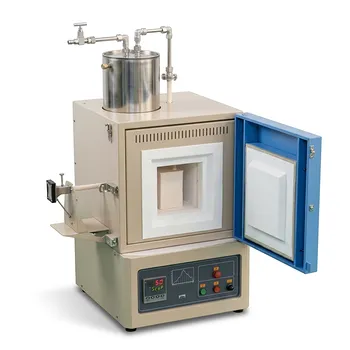
High Temperature Bench Top Muffle Furnace 1700C with Integrated Evaporating Particle Collection and 8x8x8 Alumina Fiber Chamber
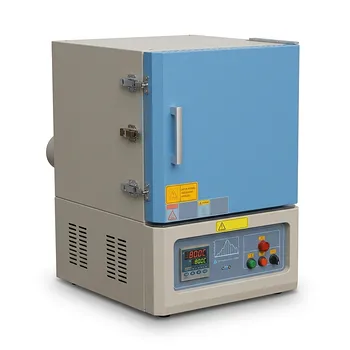
1800C Bench Top Muffle Furnace 18 Liters with Kanthal Super 1900 Heating Elements for High Purity Ceramic Sintering and Material Research
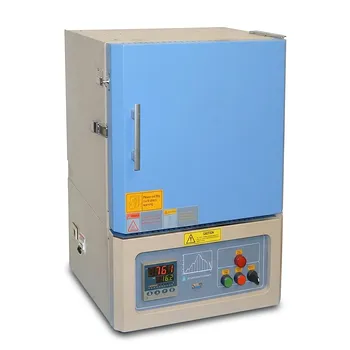
High Temperature 1700C Bench Top Muffle Furnace with Alumina Fiber Insulation and 3.6L Chamber Capacity for Precision Sintering and Heat Treatment
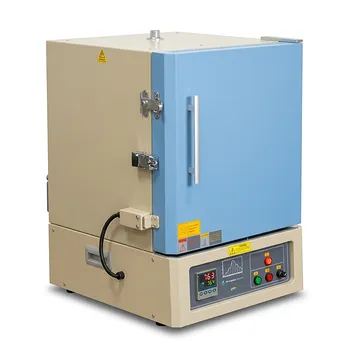
Large Capacity 1200C Muffle Furnace 64 Liter Chamber with Digital PID Controller and Built In Venting Port
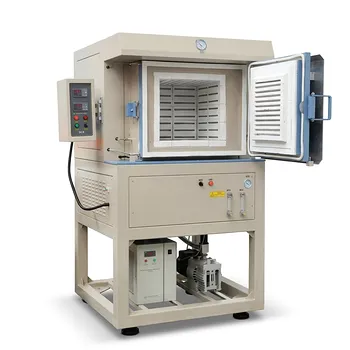
1200°C Five Side Heating Atmosphere Controlled Muffle Furnace 64 Liter High Uniformity Box Furnace for Material Synthesis
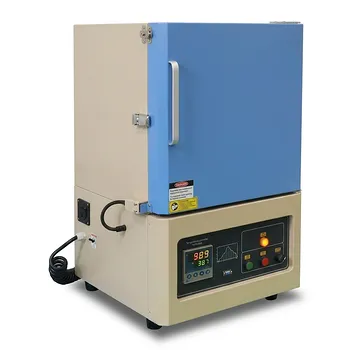
1200°C High Temperature Muffle Furnace 19L Chamber with 50 Segment Programmable Controller
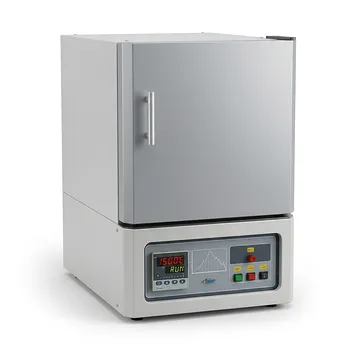
High Temperature 1500C Benchtop Muffle Furnace 3.6L Alumina Fiber Chamber Programmable Controller Sintering Annealing Carbonization Thermal Processing System