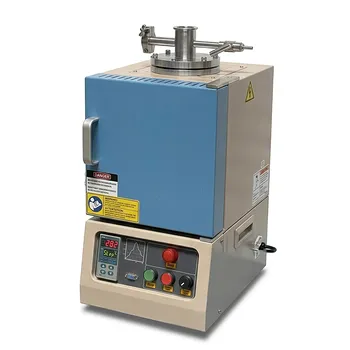
Why must a laboratory muffle furnace maintain extremely low heating rates during silica glass green body debinding?
Updated 5 months ago
Maintaining extremely low heating rates, often as slow as 0.4°C/min to 0.5°C/min, is critical for the survival of silica glass green bodies during heat treatment. This precision allows organic binders to decompose into oxide structures and volatile gases to escape at a controlled, uniform pace. Without this slow ramp-up, internal pressure from rapid gas evolution and steep thermal gradients would inevitably cause micro-cracks, deformation, or total structural failure.
Core Takeaway: Low heating rates are a technical necessity to synchronize the rate of organic decomposition with the material's ability to vent volatile gases, thereby preventing internal stress and ensuring the structural integrity of the silica framework.
The Mechanics of Organic Phase Decomposition
Controlled Conversion of Polymers
During the debinding stage, the organic phase—consisting of monomers and polymers used as binders—must be converted into oxide structures. A laboratory muffle furnace uses precise programmed temperature control to ensure this chemical transition happens gradually rather than violently.
Uniform Discharge of Volatile Gases
As organic components decompose, they release volatile gases that must migrate through the pores of the green body to the surface. Slow heating ensures these gases are discharged uniformly, preventing the buildup of internal pressure that leads to bubbling or "bloating" of the glass.
Evolution of the Glass Network
A slow heating rate, such as 1°C/min, provides sufficient time for the stable evolution of the glass network structure. This gradual transition is essential for maintaining high optical transparency and ensuring the final component meets rigorous aesthetic and functional standards.
Managing Internal Stress and Thermal Gradients
Eliminating Temperature Differentials
One of the primary roles of a muffle furnace is to provide excellent temperature field uniformity within the chamber. By heating slowly, the furnace minimizes the temperature gradient between the interior and the exterior of the bulk material.
Preventing Stress Concentration
When the surface of a green body heats significantly faster than the core, thermal stress accumulates at the interface. Controlled heating rates prevent this stress concentration, which is the leading cause of micro-cracks and fractures in complex-shaped glass parts.
Preservation of Nanoporous Structures
In materials like MCM-41 or silica xerogels, rapid heating can cause the delicate mesoporous framework to collapse. Maintaining a slow ramp ensures the formation of a uniform nanoporous structure, which is vital for the material’s thermal stability and mechanical strength.
Understanding the Trade-offs
Precision vs. Processing Time
The primary trade-off in maintaining extremely low heating rates is the significant increase in total processing time. While a rate of 0.5°C/min ensures high-quality results, it can extend a single debinding cycle to several days, which may limit production throughput.
Energy Consumption and Equipment Wear
Extended heating cycles at high precision increase the total energy consumption per part. Furthermore, holding a muffle furnace at precise, low-ramp increments for long durations requires high-quality heating elements and control systems to prevent "overshooting" the target temperature.
Risk of Incomplete Debinding
If the heating rate is too slow in the wrong temperature window, it may lead to incomplete decomposition of certain resins. Conversely, if the rate is slightly too high during the peak decomposition phase, the structural integrity of the silica framework is immediately compromised.
How to Apply This to Your Project
Recommendations for Process Optimization
The following guidelines should help you determine the optimal heating strategy based on your specific material requirements:
- If your primary focus is complex geometries or high-precision parts: Utilize the lowest recommended heating rates (0.4°C/min to 0.5°C/min) to ensure zero deformation across intricate features.
- If your primary focus is optical transparency and clarity: Prioritize a slow 1°C/min ramp to allow all gases from the xerogel to escape completely, preventing trapped micro-bubbles.
- If your primary focus is structural zeolites or catalyst supports: Maintain a steady 2°C/min to 5°C/min rate to prevent the collapse of the internal framework while managing the removal of structure-directing agents.
- If your primary focus is surface preparation for analysis: Use a steady drying phase at 110°C to remove moisture without altering the chemical composition of fluid inclusions.
By mastering the balance between thermal energy and chemical decomposition, you ensure that even the most delicate silica structures emerge from the furnace with their integrity and functionality intact.
Summary Table:
| Key Factor | Impact of Low Heating Rate | Benefit for Silica Glass |
|---|---|---|
| Gas Evolution | Synchronized release of volatiles | Prevents internal pressure & bloating |
| Thermal Gradient | Minimal interior/exterior difference | Eliminates micro-cracks & deformation |
| Binder Removal | Controlled organic decomposition | Ensures high optical transparency |
| Pore Stability | Preservation of nanoporous framework | Maintains thermal & mechanical strength |
Achieve Precision in Your Material R&D with THERMUNITS
Success in silica glass processing depends on the precision of your thermal equipment. THERMUNITS is a leading manufacturer of high-temperature laboratory equipment specifically designed for the rigorous demands of material science.
Our comprehensive range includes:
- Precision Furnaces: Muffle, Vacuum, Atmosphere, Tube, and Rotary furnaces.
- Specialized Systems: CVD/PECVD systems, Dental Furnaces, and Vacuum Induction Melting (VIM) furnaces.
- Advanced Components: High-quality thermal elements and electric rotary kilns.
Whether you are performing delicate debinding or high-temperature calcination, our equipment ensures the temperature uniformity and programmed control necessary for flawless results.
Ready to upgrade your lab's capabilities? Contact THERMUNITS today to find the perfect thermal processing solution for your project!
References
- Lorenzo Barbera, André R. Studart. Multimaterial Volumetric Printing of Silica‐Based Glasses. DOI: 10.1002/admt.202202117
Mentioned Products
- High Temperature Muffle Furnace with Alloy Chamber for Debinding and Sintering Applications
- 1750C Compact Muffle Furnace 1.7L Ultra High Temperature Laboratory Sintering System for Advanced Ceramics and Material Science Research
- 1200C High Temperature 125L Muffle Furnace 5 Side Heating for Large Batch Sintering with Optional Alloy Debinding Chamber
- 1200C Muffle Furnace 12x8x5 7.2L Heating Chamber with Quartz Observation Window and Vent Port
- 1200C High Temperature Muffle Furnace with Motorized Door and Automated PC Control for Industrial Sintering and Material Processing 27 Liter
People Also Ask
- What role does a high-temperature muffle furnace play in evaluating the mineral composition of rock samples? LOI & XRF Guide
- What role does a high-temperature muffle furnace play in the synthesis of Melem precursors? Precision Polymerization.
- What is the purpose of using muffle or tube furnaces in glass synthesis? Achieve Precise Melt-Quenching & Homogeneity
- Why is annealing in a high-temperature muffle furnace necessary for SiO2/Si substrate pretreatment before monolayer WS2 synthesis?
- What is the role of a high-temperature muffle furnace in the synthesis of graphitic carbon nitride (g-C3N4)? - Guide

Tech Team · ThermUnits
Last updated on Apr 14, 2026
Related Products
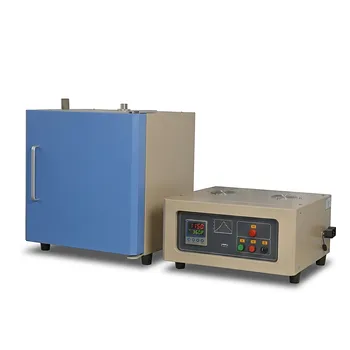
High Temperature Muffle Furnace with Alloy Chamber for Debinding and Sintering Applications
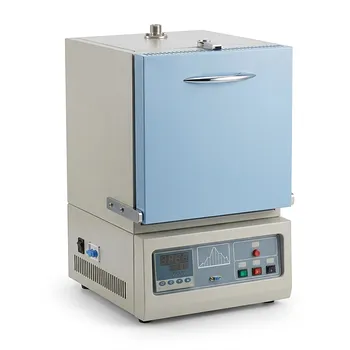
1750C Compact Muffle Furnace 1.7L Ultra High Temperature Laboratory Sintering System for Advanced Ceramics and Material Science Research
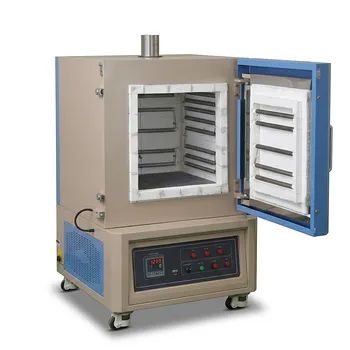
1200C High Temperature 125L Muffle Furnace 5 Side Heating for Large Batch Sintering with Optional Alloy Debinding Chamber
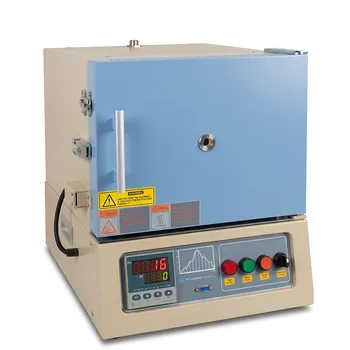
1200C Muffle Furnace 12x8x5 7.2L Heating Chamber with Quartz Observation Window and Vent Port
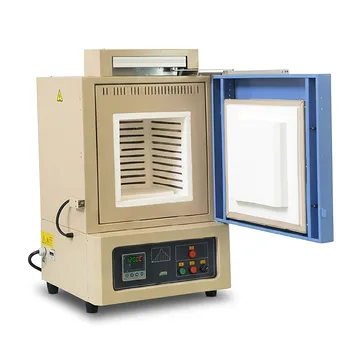
1200C High Temperature Muffle Furnace with Motorized Door and Automated PC Control for Industrial Sintering and Material Processing 27 Liter
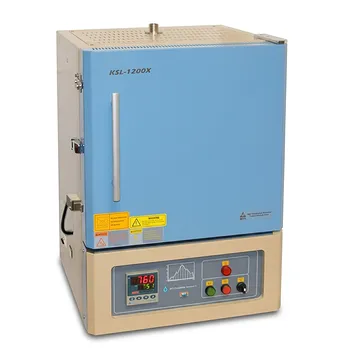
High Temperature 1200C Muffle Furnace 27L Volume 12x12x12 Chamber with Programmable PID Controller for Laboratory Material Science
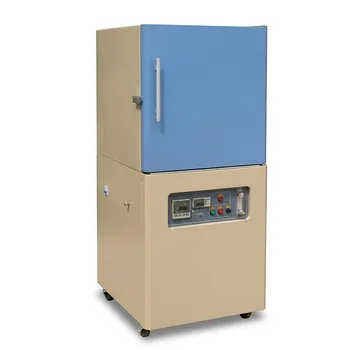
High Temperature Muffle Furnace with Dual Controllers and 36L Large Chamber 1700C Max
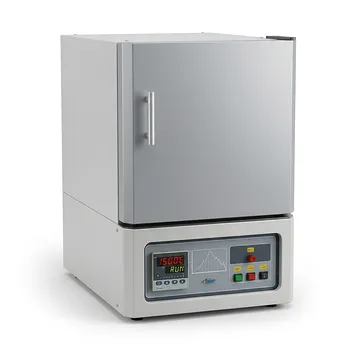
High Temperature 1500C Benchtop Muffle Furnace 3.6L Alumina Fiber Chamber Programmable Controller Sintering Annealing Carbonization Thermal Processing System
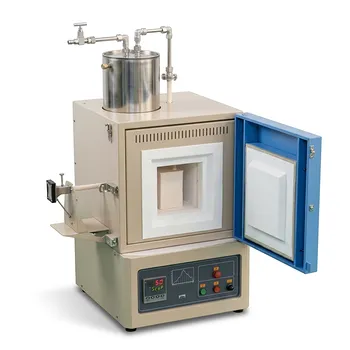
High Temperature Bench Top Muffle Furnace 1700C with Integrated Evaporating Particle Collection and 8x8x8 Alumina Fiber Chamber
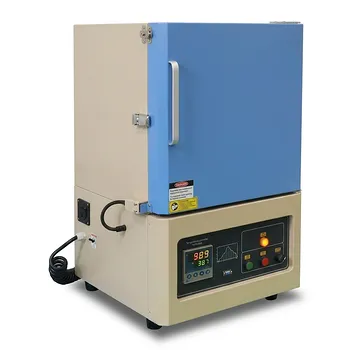
1200°C High Temperature Muffle Furnace 19L Chamber with 50 Segment Programmable Controller
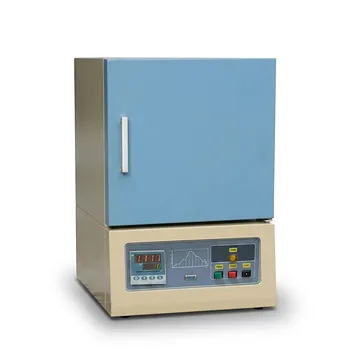
Ultra High Temperature Bench Top Muffle Furnace 1750C Sintering System with Kanthal Super Heating Elements and Precision Digital Control
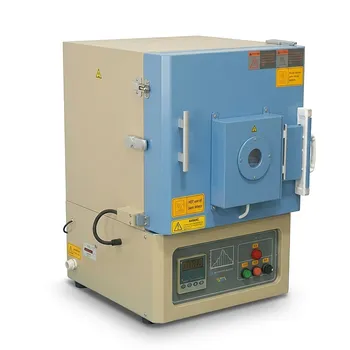
High Temperature Benchtop Muffle Furnace 1500C with 3.6L Chamber and Quartz Observation Window
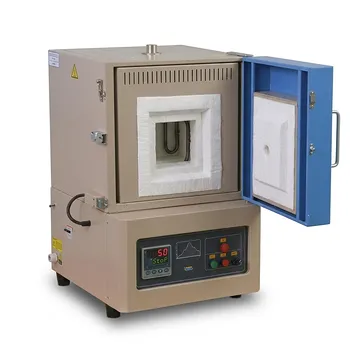
1800°C Bench Top Ultra High Temperature Muffle Furnace with Sapphire Observation Window and Top Feeding Port for Materials Research and Thermal Processing
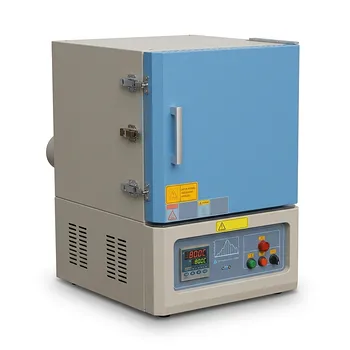
1800C Bench Top Muffle Furnace 18 Liters with Kanthal Super 1900 Heating Elements for High Purity Ceramic Sintering and Material Research
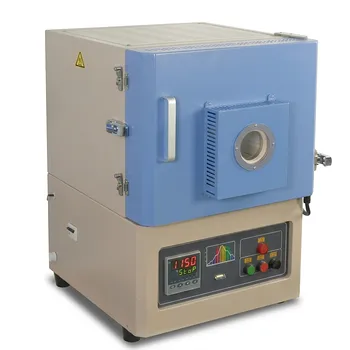
High Temperature Benchtop Muffle Furnace with Quartz Observation Window for Thermal Imaging and Material Analysis
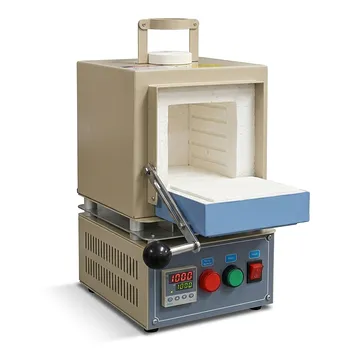
Compact 1000C Muffle Furnace with Programmable Controller and 2 Inch Top Port for Vacuum and Atmosphere Material Research
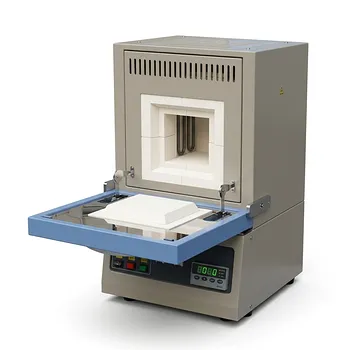
Five Sided Heating Muffle Furnace High Uniformity 1200C Lab Box Furnace 27L Alumina Fiber Chamber
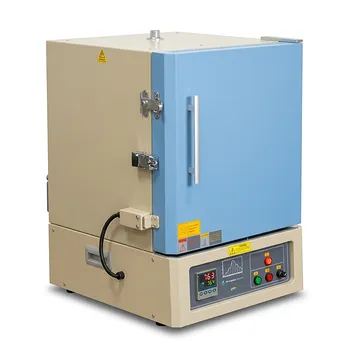
Large Capacity 1200C Muffle Furnace 64 Liter Chamber with Digital PID Controller and Built In Venting Port
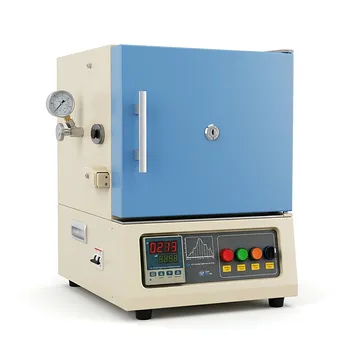
1200C Hybrid Muffle and Tube Furnace for Material Research with Dual Atmosphere Control Quartz Tubes