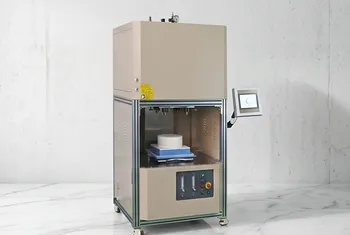
The Architecture of Activity: Why Geometry and Atmosphere Define the Modern Catalyst
Jun 27, 2026
The Invisible Architecture of Scale
In the world of material science, a catalyst is more than a chemical bridge. It is a highly engineered structure where every square nanometer of surface area represents potential.
The challenge for the researcher is not simply "heating" a precursor. It is the management of chaos. Left to their own devices, nickel particles want to cluster, to agglomerate, and to lose their potency.
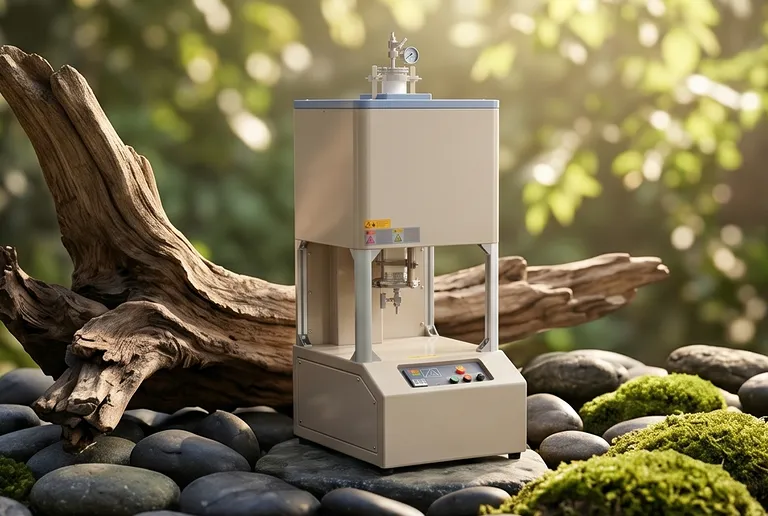
The vertical tube furnace is the engineer’s response to this chaos. It is a system designed to enforce order at the atomic level across three distinct acts of transformation: calcination, oxidation, and reduction.
The Three Acts of Transformation
1. Calcination: The Art of Controlled Decay
At approximately 500°C in a pure nitrogen atmosphere, the synthesis begins. This stage is about decomposition. We are stripping away the "extra" to reveal the metal components on the NZA support.
In this phase, thermal uniformity is the only metric that matters. If one section of the catalyst bed lags by even a few degrees, the decomposition becomes uneven. The vertical orientation of the reactor ensures that heat permeates the support structure effectively, forcing active components into the pores rather than onto the surface.
2. Oxidation: Anchoring the Potential
Once decomposed, the furnace shifts its breath. By introducing air or oxygen, the nickel transforms into nickel oxide (NiO) nanoparticles.
The goal here is dispersion. High-precision temperature management prevents sintering—the process where heat causes particles to fuse. By managing the thermal gradient, the system allows for an atomic rearrangement that eliminates structural defects, creating a stable, high-surface-area powder.
3. Reduction: The Moment of Activation
This is the final, most volatile step. At 400°C, under a flow of hydrogen, nickel oxide sheds its oxygen to become metallic nickel ($Ni^0$).
This is where the catalyst "wakes up." The ability to maintain high-temperature stability while flowing flammable hydrogen gas is a technical feat. It is this specific environment that creates the highly dispersed metallic centers required for industrial-grade reactivity.
The Psychology of Precision: Why Verticality Matters
In engineering, as in psychology, the environment dictates behavior.
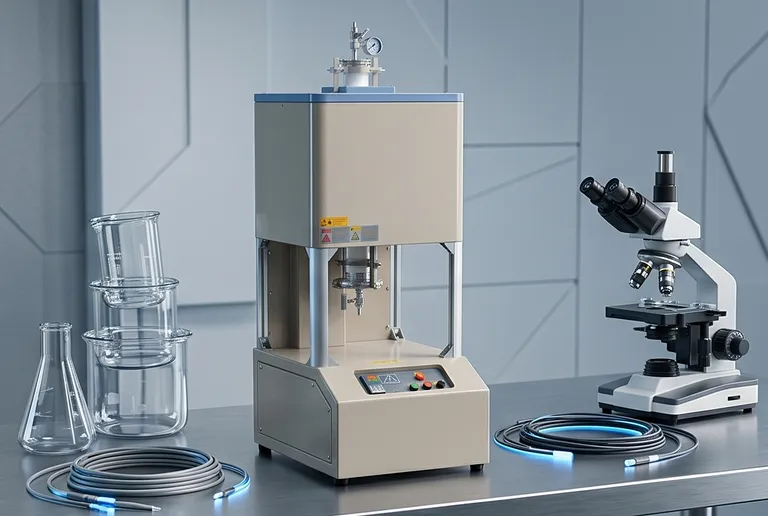
The choice of a Vertical Quartz Tube is not accidental. Quartz offers chemical inertness—it is a silent observer that refuses to participate in the reaction. The vertical orientation utilizes gravity and optimized gas-solid contact to ensure that every grain of catalyst experiences the same atmospheric pressure and temperature.
Navigating the Engineer’s Trade-offs
System design is the art of choosing your problems. In catalyst synthesis, the trade-offs are often hidden:
- Speed vs. Uniformity: Rapid heating saves time but risks "thermal lag." If the core of the catalyst bed is cooler than the skin, the resulting batch will be heterogeneous and unreliable.
- Flow vs. Pressure: Deep catalyst beds offer more yield but can cause pressure drops. If gas flow is restricted, the core of the particles may remain in an inactive oxide state.
- Precision vs. Longevity: Higher temperatures promote crystallinity but accelerate the wear on seals and quartz components.
Technical Synthesis Overview
| Synthesis Stage | Atmosphere | Core Function | Key Benefit |
|---|---|---|---|
| Calcination | Nitrogen ($N_2$) | Precursor decomposition | Prevents surface clustering |
| Oxidation | Air / Oxygen | Conversion to NiO | Maximizes initial dispersion |
| Reduction | Hydrogen ($H_2$) | Activation to Metallic Ni | Creates active catalytic sites |
| Stability | All Stages | Thermal Uniformity | Eliminates structural defects |
Engineering the Future of Research
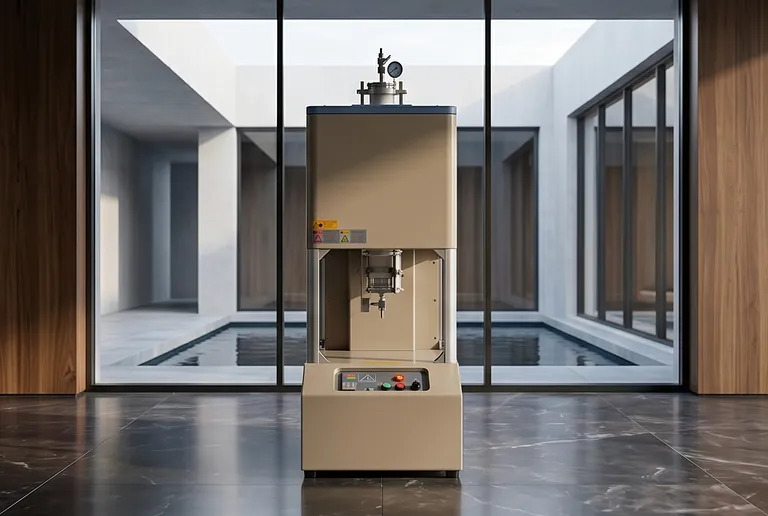
At THERMUNITS, we understand that a furnace is not just a tool; it is the environment where your most critical discoveries live or die.
Our vertical tube furnaces are engineered for the rigorous demands of Ni/NZA catalyst synthesis, offering the atmospheric purity and thermal precision required to turn a chemical mixture into a nanostructured powerhouse.
From Muffle and Vacuum furnaces to advanced CVD/PECVD systems and Rotary kilns, we provide the thermal processing infrastructure that fuels material science breakthroughs.
Ready to master your thermal gradients? Contact Our Experts
Quick Links
Suggested Products
1500C Three Zone Vertical Pyrolysis Furnace for Nanoparticle Synthesis and Advanced Oxide Coating High Temperature 1700C Vertical Tube Furnace for Powder Spherification and Material Sintering Compact Vertical Split Quartz Tube Furnace with Stainless Steel Vacuum Flanges for Rapid Thermal Quenching and Controlled Atmosphere Material Processing Split Vertical Tube Furnace with 1200C Quartz Tube and Stainless Steel Vacuum Flanges for Rapid Thermal Processing Vertical 1700C Vacuum and Atmosphere Tube Furnace with 80mm Alumina TubeFurther Reading
The Architecture of Ash: Engineering the Transition from Biomass to Carbon The Architecture of Absence: Why Inertia Defines the Quality of Pyrolysis The Thermal Architect: Engineering the Nano-Geometry of Hard Carbon The Architecture of Resistance: Simulating 1000°C Realities for AlCrVY(O)N Coatings The Architecture of Absence: Why Controlled Atmosphere is the Soul of Sludge-Based Carbon Activation
ThermUnits
Last updated on Apr 14, 2026
Related Products
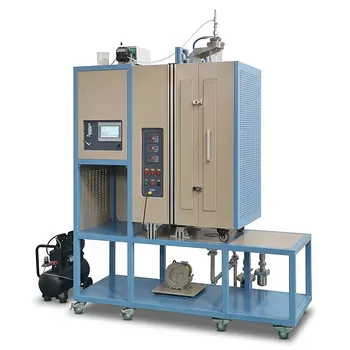
1500C Three Zone Vertical Pyrolysis Furnace for Nanoparticle Synthesis and Advanced Oxide Coating

High Temperature 1700C Vertical Tube Furnace for Powder Spherification and Material Sintering

Compact Vertical Split Quartz Tube Furnace with Stainless Steel Vacuum Flanges for Rapid Thermal Quenching and Controlled Atmosphere Material Processing
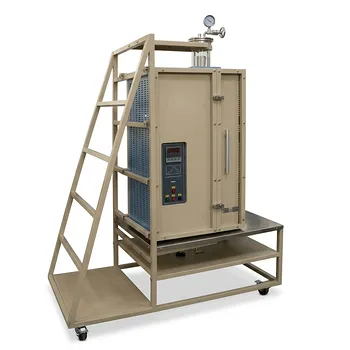
Split Vertical Tube Furnace with 1200C Quartz Tube and Stainless Steel Vacuum Flanges for Rapid Thermal Processing

Vertical 1700C Vacuum and Atmosphere Tube Furnace with 80mm Alumina Tube
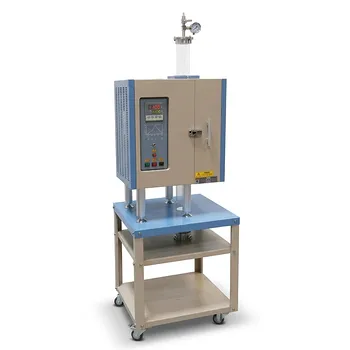
1100°C Split Vertical Tube Furnace with 80mm Quartz Tube and Stainless Steel Vacuum Flanges
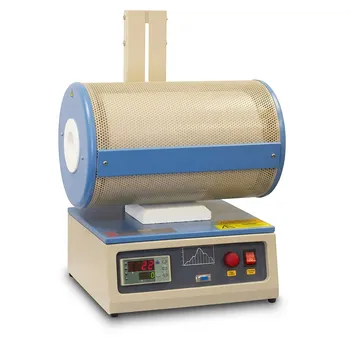
Multi Position Tube Furnace 1100C for Laboratory Material Research and Advanced Industrial Thermal Processing
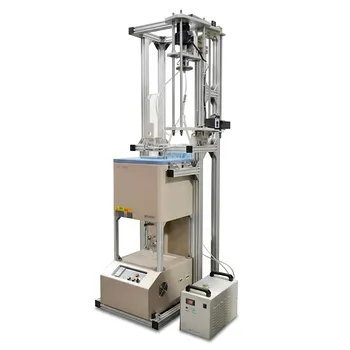
500C Vacuum Vertical Tube Furnace 84mm OD Sample Rotation Lifting System
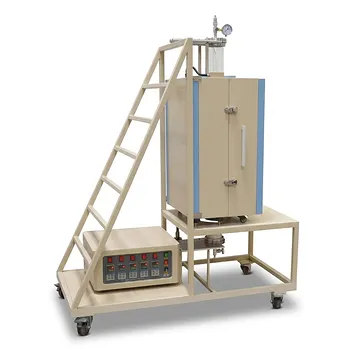
Five Zone Split Vertical Tube Furnace 1200C Max with 4 Inch Quartz Tube and Stainless Steel Vacuum Flanges
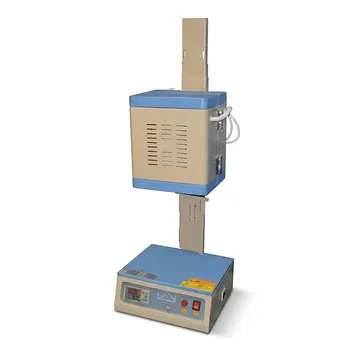
High Temperature Vertical Split Tube Furnace with PID Temperature Controller for 1 and 2 Inch Processing Tubes
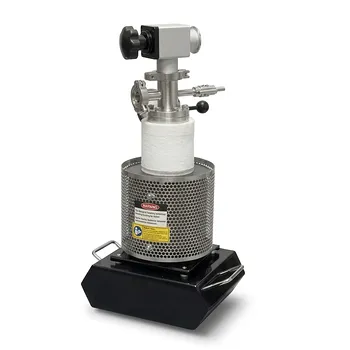
High Temperature 1100C Compact Top Loading Vertical Vacuum Tube Furnace for High Vacuum Noble Metal Melting and Material Research
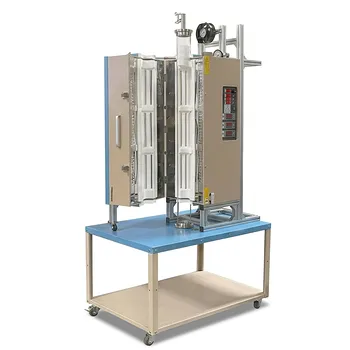
1200C Three Zone Split Vertical Tube Furnace 4 Inch Quartz Tube Stainless Steel Vacuum Flanges
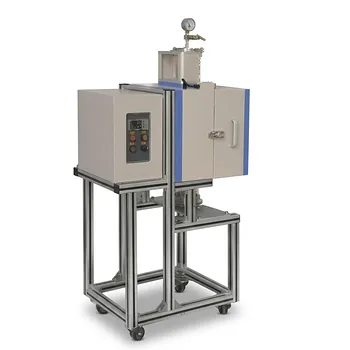
1200°C 5 Inch Vertical Quartz Tube Furnace with Stainless Steel Vacuum Flanges
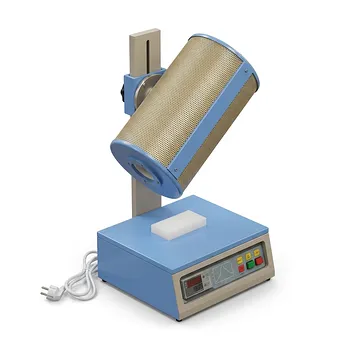
1100°C Vertical Laboratory Furnace for DIY Tubular Reactors with PID Temperature Controller
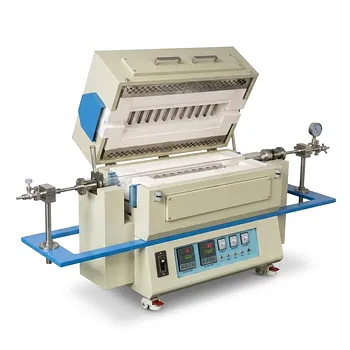
High Temperature Dual Zone Rotating Tube Furnace 1500C Silicon Carbide Heating for Advanced Material Synthesis
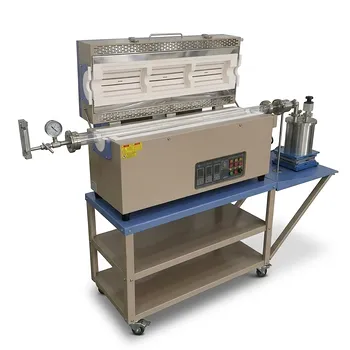
5 Inch Two Zone Rotary Tube Furnace 1100C for Powder CVD and Material Synthesis
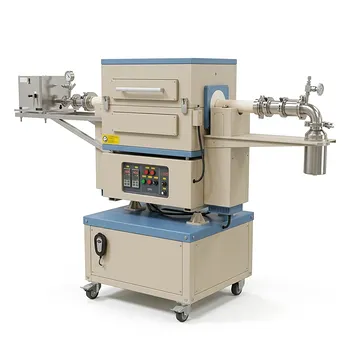
1500C Max Dual Zone Rotary Tube Furnace with 60 mm OD Alumina Tube for High Temperature Material Synthesis
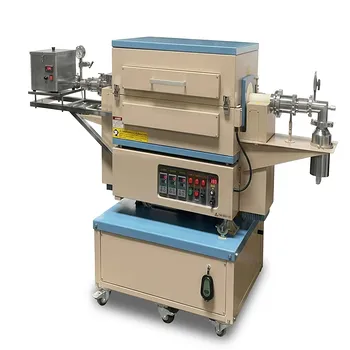
1500C 3-Zone Rotary Tube Furnace 60mm with Automatic Powder Feeding and Receiving System for Continuous Material Synthesis
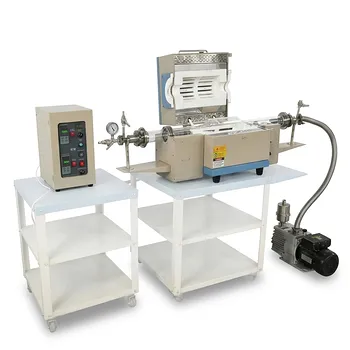
Two Zone Rotary Tube Furnace for Powder CVD Coating and Core Shell Material Synthesis 1100C