The Geometry of the Invisible: Why High Vacuum is the Silent Architect of La2O2S Clarity
Jul 22, 2026
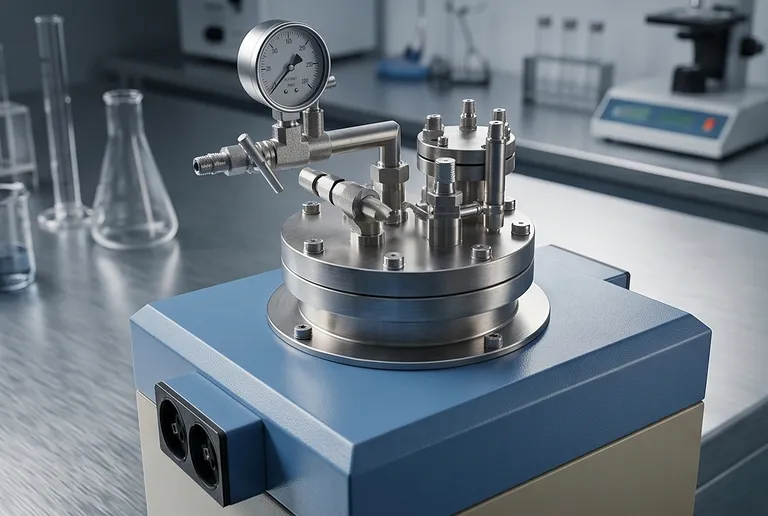
The Invisible Margin of Error
In the world of advanced materials, what you remove is often more important than what you add.
Lanthanum oxysulfide ($La_2O_2S$) is a material of contradictions. It is prized for its rare ability to be transparent in the infrared spectrum, yet it is notoriously fragile during its birth—the sintering process.
At temperatures exceeding 1200°C, the atmosphere becomes a threat. Every stray oxygen molecule and every micro-gram of moisture is a potential contaminant. In these extreme conditions, the difference between a high-performance infrared lens and a piece of opaque ceramic scrap is exactly $7 \times 10^{-3}$ Pa of pressure.
The Chemistry of Protection
High-temperature sintering is not just a thermal event; it is a chemical battle against the environment.
Guarding the Stoichiometric Ratio
The performance of $La_2O_2S$ depends on a precise balance of Lanthanum, Oxygen, and Sulfur. When heat is applied in a standard atmosphere, this balance collapses. Oxygen from the air attacks the sulfur sites, triggering oxidative degradation.
By utilizing a high vacuum, we remove the "reactive participants." This allows the material to maintain its structural integrity, ensuring that the lattice remains pure and the chemistry remains exact.
Eliminating the Unseen
Impurity gases behave like ghosts in the machine. They hide between powder particles, waiting to be trapped as the material densifies. A vacuum environment acts as a mechanical purge, stripping these gases away before they can become permanent defects in the ceramic body.
The Pursuit of 99% Density
In high-end optics, density is a proxy for quality. For $La_2O_2S$ to transmit light, it must be nearly 100% dense.
Closing the Voids
As particles fuse at high temperatures, air bubbles often get trapped. These pores act as scattering centers, bouncing light in every direction and killing transparency.
A high vacuum environment creates a pressure differential that encourages these internal "pockets" to migrate to the surface and vanish.
The Vacuum Hot Press Advantage
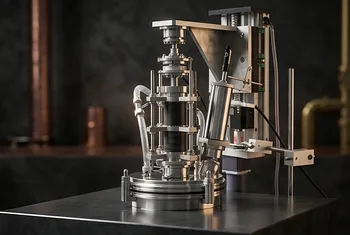
When vacuum is paired with mechanical force—often up to 120 MPa—the physics change. This synergy:
- Forces plastic flow in the material.
- Collapses residual pores that heat alone cannot close.
- Enables the production of large-scale infrared components with consistent clarity.
The Engineer’s Dilemma: Risk and Precision
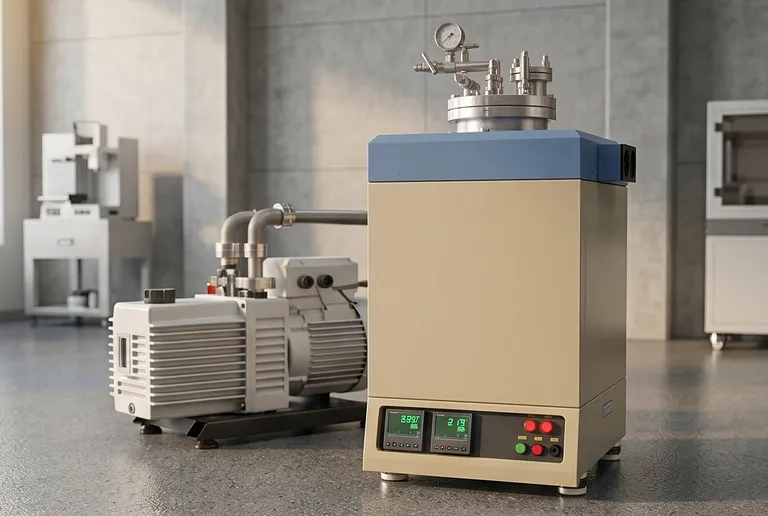
Operating at $7 \times 10^{-3}$ Pa is a high-wire act. It requires an understanding of the trade-offs inherent in deep-space environments.
| Challenge | Impact on Process | Engineering Solution |
|---|---|---|
| Sulfur Volatilization | Sulfur may "boil off" at low pressure. | Precise temperature-pressure calibration. |
| Heat Transfer | Zero convection; heat relies on radiation. | High-stability heating elements (Mo/W). |
| Seal Integrity | Even a micro-leak ruins the batch. | Multi-stage pumping and high-vacuum seals. |
The Thermal Gradient Problem
In a vacuum, heat only moves where it can "see." Without air to circulate the energy, thermal gradients can form, leading to uneven sintering. This makes the design of the furnace—its geometry and the placement of its elements—just as important as the temperature setting itself.
Designing for Performance
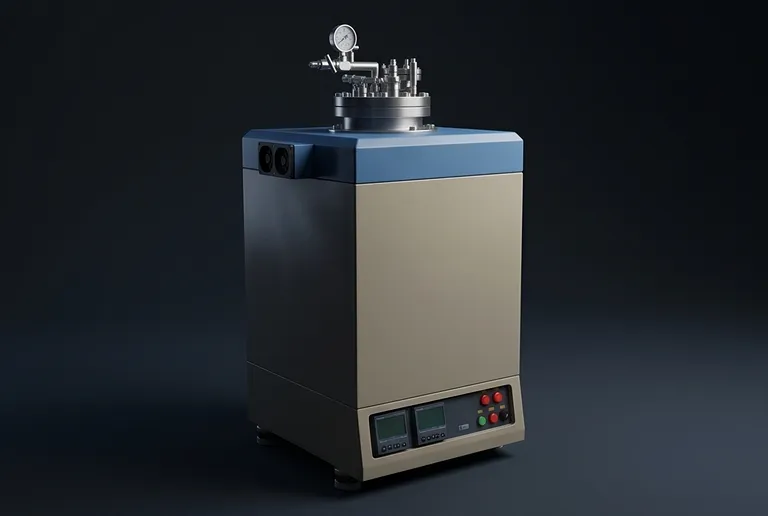
Choosing the right equipment is a matter of matching the system to the material's fragility.
- For Fundamental Research: A high-vacuum tube furnace provides the purity needed for synthesizing precursor powders without atmospheric interference.
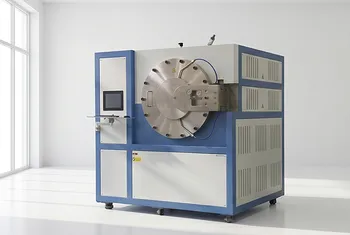
- For Optical Grade Production: A Vacuum Hot Press is non-negotiable. It provides the simultaneous vacuum and pressure required to push relative density beyond the 99% threshold.
Elevating Your Thermal Strategy
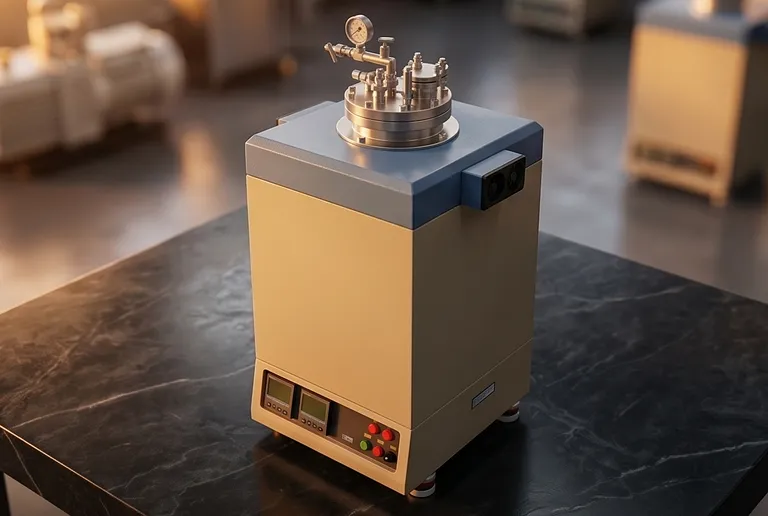
Precision in material science is rarely about the big things; it is about controlling the invisible.
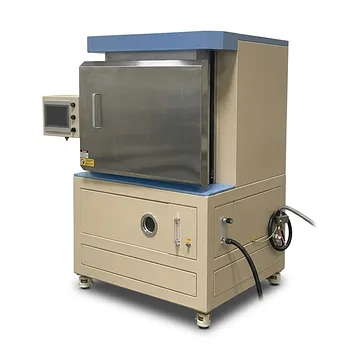
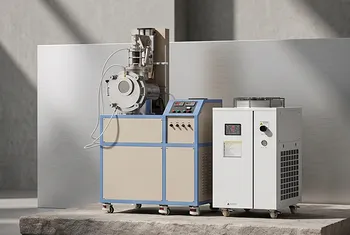
At THERMUNITS, we design thermal systems that master the void. From high-vacuum Muffle furnaces to specialized Vacuum Hot Press systems and VIM (Vacuum Induction Melting) furnaces, our equipment provides the stability required for the most temperamental materials.
Whether you are synthesizing the next generation of $La_2O_2S$ infrared sensors or refining industrial R&D protocols, our systems ensure your materials reach their theoretical limits.
Quick Links
Suggested Products
High Vacuum Pressure Chamber Furnace 800C 3.5 Bar Sintering System for Superconducting Materials High Temperature 1000C Vacuum Furnace with 8 Inch ID Chamber for Material Sintering and Research Annealing Vacuum Dental Porcelain Sintering Furnace for High Precision Ceramic Restorations High Pressure 600T Vacuum Induction Hot Press Furnace for Advanced Material Heat Treatment and Sintering Dental Porcelain Zirconia Sintering Ceramic Vacuum Press Furnace
ThermUnits
Last updated on Apr 14, 2026
Related Products
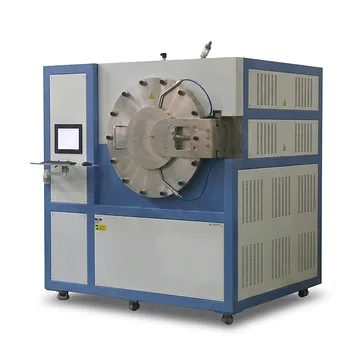
High Vacuum Pressure Chamber Furnace 800C 3.5 Bar Sintering System for Superconducting Materials
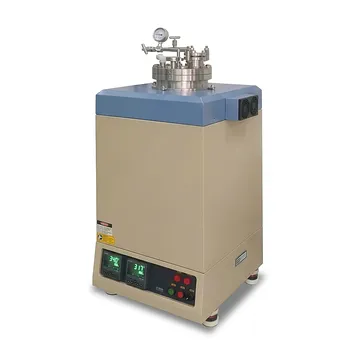
High Temperature 1000C Vacuum Furnace with 8 Inch ID Chamber for Material Sintering and Research Annealing
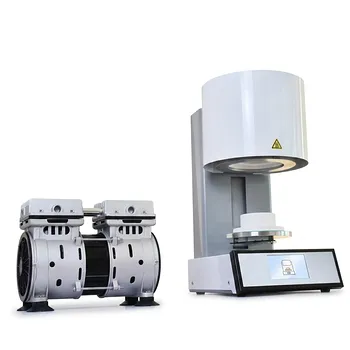
Vacuum Dental Porcelain Sintering Furnace for High Precision Ceramic Restorations
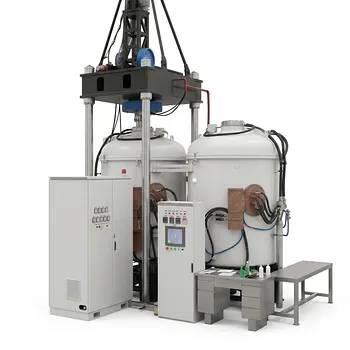
High Pressure 600T Vacuum Induction Hot Press Furnace for Advanced Material Heat Treatment and Sintering
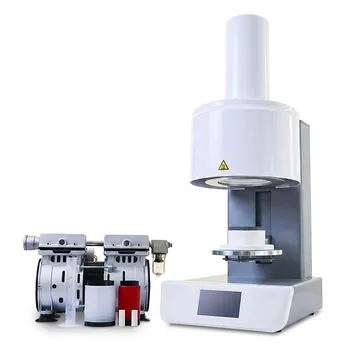
Dental Porcelain Zirconia Sintering Ceramic Vacuum Press Furnace
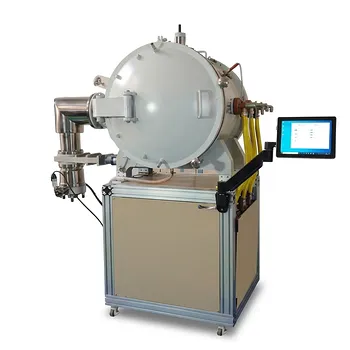
High Temperature Cold Wall Vacuum Furnace for Advanced Material Sintering and Annealing 1600C Heating Area 200x200x300mm
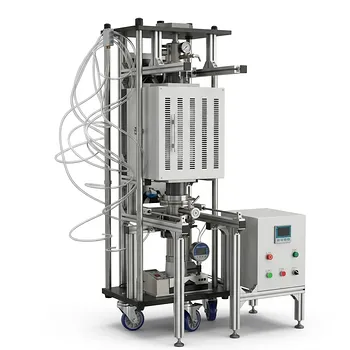
Industrial High Temperature Vacuum Hot Press Furnace and Heated Vacuum Press Machine for Material Science Sintering
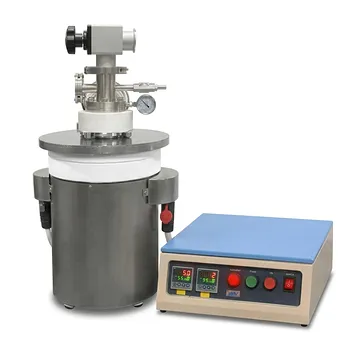
1100C High Temperature Vacuum Crucible Furnace with Quartz Chamber for Thermal Processing and Sintering
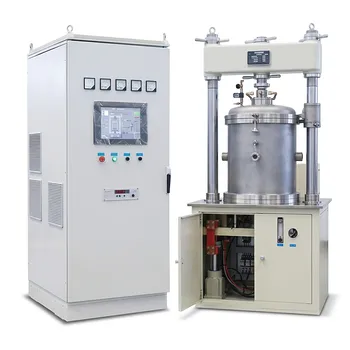
Industrial Vacuum Hot Press Furnace Machine and High Temperature Heated Vacuum Press for Advanced Material Sintering

Compact High Temperature 1600C Tube Furnace with 50mm Alumina Tube and Vacuum Flanges for Material Sintering

High Temperature 1700C Vertical Tube Furnace for Powder Spherification and Material Sintering
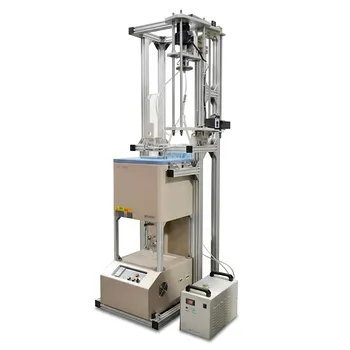
500C Vacuum Vertical Tube Furnace 84mm OD Sample Rotation Lifting System
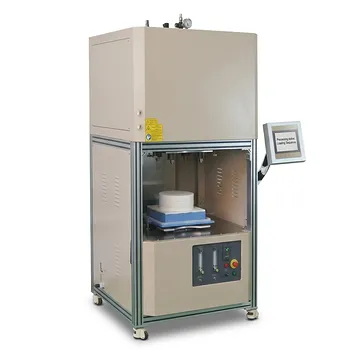
High Temperature Vertical Atmosphere Controlled Furnace with Automatic Bottom Loading and 1700°C Capacity for Advanced Material Research
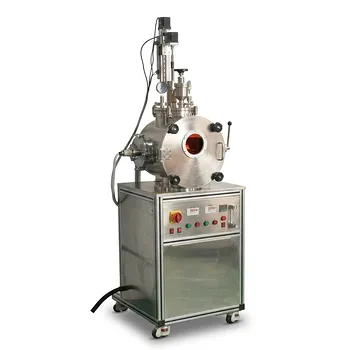
High Vacuum Melting Casting Furnace with Mechanical Stirring and Secondary Charge for Metallic Alloy Research
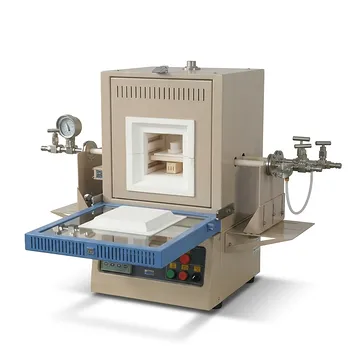
1700C Compact Hybrid Furnace with Dual Layer Box Sintering and Controlled Atmosphere Alumina Tubes

1800C High Temperature Compact Vacuum Tube Furnace with 60mm OD Alumina Tube and Kanthal MoSi2 Heating Elements
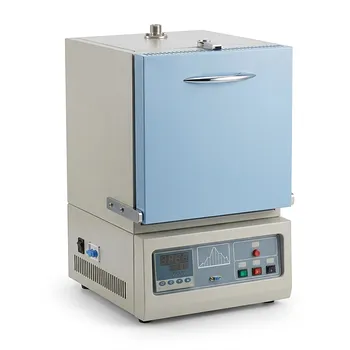
1750C Compact Muffle Furnace 1.7L Ultra High Temperature Laboratory Sintering System for Advanced Ceramics and Material Science Research
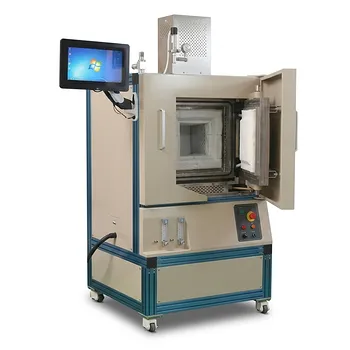
High Temperature Oxygen and Inert Atmosphere Controlled Furnace 8 Liter 1700C Sintering System for Advanced Materials RD
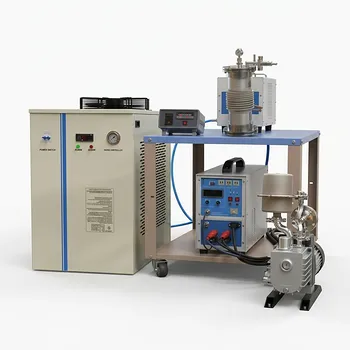
Induction Heating System with Temperature Control for High Temperature Vacuum Sintering and Melting