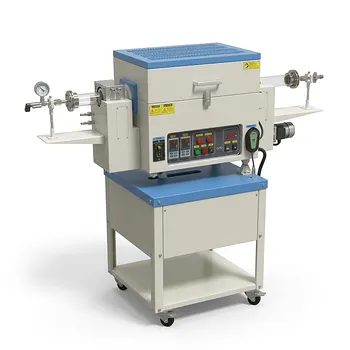
How do electric rotary kilns manage atmosphere control? Achieve 99.99% Purity for High-Purity Mineral Processing
Updated 5 months ago
Electric rotary kilns achieve precise atmosphere control through the use of advanced, hermetically sealed systems. These systems isolate the processing chamber to maintain strictly inert or reducing conditions, preventing the oxidation and contamination of sensitive minerals. By leveraging high-purity gas injection, these kilns can reach nitrogen levels exceeding 99.99% purity while maintaining a dew point below –40 °C.
The integration of mechanical seals and high-purity gas purging allows electric rotary kilns to create a stable, moisture-free environment. This level of atmospheric precision is the foundational requirement for producing the ultra-pure materials necessary for electric vehicle batteries and advanced electronics.
The Mechanics of Atmosphere Isolation
Advanced Sealing Technologies
Electric rotary kilns utilize specialized mechanical seals at the interfaces between the rotating tube and the stationary housings. These seals act as a physical barrier that prevents ambient oxygen and moisture from leaking into the processing zone.
Positive Pressure Maintenance
To ensure no external contaminants enter the system, kilns are often operated under a slight positive pressure. By pumping in high-purity inert gases, the internal environment pushes outward, effectively neutralizing any minor seal imperfections.
High-Purity Gas Injection
Nitrogen or argon is continuously injected into the kiln to displace any residual air. This process is refined to reach nitrogen purity levels above 99.99%, which is essential for materials that react negatively to even trace amounts of oxygen.
Moisture and Oxidation Prevention
Critical Dew Point Control
Managing moisture is just as vital as managing oxygen for high-purity mineral processing. These systems are engineered to maintain a dew point below –40 °C, ensuring that the environment is "bone dry" and preventing unwanted hydrous reactions.
Creating Reducing Environments
In some mineral processing applications, the kiln must not only be inert but also reducing. Electric kilns can precisely meter hydrogen or other reducing gases into the sealed chamber to strip oxygen away from the mineral ore.
Thermal Consistency and Purity
Unlike combustion-based kilns, electric kilns do not produce flue gases or combustion byproducts. This inherent cleanliness simplifies atmosphere control because the system does not have to account for the chemical interference of CO2 or water vapor from a burner.
Understanding the Trade-offs
Seal Wear and Maintenance
The primary challenge of a sealed rotary system is the mechanical wear on the seals caused by the constant rotation of the kiln tube. If maintenance is neglected, seal degradation can lead to "micro-leaks" that compromise the 99.99% purity threshold.
Operational Cost of High-Purity Gases
Maintaining a continuous flow of high-purity nitrogen or argon adds a significant variable cost to production. Operators must balance the volume of gas purged against the required purity levels to maintain economic viability.
Complexity of Gas Monitoring
Real-time monitoring of gas composition and dew points requires sophisticated sensor arrays. These sensors must be regularly calibrated to ensure they provide accurate data, as a single faulty reading can result in an entire batch of contaminated material.
Implementing Atmosphere Control for Your Process
How to Apply This to Your Project
Achieving high-purity results requires matching the kiln's atmospheric capabilities to the specific sensitivity of your mineral. Use the following guidelines to determine your technical requirements:
- If your primary focus is EV battery precursors: Prioritize systems capable of maintaining a -40 °C dew point to prevent lithium or nickel contamination.
- If your primary focus is reducing metallic oxides: Select a kiln with robust safety systems designed to handle hydrogen or carbon monoxide in a sealed environment.
- If your primary focus is minimizing operational costs: Invest in high-end, low-friction mechanical seals to reduce the volume of inert gas required to maintain positive pressure.
Superior atmosphere control in electric rotary kilns is the critical bridge between raw mineral extraction and the high-performance materials required for modern green technology.
Summary Table:
| Control Mechanism | Technical Specification | Primary Benefit |
|---|---|---|
| Sealing System | Advanced Mechanical Seals | Prevents oxygen and moisture ingress |
| Gas Injection | Nitrogen/Argon > 99.99% | Ensures inert or reducing conditions |
| Pressure Control | Positive Internal Pressure | Neutralizes minor seal imperfections |
| Moisture Control | Dew Point < –40 °C | Prevents hydrous reactions & oxidation |
| Heat Source | Electric Resistance Heating | Zero flue gas or combustion byproducts |
Precision Thermal Solutions for Advanced Material Science
At THERMUNITS, we understand that high-purity mineral processing for EV batteries and electronics requires absolute atmospheric precision. As a leading manufacturer of high-temperature laboratory equipment, we provide the technical expertise and robust hardware needed to achieve repeatable, ultra-pure results.
Our comprehensive range of thermal processing solutions includes:
- Electric Rotary Kilns & Vacuum Induction Melting Furnaces (VIM)
- CVD/PECVD Systems & Hot Press Furnaces
- Muffle, Vacuum, Atmosphere, and Tube Furnaces
- Dental Furnaces & High-Quality Thermal Elements
Whether you are focused on industrial R&D or material science exploration, our equipment is designed to meet the most stringent purity requirements.
Ready to upgrade your laboratory's heat treatment capabilities? Contact THERMUNITS today to discuss your specific process requirements and discover how our advanced thermal solutions can drive your innovation.
Mentioned Products
- Electric Rotary Kiln Small Rotary Furnace Biomass Pyrolysis Plant
- Electric Rotary Kiln Continuous Working Small Rotary Furnace Heating Pyrolysis Plant
- Three Zone Rotary Tube Furnace for High Temperature Powder Processing and Material Research
- Electric Rotary Kiln Small Rotary Furnace for Activated Carbon Regeneration
- High Temperature Rotary Tilt Tubular Furnaces for Advanced Powder Sintering and Material Processing
People Also Ask
- How does the electric rotary kiln support environmental compliance and sustainability? Achieve Zero-Emission Production
- What are the maintenance and service life advantages of an electric rotary kiln? 25+ Year Longevity & Low Maintenance
- What thermal efficiency can be expected from an electric rotary kiln compared to fuel-fired alternatives? Gain 95% efficiency.
- How does the use of an electric rotary kiln facilitate CO2 capture in cement and lime production? Achieve High-Purity CCUS
- Which minerals and specialty chemicals are commonly processed using electric rotary kilns? Precision Thermal Processing Guide

Tech Team · ThermUnits
Last updated on Apr 14, 2026
Related Products
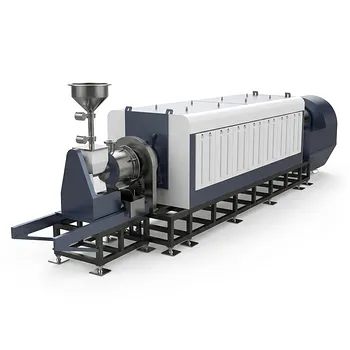
Electric Rotary Kiln Small Rotary Furnace Biomass Pyrolysis Plant
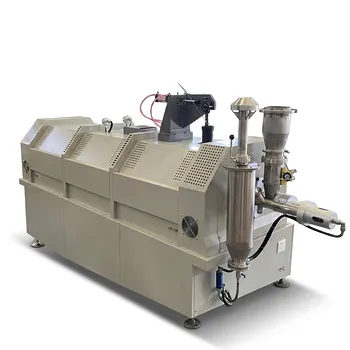
Electric Rotary Kiln Continuous Working Small Rotary Furnace Heating Pyrolysis Plant
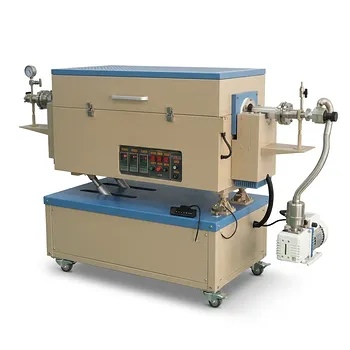
Three Zone Rotary Tube Furnace for High Temperature Powder Processing and Material Research
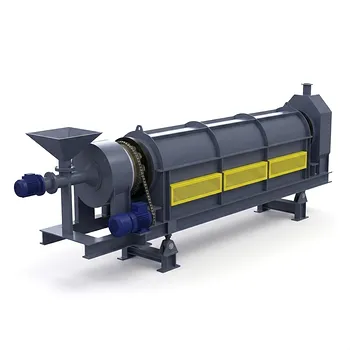
Electric Rotary Kiln Small Rotary Furnace for Activated Carbon Regeneration
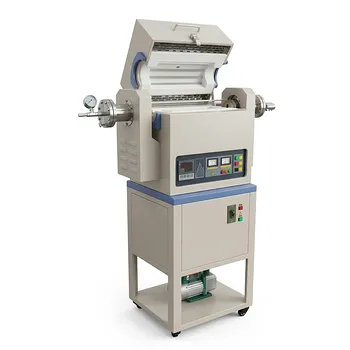
High Temperature Rotary Tilt Tubular Furnaces for Advanced Powder Sintering and Material Processing
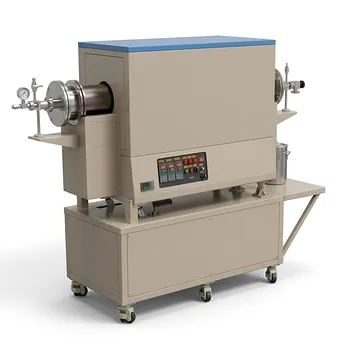
900°C Max Rotary Tube Furnace with 8 Inch 310S Alloy Tube and Optional Multi Zone Heating for Industrial Material Calcination
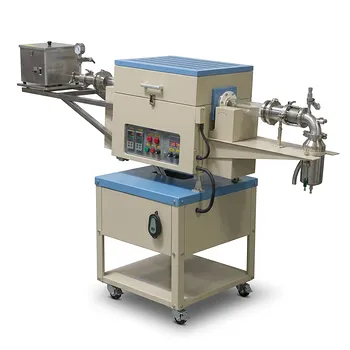
Two Zone Rotary CVD Furnace with Automatic Feeding and Receiving System for Powder Processing
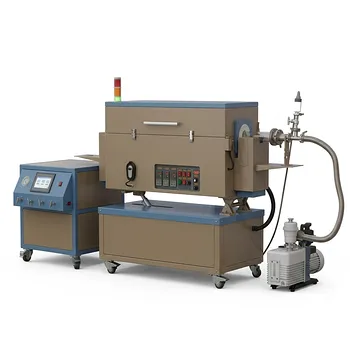
5 Inch Three Zone Rotary Tube Furnace with Integrated Gas Delivery System and 1200C Capability for Advanced Material CVD Processing
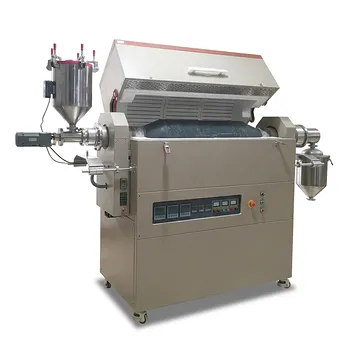
High Temperature Tilting Rotary Tubular Furnace for Continuous Powder Thermal Processing and Controlled Atmosphere Sintering
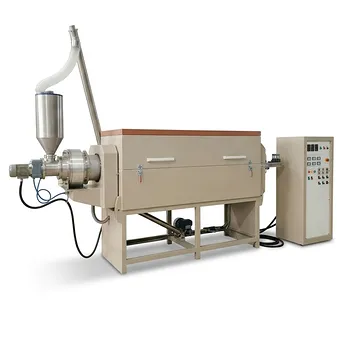
Continuous Feeding Rotary Tube Furnace for Industrial Powder Heat Treatment and Material Research
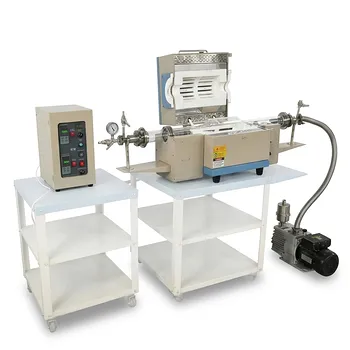
Two Zone Rotary Tube Furnace for Powder CVD Coating and Core Shell Material Synthesis 1100C
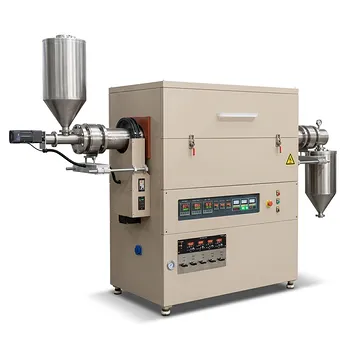
High Temperature Tilting Rotary Tube Furnace with Integrated Mass Flow Control and Multi Zone Heating
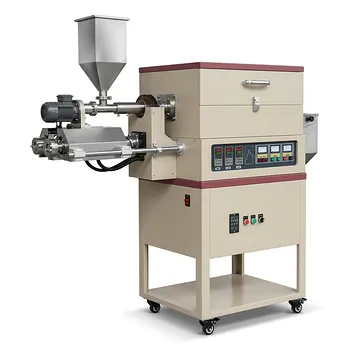
Laboratory Tilting Rotary Tubular Furnaces for Material Science and Industrial Heat Treatment
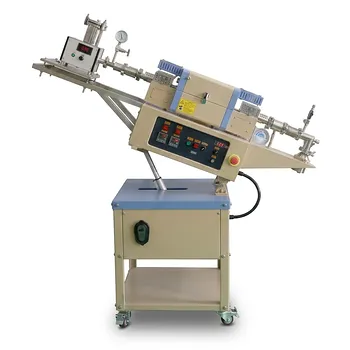
1100°C Dual Zone Rotary Tube Furnace with Automatic Feeding and Collection System for Continuous Powder Processing
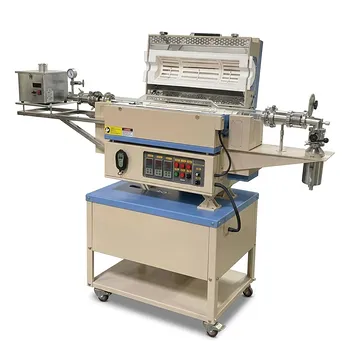
5 Inch Rotary Tube Furnace with Automatic Feeding and Receiving System 1200C Three Zone CVD Powder Processing
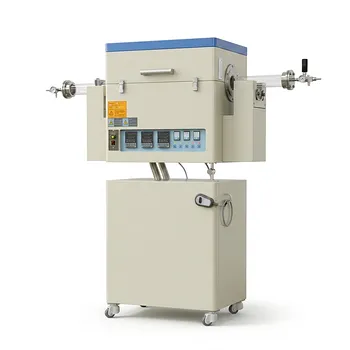
Three Temperature Zone Rotating Tube Furnace for Material Sintering and Controlled Atmospheric Heat Treatment
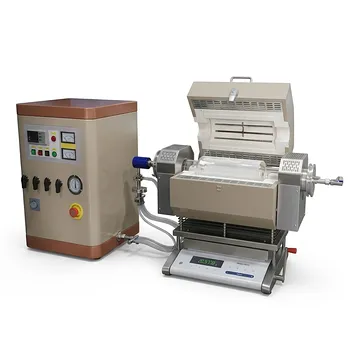
Mini Rotary Tubular Furnaces for Precision Powder Heat Treatment and Thermogravimetric Analysis
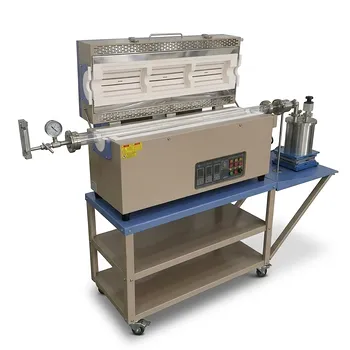
5 Inch Two Zone Rotary Tube Furnace 1100C for Powder CVD and Material Synthesis
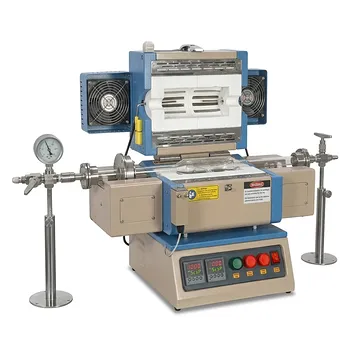
Dual Zone Rotary Tube Furnace for Uniform Powder Calcination 1000C 2 Inch Quartz Tube