How do high-precision drawing equipment and heat treatment furnaces collaborate? Mastering Ultra-Fine TiNi Wire Success
Updated 3 months ago
The manufacturing of ultra-fine TiNi (Nitinol) alloy wires is a cyclical dance between mechanical deformation and thermal restoration. High-precision drawing equipment incrementally reduces the wire diameter to sub-100 μm levels while inducing significant internal stress and work hardening. Heat treatment furnaces then intervene to perform annealing, which resets the material's ductility and stabilizes the alloy’s unique phase transformation properties. This synchronized collaboration ensures the final wire possesses the precise dimensions, superelasticity, and biocompatibility required for high-stakes applications like medical stents.
The synergy between mechanical drawing and thermal processing allows for extreme diameter reduction while precisely tuning the material's functional "memory." This collaboration is essential to prevent material failure during production and to ensure the final product meets strict mechanical and biocompatibility standards.
The Mechanical Role: High-Precision Drawing
Defining Geometric Accuracy and Internal Stress
High-precision drawing equipment is responsible for the physical shaping of the TiNi alloy wire through a series of dies. This process defines the final geometric dimensions and sets the initial level of internal stress within the wire's crystalline structure. By controlling the deformation rate, the equipment ensures the wire reaches ultra-fine diameters, often as small as 100 μm, with high dimensional consistency.
The Challenge of Work Hardening
As the drawing equipment pulls the wire through dies, the metal undergoes plastic deformation, which significantly increases its strength but decreases its ductility. This phenomenon, known as work hardening, makes the material increasingly brittle as the diameter shrinks. Without intervention from a heat treatment furnace, the wire would eventually fracture under the mechanical tension required for further reduction.
The Thermal Role: High-Precision Heat Treatment
Eliminating Work Hardening via Annealing
The heat treatment furnace acts as a restorative agent by performing annealing between drawing stages. This thermal process provides the energy necessary for microstructural reorganization, effectively "softening" the wire for subsequent drawing steps. By eliminating work hardening, the furnace enables the alloy to withstand the extreme deformation required to achieve ultra-fine scales.
Controlling Phase Transformations
TiNi alloys derive their value from their ability to switch between martensite and austenite phases. The furnace precisely regulates annealing temperatures—typically ranging from 400°C to 600°C for superelastic optimization—and holding times to dictate these transformation temperatures. Precise control ensures that the wire exhibits the correct superelasticity and functional consistency required for long-term service in the human body.
Atmospheric Control and Vacuum Protection
To maintain the purity and biocompatibility of the wire, high-precision furnaces often operate under vacuum conditions. Processing in a vacuum prevents the formation of brittle titanium oxide layers that can compromise the wire's integrity and surface quality. This controlled environment is critical for optimizing tensile strength, yield strength, and elongation to meet the rigorous demands of medical-grade components.
Understanding the Trade-offs
Temperature vs. Grain Growth
While higher temperatures (above 500°C) can facilitate faster annealing and the dissolution of secondary phases, they also risk recrystallization and grain coarsening. Overly large grains can significantly reduce the superelastic performance and fatigue resistance of the wire. Finding the "sweet spot" in temperature is a constant balancing act between processing speed and material performance.
Precipitation and Secondary Phases
The distribution of secondary phases, such as Ti2Ni or Ti3Ni4, is sensitive to thermal history. While controlled precipitation can enhance strength through dispersion strengthening, improper cooling or heating can lead to non-uniform composition distributions. These inconsistencies can cause the wire to behave unpredictably during martensitic transformation, leading to failure in precision medical devices.
How to Apply This to Your Project
Making the Right Choice for Your Goal
Achieving the perfect ultra-fine TiNi wire requires a strategic alignment of your drawing and heating parameters based on the end-use.
- If your primary focus is Medical Stents: Prioritize vacuum heat treatment between 600°C and 900°C to ensure maximum biocompatibility and the elimination of brittle oxide layers.
- If your primary focus is Continuous Superelasticity: Utilize low-temperature, short-duration annealing treatments (400-500°C) to optimize dislocation structures without causing grain coarsening.
- If your primary focus is High Tensile Strength: Implement precise aging cycles to induce the dispersed precipitation of strengthening phases like Ti3Ni4 within the alloy matrix.
By mastering the intersection of mechanical deformation and thermal precision, you can produce TiNi wires that are both incredibly fine and functionally superior.
Summary Table:
| Process Stage | Equipment Role | Primary Function | Material Impact |
|---|---|---|---|
| Mechanical Shaping | Drawing Equipment | Diameter Reduction | Induces work hardening & defines geometry |
| Thermal Restoration | Heat Treatment Furnace | Intermediate Annealing | Relieves internal stress & restores ductility |
| Phase Control | Vacuum/Atmosphere Furnace | Thermal Cycling | Stabilizes superelasticity (Martensite/Austenite) |
| Surface Protection | Vacuum Environment | Oxidation Prevention | Maintains biocompatibility & surface purity |
| Final Optimization | Aging Furnace | Microstructure Tuning | Enhances tensile strength & fatigue resistance |
Optimize Your Nitinol Processing with THERMUNITS
Elevate your material science research and industrial R&D with precision thermal solutions from THERMUNITS. As a leading manufacturer of high-temperature laboratory equipment, we provide the critical technology needed to master the delicate balance of TiNi alloy production.
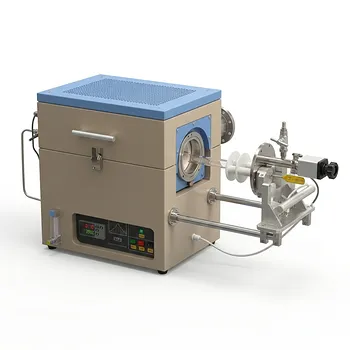
Our comprehensive range of thermal processing solutions—including Vacuum Furnaces, Atmosphere Furnaces, Tube Furnaces, and CVD/PECVD systems—is designed to deliver the exact temperature uniformity and atmospheric control required for ultra-fine wire annealing and phase transformation.
Ready to enhance your lab's efficiency and material performance?
Contact THERMUNITS Today to explore our Muffle, Rotary, and Hot Press furnaces, or our specialized vacuum induction melting (VIM) systems. Let us help you achieve superior heat treatment results for your most demanding applications.
References
- Екатерина Марченко, Kirill M. Dubovikov. Superelasticity and mechanical properties of tini thin wire after heat treatment. DOI: 10.15593/rjbiomech/2024.4.04
Mentioned Products
- 1200C Five Side Heating Muffle Furnace with Sliding Door 125L Volume High Temperature Heat Treatment System for Large Scale Sintering and Annealing
- 1750C Bench Top Muffle Furnace 3.6L High Grade Molybdenum Disilicide Heating Elements Laboratory Heat Treatment Equipment
- 1650C High Temperature Atmosphere Controlled Box Furnace with 65L Chamber for Advanced Material Sintering and Industrial Heat Treatment
- Laboratory Tilting Rotary Tubular Furnaces for Material Science and Industrial Heat Treatment
- High Temperature Dual Zone Tube Furnace for Material Science Research and Professional Thermal Processing
People Also Ask
- What is the role of the muffle furnace in h-BN precursor preparation? Optimize Morphology and Chemical Purity.
- How does the heating mechanism of a muffle furnace differ from that of an open-flame furnace? Indirect vs Direct Heat
- Why is the muffle design advantageous for the production of ceramics and glass? Ensure Purity and Structural Integrity
- What are the benefits of using muffle furnaces in pharmaceutical and biomedical applications? Maximize Purity & Compliance
- What are the typical operating temperature ranges for standard and advanced muffle furnaces? Expert Temperature Guide.

Tech Team · ThermUnits
Last updated on Jun 02, 2026
Related Products
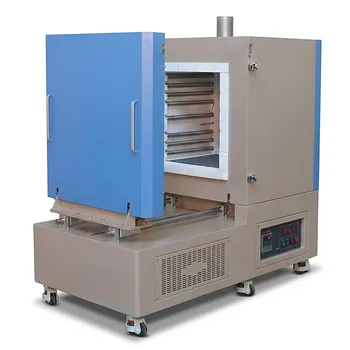
1200C Five Side Heating Muffle Furnace with Sliding Door 125L Volume High Temperature Heat Treatment System for Large Scale Sintering and Annealing
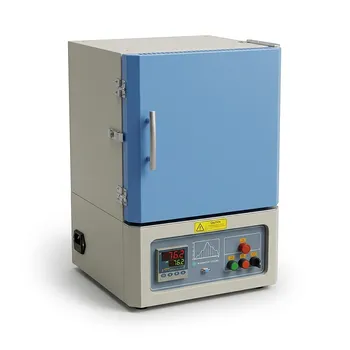
1750C Bench Top Muffle Furnace 3.6L High Grade Molybdenum Disilicide Heating Elements Laboratory Heat Treatment Equipment
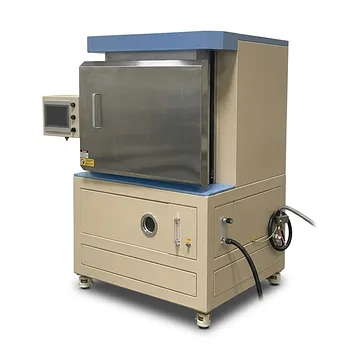
1650C High Temperature Atmosphere Controlled Box Furnace with 65L Chamber for Advanced Material Sintering and Industrial Heat Treatment
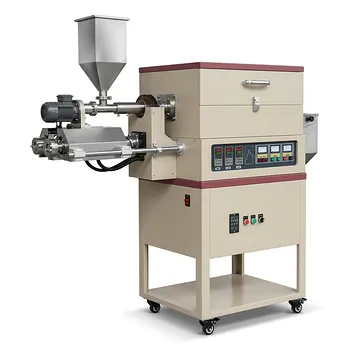
Laboratory Tilting Rotary Tubular Furnaces for Material Science and Industrial Heat Treatment
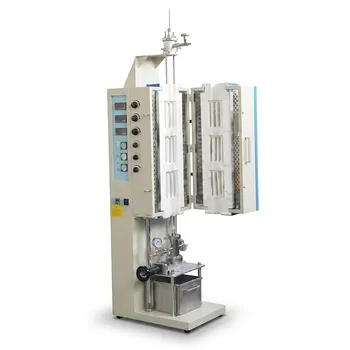
High Temperature Dual Zone Tube Furnace for Material Science Research and Professional Thermal Processing
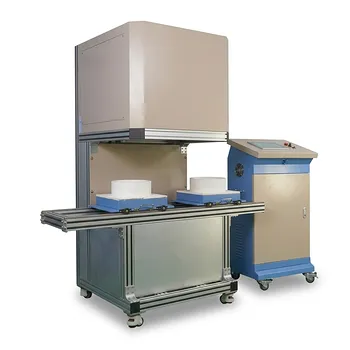
High Temperature Bottom Loading Vertical Furnace 1700C Dual Stage Sample Processing System 18L Large Capacity Thermal Treatment Equipment
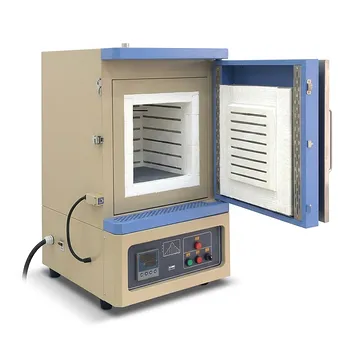
Five Side Heating Muffle Furnace High Purity Alumina Fiber 27L Chamber 1200C High Temperature Thermal Processing System for Sintering Annealing and Materials Research
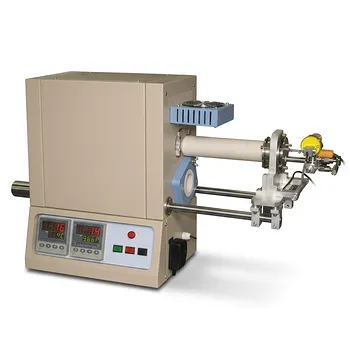
High Temperature Tube Furnace 1500C with Sliding Flanges and 50mm OD for Rapid Thermal Processing Fast Heating and Cooling
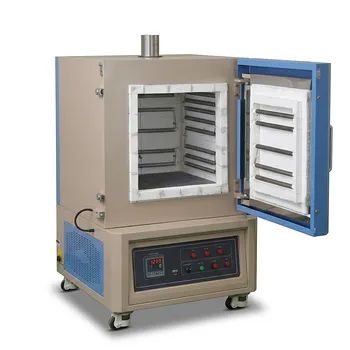
1200C High Temperature 125L Muffle Furnace 5 Side Heating for Large Batch Sintering with Optional Alloy Debinding Chamber
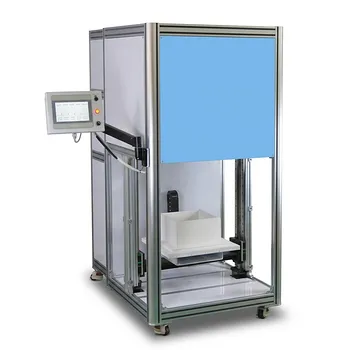
High Temperature 1600°C Three Zone Heated Bottom Loading Box Furnace with Rapid Thermal Processing Chamber 72L Volume

High Temperature 1700C Benchtop Tube Furnace with 5 Inch Heating Zone High Purity Alumina Tube and Vacuum Sealing Flanges
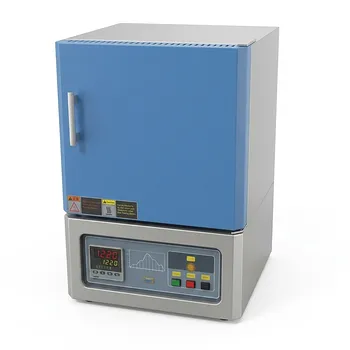
High Temperature Benchtop Muffle Furnace 1700C 10L Chamber Alumina Fiber Insulation MoSi2 Heating Elements
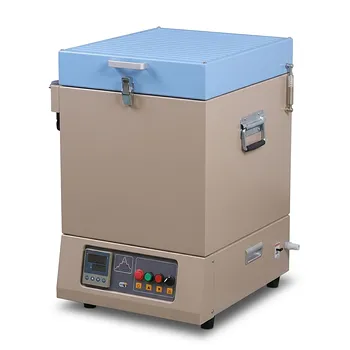
High Temperature Vertical Crucible Furnace with 22L Heating Chamber and 1200C Maximum Temperature
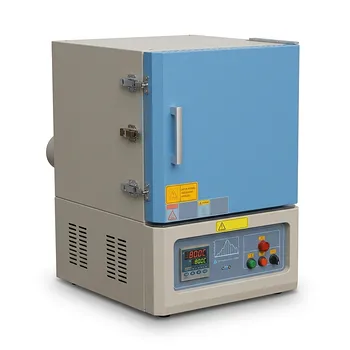
1800C Bench Top Muffle Furnace 18 Liters with Kanthal Super 1900 Heating Elements for High Purity Ceramic Sintering and Material Research
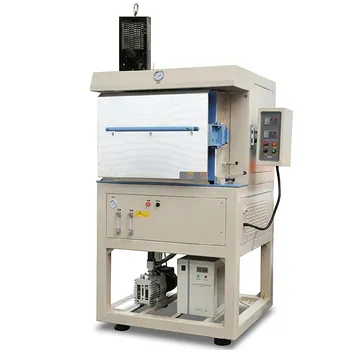
1200C Hydrogen Atmosphere Box Furnace with 5 Heated Sides and 64L Chamber
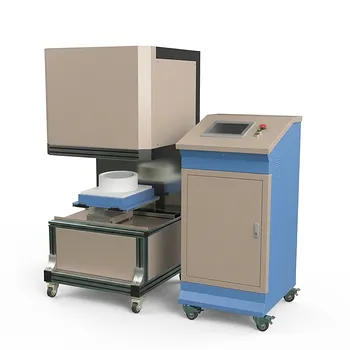
High Temperature Bottom Loading Box Furnace for Rapid Thermal Processing 1700C 40L Capacity
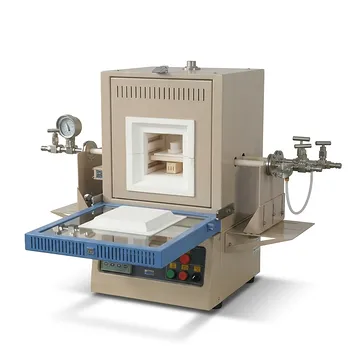
1700C Compact Hybrid Furnace with Dual Layer Box Sintering and Controlled Atmosphere Alumina Tubes
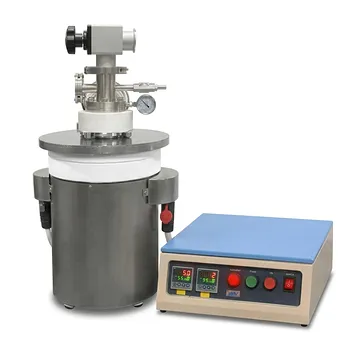
1100C High Temperature Vacuum Crucible Furnace with Quartz Chamber for Thermal Processing and Sintering
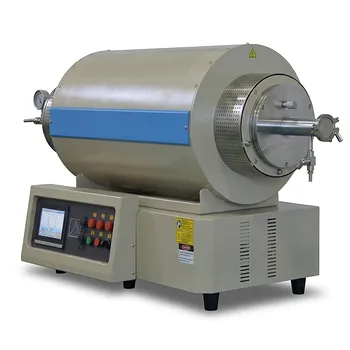
1200C Max Three Zone Tube Furnace 6 Inch OD Max with Tube and Flange