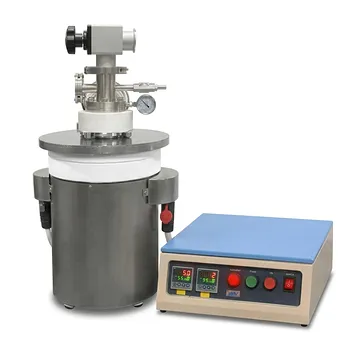
What is the importance of dental furnaces in material science research and development? Keys to Ceramic Innovation
Updated 5 months ago
Dental furnaces are the essential instruments for validating and refining the next generation of restorative materials. In R&D environments, these specialized ovens provide the controlled thermal environment required to transform raw ceramic formulations into dense, functional prosthetics. By bridging the gap between theoretical chemistry and clinical application, they allow researchers to manipulate the microstructural properties of materials to achieve specific performance benchmarks.
The primary importance of a dental furnace in research lies in its ability to provide granular control over the sintering process. This precision is what enables the development of materials that are simultaneously more durable, aesthetically pleasing, and resistant to the harsh environment of the human mouth.
Enhancing Material Performance Through Thermal Precision
The Critical Role of Sintering Dynamics
The furnace is responsible for sintering, a process where heat and pressure transform porous "green" materials into dense, solid structures. In an R&D setting, researchers use these devices to determine the exact ramp rates and hold times required to achieve maximum density without compromising the material's integrity.
Achieving Optical Excellence
Transparency and translucency are vital for dental restorations to mimic natural teeth. Research furnaces allow for the fine-tuning of firing protocols to manage grain growth within zirconia and glass-ceramics, directly influencing how light passes through the finished material.
Improving Mechanical Longevity
A significant portion of material science R&D focuses on aging resistance and fracture toughness. By experimenting with cooling cycles and peak temperatures, scientists can create materials that withstand the repetitive stresses of mastication over many years.
The Versatility of R&D Applications
Testing New Ceramic Formulations
Experimental porcelain and ceramic blends require rigorous testing to find their "sweet spot" for thermal expansion. Researchers use dental furnaces to verify that new formulations will bond correctly with metal substructures or remain dimensionally accurate after multiple firing cycles.
Atmospheric Control and Surface Treatments
Many modern dental furnaces allow researchers to manipulate the internal atmosphere, such as creating a vacuum or introducing specific gases. This capability is crucial for researching surface treatments that improve the bonding strength between the restoration and the patient's natural tooth structure.
Validating Industrial Protocols
Before a new material is released to the commercial market, its firing instructions must be standardized. Lab-grade furnaces are used to establish these baseline protocols, ensuring that dental technicians worldwide can achieve consistent, predictable results.
Understanding the Technical Trade-offs
Precision vs. Throughput
In research, the priority is absolute precision over the speed of the firing cycle. While commercial labs may focus on high-speed sintering to increase productivity, R&D environments often use slower, more controlled cycles to observe the minute transitions in material phases.
Complexity and Calibration Drift
The high degree of control offered by research-grade furnaces introduces a risk of calibration drift. Even a minor deviation in temperature can lead to "under-firing" or "over-firing," which can yield misleading data regarding a material's actual properties.
Material Compatibility Limits
No single furnace can perfectly handle every experimental material. There is often a trade-off between the peak temperature capabilities (essential for zirconia) and the delicate thermal gradients required for low-fusing porcelains or specialized glass-ceramics.
How to Utilize Furnaces in Your Research Strategy
Implementing Furnace Technology for Your Goals
- If your primary focus is developing high-strength frameworks: Prioritize a furnace with exceptional thermal stability at high temperatures to ensure consistent densification of yttria-stabilized zirconia.
- If your primary focus is aesthetic porcelain research: Select a furnace that offers superior vacuum control and highly customizable cooling phases to prevent internal stresses in the glass matrix.
- If your primary focus is metallurgical bonding: Invest in equipment that allows for precise atmospheric manipulation to prevent oxidation layers from interfering with the ceramic-to-metal interface.
By mastering the thermal variables within a dental furnace, researchers can unlock the full potential of modern ceramics to provide patients with stronger, more lifelike restorations.
Summary Table:
| Key R&D Function | Research Focus | Primary Benefit |
|---|---|---|
| Sintering Dynamics | Controlled ramp rates & hold times | Ensures maximum material density and structural integrity. |
| Optical Excellence | Grain growth management in zirconia | Achieves superior translucency and natural aesthetics. |
| Mechanical Longevity | Optimized cooling & thermal cycles | Increases fracture toughness and long-term aging resistance. |
| Atmospheric Control | Vacuum & gas environment manipulation | Enhances surface treatments and ceramic-to-metal bonding. |
| Protocol Validation | Standardizing industrial firing cycles | Ensures consistent results for global commercial applications. |
Elevate Your Material Research with THERMUNITS Precision
Unlock the full potential of your dental ceramics and restorative materials with high-performance thermal solutions from THERMUNITS. As a leading manufacturer of high-temperature laboratory equipment, we provide the precision and reliability essential for cutting-edge material science and industrial R&D.
Our comprehensive range includes:
- Specialized Dental Furnaces for sintering and glazing.
- Muffle, Vacuum, and Atmosphere Furnaces for versatile heat treatment.
- Tube, Rotary, and Hot Press Furnaces for advanced material synthesis.
- CVD/PECVD Systems and Vacuum Induction Melting (VIM) Furnaces for complex R&D requirements.
Whether you are refining zirconia formulations or developing next-generation glass-ceramics, our expert-engineered equipment ensures the granular thermal control your research demands.
Ready to optimize your laboratory’s thermal processing?
Contact our technical experts today to find the perfect solution for your research goals.
Mentioned Products
- Dental Porcelain Zirconia Sintering Ceramic Vacuum Press Furnace
- Vacuum Dental Porcelain Sintering Furnace for High Precision Ceramic Restorations
- Dental Porcelain Zirconia Sintering Ceramic Furnace Chairside with Transformer
- Ultra High Temperature Bench Top Muffle Furnace 1750C Sintering System with Kanthal Super Heating Elements and Precision Digital Control
- 1800C Bench Top Muffle Furnace 18 Liters with Kanthal Super 1900 Heating Elements for High Purity Ceramic Sintering and Material Research
People Also Ask
- How do zirconia sintering furnaces differ from porcelain firing furnaces? Key Technical & Performance Differences
- How do sintering and firing differ in a dental furnace? Master the key techniques for flawless restorations.
- What are the specific stages of the zirconia sintering process in a dental furnace? 4 Key Steps for Strength & Aesthetics
- How does a dental furnace prevent material cracking during rapid thermal cycles? Master Precision Thermal Control
- What is the role of a programmable logic controller (PLC) in modern dental furnace operations? Enhance Sintering Precision.

Tech Team · ThermUnits
Last updated on Apr 14, 2026
Related Products
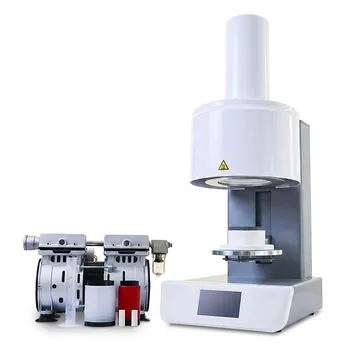
Dental Porcelain Zirconia Sintering Ceramic Vacuum Press Furnace
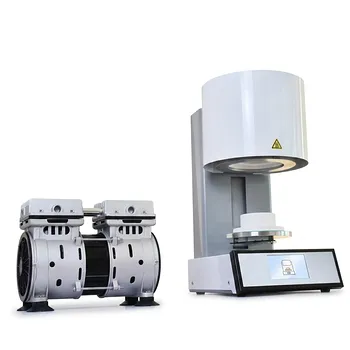
Vacuum Dental Porcelain Sintering Furnace for High Precision Ceramic Restorations
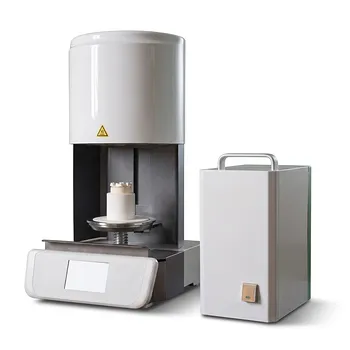
Dental Porcelain Zirconia Sintering Ceramic Furnace Chairside with Transformer
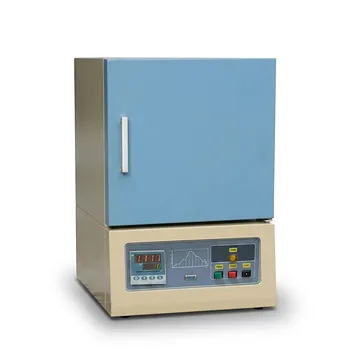
Ultra High Temperature Bench Top Muffle Furnace 1750C Sintering System with Kanthal Super Heating Elements and Precision Digital Control
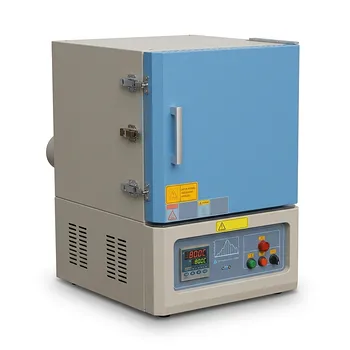
1800C Bench Top Muffle Furnace 18 Liters with Kanthal Super 1900 Heating Elements for High Purity Ceramic Sintering and Material Research
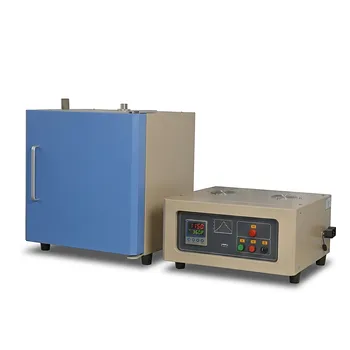
High Temperature Muffle Furnace with Alloy Chamber for Debinding and Sintering Applications
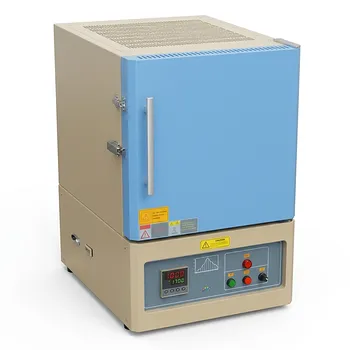
Large Bench Top 1700C High Temperature Muffle Furnace with 19L Chamber for Advanced Material Sintering and Annealing
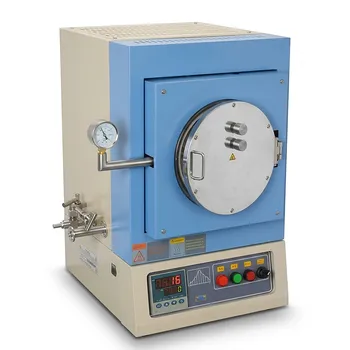
1100°C High Temperature Quartz Chamber Furnace 8 Inch OD with 7.6 Liter Capacity and Vacuum Atmosphere Capability
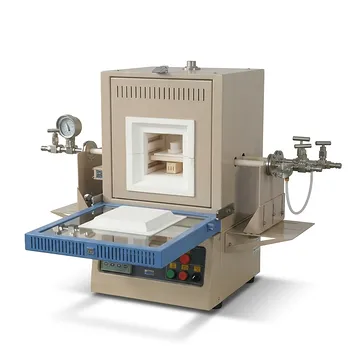
1700C Compact Hybrid Furnace with Dual Layer Box Sintering and Controlled Atmosphere Alumina Tubes
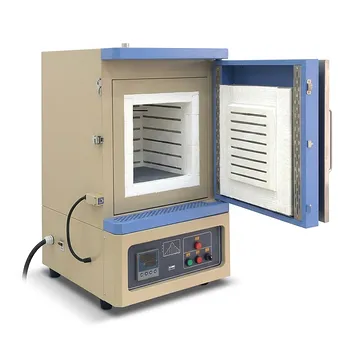
Five Side Heating Muffle Furnace High Purity Alumina Fiber 27L Chamber 1200C High Temperature Thermal Processing System for Sintering Annealing and Materials Research
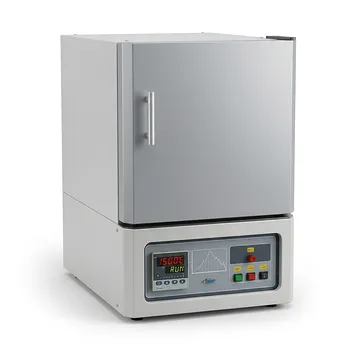
High Temperature 1500C Benchtop Muffle Furnace 3.6L Alumina Fiber Chamber Programmable Controller Sintering Annealing Carbonization Thermal Processing System
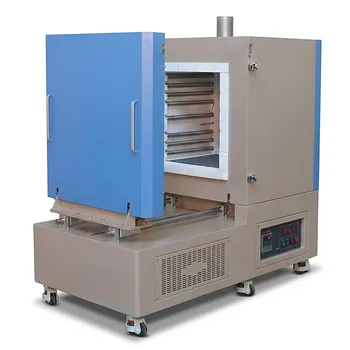
1200C Five Side Heating Muffle Furnace with Sliding Door 125L Volume High Temperature Heat Treatment System for Large Scale Sintering and Annealing
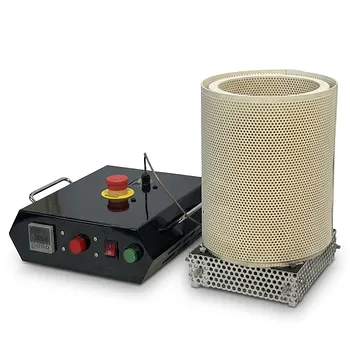
1250 C Compact Vertical Box Furnace for Glovebox Material Research Air Sensitive Samples
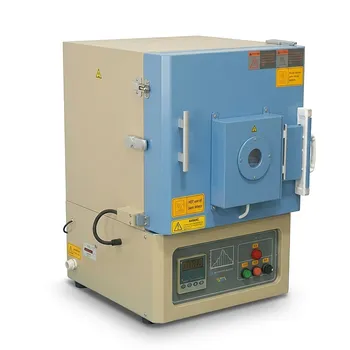
High Temperature Benchtop Muffle Furnace 1500C with 3.6L Chamber and Quartz Observation Window
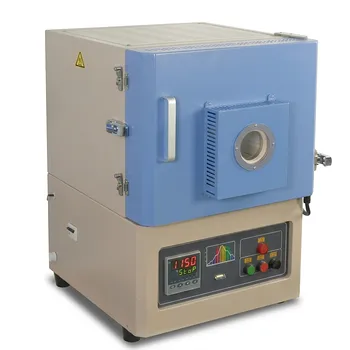
High Temperature Benchtop Muffle Furnace with Quartz Observation Window for Thermal Imaging and Material Analysis
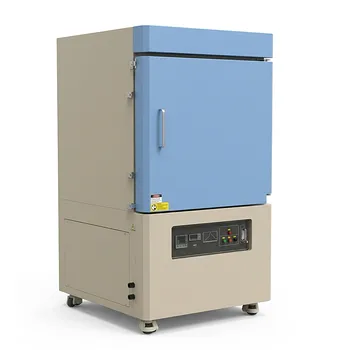
Industrial Large Box Furnace 1700C 216L High Temp Muffle Sintering System

1200°C 5 Inch Vertical Quartz Tube Furnace with Stainless Steel Vacuum Flanges
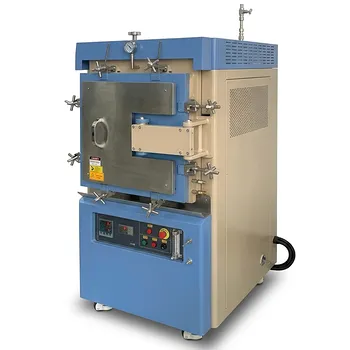
Atmosphere Controlled Muffle Furnace 1700C Maximum Temperature 80L High Capacity Vacuum Inert Gas Box Furnace
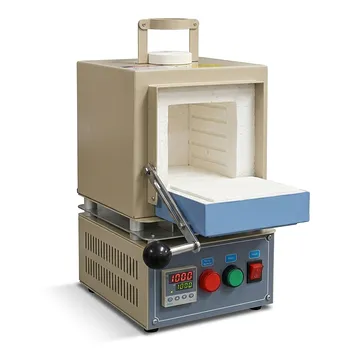
Compact 1000C Muffle Furnace with Programmable Controller and 2 Inch Top Port for Vacuum and Atmosphere Material Research