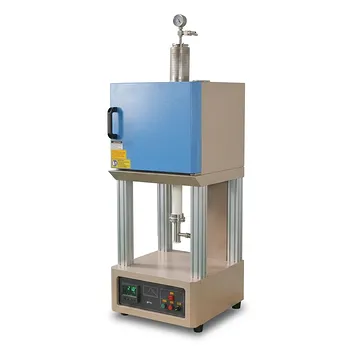
How does a box furnace facilitate the conversion of precursors in catalyst impregnation processes? Master Calcination
Updated 3 months ago
A box furnace facilitates catalyst conversion by providing a controlled, medium-temperature environment specifically designed for calcination. This thermal treatment triggers the decomposition of metal salt precursors (such as nitrates) into stable metal oxide intermediates. By precisely managing the temperature and heating rate, the furnace ensures the removal of volatile organics and establishes the foundation for the catalyst’s final surface area and activity.
The box furnace serves as the essential transition point in catalyst synthesis, transforming adsorbed liquid precursors into solid-state oxides. This process defines the initial particle distribution and sets the chemical stage for subsequent high-temperature reduction or sintering.
The Mechanism of Thermal Transformation
Decomposition of Metal Salt Precursors
The primary role of the box furnace is to drive the thermal decomposition of metal salts, such as nickel nitrate, that have been impregnated into a support. At temperatures typically ranging from 350°C to 500°C, the chemical bonds in these precursors break down, releasing gases and leaving behind solid metal oxides.
Removal of Organic and Volatile Components
During the heating process, the furnace effectively eliminates organic residues, solvents, and dry gel components. This purification is necessary to clear the pore structure of the catalyst support, ensuring that the active sites are accessible for future chemical reactions.
Formation of Active Oxide Intermediates
The conversion process results in the formation of metal oxide microcrystals or composite structures. These intermediates are more stable than their precursor salts and serve as the direct precursors for metallic nanoparticles formed during later reduction stages in a tube furnace.
Managing Catalyst Nanostructure
Controlling Grain Size and Nucleation
By setting specific heating rates (e.g., 5 °C/min), a box furnace allows researchers to manage the nucleation and growth of oxide grains. This precision enables the fine-tuning of grain sizes and the concentration of surface defects, which are critical for maximizing catalytic performance.
Suppressing Particle Agglomeration
Rapid heating configurations, or "flash roasting," can be used to quickly convert precursors into active phases. This speed is vital for suppressing the agglomeration of nanoparticles, preserving a high catalytic surface area that would otherwise be lost through slow, prolonged heating.
Establishing Support Interaction
The calcination step determines the strength of the interaction between the active metal phase and the carrier (such as alumina or natural clay). A well-executed furnace cycle ensures that the active components are securely anchored to the support, preventing leaching or deactivation during use.
Enhancing Support Functionality
Improving Wettability via Pre-oxidation
In specific applications like Metal-Supported Solid Oxide Electrolysis Cells (MS-SOECs), box furnaces are used for the pre-oxidation of metal supports. This creates a thin oxide layer that improves the wettability of the catalyst precursor solution, allowing for more uniform impregnation within the pores.
Protection and Longevity
The thermal environment can be used to generate protective layers, such as chromium oxide on stainless steel, which enhances oxidation resistance. This step is crucial for extending the service life of the catalyst support in high-temperature operating environments.
Understanding the Trade-offs
Static Atmosphere Limitations
Most standard box furnaces operate with a static air atmosphere, which is excellent for oxidation but limits the ability to perform complex gas-phase chemistry. For processes requiring specific gas flows or nitrogen doping, a tube furnace is often a more appropriate, albeit more complex, alternative.
Thermal Gradients and Uniformity
While box furnaces offer a stable environment, large chambers may experience slight thermal gradients. If the heating is not uniform, it can lead to variations in particle size distribution across a single batch, potentially affecting the consistency of the catalyst’s activity.
Making the Right Choice for Your Goal
- If your primary focus is maximizing surface area: Utilize rapid heating or "flash roasting" protocols to minimize the time particles have to agglomerate during the phase transition.
- If your primary focus is structural stability: Use a slower, programmed ramp rate to ensure deep, uniform decomposition and strong chemical bonding between the oxide and the support.
- If your primary focus is preparing for metallic catalysts: Ensure the calcination temperature in the box furnace is sufficient to fully convert salts to oxides before moving to a reduction furnace.
By mastering the thermal environment of the box furnace, you gain definitive control over the foundational architecture of your catalyst.
Summary Table:
| Function | Key Mechanism | Resulting Benefit |
|---|---|---|
| Decomposition | Thermal breakdown of metal salts | Conversion to stable metal oxide intermediates |
| Purification | Removal of volatiles & organics | Cleared pore structures for active site access |
| Size Control | Managed heating/nucleation rates | Precise tuning of grain size & surface defects |
| Stabilization | Enhanced support interaction | Prevents leaching and improves catalyst longevity |
| Surface Prep | Pre-oxidation for wettability | Ensures uniform impregnation within support pores |
Elevate Your Catalyst Synthesis with THERMUNITS
Precision in thermal processing is the foundation of high-performance materials. At THERMUNITS, we are a leading manufacturer of high-temperature laboratory equipment specifically engineered for material science and industrial R&D.
Whether you need a Box/Muffle furnace for precise calcination, a Tube or Vacuum furnace for reduction, or advanced CVD/PECVD systems for nanostructure control, our solutions offer the thermal uniformity and control required for consistent catalyst activity.
Our value to your research and production:
- Comprehensive Solutions: We offer a wide range of equipment including Rotary furnaces, Hot Press furnaces, Dental Furnaces, Electric Rotary Kilns, and Vacuum Induction Melting (VIM) furnaces.
- Expert Engineering: Optimized heating elements and insulation for superior temperature stability and energy efficiency.
- Targeted Results: Tailored thermal profiles to help you achieve specific grain sizes and surface areas.
Ready to optimize your heat treatment workflow? Contact our experts today to find the perfect thermal solution for your laboratory.
References
- Guanzhi Wang, Michael C. Tucker. Simple processing via thermal treatment and catalyst infiltration to enhance nickel electrode performance for liquid alkaline water electrolyzers. DOI: 10.1016/j.ijhydene.2024.06.246
Mentioned Products
- 1700C Box Furnace with Sliding Platform for Rapid Heating and Cooling High Temperature Thermal Processing System
- 1200C Hydrogen Atmosphere Box Furnace with 5 Heated Sides and 64L Chamber
- 1400C Bottom Loaded Inert Gas Atmosphere Box Furnace with 125L Capacity and Precision Hydraulic Lift
- High Throughput Four Channel Box Furnace 1500C Max Independent Temperature Control Material Research Sintering System
- 1650C High Temperature Atmosphere Controlled Box Furnace with 65L Chamber for Advanced Material Sintering and Industrial Heat Treatment
People Also Ask
- What is the role of a high-temperature box furnace in the solid-state synthesis of Europium-doped M3MgSi2O8 phosphors?
- Why is a high-temperature box furnace required for 1250°C ferrite calcination? Ensure Precise Phase Transformation.
- What role does an industrial-grade high-temperature furnace play in C2F sintering? Achieve Pure Phase and High Strength
- How does a high-temp box furnace aid rare-earth oxysulfide phosphor synthesis? Enhance Purity & Luminescence
- What is the role of a high-temperature box furnace in Na3MnZr(PO4)3 synthesis? Engineering High-Performance NASICON.

Tech Team · ThermUnits
Last updated on Jun 03, 2026
Related Products
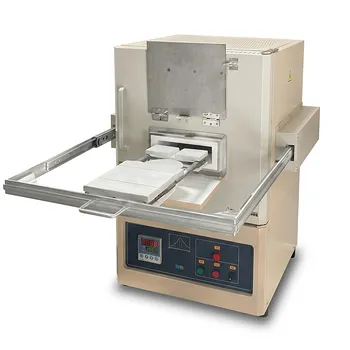
1700C Box Furnace with Sliding Platform for Rapid Heating and Cooling High Temperature Thermal Processing System
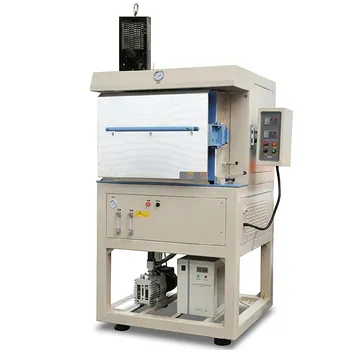
1200C Hydrogen Atmosphere Box Furnace with 5 Heated Sides and 64L Chamber
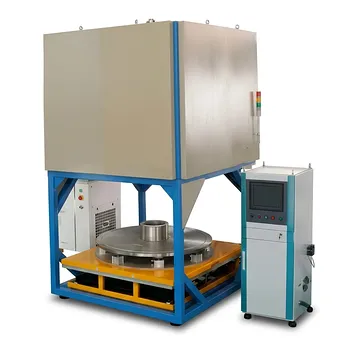
1400C Bottom Loaded Inert Gas Atmosphere Box Furnace with 125L Capacity and Precision Hydraulic Lift
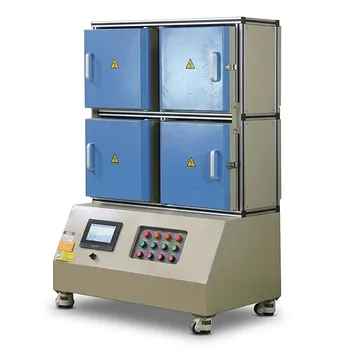
High Throughput Four Channel Box Furnace 1500C Max Independent Temperature Control Material Research Sintering System
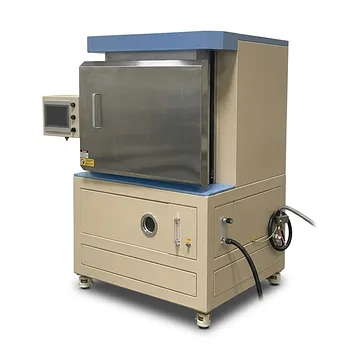
1650C High Temperature Atmosphere Controlled Box Furnace with 65L Chamber for Advanced Material Sintering and Industrial Heat Treatment
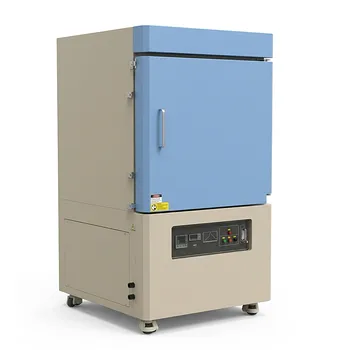
Industrial Large Box Furnace 1700C 216L High Temp Muffle Sintering System
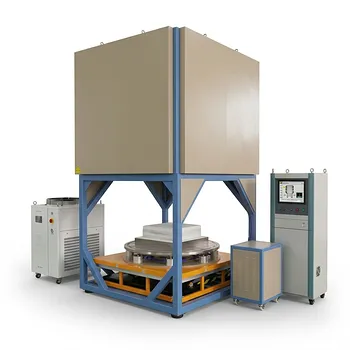
Bottom Loaded Inert Gas Atmosphere Box Furnace 1700C 1300C 216L Large Capacity Industrial Thermal Processing System
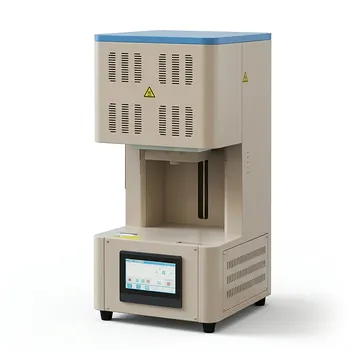
Automated 1700C High Temperature Bottom Loading Box Furnace with PC Software Control and Robotic Integration Capability
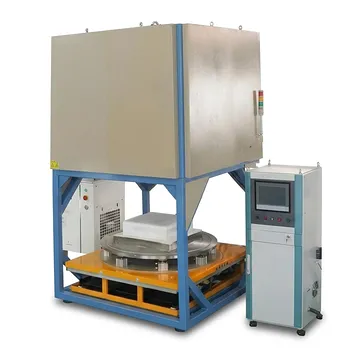
Bottom Loaded Inert Gas Atmosphere Box Furnace 1400C Maximum Temperature 125L High Capacity Laboratory Heat Treatment System
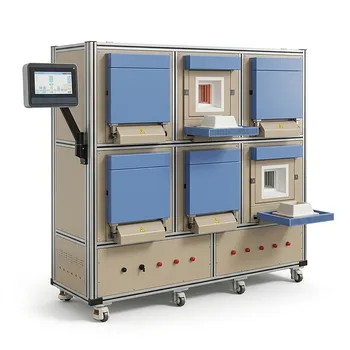
High Temperature 1700℃ Eight Chamber Box Furnace with Automatic Doors for Autonomous Material Research and High Throughput Heat Treatment
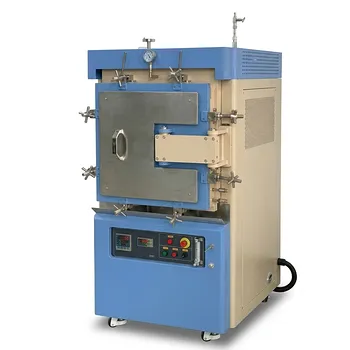
High Temperature Economic Hydrogen Gas Box Furnace 1600C Atmosphere Controlled Thermal Processing System 65L Capacity
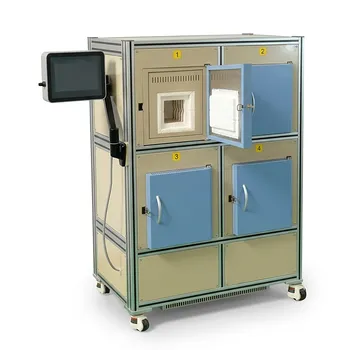
High Temperature Four Chamber Box Furnace for High Throughput Materials Research and Space Saving Thermal Processing
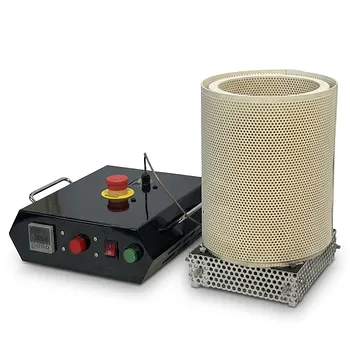
1250 C Compact Vertical Box Furnace for Glovebox Material Research Air Sensitive Samples
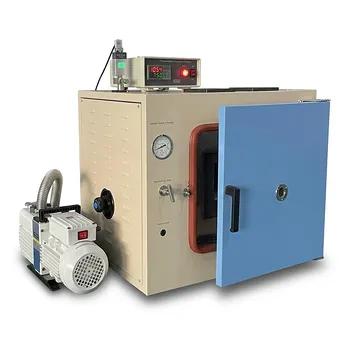
Compact High Vacuum Box Furnace 1050C Max 6.2L Ceramic Chamber Stainless Steel Shell Programmable Temperature Controller for Material Science Research
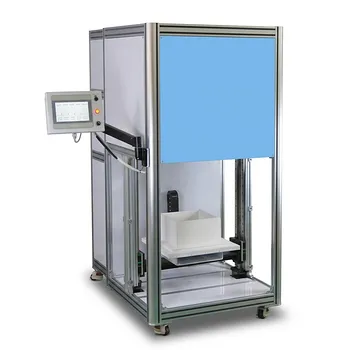
High Temperature 1600°C Three Zone Heated Bottom Loading Box Furnace with Rapid Thermal Processing Chamber 72L Volume
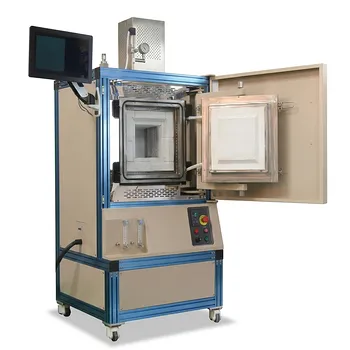
High Temperature Hydrogen Atmosphere Box Furnace 1650C Max Reducing Environment Material Synthesis System 8x8x8 Chamber
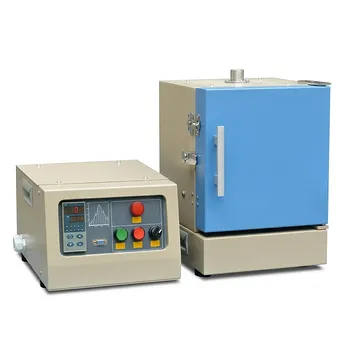
1200C Small Box Muffle Furnace with Separated Programmable Controller and 4.2L Alumina Fiber Chamber
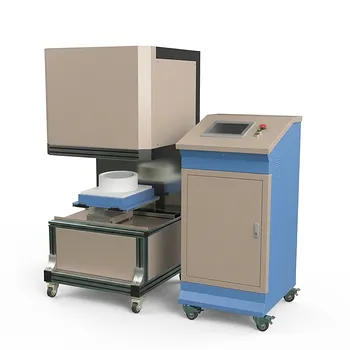
High Temperature Bottom Loading Box Furnace for Rapid Thermal Processing 1700C 40L Capacity
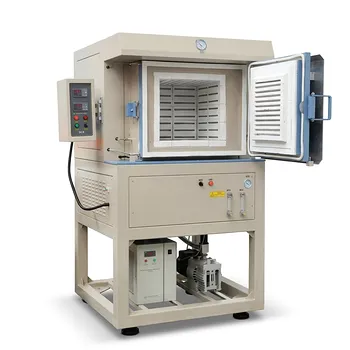
1200°C Five Side Heating Atmosphere Controlled Muffle Furnace 64 Liter High Uniformity Box Furnace for Material Synthesis