How are electric heating elements designed to operate within carburizing atmospheres? Top Design Strategies Revealed
Updated 5 months ago
Electric heating elements in carburizing atmospheres are designed using isolation or electrical modification to prevent failure from carbon-rich gases. Specifically, engineers utilize radiant tubes to physically house elements like Kanthal or silicon carbide, or they employ low-voltage, high-current tabular designs that are inherently resistant to short-circuiting.
Controlling electric heating in a carbon-rich environment requires neutralizing the conductive nature of carbon deposits. By isolating the element or reducing its voltage potential, operators can prevent the "sooting" that typically leads to catastrophic heater failure.
The Challenge of Carbon Sooting
Carbon as a Semi-Conductor
In a carburizing atmosphere, the high carbon potential leads to the formation of carbon deposits, also known as sooting. Because carbon is electrically conductive, these deposits can settle on heating elements or their ceramic supports.
The Mechanism of Short-Circuiting
If carbon builds up between two points of different electrical potential, it creates an unintended conductive path. This leads to short-circuiting, localized overheating, and the eventual melting or snapping of the heating element.
Isolation via Radiant Tubes
Physical Atmosphere Separation
The most common design strategy is to house the resistance heaters inside an alloy or ceramic radiant tube. This ensures the heating element never makes contact with the reactive, carbon-laden process gas.
Thermal Transfer Efficiency
While the tube acts as a barrier, it must still allow for efficient heat transfer. The element heats the internal wall of the tube via radiation, and the tube then radiates that heat into the furnace chamber and the workload.
Element Longevity
By operating in a clean, isolated environment (often containing only ambient air), elements like Kanthal (Iron-Chromium-Aluminum) can maintain their protective oxide layer. This significantly extends the service life compared to elements exposed directly to the carburizing gas.
Low-Voltage, High-Current Tabular Designs
Reducing Electrical Potential
An alternative design utilizes heavy, low-voltage tabular elements that can operate directly in the atmosphere. By keeping the voltage very low (often below 30 volts), the "drive" for the current to jump across carbon deposits is minimized.
Robust Structural Cross-Sections
These elements are typically thicker and more robust than standard wire coils. Their high-current nature allows them to generate necessary heat levels while being physically sturdy enough to resist the stresses of the carburizing environment.
Minimizing Arcing
Because the potential difference between adjacent parts of the heater is so low, even if some carbon soot accumulates, it is less likely to trigger a high-energy arc that would destroy the heater.
Understanding the Trade-offs
Thermal Lag and Response Time
Radiant tubes introduce a layer of thermal lag between the element and the furnace chamber. This can make precise temperature control slightly more complex than open-coil heaters, as the tube must be heated before the chamber sees the temperature rise.
Infrastructure Costs
Low-voltage systems require specialized step-down transformers to handle the high-current demands. This adds to the initial capital expenditure and requires more floor space for electrical cabinets compared to standard line-voltage systems.
Maintenance and Inspection
While radiant tubes protect the element, the tubes themselves are subject to carburization and embrittlement. They must be periodically inspected for cracks, as a compromised tube will allow carbon to enter and cause immediate element failure.
Applying These Designs to Your Project
Making the Right Choice for Your Goal
To determine which heating design is appropriate for your furnace, consider your primary operational priority:
- If your primary focus is Maximum Element Longevity: Utilize radiant tubes to completely isolate the heaters from the corrosive effects of the carburizing gas.
- If your primary focus is Simple Chamber Geometry: Consider low-voltage tabular elements which can be positioned more flexibly than large, rigid radiant tubes.
- If your primary focus is Reducing Thermal Lag: Select high-quality furnace alloys for thinner-walled radiant tubes to improve the speed of thermal transfer.
Choosing the correct design ensures that the high-carbon environment strengthens your steel parts without destroying your heating infrastructure.
Summary Table:
| Design Method | Protection Mechanism | Primary Advantage | Key Trade-off |
|---|---|---|---|
| Radiant Tubes | Physical Isolation | Maximum element lifespan | Thermal lag; tube maintenance |
| Low-Voltage Tabular | Reduced Voltage (<30V) | Resists arcing/shorting | Requires step-down transformers |
| Kanthal/SiC | Protective Oxide Layer | High-temperature stability | Susceptible to direct carbon contact |
Optimize Your Thermal Processing with THERMUNITS Expertise
Struggling with heating element failure in harsh carburizing environments? THERMUNITS is a leading manufacturer specializing in high-performance laboratory and industrial thermal equipment. From Atmosphere and Vacuum Furnaces to CVD/PECVD systems and Electric Rotary Kilns, we deliver engineered solutions that withstand the toughest R&D and production demands.
Why Partner with THERMUNITS?
- Custom Engineering: Tailored heating configurations for Muffle, Tube, and Hot Press furnaces.
- Advanced Reliability: Expertly designed radiant tube and low-voltage systems to prevent carbon sooting.
- Global R&D Support: Comprehensive range including Dental Furnaces, VIM systems, and high-quality Thermal Elements.
Ready to enhance your material science research or industrial production? Contact our technical team today to discuss the ideal heat treatment solution for your facility!
Mentioned Products
- Roller Table Atmosphere Furnace 1500C High Temperature Battery Material Sintering System 112L Capacity
- 1650C High Temperature Atmosphere Controlled Box Furnace with 65L Chamber for Advanced Material Sintering and Industrial Heat Treatment
- 1200C Hydrogen Atmosphere Box Furnace with 5 Heated Sides and 64L Chamber
- 1200°C Atmosphere Controlled Automatic Bottom Loading Furnace with 6 Inch Quartz Tube
- High Temperature Oxygen and Inert Atmosphere Controlled Furnace 8 Liter 1700C Sintering System for Advanced Materials RD
People Also Ask
- How does a high-temperature sintering furnace environment enhance NdFeB magnets? Achieve 98%+ density with precision.
- How does the temperature control precision of a high-temperature sintering furnace affect Na1+xLa1-xZr2O6-δ ceramics?
- How does a high-temperature sintering furnace contribute to the interfacial strengthening of SS316L and zirconia?
- Why is a high-temperature sintering furnace required for the preparation of Li(Nb,Ta)O3 precursors? Essential Insights
- What is the primary function and operating principle of an atmosphere furnace? Mastering Controlled Thermal Processing

Tech Team · ThermUnits
Last updated on Apr 14, 2026
Related Products
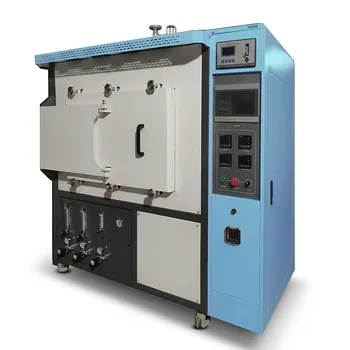
Roller Table Atmosphere Furnace 1500C High Temperature Battery Material Sintering System 112L Capacity
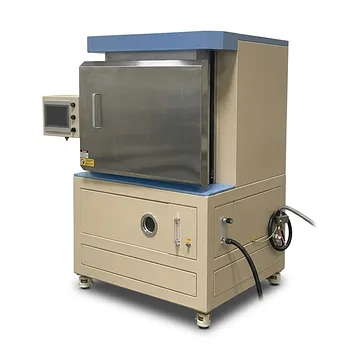
1650C High Temperature Atmosphere Controlled Box Furnace with 65L Chamber for Advanced Material Sintering and Industrial Heat Treatment
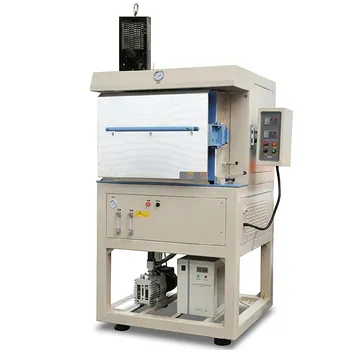
1200C Hydrogen Atmosphere Box Furnace with 5 Heated Sides and 64L Chamber
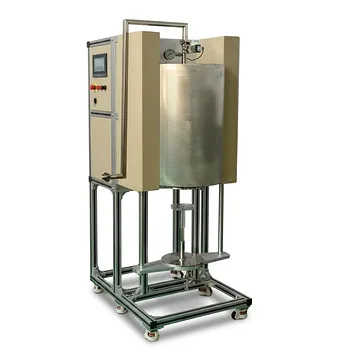
1200°C Atmosphere Controlled Automatic Bottom Loading Furnace with 6 Inch Quartz Tube
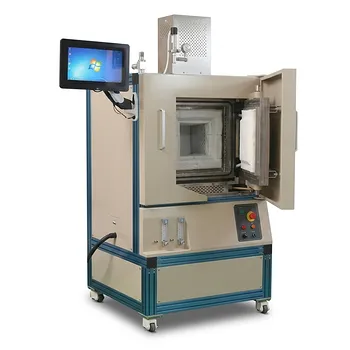
High Temperature Oxygen and Inert Atmosphere Controlled Furnace 8 Liter 1700C Sintering System for Advanced Materials RD
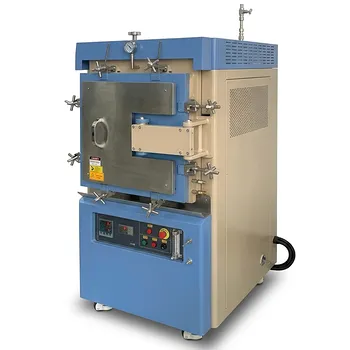
Atmosphere Controlled Muffle Furnace 1700C Maximum Temperature 80L High Capacity Vacuum Inert Gas Box Furnace
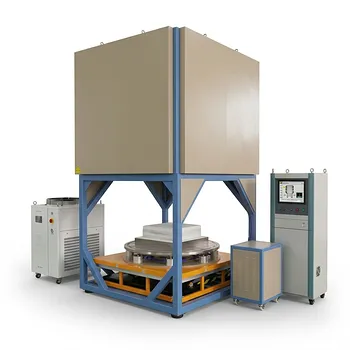
Bottom Loaded Inert Gas Atmosphere Box Furnace 1700C 1300C 216L Large Capacity Industrial Thermal Processing System
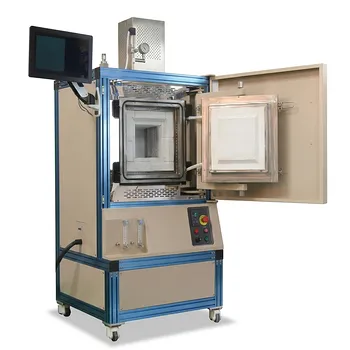
High Temperature Hydrogen Atmosphere Box Furnace 1650C Max Reducing Environment Material Synthesis System 8x8x8 Chamber
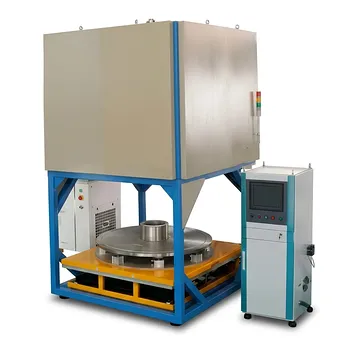
1400C Bottom Loaded Inert Gas Atmosphere Box Furnace with 125L Capacity and Precision Hydraulic Lift
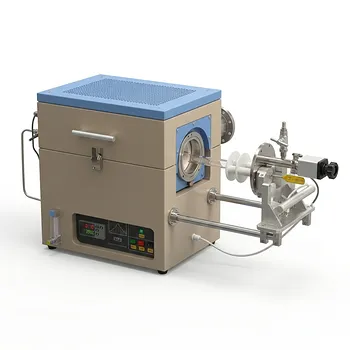
Compact Atmosphere Controlled Rapid Thermal Processing RTP Furnace with 4 Inch ID Quartz Tube 1100C
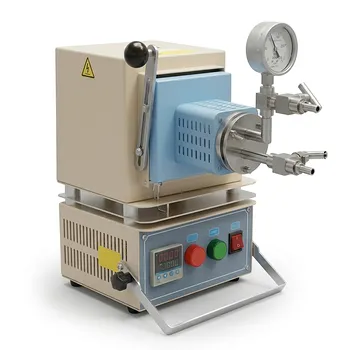
Compact Hybrid Muffle and Tube Furnace for 1000C Controlled Atmosphere Laboratory Material Sintering
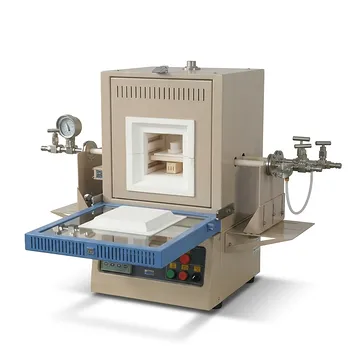
1700C Compact Hybrid Furnace with Dual Layer Box Sintering and Controlled Atmosphere Alumina Tubes

Vertical 1700C Vacuum and Atmosphere Tube Furnace with 80mm Alumina Tube
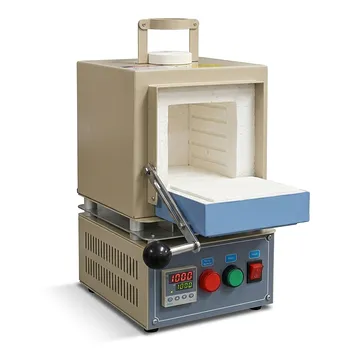
Compact 1000C Muffle Furnace with Programmable Controller and 2 Inch Top Port for Vacuum and Atmosphere Material Research
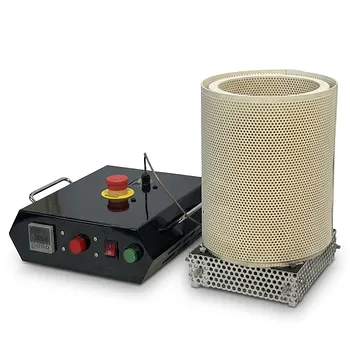
1250 C Compact Vertical Box Furnace for Glovebox Material Research Air Sensitive Samples
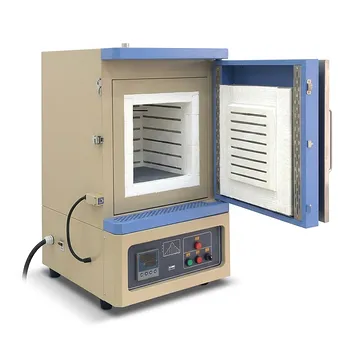
Five Side Heating Muffle Furnace High Purity Alumina Fiber 27L Chamber 1200C High Temperature Thermal Processing System for Sintering Annealing and Materials Research
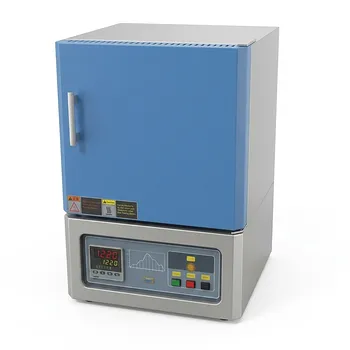
High Temperature Benchtop Muffle Furnace 1700C 10L Chamber Alumina Fiber Insulation MoSi2 Heating Elements
1200C Five Side Heating Muffle Furnace with Sliding Door 125L Volume High Temperature Heat Treatment System for Large Scale Sintering and Annealing
High Temperature 1500C Benchtop Muffle Furnace 3.6L Alumina Fiber Chamber Programmable Controller Sintering Annealing Carbonization Thermal Processing System
