How does the continuous flow of high-purity argon gas protect materials? Enhance Your Furnace Process Integrity
Updated 3 months ago
The continuous flow of high-purity argon gas acts as a multifaceted chemical and physical shield. By displacing atmospheric oxygen and nitrogen, argon creates an inert, positive-pressure environment that prevents spontaneous oxidation and suppresses the violent evaporation of volatile metallic components. This stabilization ensures that diffusion reactions and phase transitions occur based on the intended chemical design rather than environmental contamination.
Core Takeaway: argon gas provides a controlled, inert atmosphere that protects reactive metals from oxidation and stabilizes the melt surface. This isolation is essential for maintaining precise chemical compositions and ensuring that observed metallurgical behaviors are a result of internal reactions, not atmospheric interference.
Chemical Isolation and Oxidation Prevention
Displacing Atmospheric Contaminants
The primary function of high-purity argon is to exclude oxygen and nitrogen from the reaction chamber. At elevated temperatures, even trace amounts of these gases can lead to the formation of thick oxide scales that impede diffusion and alter the alloy's properties.
Protecting Highly Reactive Metals
Metals such as Calcium (Ca), Magnesium (Mg), and Samarium (Sm) are prone to rapid, spontaneous oxidation at temperatures as low as 500°C to 850°C. A continuous argon flow ensures these elements remain in their metallic state, which is critical for the smooth progression of diffusion reactions and the maintenance of a stable melt composition.
Ensuring Selective Reaction Mechanisms
By removing environmental oxygen, argon ensures that deoxidation or reduction processes are driven exclusively by the intended reagents, such as aluminum powder or refining slag. This isolation allows for an accurate reflection of chemical reaction mechanisms at the slag-metal interface and significantly increases the alloying yield of rare earth elements.
Maintaining Physical and Structural Integrity
Suppressing Surface Evaporation and Fluctuations
High-temperature melts often experience violent fluctuations or evaporation at the surface, particularly with volatile components. The continuous introduction of argon gas provides a stabilizing pressure that suppresses these fluctuations, preventing material loss and maintaining a consistent liquid-vapor interface.
Safeguarding Carbon-Based Carriers and Substrates
In advanced material synthesis, argon protects delicate structures like Carbon Nanoboxes from being eroded by oxygen at high temperatures. This protection allows metal precursors to undergo selective agglomeration, facilitating the precise construction of single-atom or atomic-cluster structures without destroying the underlying carrier.
Facilitating Precision Observation
For experimental processes requiring imaging, argon prevents the formation of oxide films that would otherwise obscure the microstructural features of the sample. This ensures that measurements of liquid-phase wetting behavior represent the true interface between the alloy and the substrate rather than false resistance caused by surface oxidation.
Understanding the Trade-offs
The Cost of Ultra-High Purity
While argon is effective, the requirement for ultra-high purity (often 99.999% or higher) significantly increases operational costs. Any failure in the gas purification system or a leak in the delivery lines can introduce contaminants that jeopardize the entire dealloying or sintering process.
Positive Pressure vs. Gas Consumption
Maintaining a positive-pressure environment requires a continuous flow, which can lead to high gas consumption rates in large-scale furnaces. If the flow rate is too high, it may cause localized cooling or disturb delicate powder samples; if it is too low, it may fail to effectively purge the gaseous byproducts generated during the reaction.
Potential for Thermal Gradients
The introduction of a continuous gas stream into a high-temperature zone can create thermal gradients within the furnace. These temperature variations can influence the uniformity of the dealloying process, necessitating sophisticated furnace designs that pre-heat the argon before it reaches the sample.
Making the Right Choice for Your Goal
How to Apply This to Your Project
Achieving the best results with argon shielding depends on your specific material requirements and the temperature of the process.
- If your primary focus is protecting highly volatile/reactive metals (Ca, Mg, Sm): Maintain a high-purity, continuous flow to suppress surface evaporation and prevent the formation of thick oxide scales that stop diffusion.
- If your primary focus is nanostructure synthesis (Single-atom catalysts): Use argon to shield carbon-based carriers from oxygen erosion, ensuring the carrier remains intact while metal atoms migrate and agglomerate.
- If your primary focus is precision metallurgical analysis (Wetting or Imaging): Prioritize a positive-pressure atmosphere to keep the alloy surface "clean," allowing for unobstructed laser focusing and accurate measurement of liquid-phase behavior.
- If your primary focus is clean steel or alloy production: Use the gas flow to purge trace gaseous products and maintain chemical equilibrium for effective dephosphorization and desulfurization.
By meticulously controlling the argon atmosphere, you ensure the integrity of the material's chemical evolution and the accuracy of the resulting data.
Summary Table:
| Protection Mechanism | Key Function | Material Benefit |
|---|---|---|
| Chemical Isolation | Displaces $O_2$ and $N_2$ | Prevents oxidation of reactive metals like Ca and Mg |
| Physical Stability | Maintains positive pressure | Suppresses violent evaporation and surface fluctuations |
| Structural Shielding | Inert atmosphere barrier | Protects carbon nanoboxes and delicate nanostructures |
| Precision Observation | Clears oxide films | Enables accurate microstructural imaging and wetting analysis |
Optimize Your Research with THERMUNITS Expert Solutions
Ensure the highest material integrity for your R&D projects. As a leading manufacturer of high-temperature laboratory equipment, THERMUNITS provides advanced Atmosphere, Vacuum, Tube, and CVD/PECVD furnaces specifically engineered for precise gas atmosphere control. Whether you are working on material dealloying, single-atom catalyst synthesis, or industrial heat treatment, our comprehensive thermal solutions—including Muffle and Rotary furnaces—offer the stability your science demands.
Unlock superior heat treatment performance today. Contact our technical team for a custom solution!
References
- Kook Noh Yoon, Eun Soo Park. Water‐Etched Porous Ti: Surface Manipulation of Ti Foam Fabricated by Liquid Metal Dealloying Technique. DOI: 10.1002/smtd.202401092
Mentioned Products
- High Temperature Bottom Loading Box Furnace for Rapid Thermal Processing 1700C 40L Capacity
- High Temperature Bottom Loading Vertical Furnace 1700C Dual Stage Sample Processing System 18L Large Capacity Thermal Treatment Equipment
- High Temperature 1600°C Three Zone Heated Bottom Loading Box Furnace with Rapid Thermal Processing Chamber 72L Volume
- High Temperature Muffle Furnace with Alloy Chamber for Debinding and Sintering Applications
- 1200C High Temperature 125L Muffle Furnace 5 Side Heating for Large Batch Sintering with Optional Alloy Debinding Chamber
People Also Ask
- What are the advantages of using a Bottom-Loading High-Temperature Furnace in Barium Titanate Fast Firing? Superior Microstructure
- What is the role of a high-temperature box furnace in the solid-state synthesis of Europium-doped M3MgSi2O8 phosphors?
- What is the role of a high-temperature box furnace in Na3MnZr(PO4)3 synthesis? Engineering High-Performance NASICON.
- Why is a high-temperature box furnace required for 1250°C ferrite calcination? Ensure Precise Phase Transformation.
- How does a high-temp box furnace aid rare-earth oxysulfide phosphor synthesis? Enhance Purity & Luminescence

Tech Team · ThermUnits
Last updated on Jun 02, 2026
Related Products
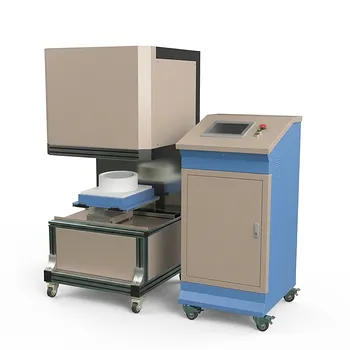
High Temperature Bottom Loading Box Furnace for Rapid Thermal Processing 1700C 40L Capacity
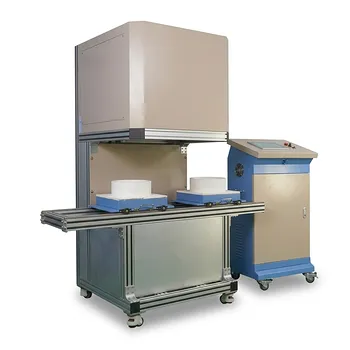
High Temperature Bottom Loading Vertical Furnace 1700C Dual Stage Sample Processing System 18L Large Capacity Thermal Treatment Equipment
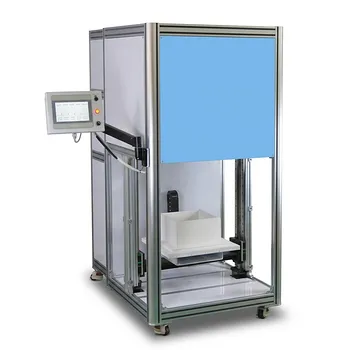
High Temperature 1600°C Three Zone Heated Bottom Loading Box Furnace with Rapid Thermal Processing Chamber 72L Volume
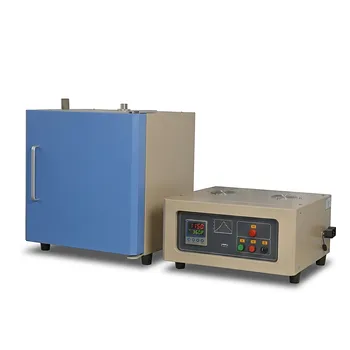
High Temperature Muffle Furnace with Alloy Chamber for Debinding and Sintering Applications
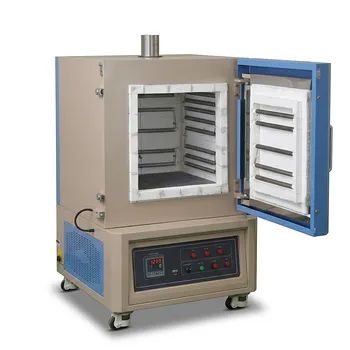
1200C High Temperature 125L Muffle Furnace 5 Side Heating for Large Batch Sintering with Optional Alloy Debinding Chamber
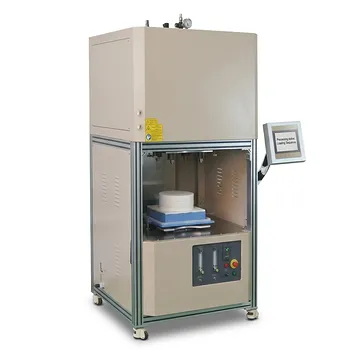
High Temperature Vertical Atmosphere Controlled Furnace with Automatic Bottom Loading and 1700°C Capacity for Advanced Material Research
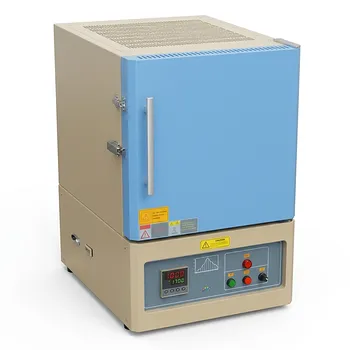
Large Bench Top 1700C High Temperature Muffle Furnace with 19L Chamber for Advanced Material Sintering and Annealing
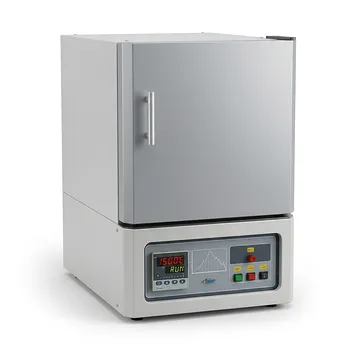
High Temperature 1500C Benchtop Muffle Furnace 3.6L Alumina Fiber Chamber Programmable Controller Sintering Annealing Carbonization Thermal Processing System
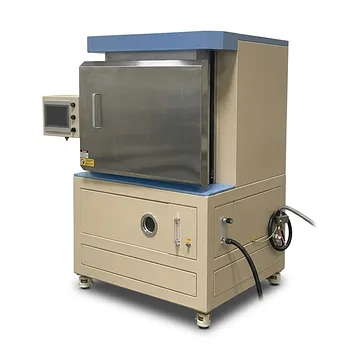
1650C High Temperature Atmosphere Controlled Box Furnace with 65L Chamber for Advanced Material Sintering and Industrial Heat Treatment
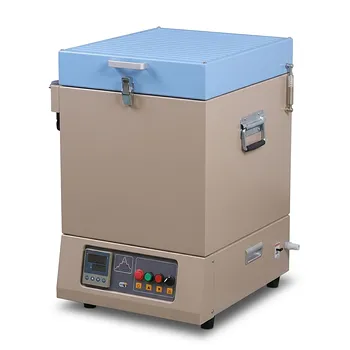
High Temperature Vertical Crucible Furnace with 22L Heating Chamber and 1200C Maximum Temperature

High Temperature 1700C Tube Furnace with High Vacuum Turbomolecular Pump System and Multi Channel Mass Flow Controller Gas Mixer

High Temperature Tube Furnace 1500C with Sliding Flanges and 50mm OD for Rapid Thermal Processing Fast Heating and Cooling
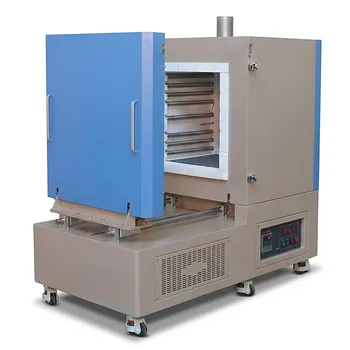
1200C Five Side Heating Muffle Furnace with Sliding Door 125L Volume High Temperature Heat Treatment System for Large Scale Sintering and Annealing
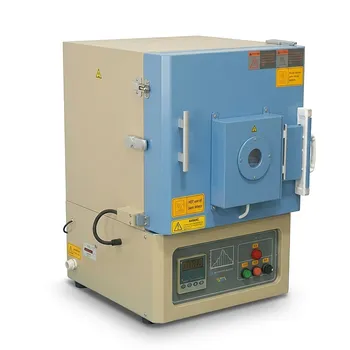
High Temperature Benchtop Muffle Furnace 1500C with 3.6L Chamber and Quartz Observation Window
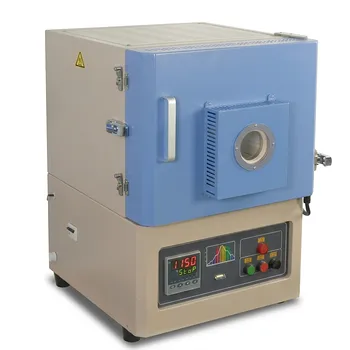
High Temperature Benchtop Muffle Furnace with Quartz Observation Window for Thermal Imaging and Material Analysis
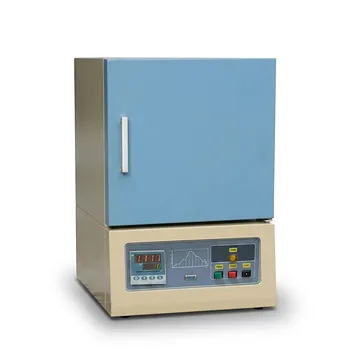
Ultra High Temperature Bench Top Muffle Furnace 1750C Sintering System with Kanthal Super Heating Elements and Precision Digital Control
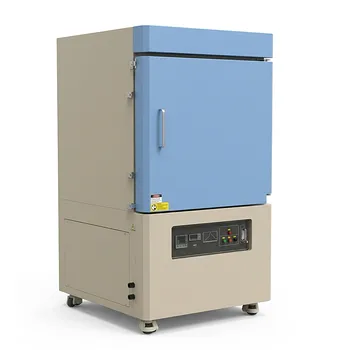
Industrial Large Box Furnace 1700C 216L High Temp Muffle Sintering System
Five Side Heating Muffle Furnace High Purity Alumina Fiber 27L Chamber 1200C High Temperature Thermal Processing System for Sintering Annealing and Materials Research
High Temperature Benchtop Muffle Furnace 1700C 10L Chamber Alumina Fiber Insulation MoSi2 Heating Elements