How does final coking temperature influence carbon structure? Optimize Thermal Precision for High-Performance Materials
Updated 3 months ago
The final coking temperature acts as the primary catalyst for transitioning coal from a disordered molecular state into a highly ordered carbon structure. By precisely regulating this thermal threshold, laboratory furnaces facilitate the detachment of macromolecular side chains and the condensation of aromatic nuclei. This leads to a more compact arrangement of carbon layers, which significantly improves the material's mechanical strength and electrical conductivity.
The precise control of final coking temperature is the deciding factor in whether a carbon structure achieves the necessary degree of graphitization or suffers from structural defects. It dictates the balance between aromatic condensation and pore morphology, directly influencing the coke's ultimate performance in industrial and battery applications.
The Mechanism of Structural Ordering
Molecular Detachment and Condensation
Precise temperature levels in high-precision furnaces ensure the systematic detachment of macromolecular side chains within the coal matrix. This controlled thermal energy allows aromatic nuclei to undergo polycondensation, effectively rebuilding the coal's internal framework into a more stable, ordered arrangement.
Densification of Carbon Layers
As the final coking temperature is reached and held, the furnace drives a transition toward a compact arrangement of carbon layers. This structural densification is responsible for a measurable reduction in specific electrical resistance, facilitating better electron flow through the coke.
Enhancement of Mechanical Integrity
The resulting structural order directly correlates to the Coke Strength after Reaction (CSR). By maintaining a stable thermal field, the furnace ensures that the coke develops a resilient micro-architecture capable of withstanding the chemical and physical stresses of industrial processing.
Managing Porosity and Micro-architecture
The Transition from Open to Closed Pores
At extreme temperatures, such as 1300°C, the carbon layers undergo bending and folding, which initiates a self-repairing process of surface pores. This mechanism transforms open pores into closed pores, a structural shift that is fundamental for increasing the storage capacity of hard carbon materials in battery applications.
Prevention of Pore Sintering
Precise control is critical when the goal is to maintain specific surface areas, such as in activated carbon production. While 600°C may facilitate pore formation, exceeding this to 700°C can cause pore structures to collapse or sinter, leading to a significant loss of adsorption sites and material efficacy.
Interlayer Spacing and Sodium Storage
Programmable temperature control allows for the specific manipulation of interlayer spacing (typically 0.37 to 0.40 nm). By coordinating heating curves with the decomposition of surface functional groups, furnaces can maximize the formation of hard carbon micro-architectures that optimize low-voltage sodium storage.
Understanding the Trade-offs
Temperature Precision vs. Structural Collapse
The primary trade-off in high-temperature carbonization involves thermal intensity versus structural integrity. While higher temperatures generally promote graphitization and density, excessive heat can inadvertently destroy the delicate pore networks required for specific chemical or electrochemical reactions.
Yield Stability and Reproducibility
The precision of the furnace directly determines the reproducibility of the carbonization yield (K-value). Lack of temperature uniformity or stability leads to inconsistent dehydrogenation, resulting in experimental data that lacks scientific validity and products with unpredictable physical properties.
How to Apply This to Your Project
Recommendations for Targeted Carbon Design
- If your primary focus is mechanical strength (CSR): Focus on stabilizing the furnace at the highest recommended final temperature to maximize aromatic condensation and layer compaction.
- If your primary focus is electrical conductivity: Ensure a long isothermal holding period at high temperatures to facilitate thorough graphitization and reduce electrical resistance.
- If your primary focus is adsorption or surface area: Implement strict temperature limits (often below 650°C) to prevent the sintering and collapse of the established pore structure.
- If your primary focus is battery anode capacity: Use multi-stage programmable heating to precisely manage the transition from open to closed pores and optimize interlayer spacing.
By mastering the precise thermal windows of a laboratory furnace, researchers can transform coal from a raw organic mixture into a sophisticated, high-performance carbon material.
Summary Table:
| Factor | Structural Change | Performance Impact |
|---|---|---|
| Molecular Transition | Detachment of side chains & polycondensation | Creates a stable, ordered internal framework |
| Layer Arrangement | Densification & compacting of carbon layers | Reduces electrical resistance & boosts conductivity |
| Porosity Control | Transition from open to closed pores | Enhances storage capacity for battery applications |
| Thermal Stability | Prevention of pore sintering/collapse | Maintains high surface area for adsorption efficacy |
| Coke Strength | Development of resilient micro-architecture | Improves Coke Strength after Reaction (CSR) |
Elevate Your Material Research with THERMUNITS Precision
As a global leader in high-temperature laboratory equipment for material science and industrial R&D, THERMUNITS provides the extreme thermal precision necessary to master carbon structure optimization. Our comprehensive range of solutions—including Muffle, Vacuum, Atmosphere, Tube, and Rotary furnaces, as well as CVD/PECVD systems and Electric Rotary Kilns—ensures the uniform heating and stable isothermal holding required for consistent graphitization and pore management.
Whether you are engineering high-capacity battery anodes or industrial-grade coke, our equipment delivers the reliability your research demands. Contact our technical experts today to find the perfect thermal processing solution for your laboratory.
References
- Д. В. Мірошниченко, E. L. Soloviev. Specific electrical resistance as an indicator ordering of coke structure. DOI: 10.23939/ctas2024.01.078
Mentioned Products
- Vertical Crucible Furnace 1000C High Temperature Laboratory Equipment 4.7 Inch Diameter Chamber SS316 Anti Corrosive Enclosure
- High Temperature Compact Muffle Furnace 1700 C with 30 Segment Programmable Controller and 1.7L Cubic Chamber
- High Temperature 1500C Benchtop Muffle Furnace 3.6L Alumina Fiber Chamber Programmable Controller Sintering Annealing Carbonization Thermal Processing System
- High Temperature 1700C Bench Top Muffle Furnace with Alumina Fiber Insulation and 3.6L Chamber Capacity for Precision Sintering and Heat Treatment
- High Temperature Benchtop Muffle Furnace 1500C with 3.6L Chamber and Quartz Observation Window
People Also Ask
- What is the function of a high-temperature laboratory furnace in the synthesis of Crystalline Carbon Nitride (PTI)?
- How Lab Furnaces Simulate Industrial Conditions for CPCM Stability: Optimize Your Thermal Cycling R&D
- Why is a low initial heating rate of 1 °C/min required for Rh–WNO precursors? Ensuring Structural Integrity & Dispersion
- Why is a laboratory furnace with ultra-high heating rate capabilities necessary for simulating coal injection processes?
- What is the objective of performing long-term annealing at 653 K on quenched PbTe-Ag2Te? Drive Ostwald Ripening.

Tech Team · ThermUnits
Last updated on Jun 03, 2026
Related Products
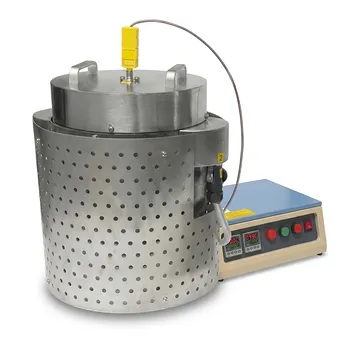
Vertical Crucible Furnace 1000C High Temperature Laboratory Equipment 4.7 Inch Diameter Chamber SS316 Anti Corrosive Enclosure
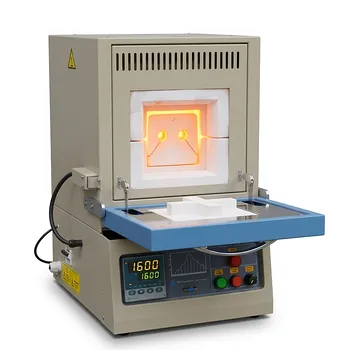
High Temperature Compact Muffle Furnace 1700 C with 30 Segment Programmable Controller and 1.7L Cubic Chamber
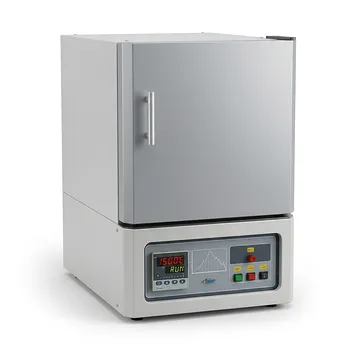
High Temperature 1500C Benchtop Muffle Furnace 3.6L Alumina Fiber Chamber Programmable Controller Sintering Annealing Carbonization Thermal Processing System
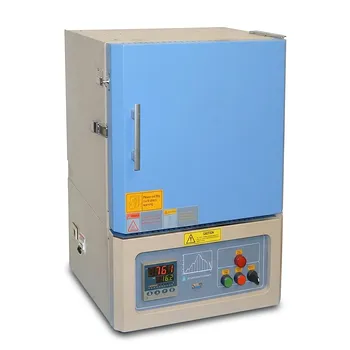
High Temperature 1700C Bench Top Muffle Furnace with Alumina Fiber Insulation and 3.6L Chamber Capacity for Precision Sintering and Heat Treatment
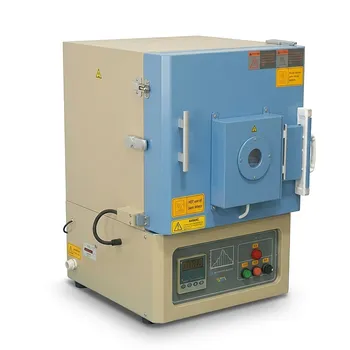
High Temperature Benchtop Muffle Furnace 1500C with 3.6L Chamber and Quartz Observation Window
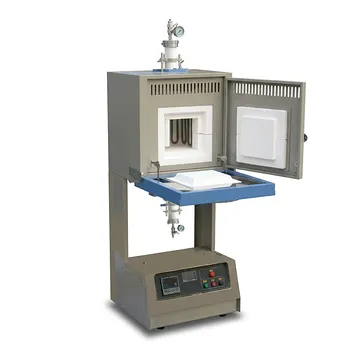
Vertical Hybrid High Temperature Furnace 1500C Alumina Tube SOFC Fuel Cell Testing Laboratory Heat Treatment Research Equipment
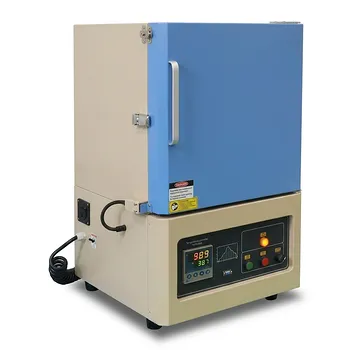
1200°C High Temperature Muffle Furnace 19L Chamber with 50 Segment Programmable Controller
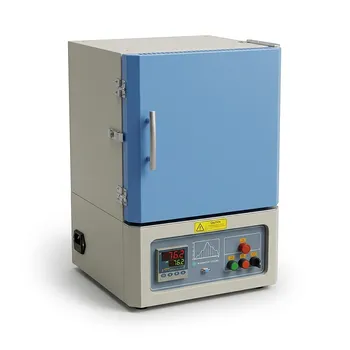
1750C Bench Top Muffle Furnace 3.6L High Grade Molybdenum Disilicide Heating Elements Laboratory Heat Treatment Equipment
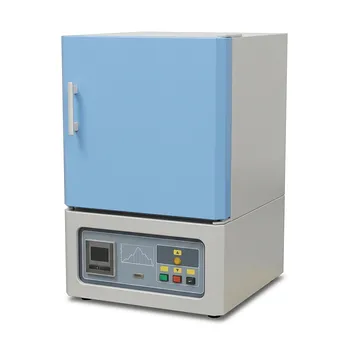
1800C Bench Top Muffle Furnace with Kanthal Super 1900 Heating Elements and 3.6L Alumina Fiber Chamber
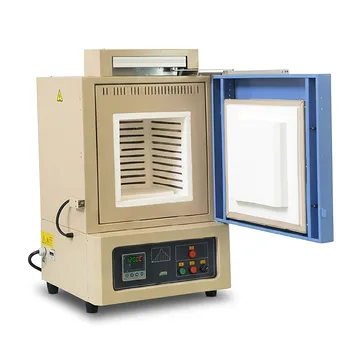
1200C High Temperature Muffle Furnace with Motorized Door and Automated PC Control for Industrial Sintering and Material Processing 27 Liter
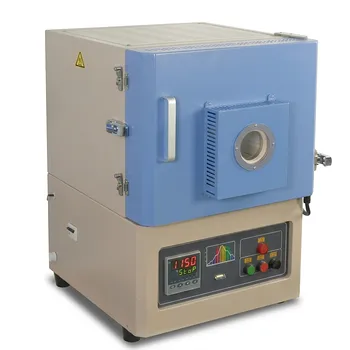
High Temperature Benchtop Muffle Furnace with Quartz Observation Window for Thermal Imaging and Material Analysis
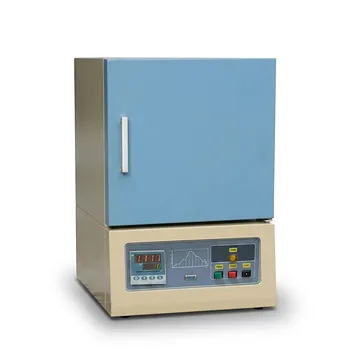
Ultra High Temperature Bench Top Muffle Furnace 1750C Sintering System with Kanthal Super Heating Elements and Precision Digital Control
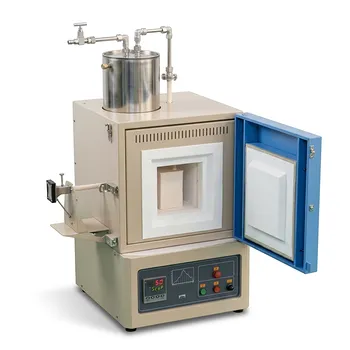
High Temperature Bench Top Muffle Furnace 1700C with Integrated Evaporating Particle Collection and 8x8x8 Alumina Fiber Chamber
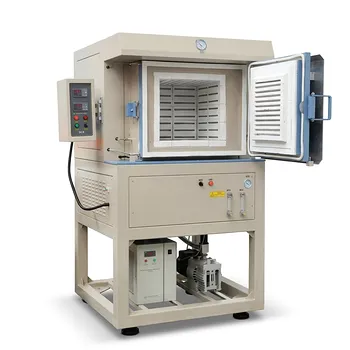
1200°C Five Side Heating Atmosphere Controlled Muffle Furnace 64 Liter High Uniformity Box Furnace for Material Synthesis
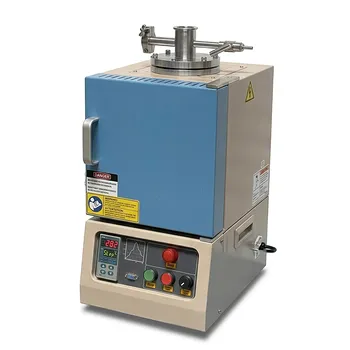
High Temperature Hybrid Muffle and Tube Furnace with Vacuum Capability and PID Control
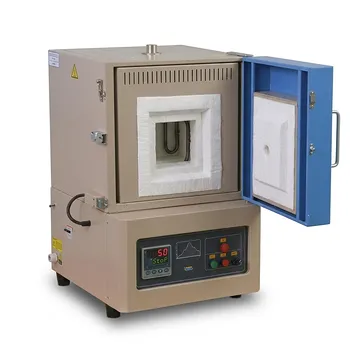
1800°C Bench Top Ultra High Temperature Muffle Furnace with Sapphire Observation Window and Top Feeding Port for Materials Research and Thermal Processing
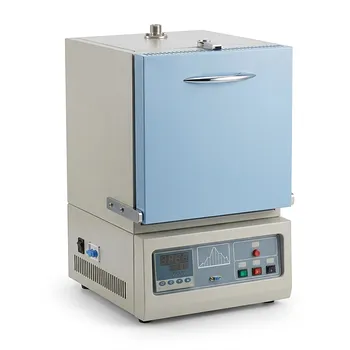
1750C Compact Muffle Furnace 1.7L Ultra High Temperature Laboratory Sintering System for Advanced Ceramics and Material Science Research
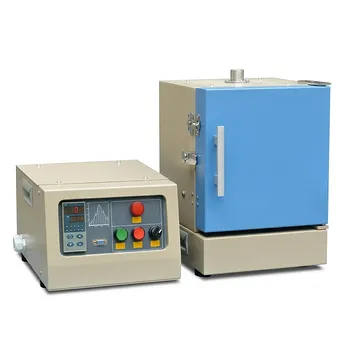
1200C Small Box Muffle Furnace with Separated Programmable Controller and 4.2L Alumina Fiber Chamber
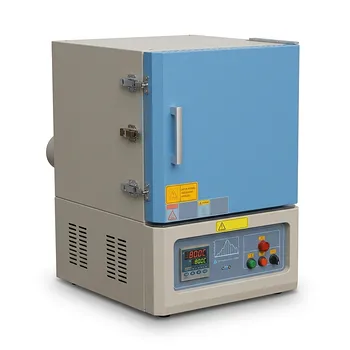
1800C Bench Top Muffle Furnace 18 Liters with Kanthal Super 1900 Heating Elements for High Purity Ceramic Sintering and Material Research