What is the function of a high-temperature laboratory furnace in the synthesis of Crystalline Carbon Nitride (PTI)?
Updated 5 months ago
High-temperature laboratory furnaces are the engine of molecular transformation in Crystalline Carbon Nitride (PTI) synthesis.
The furnace provides a precisely controlled thermal environment required to induce the thermal polymerization of organic precursors. By regulating specific temperatures, it ensures that raw materials convert into a crystalline phase characterized by a highly ordered triazine structure. This thermal process is the critical factor in determining the final physicochemical properties and pore size distribution of the resulting membrane material.
The high-temperature furnace serves as more than a heat source; it is a precision tool that dictates the structural integrity and crystallinity of PTI. By balancing heating rates and stable temperatures, it bridges the gap between raw precursors and a functional, ordered carbon nitride framework.
The Role of Thermal Precision in Molecular Arrangement
Inducing Thermal Polymerization
The primary function of the furnace is to provide the energy necessary for thermal polymerization. In the case of PTI, the furnace facilitates the rearrangement of precursor molecules into a stable, layered structure. This transformation requires sustained, specific temperatures to ensure the chemical bonds form correctly across the material.
Defining the Triazine Framework
The furnace is responsible for the transition of precursors into a highly ordered triazine structure. Without precise temperature regulation, the material may fail to achieve the required crystallinity, resulting in an amorphous or disordered product. The thermal environment ensures that the "building blocks" of the carbon nitride align into the specific crystalline phase desired for technical applications.
Determining Pore Size and Physicochemical Properties
The thermal profile within the furnace directly influences the pore size distribution of the PTI particles. By controlling the duration and intensity of the heat, researchers can tailor the membrane's surface area and chemical reactivity. This level of control is essential for creating materials used in filtration, catalysis, or sensing.
Controlling the Kinetics of Synthesis
Rapid Thermal Processing
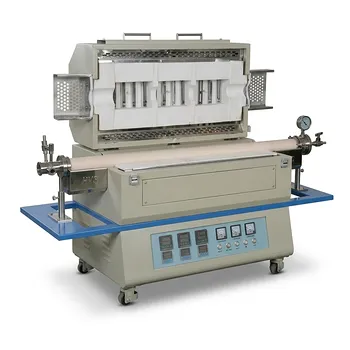
In specific configurations, such as tube furnaces, the equipment allows for rapid thermal processing by preheating to temperatures between 650–680°C. This high heating rate completes thermal polycondensation in a very short window, often within minutes. This speed is vital for suppressing the sublimation loss of monomers, ensuring more of the precursor is converted into the final product.
Atmosphere and Environmental Integrity
Many high-temperature furnaces allow for the introduction of protective atmospheres, such as nitrogen or specialized gas mixtures. This environment prevents unwanted oxidation and ensures that the chemical states of the catalytic sites or nitrogen-doped skeletons remain pure. The ability to seal the atmosphere is fundamental to achieving complete precursor conversion without contamination.
Substrate Protection
Precise thermal control protects sensitive components, such as FTO (Fluorine-doped Tin Oxide) substrates, from damage. By minimizing the time the substrate is exposed to peak temperatures through efficient heating, the furnace preserves the structural integrity of the entire assembly. This is particularly important when synthesizing PTI films or membranes directly onto supporting materials.
Understanding the Trade-offs
Temperature Uniformity vs. Throughput
Maintaining a perfectly stable thermal environment is challenging as the volume of the sample increases. While larger muffle furnaces can process more material, they may suffer from thermal gradients that lead to inconsistent crystallinity. Smaller tube furnaces offer better precision and faster heating rates but are limited by the physical dimensions of the sample.
Sublimation vs. Polymerization
There is a delicate balance between reaching the temperature needed for polymerization and the point where precursors begin to sublimate (turn to gas and escape). If the heating rate is too slow, a significant portion of the raw material may be lost before it can bond. Conversely, heating too rapidly can cause structural defects or "shattering" of the crystalline lattice due to rapid gas evolution.
How to Apply This to Your Synthesis Goal
Choosing the Right Thermal Strategy
- If your primary focus is high crystallinity and structural order: Utilize a furnace with high-precision PID controllers and a slow ramp rate (e.g., 5 °C/min) to allow for complete molecular rearrangement.
- If your primary focus is minimizing precursor loss: Opt for a preheated tube furnace that allows for rapid insertion of the sample to trigger near-instantaneous polycondensation.
- If your primary focus is thin-film stability on a substrate: Ensure the furnace can provide a localized hot zone that limits the duration of high-heat exposure to the FTO or glass support.
The high-temperature furnace is the definitive tool for transforming simple organic precursors into the complex, ordered architecture of Crystalline Carbon Nitride.
Summary Table:
| Furnace Function | Impact on PTI Synthesis | Key Equipment Advantage |
|---|---|---|
| Thermal Polymerization | Induces molecular rearrangement into stable layers | Precise PID temperature control |
| Structural Framework | Defines highly ordered triazine structures | Exceptional thermal uniformity |
| Pore Size Regulation | Tailors surface area and chemical reactivity | Programmable heating profiles |
| Kinetic Management | Minimizes sublimation loss of precursors | Rapid thermal processing (Tube furnaces) |
| Atmosphere Control | Prevents oxidation and ensures chemical purity | Sealed gas-tight/vacuum configurations |
Elevate Your Material Research with THERMUNITS Precision Furnaces
As a leading manufacturer of high-temperature laboratory equipment for material science and industrial R&D, THERMUNITS understands that structural integrity begins with precise thermal control. We offer a comprehensive range of thermal processing solutions tailored for synthesizing Crystalline Carbon Nitride and other advanced materials.
Our product lineup includes:
- Muffle, Vacuum, and Atmosphere Furnaces for diverse chemical environments.
- Tube and Rotary Furnaces for rapid thermal polycondensation.
- CVD/PECVD Systems for advanced thin-film deposition.
- Hot Press Furnaces and VIM Systems for specialized material processing.
Whether you need to optimize pore size distribution or ensure complete precursor conversion, our equipment delivers the stability and accuracy your research demands.
Ready to enhance your lab's thermal efficiency? Contact our expert team today for a customized consultation!
References
- Yuanyuan Zhang, Lei Jiang. Congener-welded crystalline carbon nitride membrane for robust and highly selective Li/Mg separation. DOI: 10.1126/sciadv.adm9620
Mentioned Products
- 1750C Compact Muffle Furnace 1.7L Ultra High Temperature Laboratory Sintering System for Advanced Ceramics and Material Science Research
- Vertical Crucible Furnace 1000C High Temperature Laboratory Equipment 4.7 Inch Diameter Chamber SS316 Anti Corrosive Enclosure
- High Temperature 1200C Muffle Furnace 27L Volume 12x12x12 Chamber with Programmable PID Controller for Laboratory Material Science
- High Temperature Benchtop Muffle Furnace 1500C with 3.6L Chamber and Quartz Observation Window
- High Temperature 1700C Bench Top Muffle Furnace with Alumina Fiber Insulation and 3.6L Chamber Capacity for Precision Sintering and Heat Treatment
People Also Ask
- What role does a laboratory high-temperature muffle furnace play in the ash analysis phase of biomass co-firing research? [Guide]
- What is the function of a high-temp muffle furnace in Ni-V oxide synthesis? Optimize your material's performance.
- What role does a high-temperature muffle furnace play in the synthesis of Melem precursors? Precision Polymerization.
- What is the function of a high-temperature muffle furnace in phosphorus-modified zeolite catalyst preparation?
- What is the function of a muffle furnace in aluminoborosilicate glass prep? Stabilize Raw Materials for Superior Purity

Tech Team · ThermUnits
Last updated on Apr 14, 2026
Related Products
1750C Compact Muffle Furnace 1.7L Ultra High Temperature Laboratory Sintering System for Advanced Ceramics and Material Science Research
Vertical Crucible Furnace 1000C High Temperature Laboratory Equipment 4.7 Inch Diameter Chamber SS316 Anti Corrosive Enclosure
High Temperature 1200C Muffle Furnace 27L Volume 12x12x12 Chamber with Programmable PID Controller for Laboratory Material Science
High Temperature Benchtop Muffle Furnace 1500C with 3.6L Chamber and Quartz Observation Window
High Temperature 1700C Bench Top Muffle Furnace with Alumina Fiber Insulation and 3.6L Chamber Capacity for Precision Sintering and Heat Treatment
1200°C High Temperature Muffle Furnace 19L Chamber with 50 Segment Programmable Controller
High Temperature 1500C Benchtop Muffle Furnace 3.6L Alumina Fiber Chamber Programmable Controller Sintering Annealing Carbonization Thermal Processing System
High Temperature Muffle Furnace with Dual Controllers and 36L Large Chamber 1700C Max
1750C Bench Top Muffle Furnace 3.6L High Grade Molybdenum Disilicide Heating Elements Laboratory Heat Treatment Equipment
High Temperature Benchtop Muffle Furnace with Quartz Observation Window for Thermal Imaging and Material Analysis
High Temperature Compact Muffle Furnace 1700 C with 30 Segment Programmable Controller and 1.7L Cubic Chamber
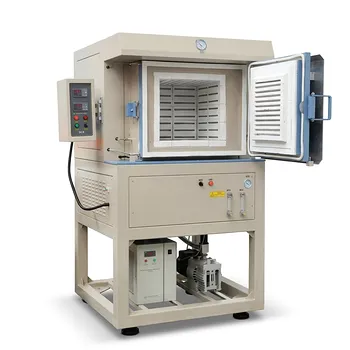
1200°C Five Side Heating Atmosphere Controlled Muffle Furnace 64 Liter High Uniformity Box Furnace for Material Synthesis
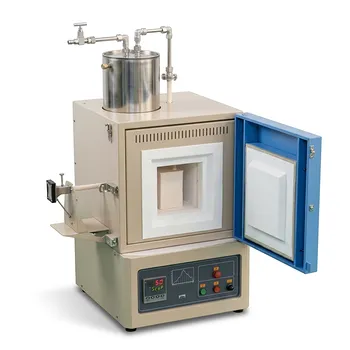
High Temperature Bench Top Muffle Furnace 1700C with Integrated Evaporating Particle Collection and 8x8x8 Alumina Fiber Chamber
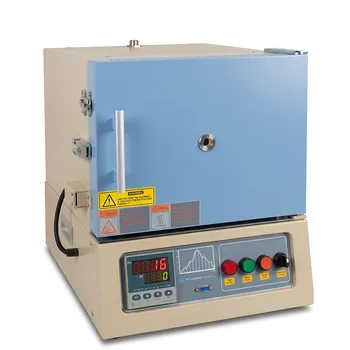
1200C Muffle Furnace 12x8x5 7.2L Heating Chamber with Quartz Observation Window and Vent Port
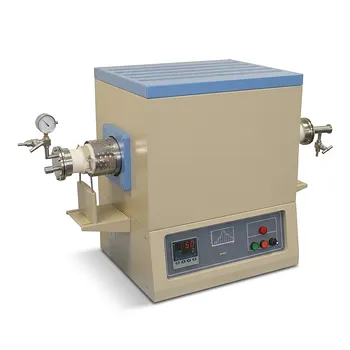
1700C High Temperature Alumina Tube Furnace with 18 Inch Heated Zone and Vacuum Sealing Flanges
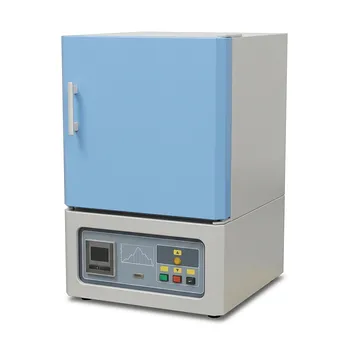
1800C Bench Top Muffle Furnace with Kanthal Super 1900 Heating Elements and 3.6L Alumina Fiber Chamber
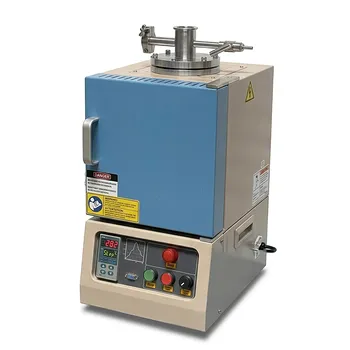
High Temperature Hybrid Muffle and Tube Furnace with Vacuum Capability and PID Control
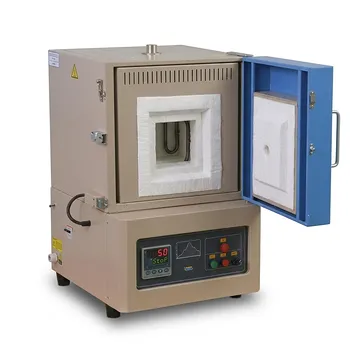
1800°C Bench Top Ultra High Temperature Muffle Furnace with Sapphire Observation Window and Top Feeding Port for Materials Research and Thermal Processing
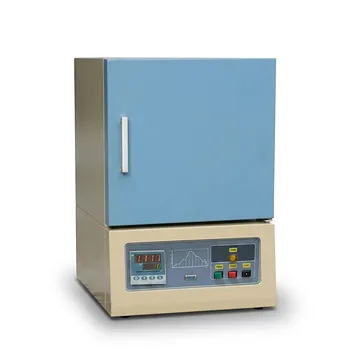
Ultra High Temperature Bench Top Muffle Furnace 1750C Sintering System with Kanthal Super Heating Elements and Precision Digital Control