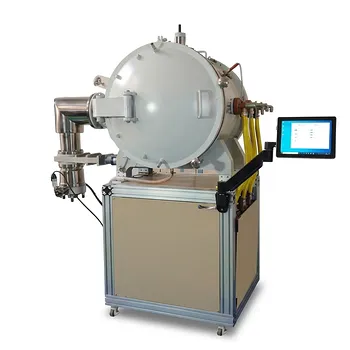
What advantages does VIM offer for W18Cr4V steel? Unlock Unmatched Purity and Precision
Updated 3 months ago
Vacuum Induction Melting (VIM) provides W18Cr4V high-speed steel with unmatched purity. By operating under high vacuum levels—approximately 6.67 x 10⁻³ Pa—it completely eliminates oxidation and removes dissolved gaseous impurities like oxygen, nitrogen, and hydrogen. This process ensures a clean, homogenous melt that prevents the composition segregation common in high-alloy steels, ultimately leading to a superior, fine-grained microstructure.
VIM solves the core challenges of high-alloy steel production by combining atmospheric isolation with active metallurgical stirring. This dual approach ensures that W18Cr4V maintains precise chemical integrity while allowing for the uniform dispersion of critical micro-alloying elements.
Precise Control of the Melting Environment
Elimination of Atmospheric Contamination
Traditional melting methods expose molten steel to the atmosphere, leading to the pickup of oxygen and nitrogen. These gases can form unwanted oxides and nitrides that weaken the structural integrity of high-speed steel. VIM operates in a high-vacuum environment, effectively insulating the melt from these contaminants.
Effective Degassing and Volatile Removal
The vacuum conditions facilitate the rapid removal of dissolved gases such as hydrogen and carbon monoxide from the melt pool. Furthermore, VIM is highly effective at removing volatile impurities that have a high vapor pressure. This results in a level of steel cleanliness that is virtually impossible to achieve through non-vacuum processes.
Minimizing Crucible Interaction
The non-contact nature of electromagnetic induction heating reduces the risk of contamination from the containment vessel. This is critical for high-performance alloys where even trace amounts of unwanted elements can compromise the tool's final performance. The result is a highly stable material foundation for subsequent processing.
Superior Chemical Homogeneity and Microstructure
The Role of Electromagnetic Stirring
VIM furnaces utilize alternating magnetic fields to generate heat, which inherently produces an electromagnetic stirring effect. This continuous movement ensures that all alloying elements are distributed evenly throughout the melt pool. For a complex alloy like W18Cr4V, this prevents the "pooling" of heavy elements that leads to chemical imbalances.
Dispersion of Nanocomposite Inoculants
A primary advantage for W18Cr4V is the ability to rapidly and uniformly disperse nanocomposite inoculants. These additives are essential for controlling the solidification process and ensuring the steel achieves a fine-grained microstructure. Uniform dispersion addresses the composition segregation issues that typically plague traditional high-alloy steel casting.
Precision in Alloying Elements
Because the environment is strictly controlled, engineers can add trace micro-alloying elements with extreme precision. Elements such as vanadium or titanium can be introduced without the risk of being lost to oxidation. This allows for the study and production of alloys where the solid solution state of these elements is critical to performance.
Understanding the Trade-offs
Higher Operational Complexity
VIM systems require sophisticated vacuum pumping systems and specialized cooling configurations. This complexity increases both the initial capital investment and the ongoing maintenance requirements compared to open-air induction or arc furnaces. Personnel must also be trained to handle high-vacuum equipment safely.
Increased Cost and Throughput Limits
The time required to achieve a high vacuum ($6.67 \times 10^{-3} \text{ Pa}$) adds significant cycle time to each melt. This makes VIM more expensive on a per-ton basis than traditional methods. Consequently, it is typically reserved for high-value special alloys and aerospace-grade materials rather than commodity steels.
How to Apply This to Your Project
When deciding whether to utilize VIM for your high-speed steel production, consider your specific performance requirements and production scale.
- If your primary focus is extreme tool longevity and toughness: Use VIM to ensure the total removal of gaseous impurities and to achieve a fine, uniform grain structure that resists cracking.
- If your primary focus is experimental alloying or R&D: Utilize VIM for its ability to provide precise control over trace elements and to study micro-alloying behaviors without atmospheric interference.
- If your primary focus is high-volume, low-cost production: Traditional melting with secondary refining may be more cost-effective, as the high vacuum requirements of VIM significantly increase the cost per unit.
VIM is the gold standard for producing high-purity W18Cr4V, offering a level of chemical and structural consistency that traditional methods cannot match.
Summary Table:
| Feature | Advantage of VIM | Impact on W18Cr4V Steel |
|---|---|---|
| Vacuum Level | $6.67 \times 10^{-3}$ Pa environment | Eliminates oxidation and removes O, N, and H gases. |
| Agitation | Electromagnetic Stirring | Prevents composition segregation; ensures uniform alloying. |
| Purity | Effective Degassing | Removes volatile impurities for peak structural integrity. |
| Microstructure | Inoculant Dispersion | Achieves fine-grained structure for extreme tool toughness. |
| Alloy Precision | Controlled Environment | Precise addition of trace elements (V, Ti) without loss. |
Elevate Your Material Research with THERMUNITS
As a global leader in high-temperature laboratory equipment for material science and industrial R&D, THERMUNITS understands that precision is the foundation of innovation. Whether you are producing high-purity W18Cr4V steel or developing next-generation alloys, our Vacuum Induction Melting (VIM) furnaces provide the vacuum stability and thermal control necessary to exceed industry standards.
Beyond VIM systems, we offer a comprehensive suite of thermal solutions, including:
- Muffle, Atmosphere, and Vacuum Furnaces
- Tube and Rotary Kilns
- CVD/PECVD & Hot Press Systems
- Dental and Induction Melting Furnaces
Ready to achieve superior chemical homogeneity and eliminate atmospheric contamination in your heat treatment process?
Contact THERMUNITS today to consult with our engineers!
References
- Lina Bai, Jie Liu. Effect of In Situ NbC-Cr7C3@graphene/Fe Nanocomposite Inoculant Modification and Refinement on the Microstructure and Properties of W18Cr4V High-Speed Steel. DOI: 10.3390/ma17050976
Mentioned Products
- Induction Melting Casting Furnace 1750C Vacuum High Frequency Metal Processing Unit
- 1900C Maximum High Temperature 7KW Vacuum Induction Melting System with 60mm Quartz Tube and Manual Temperature Control for Metallic Alloy Research
- Atmosphere Controlled Induction Melting Granulating Casting Furnace 1500C 5kg Capacity
- Atmosphere Controlled Induction Melting Casting System 1600C 10L Capacity
- High Temperature Induction Melting System with Integrated Ultra High Purity Glove Box for Metallic Alloy Processing
People Also Ask
- What are the key structural components that make up a Vacuum Induction Melting (VIM) furnace system? Full Guide
- What is the primary role of a Vacuum Induction Melting furnace in the smelting of Fe-Cr-N alloys? Ensuring High Purity
- How does a Vacuum Induction Melting furnace heat materials while preventing atmospheric contamination? Achieve High Purity
- What technical advantages does Vacuum Induction Melting offer regarding alloy homogeneity and purity? Enhance Performance
- How does the skin effect influence VIM frequency selection? Optimize Heat Penetration & Stirring Efficiency

Tech Team · ThermUnits
Last updated on Jun 03, 2026
Related Products
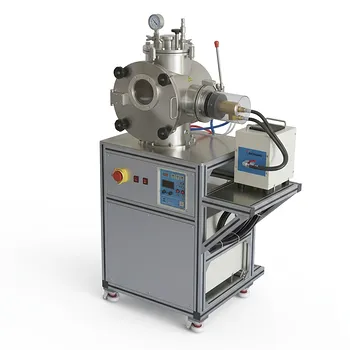
Induction Melting Casting Furnace 1750C Vacuum High Frequency Metal Processing Unit
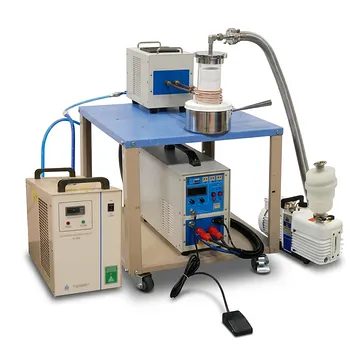
1900C Maximum High Temperature 7KW Vacuum Induction Melting System with 60mm Quartz Tube and Manual Temperature Control for Metallic Alloy Research
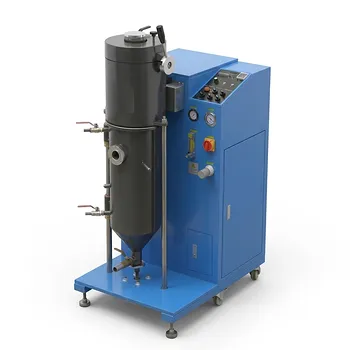
Atmosphere Controlled Induction Melting Granulating Casting Furnace 1500C 5kg Capacity
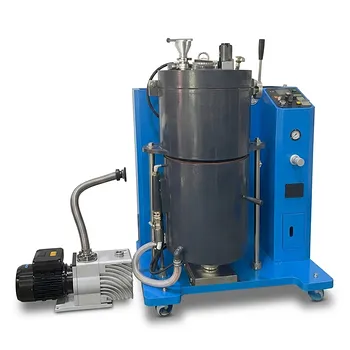
Atmosphere Controlled Induction Melting Casting System 1600C 10L Capacity
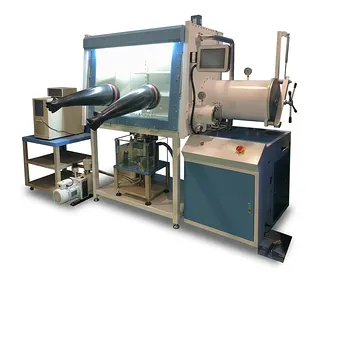
High Temperature Induction Melting System with Integrated Ultra High Purity Glove Box for Metallic Alloy Processing
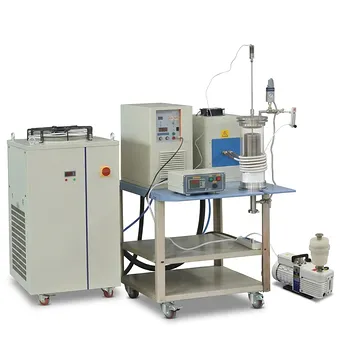
High Temperature Induction Melting System with Multi Cavity Crucible and 15KW Precision Digital Temperature Control
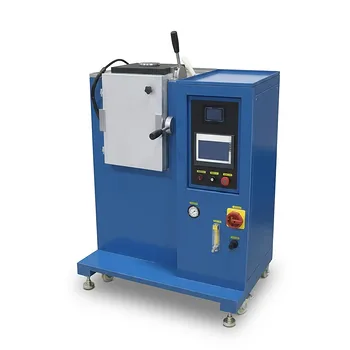
High Throughput Induction Melting and Casting Furnace for Superalloy Research 1700C Atmosphere Controlled Multi Sample System
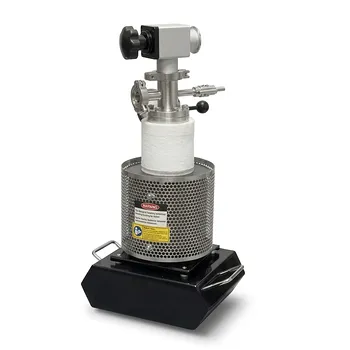
High Temperature 1100C Compact Top Loading Vertical Vacuum Tube Furnace for High Vacuum Noble Metal Melting and Material Research
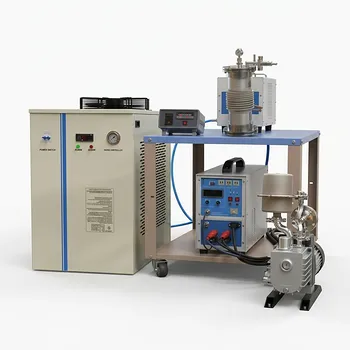
Induction Heating System with Temperature Control for High Temperature Vacuum Sintering and Melting
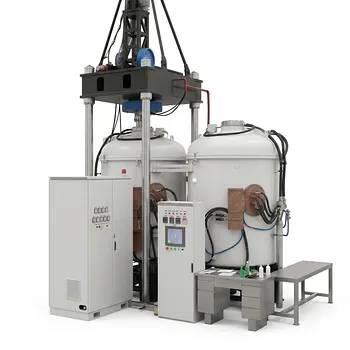
High Pressure 600T Vacuum Induction Hot Press Furnace for Advanced Material Heat Treatment and Sintering
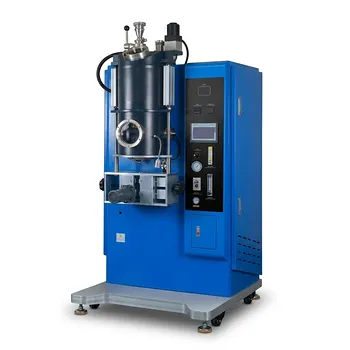
Atmosphere Controlled Continuous Casting Furnace with Secondary Charge Function for Induction Melting and Metal Alloy Wire Production
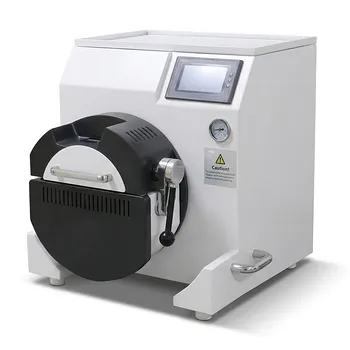
Desktop Induction Melting Furnace with Automatic Rotary Casting Function up to 1700C for Advanced Metal Alloy Research
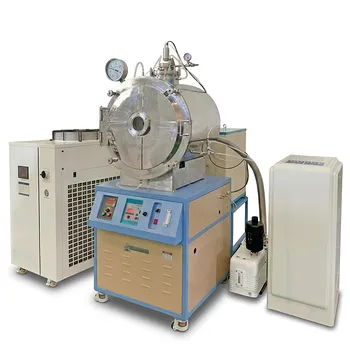
Ultra High Temperature Induction Heated Vacuum Furnace with Molten Salt Electrolysis Capability and 3000 Degree Precision Control
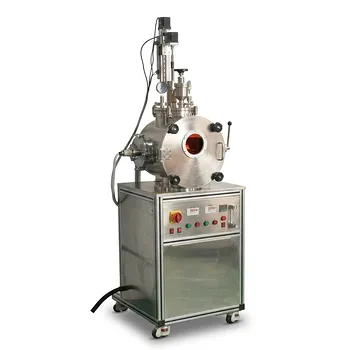
High Vacuum Melting Casting Furnace with Mechanical Stirring and Secondary Charge for Metallic Alloy Research
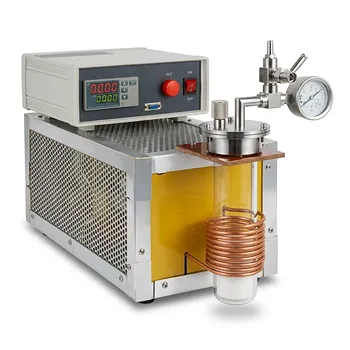
High Temperature Mini Induction Heating Furnace 1600C Laboratory Material Melting System
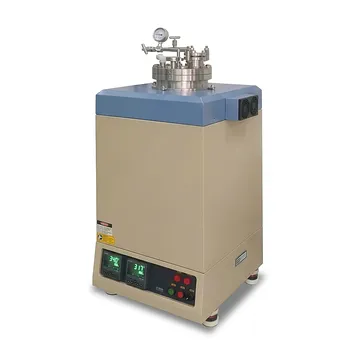
High Temperature 1000C Vacuum Furnace with 8 Inch ID Chamber for Material Sintering and Research Annealing
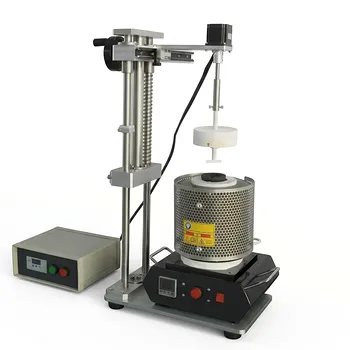
1100C Crucible Melting Furnace with Stirring Function for Glovebox and Air Sensitive Alloy Research
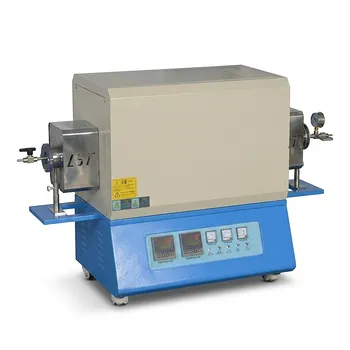
High Temperature Dual Zone Vacuum Tube Furnace for Material Research and CVD Processing
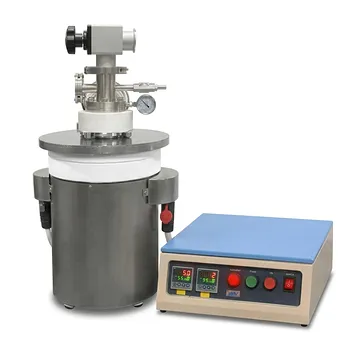
1100C High Temperature Vacuum Crucible Furnace with Quartz Chamber for Thermal Processing and Sintering